
Eco Friendly Accommodation Management
Expert-defined terms from the Advanced Skill Certificate in Slow Tourism and Immersive Travel course at LearnUNI. Free to read, free to share, paired with a professional course.
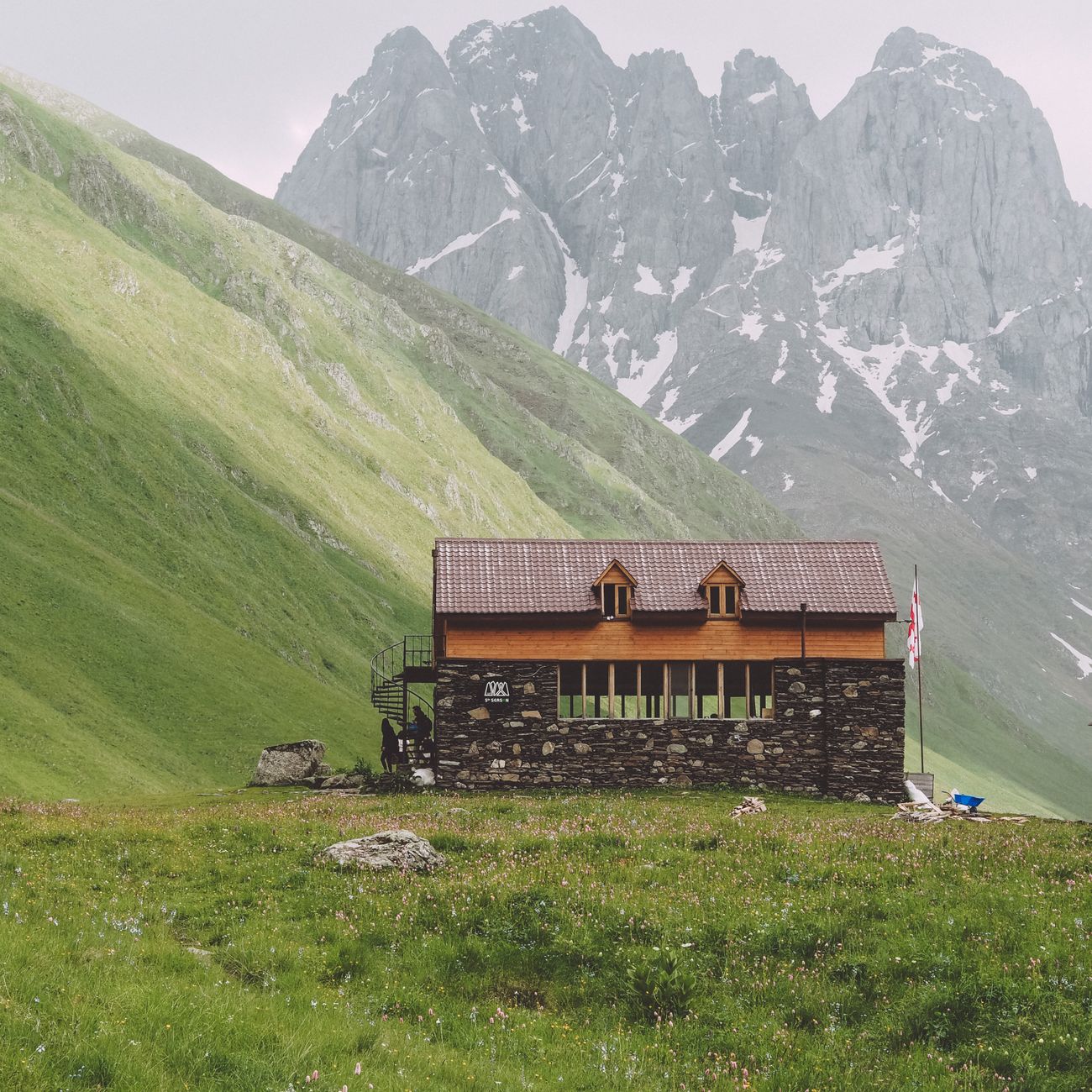
Adaptive Reuse – Concept – Related terms #
heritage conservation, building retrofit. Explanation: The process of converting existing structures, often historic or under‑utilised, into eco‑friendly accommodation while preserving cultural value. Example: Transforming an old warehouse into a boutique eco‑lodge that retains original brickwork but installs solar panels and water‑saving fixtures. Practical application: Conduct structural assessment, identify reusable elements, design for energy efficiency, and obtain necessary heritage permits. Challenges: Balancing preservation requirements with modern sustainability standards, managing unforeseen restoration costs, and ensuring compliance with local building codes.
Biophilic Design – Concept – Related terms #
nature‑integrated architecture, well‑being. Explanation: Design approach that incorporates natural elements—such as plants, natural light, and organic materials—into the built environment to enhance guest experience and reduce environmental impact. Example: A mountain lodge featuring indoor living walls, large operable windows overlooking forest canopies, and use of reclaimed wood for furnishings. Practical application: Select native plant species for indoor gardens, design ventilation to maximize fresh air, and use non‑toxic finishes. Challenges: Maintenance of living elements, potential pest issues, and ensuring that biophilic features do not increase energy consumption.
Carbon Footprint – Metric – Related terms #
greenhouse gas emissions, carbon offsetting. Explanation: The total amount of CO₂ and other greenhouse gases emitted directly or indirectly by an accommodation operation, measured in metric tonnes of CO₂ equivalent. Example: Calculating emissions from electricity use, heating, transportation of supplies, and guest travel to determine the lodge’s annual carbon footprint. Practical application: Use energy monitoring software, implement energy‑saving measures, and purchase verified carbon offsets for unavoidable emissions. Challenges: Accurate data collection, fluctuating energy prices, and guest resistance to perceived “green fees”.
Circular Economy – Concept – Related terms #
resource loops, waste minimisation. Explanation: An economic model that keeps resources in use for as long as possible, extracting maximum value before recovering and regenerating products at the end of their life cycle. Example: A seaside resort that composts kitchen waste to grow herbs for its restaurant, reuses linen through a closed‑laundry system, and recycles greywater for irrigation. Practical application: Map material flows, identify opportunities for reuse, establish partnerships with local recyclers, and train staff on circular practices. Challenges: Initial investment in infrastructure, coordination across multiple departments, and measuring circularity impact.
Eco Certification – Accreditation – Related terms #
green label, environmental standards. Explanation: Formal recognition that an accommodation meets specific sustainability criteria set by an accredited body, such as Green Key, EarthCheck, or LEED. Example: A rural inn achieving Green Key certification by demonstrating energy efficiency, waste reduction, and community involvement. Practical application: Conduct a gap analysis, implement required improvements, submit documentation, and undergo periodic audits. Challenges: Ongoing compliance costs, keeping staff motivated, and aligning certification requirements with local practices.
Energy Management System (EMS) – Tool – Related terms #
building automation, smart meters. Explanation: Integrated platform that monitors, controls, and optimises energy consumption across heating, cooling, lighting, and appliances. Example: Installing an EMS that automatically adjusts thermostat settings based on occupancy sensors and weather forecasts in a mountain chalet. Practical application: Deploy sensors, set performance benchmarks, train staff on system use, and review data to identify savings. Challenges: High upfront costs, technical complexity, and potential resistance from staff unfamiliar with digital tools.
Greywater Recycling – Process – Related terms #
non‑potable reuse, water conservation. Explanation: The treatment and reuse of water from sinks, showers, and laundry for non‑drinking purposes such as irrigation or toilet flushing. Example: A desert eco‑resort that filters greywater through a bio‑filtration system to irrigate native cactus gardens. Practical application: Install separate plumbing lines, select appropriate filtration media, and monitor water quality to meet health standards. Challenges: Regulatory approvals, ensuring system reliability, and educating guests about water reuse.
Indoor Air Quality (IAQ) – Metric – Related terms #
ventilation effectiveness, occupant health. Explanation: The condition of the air inside accommodation spaces, measured by levels of pollutants, humidity, and ventilation rates, directly affecting guest comfort and health. Example: Using low‑VOC paints, natural ventilation, and HEPA filters in a forest lodge to maintain high IAQ. Practical application: Conduct IAQ assessments, install air quality sensors, and adopt cleaning products with minimal emissions. Challenges: Balancing airtight energy‑saving designs with adequate ventilation, and managing indoor pollutant sources.
Life Cycle Assessment (LCA) – Methodology – Related terms #
cradle‑to‑grave analysis, environmental impact. Explanation: A systematic evaluation of the environmental impacts associated with all stages of a product’s life, from raw material extraction to disposal. Example: Performing an LCA on bamboo flooring to compare its carbon savings against traditional hardwood in a mountain lodge. Practical application: Use LCA software, gather data on material sourcing, production, transport, use, and end‑of‑life, and incorporate findings into procurement decisions. Challenges: Data availability, complexity of modeling, and translating results into actionable policies.
Low‑Impact Lighting – Technology – Related terms #
LED fixtures, daylight harvesting. Explanation: Lighting solutions that minimise energy consumption and light pollution while providing adequate illumination for guests. Example: Installing motion‑sensor LED lights in corridors and using skylights to reduce artificial lighting needs in a coastal eco‑hotel. Practical application: Select high‑efficiency bulbs, program dimming schedules, and integrate daylight sensors. Challenges: Initial procurement costs, ensuring lighting quality meets hospitality standards, and preventing glare for wildlife.
Renewable Energy Integration – Strategy – Related terms #
solar photovoltaics, wind turbines. Explanation: Incorporating clean energy sources into the power supply of accommodation facilities to reduce reliance on fossil fuels. Example: A remote forest lodge using rooftop solar panels combined with a micro‑hydro system to achieve net‑zero electricity consumption. Practical application: Conduct site feasibility studies, size systems appropriately, secure financing or incentives, and train staff on maintenance. Challenges: Variable energy generation, storage limitations, and navigating local permitting processes.
Sustainable Procurement – Practice – Related terms #
green purchasing, local sourcing. Explanation: Acquiring goods and services that have a reduced environmental impact throughout their lifecycle, favouring suppliers with strong sustainability credentials. Example: Purchasing organic cotton linens from a regional manufacturer that uses renewable energy and fair‑trade practices. Practical application: Develop supplier criteria, audit supplier sustainability reports, and prioritise products with eco‑labels. Challenges: Limited availability of certified products, higher unit costs, and verifying supplier claims.
Water Conservation – Initiative – Related terms #
low‑flow fixtures, rainwater harvesting. Explanation: Strategies aimed at reducing water use in accommodation operations while maintaining guest comfort. Example: Installing dual‑flush toilets and aerated faucets in a lakeside eco‑resort, coupled with rainwater tanks for landscape irrigation. Practical application: Conduct water audits, set reduction targets, and install monitoring devices to track usage. Challenges: Guest perception of reduced water flow, retrofitting older buildings, and maintaining water quality in stored rainwater.
Waste Management – System – Related terms #
zero waste, composting. Explanation: Comprehensive approach to minimise, reuse, recycle, and responsibly dispose of waste generated by accommodation activities. Example: Implementing a three‑bin system (recyclables, organics, landfill) and a kitchen compost program in a countryside inn. Practical application: Train staff on segregation, partner with local recycling facilities, and track waste diversion rates. Challenges: Contamination of waste streams, limited local recycling infrastructure, and encouraging guest participation.
Community Engagement – Principle – Related terms #
local partnerships, social licence. Explanation: Active collaboration with surrounding communities to ensure tourism benefits are shared, fostering cultural exchange and economic development. Example: Organising guided cultural walks led by local artisans and allocating a portion of lodging revenue to community education projects. Practical application: Conduct stakeholder mapping, develop benefit‑sharing agreements, and create feedback mechanisms. Challenges: Aligning expectations, avoiding cultural commodification, and measuring social impact.
Cultural Heritage Preservation – Objective – Related terms #
interpretive signage, heritage tourism. Explanation: Protecting and showcasing tangible and intangible cultural assets within accommodation settings to enrich guest experiences and sustain local identity. Example: Restoring traditional thatched roofs on a rural guesthouse while providing interpretive displays about regional building techniques. Practical application: Collaborate with heritage authorities, use authentic materials, and train staff as cultural ambassadors. Challenges: Higher maintenance costs, balancing authenticity with modern safety standards, and potential over‑tourism pressures.
Ecotourism Standards – Framework – Related terms #
best practices, responsible travel. Explanation: Set of guidelines that define environmentally responsible and socially equitable tourism activities, often used to certify accommodations. Example: Adhering to the Global Sustainable Tourism Council (GSTC) criteria for an eco‑lodge’s operations and guest interactions. Practical application: Review standards, implement required policies, and undergo third‑party verification. Challenges: Keeping up with evolving standards, integrating them without compromising guest comfort, and ensuring staff compliance.
Immersive Travel Experience – Concept – Related terms #
participatory tourism, sensory design. Explanation: Travel approach that fully engages visitors in local culture, environment, and activities, fostering deeper connections and learning. Example: Offering guests hands‑on workshops in traditional weaving, guided night hikes for nocturnal wildlife observation, and farm‑to‑table cooking classes. Practical application: Design program itineraries, train facilitators, and ensure activities are low‑impact and culturally respectful. Challenges: Managing group sizes, maintaining authenticity, and mitigating environmental disturbance.
Life‑Cycle Costing (LCC) – Financial Tool – Related terms #
total cost of ownership, investment analysis. Explanation: Economic analysis that evaluates all costs associated with an asset over its entire lifespan, including acquisition, operation, maintenance, and disposal. Example: Comparing the long‑term costs of a conventional HVAC system versus a high‑efficiency heat‑pump in a mountain lodge. Practical application: Gather cost data, apply discount rates, and present findings to decision‑makers to justify sustainable investments. Challenges: Uncertainty in future energy prices, difficulty quantifying intangible benefits, and securing stakeholder buy‑in.
Local Sourcing – Practice – Related terms #
farm‑to‑table, regional supply chains. Explanation: Procuring food, materials, and services from nearby producers to reduce transport emissions, support the local economy, and enhance authenticity. Example: Purchasing fresh seafood from a coastal cooperative and using locally quarried stone for building renovations. Practical application: Map local suppliers, negotiate contracts, and establish quality control procedures. Challenges: Seasonal availability, price variability, and ensuring consistent supply volumes.
Low‑Impact Landscaping – Design – Related terms #
xeriscaping, native planting. Explanation: Landscaping approach that minimises water use, chemical inputs, and habitat disruption, often employing drought‑tolerant native species. Example: Designing a garden around a desert lodge using indigenous succulents, rock mulches, and drip irrigation. Practical application: Conduct soil assessments, select appropriate plant palettes, and install efficient irrigation controls. Challenges: Guest expectations for lush aesthetics, invasive species control, and maintaining plant health in extreme climates.
Renewable Energy Certificates (RECs) – Instrument – Related terms #
green power purchasing, carbon accounting. Explanation: Tradable certificates that represent the environmental attributes of renewable electricity generation, allowing accommodations to claim renewable energy use indirectly. Example: A city hotel purchasing RECs to offset its electricity consumption while awaiting on‑site solar installation. Practical application: Identify reputable REC providers, calculate annual electricity use, and acquire matching certificates. Challenges: Verifying additionality of RECs, potential market volatility, and communicating benefits to guests transparently.
Responsible Guest Policies – Protocol – Related terms #
behavioural guidelines, code of conduct. Explanation: Set of expectations communicated to guests to encourage environmentally and socially responsible behaviour during their stay. Example: Providing a welcome booklet that outlines recycling procedures, water‑saving tips, and respectful wildlife viewing practices. Practical application: Develop clear signage, train front‑desk staff to explain policies, and monitor compliance through periodic checks. Challenges: Guest resistance, language barriers, and ensuring policies are neither overly restrictive nor ineffective.
Slow Tourism Principles – Philosophy – Related terms #
mindful travel, local immersion. Explanation: Travel ethos that prioritises quality over quantity, encouraging deeper connections with place, culture, and community while reducing environmental pressure. Example: Promoting multi‑day stays that allow guests to explore a region at a leisurely pace, using public transport and engaging in local activities. Practical application: Design packages that limit daily itineraries, partner with local guides, and highlight low‑impact experiences. Challenges: Competing with fast‑turnover tourism models, pricing structures, and managing guest expectations for convenience.
Sustainable Guest Services – Operation – Related terms #
eco‑friendly amenities, green housekeeping. Explanation: Service delivery that integrates sustainability into everyday guest interactions, from linen use to in‑room amenities. Example: Offering a “linen reuse” programme, providing refillable toiletries, and using biodegradable cleaning products. Practical application: Train housekeeping staff, set up inventory tracking for reusable items, and market the program as a value‑added feature. Challenges: Balancing guest comfort with resource savings, staff adherence, and monitoring program uptake.
Tourism Impact Monitoring – System – Related terms #
visitor tracking, environmental indicators. Explanation: Ongoing collection and analysis of data on the ecological, social, and economic effects of tourism activities associated with an accommodation. Example: Using visitor surveys, wildlife observation logs, and water usage meters to assess the impact of a mountain retreat on surrounding ecosystems. Practical application: Define key performance indicators (KPIs), establish baseline data, and produce regular impact reports for management. Challenges: Data reliability, resource constraints for monitoring, and translating findings into actionable improvements.
Waste‑to‑Energy (WtE) – Technology – Related terms #
biomass conversion, energy recovery. Explanation: Process that converts non‑recyclable waste into usable energy, such as heat or electricity, reducing landfill dependence. Example: Installing a small‑scale anaerobic digester to treat organic kitchen waste, generating biogas for on‑site heating. Practical application: Conduct feasibility studies, select appropriate technology scale, and ensure compliance with emissions regulations. Challenges: High capital costs, odor management, and securing a consistent feedstock supply.
Water‑Sensitive Urban Design (WSUD) – Planning – Related terms #
integrated water management, stormwater reuse. Explanation: Design framework that integrates water cycle management into the planning of built environments, promoting infiltration, reuse, and quality improvement. Example: Incorporating permeable paving, rain gardens, and bioswales around a lakeside eco‑resort to manage runoff and protect water bodies. Practical application: Collaborate with landscape architects, select suitable plant species, and monitor water quality outcomes. Challenges: Coordinating with municipal authorities, ensuring proper maintenance, and aligning aesthetic goals with functional requirements.
Zero‑Waste Hospitality – Goal – Related terms #
circular operations, resource efficiency. Explanation: Aspiration to eliminate waste sent to landfill through comprehensive reduction, reuse, recycling, and composting strategies. Example: A boutique hotel that achieves zero waste by composting all food scraps, donating surplus food, using refillable dispensers, and partnering with local recyclers. Practical application: Conduct waste audits, set elimination targets, and engage staff and guests in waste‑reduction initiatives. Challenges: Changing entrenched habits, ensuring supply chain participation, and accurately measuring waste streams.
Green Roof – Feature – Related terms #
vegetated roofing, thermal insulation. Explanation: A roof covered with vegetation and a growing medium, providing insulation, stormwater management, and habitat creation. Example: Installing a sedum‑based green roof on a coastal eco‑hotel to reduce heat gain and support pollinators. Practical application: Assess structural load capacity, select appropriate plant species, and establish maintenance protocols. Challenges: Additional weight on the building, waterproofing integrity, and long‑term plant health.
Environmental Education Programs – Initiative – Related terms #
interpretive tours, learning workshops. Explanation: Structured activities aimed at increasing guests’ awareness and knowledge of local ecosystems, cultural heritage, and sustainable practices. Example: Offering guided bird‑watching walks with a local naturalist who explains species behavior and conservation needs. Practical application: Develop curriculum, train educators, and create supporting materials such as field guides. Challenges: Aligning educational content with diverse guest backgrounds, measuring learning outcomes, and allocating staff time.
Green Building Materials – Resource – Related terms #
low‑embodied carbon, recycled content. Explanation: Materials selected for their reduced environmental impact, including low‑energy production, recycled content, and minimal toxicity. Example: Using reclaimed timber, recycled steel, and low‑VOC insulation in the renovation of a historic inn. Practical application: Source certified products, verify supply chain documentation, and incorporate materials into design specifications. Challenges: Availability of certified materials, higher upfront costs, and ensuring performance standards.
Social Responsibility – Principle – Related terms #
ethical tourism, stakeholder engagement. Explanation: Commitment to ethical behaviour that benefits local communities, respects cultural norms, and promotes equitable economic outcomes. Example: Implementing fair‑wage policies for all staff and supporting local women’s cooperatives through procurement contracts. Practical application: Conduct social impact assessments, develop corporate social responsibility (CSR) reports, and engage in community dialogues. Challenges: Measuring social impact, balancing profit margins with ethical commitments, and avoiding “greenwashing”.
Climate Resilience Planning – Strategy – Related terms #
adaptation measures, risk assessment. Explanation: Process of preparing accommodation facilities to withstand and recover from climate‑related stresses such as extreme weather, sea‑level rise, or temperature fluctuations. Example: Elevating base‑level rooms of a beachfront eco‑resort and installing flood‑resistant utilities to cope with rising tides. Practical application: Perform vulnerability assessments, develop emergency response plans, and invest in resilient infrastructure. Challenges: Uncertainty of climate projections, high retrofitting costs, and securing financing for adaptation projects.
Biodiversity Conservation – Objective – Related terms #
habitat protection, species monitoring. Explanation: Actions aimed at preserving the variety of life within and surrounding accommodation sites, ensuring ecological balance and guest experience quality. Example: Creating a protected buffer zone of native forest around a mountain lodge to safeguard endemic flora and fauna. Practical application: Conduct biodiversity surveys, implement habitat restoration projects, and enforce guest guidelines that minimise disturbance. Challenges: Limited expertise, potential conflict with development goals, and need for long‑term monitoring.
Energy‑Positive Buildings – Concept – Related terms #
net‑positive, energy surplus. Explanation: Structures that generate more renewable energy than they consume over a defined period, contributing surplus electricity to the grid. Example: A high‑altitude eco‑lodge equipped with photovoltaic panels, wind turbines, and energy‑storage systems that export excess power. Practical application: Design for optimal orientation, select high‑efficiency systems, and negotiate feed‑in tariffs with utilities. Challenges: Achieving true surplus in varied climatic conditions, managing storage, and aligning with local grid regulations.
Green Procurement Policies – Governance – Related terms #
supplier sustainability criteria, eco‑label verification. Explanation: Organizational rules that require the purchase of products and services meeting defined environmental standards, reducing overall ecological footprint. Example: Mandating that all cleaning supplies used in a boutique eco‑hotel carry the Eco‑Label certification. Practical application: Draft policy language, train procurement staff, and integrate sustainability clauses into contracts. Challenges: Supplier resistance, higher costs for certified goods, and monitoring compliance across multiple departments.
Carbon Neutral Operations – Goal – Related terms #
net‑zero emissions, offset strategies. Explanation: Achieving a balance between emitted greenhouse gases and those removed or avoided, resulting in no net contribution to climate change. Example: A rural retreat that reduces on‑site emissions through energy efficiency, purchases renewable electricity, and offsets remaining emissions via reforestation projects. Practical application: Quantify emissions, implement reduction measures, purchase verified offsets, and report transparently. Challenges: Accurate accounting, ensuring offsets are additional and permanent, and maintaining guest acceptance of mitigation efforts.
Ecological Footprint – Metric – Related terms #
resource consumption, sustainability assessment. Explanation: Measure of the amount of biologically productive land and water area required to support an accommodation’s resource use and waste generation. Example: Calculating the ecological footprint of a lakeside eco‑resort to determine how many hectares of forest are needed to sequester its CO₂ emissions. Practical application: Use footprint calculators, set reduction targets, and communicate results to stakeholders. Challenges: Data collection complexity, translating abstract numbers into actionable steps, and aligning with broader sustainability goals.
Green Marketing – Communication – Related terms #
eco‑branding, transparent claims. Explanation: Promotion of accommodation’s environmental attributes in a truthful, verifiable, and compelling manner to attract eco‑conscious travelers. Example: Highlighting the property’s LEED Platinum status, renewable energy use, and community projects on its website and booking platforms. Practical application: Develop evidence‑based messaging, avoid greenwashing by substantiating claims, and train staff to convey sustainability stories. Challenges: Regulatory scrutiny of environmental claims, maintaining authenticity, and balancing marketing with operational realities.
Visitor Capacity Management – Technique – Related terms #
carrying capacity, booking controls. Explanation: Managing the number of guests and activities to prevent overuse of natural and cultural resources, ensuring long‑term site viability. Example: Implementing a reservation system that limits daily occupancy at a sensitive wildlife sanctuary to a predetermined threshold. Practical application: Conduct capacity assessments, set booking limits, and monitor visitor impacts in real time. Challenges: Potential revenue loss, guest dissatisfaction due to limited availability, and accurately determining sustainable thresholds.