
Introduction to Due Diligence for Construction Projects
Expert-defined terms from the Professional Certificate in Due Diligence for Construction Projects course at LearnUNI. Free to read, free to share, paired with a professional course.
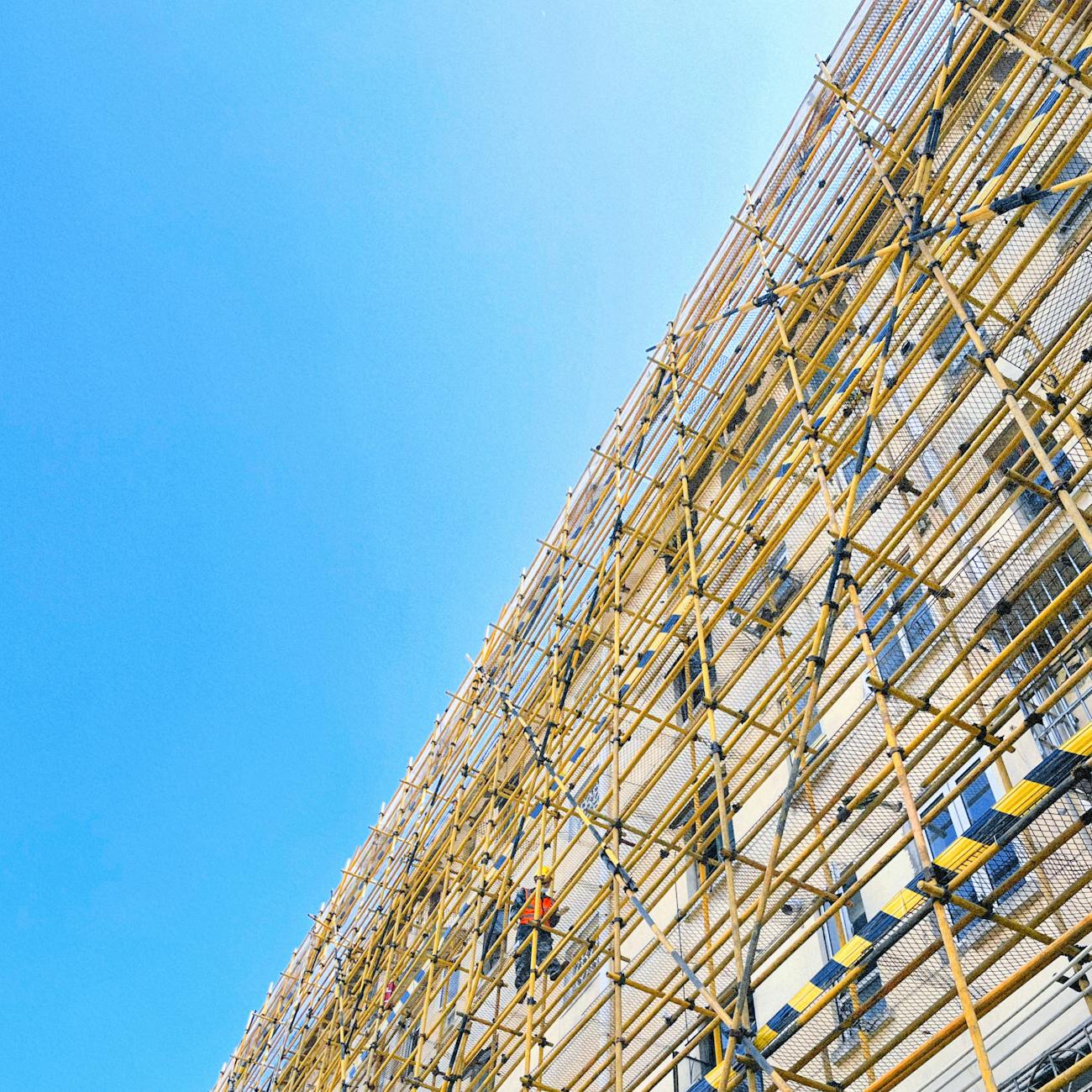
Introduction to Due Diligence for Construction Projects #
Introduction to Due Diligence for Construction Projects
Due diligence in construction projects is a crucial process that involves thorou… #
It helps stakeholders mitigate risks, evaluate the feasibility of projects, and ensure compliance with regulations. Here is a comprehensive glossary of terms related to due diligence in construction projects:
A #
A
1. Architectural Due Diligence #
The process of evaluating the architectural aspects of a construction project to ensure compliance with design specifications, building codes, and industry standards.
2. As #
Built Drawings: Final drawings reflecting the actual construction of a project, including any modifications made during the construction process.
3. Asset Valuation #
The process of determining the value of assets involved in a construction project, such as land, buildings, and equipment.
B #
B
4. Building Code Compliance #
Ensuring that a construction project meets the requirements set forth by local building codes and regulations.
5. Building Permit #
A legal document issued by authorities allowing the construction or renovation of a building within specified guidelines.
6. Budget Analysis #
Evaluating the financial aspects of a construction project to determine if the budget is feasible and sufficient to complete the project.
C #
C
7. Contract Review #
Examining the terms and conditions of a construction contract to ensure clarity, fairness, and compliance with legal requirements.
8. Cost Estimation #
Calculating the expected costs of a construction project, including materials, labor, equipment, and overhead expenses.
9. Construction Schedule #
A detailed timeline outlining the sequence of activities and milestones for completing a construction project.
D #
D
10. Due Diligence Checklist #
A comprehensive list of tasks and documents to review during the due diligence process for a construction project.
11. Environmental Impact Assessment #
Evaluating the potential environmental effects of a construction project, such as air and water pollution, habitat destruction, and waste generation.
12. Feasibility Study #
An analysis of the economic, technical, and legal viability of a construction project before proceeding with development.
E #
E
13. Engineering Due Diligence #
Assessing the engineering aspects of a construction project, including structural integrity, safety measures, and compliance with engineering standards.
14. Expert Witness #
A professional with specialized knowledge and experience who provides testimony in legal proceedings related to construction disputes or claims.
15. Financial Analysis #
Evaluating the financial health and performance of a construction project through the analysis of financial statements, cash flow projections, and investment returns.
F #
F
16. Geotechnical Investigation #
Studying the soil and rock conditions at a construction site to assess the stability and suitability for building foundations and structures.
17. Insurance Review #
Reviewing insurance policies related to a construction project to ensure adequate coverage for potential risks and liabilities.
18. Land Use Zoning #
Regulations that dictate how land can be used for construction purposes, such as residential, commercial, industrial, or agricultural.
G #
G
19. Market Analysis #
Evaluating the demand, supply, and competition in the real estate market to assess the potential success of a construction project.
20. Material Testing #
Conducting tests on construction materials to assess their quality, strength, durability, and suitability for the project.
21. Occupancy Permit #
A certificate issued by authorities allowing a building to be occupied once it meets all building code requirements.
H #
H
22. Health and Safety Audit #
Assessing the safety practices and compliance with health regulations at a construction site to prevent accidents and injuries.
23. Permitting Process #
Obtaining the necessary approvals and permits from government authorities before starting construction activities.
24. Project Management #
Planning, organizing, and overseeing all aspects of a construction project to ensure it is completed on time, within budget, and according to specifications.
I #
I
25. Quality Control #
Monitoring and inspecting construction activities to ensure that work meets quality standards and specifications.
26. Risk Assessment #
Identifying potential risks and uncertainties associated with a construction project and developing strategies to mitigate or manage them.
27. Schedule Delay Analysis #
Investigating the causes of delays in a construction project and determining their impact on the overall schedule and budget.
J #
J
28. Structural Inspection #
Evaluating the structural integrity of buildings and infrastructure to ensure they are safe, stable, and compliant with engineering standards.
29. Sustainability Assessment #
Evaluating the environmental, social, and economic sustainability of a construction project to minimize negative impacts on the environment and community.
30. Value Engineering #
A systematic process of analyzing the functions of a project to reduce costs, improve performance, and increase value for stakeholders.
K #
K
31. Waste Management Plan #
A strategy for handling, disposing of, and recycling construction waste to minimize environmental impact and comply with regulations.
32. Workmanship Evaluation #
Assessing the quality of construction workmanship to ensure that it meets industry standards and specifications.
33. XYZ Analysis #
An analytical tool used in construction projects to evaluate the performance of various aspects of the project, such as cost, schedule, and quality.
L #
L
34. Change Order #
A written agreement between the owner and contractor to modify the scope, schedule, or budget of a construction project.
35. Constructability Review #
Assessing the ease of construction and identifying potential challenges or issues that may arise during the construction process.
36. Design Review #
Evaluating the design documents of a construction project to ensure they meet the functional, aesthetic, and regulatory requirements.
M #
M
37. Due Diligence Report #
A comprehensive document summarizing the findings, analysis, and recommendations of the due diligence process for a construction project.
38. Land Survey #
A detailed measurement and mapping of land boundaries, topography, and features to inform site planning and development.
39. Value Assessment #
Determining the financial worth of a construction project based on its cost, potential returns, and market value.
N #
N
40. Contractor Qualification #
Evaluating the capabilities, experience, and financial stability of contractors bidding on a construction project.
41. Defect Analysis #
Identifying and analyzing defects or deficiencies in construction work to determine their causes and develop solutions for correction.
42. Due Diligence Period #
A specified timeframe during which stakeholders conduct research and analysis on a construction project before making investment decisions.
O #
O
43. Building Information Modeling (BIM) #
A digital representation of physical and functional characteristics of a construction project used for design, construction, and operation.
44. Code Compliance Review #
Ensuring that the design and construction of a project comply with relevant building codes, regulations, and standards.
45. Financial Due Diligence #
Evaluating the financial aspects of a construction project, such as budget, cash flow, financing, and return on investment.
P #
P
46. Property Condition Assessment #
Evaluating the physical condition of a property, including buildings, infrastructure, and systems, to assess maintenance needs and potential risks.
47. Regulatory Compliance #
Ensuring that a construction project complies with all applicable laws, regulations, permits, and approvals.
48. Site Investigation #
Assessing the physical, environmental, and geological conditions of a construction site to inform design, planning, and risk management.
Q #
Q
49. Construction Defect #
A flaw, error, or omission in the design or construction of a project that results in poor quality, safety hazards, or performance issues.
50. Legal Due Diligence #
Reviewing legal documents, contracts, permits, and agreements related to a construction project to identify potential risks and liabilities.
51. Project Closeout #
Finalizing all project activities, documentation, and financial matters upon completion of construction to transition to occupancy or handover.
R #
R
52. Environmental Due Diligence #
Assessing the environmental risks and impacts of a construction project, such as contamination, pollution, and habitat destruction.
53. Regulatory Approval #
Obtaining official permits, licenses, and approvals from government authorities for construction activities to ensure compliance with regulations.
54. Site Development Plan #
A detailed layout and design of a construction site, including access roads, utilities, landscaping, and drainage systems.
S #
S
55. Cost #
Benefit Analysis: Comparing the costs and benefits of a construction project to determine its economic viability and potential returns on investment.
56. Mechanical, Electrical, Plumbing (MEP) Assessment #
Evaluating the design, installation, and performance of mechanical, electrical, and plumbing systems in a construction project.
57. Subcontractor Prequalification #
Assessing the capabilities, experience, and financial stability of subcontractors before awarding contracts for specific project tasks.
T #
T
58. Feasibility Assessment #
An analysis of the technical, financial, and operational feasibility of a construction project to determine its viability and potential success.
59. Permit Compliance #
Ensuring that construction activities adhere to the conditions and restrictions specified in permits issued by regulatory authorities.
60. Value Proposition #
The unique benefits and advantages of a construction project that differentiate it from competitors and attract stakeholders and investors.
U #
U
61. Change Management #
A structured approach to managing changes in a construction project, including scope, schedule, budget, and quality, to minimize disruptions and risks.
62. Financial Risk Assessment #
Evaluating the financial risks associated with a construction project, such as cost overruns, delays, market fluctuations, and financing issues.
63. Owner Representation #
Acting on behalf of the project owner to oversee and manage all aspects of the construction project, including design, procurement, and construction.
V #
V
64. Feasibility Analysis #
An in-depth examination of the technical, financial, legal, and market aspects of a construction project to determine its feasibility and potential success.
65. Property Title Search #
Investigating the legal ownership of a property, including any liens, encumbrances, or restrictions that may affect its use or sale.
66. Value Engineering Workshop #
A collaborative session involving stakeholders to identify cost-saving opportunities and enhance the value of a construction project.
W #
W
67. Construction Management #
The practice of planning, coordinating, and controlling construction activities to achieve project objectives, such as quality, schedule, and budget.
68. Negotiation Strategy #
Developing a plan and tactics to negotiate terms, conditions, and agreements related to a construction project with stakeholders, contractors, and suppliers.
69. Value Management #
A systematic approach to optimizing the value of a construction project by balancing cost, quality, performance, and stakeholder requirements.
X #
X
70. Due Diligence Training #
Educational programs and resources designed to help professionals learn about and implement due diligence practices in construction projects.
71. Project Risk Analysis #
Identifying, assessing, and prioritizing risks that may impact the success of a construction project and developing strategies to mitigate or manage them.
72. Work Breakdown Structure (WBS) #
A hierarchical decomposition of project tasks and activities into smaller, manageable components to facilitate planning, scheduling, and tracking.
Y #
Y
73. Financial Due Diligence Report #
A detailed document summarizing the financial analysis, projections, and recommendations for a construction project based on due diligence findings.
74. Material Procurement Review #
Evaluating the process of sourcing, selecting, and acquiring materials for a construction project to ensure quality, cost-effectiveness, and timeliness.
75. Quality Assurance #
A set of planned and systematic activities to ensure that construction work meets quality standards, specifications, and client requirements.
Z #
Z
76. Due Diligence Software #
Technology tools and platforms designed to streamline and automate the due diligence process for construction projects, such as data analysis, document management, and reporting.
77. Project Risk Management #
The process of identifying, analyzing, and responding to risks that may impact the success of a construction project, including risk assessment, mitigation, and monitoring.
78. Value Engineering Analysis #
A systematic review of project components to identify opportunities for cost savings, performance improvements, and value enhancement for stakeholders.
This glossary provides a comprehensive overview of key terms and concepts relate… #
By understanding these terms, professionals can effectively navigate the due diligence process, assess project risks, and make informed decisions to ensure successful project outcomes.