
Implementing AI Technology in Optometric Practice.
Expert-defined terms from the Undergraduate Certificate in AI-Driven Optometric Solutions course at LearnUNI. Free to read, free to share, paired with a professional course.
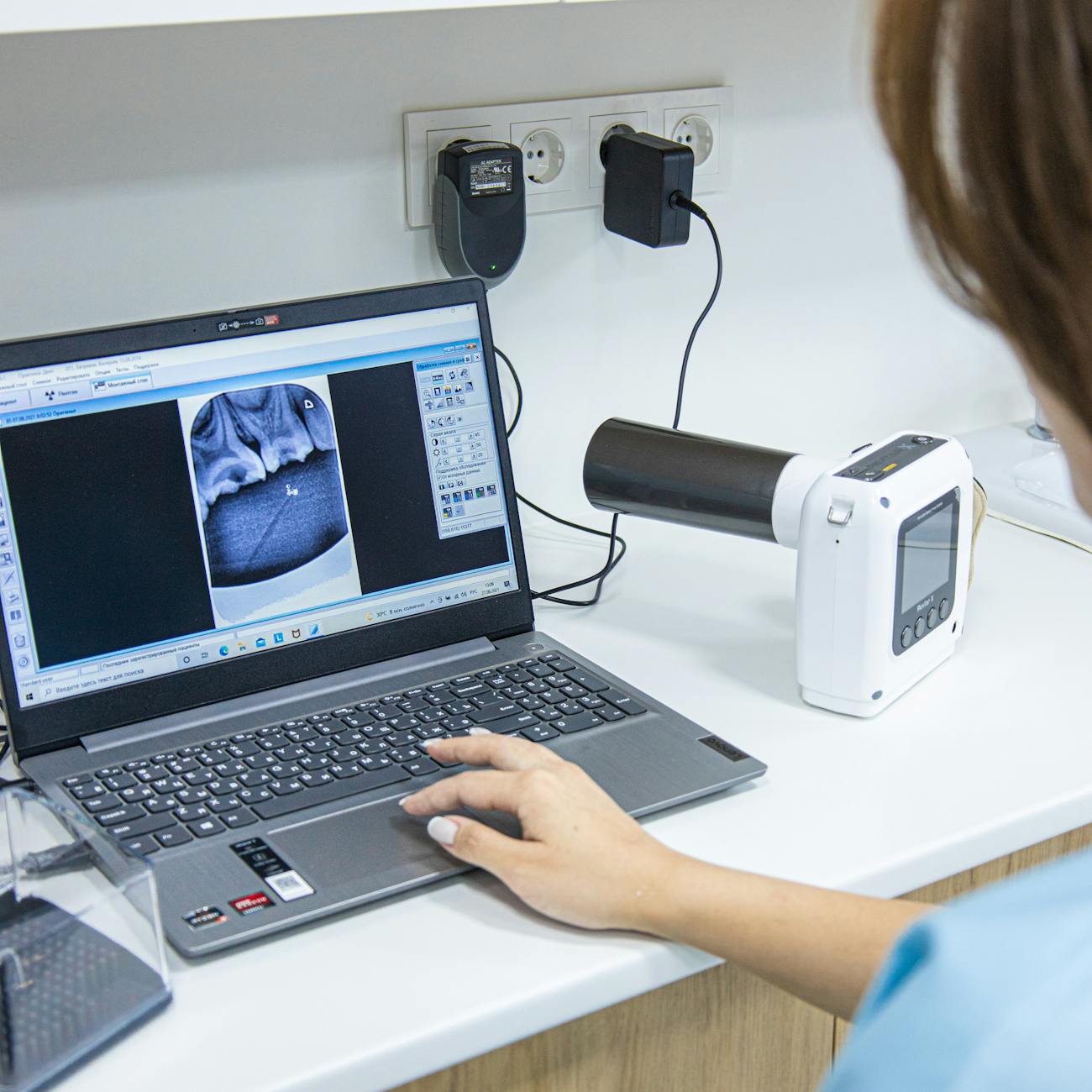
AI Technology in Optometric Practice #
AI Technology in Optometric Practice
AI technology in optometric practice refers to the utilization of artificial int… #
These AI-driven solutions aim to improve efficiency, accuracy, and patient outcomes in diagnosing and managing eye conditions.
Explanation #
Implementing AI technology in optometric practice involves deploying AI algorithms to analyze medical images, such as retinal scans, to detect abnormalities or diseases like diabetic retinopathy or glaucoma. AI can assist optometrists in making faster and more accurate diagnoses, leading to early interventions and improved patient care.
AI technology can also be utilized in managing patient data and scheduling appoi… #
Additionally, AI-powered telemedicine platforms enable remote consultations and monitoring of patients, expanding access to eye care services.
Examples #
1 #
An AI system that analyzes retinal images for signs of macular degeneration, enabling optometrists to detect the condition at an early stage and prevent vision loss.
2 #
A telemedicine platform that uses AI algorithms to triage patient inquiries and schedule virtual appointments with optometrists based on the urgency of the case.
Practical Applications #
1. Diabetic Retinopathy Screening #
AI technology can be used to screen diabetic patients for retinopathy by analyzing fundus images and identifying signs of the disease.
2. Virtual Vision Therapy #
AI-powered apps can provide personalized vision therapy exercises for patients with binocular vision disorders, improving treatment outcomes.
Challenges #
1. Data Privacy #
Ensuring the security and confidentiality of patient data used by AI systems is crucial to maintaining trust and compliance with regulations.
2. Integration with Existing Systems #
Integrating AI technology into optometric practices may require upgrades to existing infrastructure and staff training to maximize its benefits.
Conclusion #
Implementing AI technology in optometric practice offers significant opportuniti… #
By leveraging AI-driven solutions, optometrists can provide more efficient and personalized care to their patients, ultimately advancing the field of eye care.