
Merchandising and Product Assortment
Expert-defined terms from the Professional Certificate in Excel for Retail Management course at LearnUNI. Free to read, free to share, paired with a globally recognised certification pathway.
Merchandising #
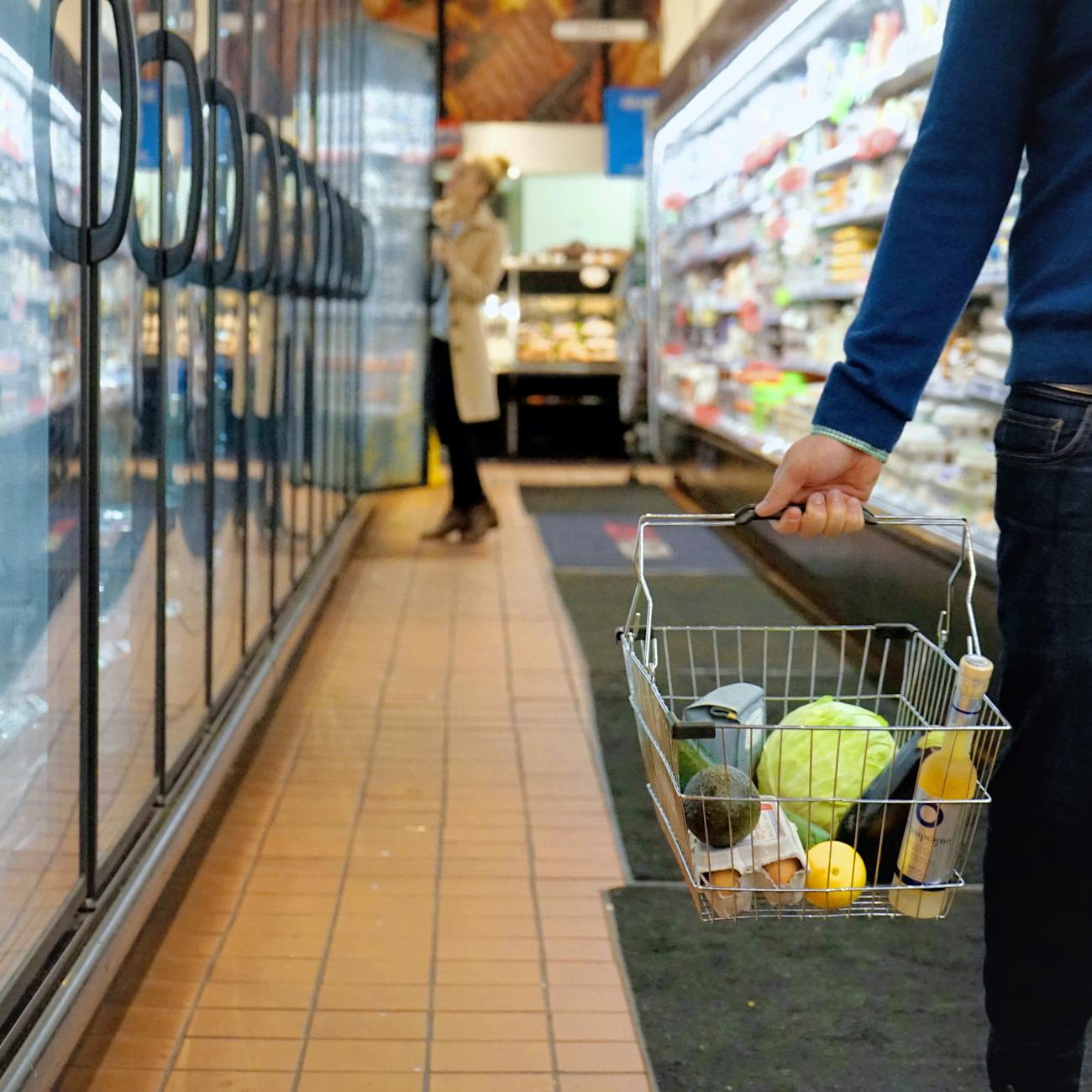
Merchandising is a crucial aspect of retail management that involves planning, d… #
It encompasses activities such as product selection, pricing, promotion, and display to attract customers and drive revenue. Effective merchandising strategies help retailers meet customer needs, increase brand visibility, and enhance the overall shopping experience.
Product Assortment #
Product assortment refers to the range of products offered by a retailer to meet… #
It involves carefully selecting and curating a mix of products to cater to different market segments and create a compelling shopping experience. Retailers need to consider factors such as consumer demand, trends, pricing, and competition when designing their product assortment.
Planogram #
A planogram is a visual representation of how products should be displayed in a… #
It typically includes information on product placement, spacing, shelving, and signage to guide store staff in setting up merchandise displays. Planograms help retailers maximize space utilization, improve product visibility, and drive impulse purchases.
Visual Merchandising #
Visual merchandising involves the presentation of products in a visually appeali… #
It includes elements such as store layout, lighting, signage, and display techniques to create a cohesive brand image and enhance the shopping environment. Effective visual merchandising can influence customer behavior, increase dwell time, and boost purchase intent.
Category Management #
Category management is a strategic approach to managing product categories withi… #
It involves analyzing consumer demand, market trends, and competition to make data-driven decisions on product assortment, pricing, and promotion. Category management aims to maximize the performance of each product category and improve overall store performance.
Inventory Management #
Inventory management is the process of overseeing and controlling the flow of go… #
It involves tasks such as forecasting demand, replenishing stock, monitoring inventory levels, and managing stockouts. Effective inventory management helps retailers avoid overstocking or understocking products and improve operational efficiency.
Markdown Optimization #
Markdown optimization is a pricing strategy used by retailers to maximize sales… #
It involves strategically reducing prices on products to stimulate demand, clear out inventory, and maintain profit margins. Markdown optimization requires retailers to analyze sales data, market conditions, and customer behavior to determine the most effective markdowns.
Private Label #
Private label refers to products that are manufactured and sold under a retailer… #
These products are designed to offer unique value and differentiation from national brands, often at lower prices. Private label products allow retailers to control quality, pricing, and positioning in the market, enhancing customer loyalty and driving store sales.
Cross #
Merchandising:
Cross #
merchandising is a retail strategy that involves displaying complementary products together to encourage additional purchases and increase average transaction value. It aims to enhance the shopping experience by showcasing related items in close proximity, such as pairing wine with cheese or batteries with electronic devices. Cross-merchandising can drive impulse buys, boost sales, and strengthen customer relationships.
Seasonal Merchandising #
Seasonal merchandising is the practice of tailoring product assortment, promotio… #
It involves planning and executing seasonal campaigns to capitalize on consumer trends, drive foot traffic, and boost sales. Seasonal merchandising helps retailers stay relevant, create excitement, and drive customer engagement.
Planogram Compliance #
Planogram compliance refers to the extent to which store staff follow the guidel… #
It is important for retailers to ensure that products are placed correctly, shelves are stocked according to plan, and promotional materials are displayed as intended. Planogram compliance helps maintain brand consistency, improve product visibility, and enhance the overall shopping experience.
Merchandising Principles #
Merchandising principles are fundamental guidelines that retailers follow to eff… #
These principles include concepts such as product placement, visual appeal, customer engagement, and inventory management. By applying merchandising principles, retailers can enhance the shopping experience, drive sales, and build customer loyalty.
Planogram Software #
Planogram software is a digital tool used by retailers to create, visualize, and… #
It allows users to design planograms, optimize shelf layouts, and analyze the performance of merchandising strategies. Planogram software helps retailers streamline the planning process, improve store efficiency, and enhance the effectiveness of product assortment.
Assortment Planning #
Assortment planning is the process of determining the optimal mix of products to… #
It involves analyzing sales data, market trends, and consumer preferences to make informed decisions on product selection and allocation. Assortment planning helps retailers maximize sales, minimize stockouts, and drive profitability.
Product Lifecycle Management #
Product lifecycle management (PLM) is a strategic approach to managing the entir… #
It involves tasks such as product development, sourcing, pricing, and promotion to ensure that products meet customer needs and business objectives. PLM helps retailers optimize product assortments, reduce time to market, and maximize profitability.
Endcap Display #
An endcap display is a promotional setup located at the end of an aisle or gondo… #
It is a high-visibility area that captures customer attention and encourages impulse purchases. Endcap displays are often used for new product launches, seasonal promotions, or clearance sales to maximize exposure and generate interest.
Planogram Layout #
A planogram layout is a visual representation of how products should be arranged… #
It includes details such as product placement, facing, grouping, and sequencing to guide store staff in setting up merchandise. Planogram layouts are designed to optimize space utilization, improve product visibility, and enhance the overall shopping experience for customers.
Merchandising Strategy #
A merchandising strategy is a comprehensive plan that outlines how retailers wil… #
It involves analyzing market trends, consumer behavior, and competitive landscape to develop strategies that drive sales and profitability. A well-defined merchandising strategy helps retailers differentiate their brand, attract customers, and increase market share.
Planogram Effectiveness #
Planogram effectiveness refers to the impact of a planogram on store performance… #
It measures how well a planogram drives product visibility, sales growth, and operational efficiency in a retail environment. Monitoring planogram effectiveness helps retailers identify opportunities for improvement, optimize merchandising strategies, and enhance the overall shopping experience.
Product Placement #
Product placement refers to the strategic positioning of products within a retai… #
It involves placing products in high-traffic areas, eye-level shelves, or prominent displays to increase visibility and encourage impulse purchases. Effective product placement can influence customer behavior, enhance brand perception, and improve sales performance.
Merchandise Mix #
The merchandise mix refers to the variety and assortment of products available f… #
It includes different categories, brands, price points, and styles to cater to diverse customer preferences and needs. Retailers must carefully curate their merchandise mix to balance popular items, new arrivals, and seasonal offerings to maximize sales and meet customer demand.
Merchandise Planning #
Merchandise planning is the process of developing a strategic roadmap for produc… #
It involves analyzing historical data, market trends, and consumer behavior to forecast demand, set budgets, and allocate resources effectively. Merchandise planning helps retailers optimize product mix, reduce costs, and drive business growth.
Point #
of-Purchase (POP) Display:
A point #
of-purchase (POP) display is a promotional fixture located near the checkout counter in a retail store to attract customer attention and drive impulse purchases. It typically showcases small items, seasonal products, or limited-time offers to encourage last-minute buys. POP displays are designed to maximize visibility, create urgency, and increase sales at the point of purchase.
Inventory Turnover #
Inventory turnover is a key performance metric that measures how quickly a retai… #
It is calculated by dividing the cost of goods sold by the average inventory value. A high inventory turnover ratio indicates efficient inventory management, while a low ratio may signal excess inventory or slow-moving products. Retailers aim to achieve a balance between sales and inventory levels to maximize profitability.
Merchandising Mix #
The merchandising mix refers to the combination of product, price, promotion, an… #
It involves balancing the four Ps of marketing to create a cohesive merchandising strategy that meets customer needs and business objectives. The merchandising mix helps retailers differentiate their brand, attract customers, and increase market share.
Shelf Allocation #
Shelf allocation is the process of determining how much space each product categ… #
It involves allocating shelf space based on factors such as sales volume, profitability, and customer demand. Effective shelf allocation helps retailers showcase products effectively, improve product visibility, and drive impulse purchases.
Merchandising Display #
A merchandising display is a visual presentation of products in a retail store d… #
It includes elements such as product arrangement, signage, lighting, and props to create a compelling shopping experience. Merchandising displays are strategically positioned throughout the store to highlight featured products, promote new arrivals, or communicate promotional offers to customers.
Inventory Control #
Inventory control is the process of overseeing and managing the flow of goods in… #
It involves tasks such as tracking inventory, conducting audits, and implementing security measures to prevent theft or shrinkage. Effective inventory control helps retailers maintain visibility over their stock, reduce costs, and improve operational efficiency.
Merchandising Standards #
Merchandising standards are guidelines and best practices that retailers follow… #
They help ensure that products are displayed in a uniform and appealing manner, reinforcing brand identity and customer trust. Merchandising standards help retailers create a positive shopping experience, drive sales, and build brand loyalty.
Visual Appeal #
Visual appeal refers to the aesthetic attractiveness of a store environment, pro… #
It involves elements such as color, layout, lighting, and signage that create a visually pleasing and engaging shopping experience. Visual appeal plays a crucial role in shaping brand perception, driving foot traffic, and increasing sales.
Merchandising Techniques #
Merchandising techniques are strategies and tactics used by retailers to optimiz… #
They include methods such as cross-merchandising, upselling, bundling, and storytelling to engage customers and drive purchase intent. Merchandising techniques help retailers create a unique shopping experience, differentiate their brand, and increase customer loyalty.
Retail Analytics #
Retail analytics is the practice of using data analysis tools and techniques to… #
It involves collecting, processing, and interpreting data from various sources to make informed decisions on merchandising, marketing, and inventory management. Retail analytics helps retailers optimize strategies, identify opportunities, and drive business growth.
Product Positioning #
Product positioning refers to how a product is perceived by customers relative t… #
It involves defining the unique value proposition, target audience, and competitive advantage of a product to differentiate it from similar offerings. Effective product positioning helps retailers create a strong brand identity, attract target customers, and drive purchase intent.
Category Assortment #
Category assortment refers to the range of products within a specific product ca… #
It involves selecting a mix of brands, price points, and styles to cater to diverse consumer segments and drive category sales. Category assortment planning helps retailers optimize product mix, differentiate their offering, and maximize profitability.
Merchandising Layout #
A merchandising layout is a visual blueprint of how products should be arranged… #
It includes details such as aisle layout, shelf placement, and product grouping to guide store staff in setting up merchandise displays. Merchandising layouts are designed to optimize traffic flow, improve product visibility, and drive customer engagement.
Product Presentation #
Product presentation refers to how products are showcased and displayed in a ret… #
It involves elements such as packaging, signage, styling, and placement that create a visually appealing and informative shopping experience. Effective product presentation can influence purchase decisions, enhance brand perception, and increase customer satisfaction.
Inventory Forecasting #
Inventory forecasting is the process of predicting future demand for products ba… #
It involves using statistical models, algorithms, and software tools to estimate sales volumes, replenishment needs, and stock levels. Inventory forecasting helps retailers optimize inventory management, reduce stockouts, and improve operational efficiency.
Merchandising Calendar #
A merchandising calendar is a planning tool used by retailers to schedule produc… #
It includes key dates, milestones, and activities related to merchandising and marketing initiatives to drive sales and build customer engagement. A merchandising calendar helps retailers stay organized, align cross-functional teams, and execute merchandising strategies effectively.
Product Promotion #
Product promotion refers to the marketing activities and strategies used by reta… #
It includes tactics such as discounts, coupons, displays, and advertising to communicate product benefits and drive purchase intent. Effective product promotion can create buzz, stimulate demand, and increase customer loyalty.
Space Planning #
Space planning is the process of designing and organizing retail store layouts t… #
It involves determining the placement of aisles, shelves, displays, and fixtures to create a functional and appealing shopping environment. Space planning helps retailers maximize sales per square foot, improve customer navigation, and enhance the overall shopping experience.
Product Pricing #
Product pricing is the process of determining the optimal selling price for prod… #
It involves setting prices that are attractive to customers while ensuring profitability for the retailer. Product pricing strategies include tactics such as cost-plus pricing, value-based pricing, and dynamic pricing to maximize revenue and drive sales.
Merchandise Selection #
Merchandise selection is the process of choosing which products to offer in a re… #
It involves evaluating factors such as product quality, price, brand reputation, and profitability to curate a compelling product assortment. Merchandise selection helps retailers meet customer needs, differentiate their offering, and drive sales.
Planogram Implementation #
Planogram implementation is the process of executing a planogram in a retail sto… #
It involves tasks such as stocking shelves, arranging products, and installing signage to ensure that merchandise is presented as intended. Planogram implementation helps retailers maintain consistency, improve product visibility, and enhance the overall shopping experience.
Merchandising Performance #
Merchandising performance refers to how well a retailer's merchandising strategi… #
It measures the effectiveness of product assortment, pricing, promotion, and presentation in achieving business objectives. Monitoring merchandising performance helps retailers identify strengths, weaknesses, and opportunities for improvement to optimize strategies and drive growth.
Product Sourcing #
Product sourcing is the process of finding and acquiring products from suppliers… #
It involves tasks such as supplier selection, negotiation, and procurement to ensure that products meet quality standards, pricing requirements, and delivery timelines. Effective product sourcing helps retailers build strong vendor relationships, control costs, and maintain product availability.
Merchandise Placement #
Merchandise placement refers to how products are positioned and displayed within… #
It involves arranging products on shelves, displays, and fixtures in a strategic and organized manner to attract customer attention and drive purchase intent. Effective merchandise placement can influence customer behavior, enhance brand perception, and improve sales performance.
Merchandising Trends #
Merchandising trends are evolving practices, techniques, and strategies that sha… #
They include concepts such as omnichannel retailing, personalized merchandising, experiential retail, and sustainability to drive innovation and customer engagement. Staying abreast of merchandising trends helps retailers stay competitive, adapt to market shifts, and drive business growth.
Product Differentiation #
Product differentiation is the process of creating unique value propositions and… #
It involves highlighting factors such as quality, design, performance, or price to appeal to target customers and drive purchase intent. Effective product differentiation helps retailers build brand loyalty, attract new customers, and maintain a competitive edge.
Markdown Strategy #
A markdown strategy is a pricing plan used by retailers to discount products str… #
It involves determining when, how much, and which products to markdown based on factors such as seasonality, demand, and margin objectives. A well-executed markdown strategy can help retailers optimize revenue, minimize losses, and maintain brand value.
Product Launch #
A product launch is the introduction of a new product to the market, accompanied… #
It involves planning and executing a rollout strategy to communicate product features, benefits, and availability to target customers. A successful product launch can create excitement, drive demand, and establish a loyal customer base for the new product.
Merchandising Compliance #
Merchandising compliance refers to the extent to which retailers adhere to merch… #
It ensures that products are displayed correctly, promotions are executed as planned, and brand consistency is maintained across stores. Merchandising compliance helps retailers uphold quality standards, improve customer experience, and drive sales performance.
Product Placement Strategy #
A product placement strategy is a tactical approach used by retailers to positio… #
It involves analyzing customer behavior