
Drone Communication Systems
Expert-defined terms from the Certified Specialist Programme in Drone Maintenance and Repair course at LearnUNI. Free to read, free to share, paired with a professional course.
Drone Communication Systems #
Drone Communication Systems
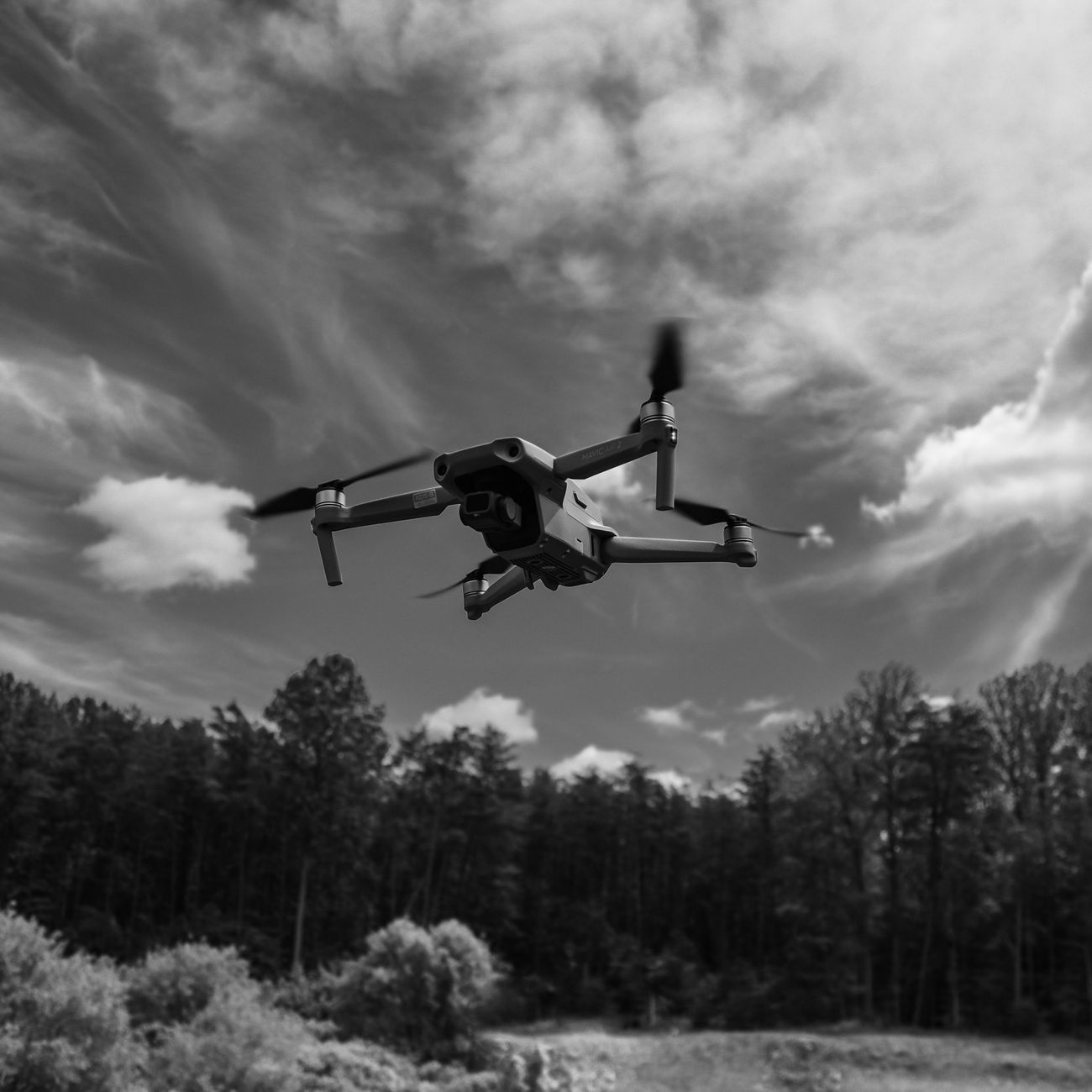
Drone Communication Systems refer to the methods and technologies used for commu… #
These systems are crucial for ensuring safe and reliable operation of drones, as they enable the transmission of commands, telemetry data, and video feeds between the drone and the operator.
Concept #
Concept
Drone Communication Systems encompass various components and protocols that allo… #
These systems typically include radio transmitters and receivers, antennas, data links, and communication protocols.
- Radio Transmitter: A device that sends out radio signals to communicate with t… #
- Radio Transmitter: A device that sends out radio signals to communicate with the drone.
- Radio Receiver: A device that receives radio signals from the drone #
- Radio Receiver: A device that receives radio signals from the drone.
- Antenna: A component that helps in the transmission and reception of radio sig… #
- Antenna: A component that helps in the transmission and reception of radio signals.
- Data Link: The connection that allows for the exchange of data between the dro… #
- Data Link: The connection that allows for the exchange of data between the drone and the ground control station.
- Communication Protocols: Standardized rules and formats for transmitting data… #
- Communication Protocols: Standardized rules and formats for transmitting data between devices.
Explanation #
Explanation
Drone Communication Systems play a critical role in enabling remote control and… #
These systems facilitate the transmission of commands from the operator to the drone, as well as the relay of telemetry data and video feeds back to the operator. By establishing a reliable communication link, operators can maintain situational awareness and control over the drone, ensuring safe and efficient operation.
Examples #
Examples
1. Remote Control #
A common application of Drone Communication Systems is remote control of the drone. The operator uses a radio transmitter to send commands to the drone, such as adjusting its flight path or changing its altitude.
2. Telemetry Data #
Drone Communication Systems also enable the transmission of telemetry data from the drone to the ground control station. This data includes information such as GPS coordinates, battery level, and sensor readings.
3. Video Feeds #
In many cases, drones are equipped with cameras that transmit live video feeds to the operator. Drone Communication Systems are used to relay these video feeds in real-time, allowing the operator to monitor the drone's surroundings.
Practical Applications #
Practical Applications
1. Aerial Photography and Videography #
Drone Communication Systems are essential for capturing high-quality aerial photos and videos. Operators can remotely control the drone's camera and view live video feeds to frame the shots effectively.
2. Search and Rescue Operations #
Drones equipped with communication systems can be used in search and rescue missions to locate missing persons or assess disaster-affected areas. The real-time transmission of video feeds and telemetry data helps rescuers make informed decisions.
3. Precision Agriculture #
In agriculture, drones with communication systems can be used to monitor crops, assess soil conditions, and apply fertilizers or pesticides with precision. The data collected by the drones can help farmers optimize their operations and improve crop yields.
Challenges #
Challenges
1. Signal Interference #
Drone Communication Systems are susceptible to signal interference from various sources, such as other electronic devices or environmental factors. This interference can disrupt the communication link between the drone and the ground control station.
2. Limited Range #
The range of Drone Communication Systems is limited by factors such as the power of the radio transmitter, the height of the drone, and obstacles in the environment. Operators need to be mindful of the range limitations to avoid losing control of the drone.
3. Data Security #
Ensuring the security of data transmitted through Drone Communication Systems is crucial to prevent unauthorized access or tampering. Operators must implement encryption and other security measures to protect sensitive information.
In conclusion, Drone Communication Systems are essential for enabling safe and e… #
By establishing reliable communication links between drones and ground control stations, operators can remotely control the drones, monitor their status, and transmit data in real-time. Understanding the components, protocols, and challenges associated with Drone Communication Systems is crucial for drone maintenance and repair specialists to ensure the proper functioning of these systems.