
Implementing AI Solutions
Expert-defined terms from the Professional Certificate in Artificial Intelligence for Effective ADHD Support course at LearnUNI. Free to read, free to share, paired with a professional course.
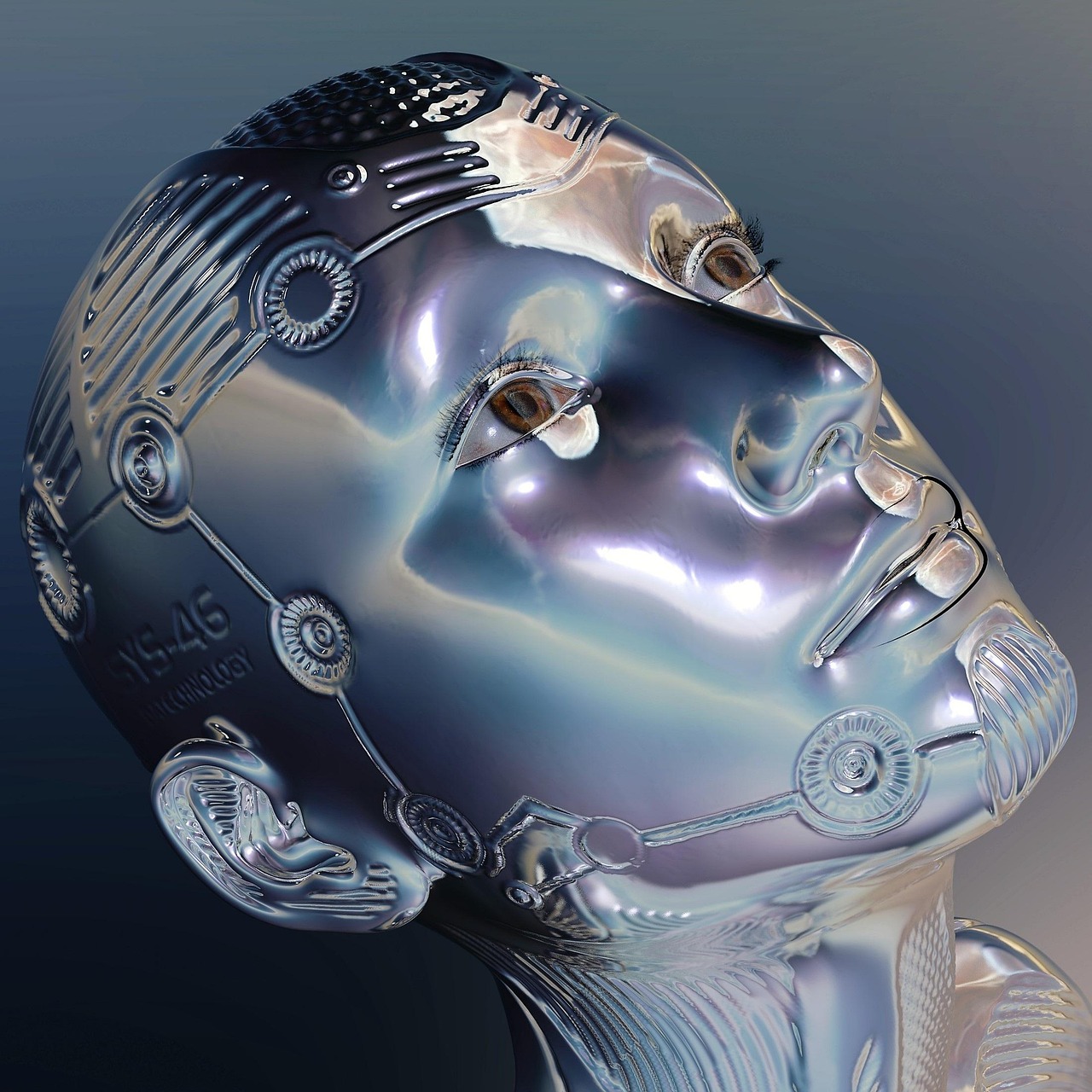
Artificial Intelligence (AI) #
Artificial Intelligence (AI)
Artificial Intelligence, commonly referred to as AI, is the simulation of human… #
These processes include learning, reasoning, problem-solving, perception, and decision-making. AI technologies enable machines to perform tasks that typically require human intelligence, such as visual perception, speech recognition, decision-making, and language translation. AI systems can be classified into three main categories: narrow AI, general AI, and superintelligent AI.
ADHD (Attention #
Deficit/Hyperactivity Disorder)
Attention #
Deficit/Hyperactivity Disorder, known as ADHD, is a neurodevelopmental disorder characterized by persistent patterns of inattention, hyperactivity, and impulsivity that can interfere with an individual's functioning or development. People with ADHD may have difficulties with organization, time management, focus, and impulse control. Implementing AI solutions can help support individuals with ADHD by providing personalized tools and strategies to improve their daily functioning and productivity.
Machine Learning #
Machine Learning
Machine Learning is a subset of artificial intelligence that focuses on the deve… #
Machine learning algorithms are designed to identify patterns in data and make intelligent decisions without being explicitly programmed. These algorithms can be categorized into three main types: supervised learning, unsupervised learning, and reinforcement learning.
Deep Learning #
Deep Learning
Deep Learning is a subfield of machine learning that uses artificial neural netw… #
Deep learning algorithms are inspired by the structure and function of the human brain, with interconnected layers of nodes that process information and learn from data. Deep learning is particularly effective for tasks such as image recognition, speech recognition, natural language processing, and autonomous driving.
Neural Networks #
Neural Networks
Neural Networks are a set of algorithms modeled after the human brain's structur… #
Neural networks consist of layers of interconnected nodes, or artificial neurons, that process information and pass it through the network. These networks can be used for tasks such as image recognition, voice recognition, and language translation. Implementing AI solutions often involves training neural networks on large datasets to improve their accuracy and performance.
Natural Language Processing (NLP) #
Natural Language Processing (NLP)
Natural Language Processing is a branch of artificial intelligence that focuses… #
NLP enables computers to understand, interpret, and generate human language, allowing for tasks such as text analysis, sentiment analysis, language translation, and chatbots. NLP technologies are essential for implementing AI solutions to support individuals with ADHD, as they can help improve communication, comprehension, and accessibility.
Reinforcement Learning #
Reinforcement Learning
Reinforcement Learning is a type of machine learning that focuses on training al… #
In reinforcement learning, an agent learns to interact with its environment by receiving feedback in the form of rewards or penalties based on its actions. This feedback loop enables the agent to optimize its behavior over time and learn the best strategies for achieving its objectives.
Supervised Learning #
Supervised Learning
Supervised Learning is a type of machine learning where algorithms are trained o… #
The goal of supervised learning is to learn a mapping from inputs to outputs, allowing the algorithm to make predictions on new, unseen data. Supervised learning is used for tasks such as classification, regression, and object detection, making it a valuable tool for implementing AI solutions in various domains, including ADHD support.
Unsupervised Learning #
Unsupervised Learning
Unsupervised Learning is a type of machine learning where algorithms are trained… #
The goal of unsupervised learning is to discover hidden patterns or structures in the data, such as clusters, associations, or anomalies. Unsupervised learning can be used for tasks such as clustering, dimensionality reduction, and anomaly detection, making it a powerful tool for exploring and analyzing complex datasets.
Computer Vision #
Computer Vision
Computer Vision is a field of artificial intelligence that focuses on enabling c… #
Computer vision algorithms can analyze and process images, videos, and other visual data to extract meaningful insights, recognize objects, and perform tasks such as image classification, object detection, and facial recognition. Implementing AI solutions with computer vision capabilities can enhance the support provided to individuals with ADHD by enabling visual aids and tools for improved learning and communication.
Recurrent Neural Networks (RNNs) #
Recurrent Neural Networks (RNNs)
Recurrent Neural Networks, or RNNs, are a type of neural network architecture de… #
RNNs have feedback connections that allow information to persist over time, making them well-suited for tasks that require context or memory. RNNs are commonly used for tasks such as language modeling, speech recognition, and sequence prediction, enabling the development of AI solutions that can adapt to sequential data and provide personalized support for individuals with ADHD.
Long Short #
Term Memory (LSTM)
Long Short #
Term Memory, or LSTM, is a type of recurrent neural network architecture designed to address the vanishing gradient problem in traditional RNNs. LSTM networks have memory cells that can store and retrieve information over long sequences, making them effective for learning patterns in time series data. LSTMs are commonly used for tasks such as speech recognition, machine translation, and handwriting recognition, enabling the development of AI solutions that can process and understand sequential data for supporting individuals with ADHD.
Generative Adversarial Networks (GANs) #
Generative Adversarial Networks (GANs)
Generative Adversarial Networks, or GANs, are a type of deep learning architectu… #
The generator network generates new data samples, such as images or text, while the discriminator network evaluates the generated samples for authenticity. GANs are used for tasks such as image generation, data augmentation, and style transfer, enabling the creation of AI solutions that can generate synthetic data or assistive tools for individuals with ADHD.
Attention Mechanism #
Attention Mechanism
Attention Mechanism is a technique used in neural networks to focus on specific… #
Attention mechanisms enable models to selectively attend to relevant information and ignore irrelevant details, improving their performance on tasks such as machine translation, image captioning, and speech recognition. Implementing AI solutions with attention mechanisms can enhance the support provided to individuals with ADHD by enabling personalized interventions and adaptive learning strategies based on their specific needs and preferences.
Transformer Architecture #
Transformer Architecture
Transformer Architecture is a deep learning model designed for sequence #
to-sequence tasks, such as language translation and text generation. The transformer architecture relies on self-attention mechanisms to capture long-range dependencies in input data and generate context-aware representations. Transformers have become popular for various natural language processing tasks due to their scalability, parallelizability, and ability to handle sequences of variable lengths. Implementing AI solutions with transformer architectures can improve the effectiveness of language models and communication tools for individuals with ADHD.
BERT (Bidirectional Encoder Representations from Transformers) #
BERT (Bidirectional Encoder Representations from Transformers)
BERT, short for Bidirectional Encoder Representations from Transformers, is a pr… #
BERT is trained on a large corpus of text data to learn contextual representations of words and sentences, enabling it to capture bidirectional dependencies in language. BERT has been widely adopted for tasks such as text classification, question answering, and sentiment analysis, making it a valuable tool for implementing AI solutions that require understanding and processing natural language for individuals with ADHD.
Reinforcement Learning for ADHD Support #
Reinforcement Learning for ADHD Support
Reinforcement Learning can be leveraged to develop AI solutions that provide per… #
By modeling the behaviors and preferences of individuals with ADHD as an agent interacting with its environment, reinforcement learning algorithms can recommend adaptive strategies, tools, and interventions to help manage symptoms and improve daily functioning. Reinforcement learning for ADHD support can enable the development of tailored interventions that address the unique needs and challenges faced by individuals with ADHD.
AI #
Powered Assistive Technologies
AI #
Powered Assistive Technologies are tools and solutions that leverage artificial intelligence to support individuals with disabilities, including ADHD. These technologies use machine learning, natural language processing, computer vision, and other AI techniques to provide personalized assistance, accommodations, and interventions for individuals with ADHD. AI-powered assistive technologies can include smart devices, applications, virtual assistants, and wearable sensors that help individuals with ADHD improve their focus, organization, time management, and communication skills.
Personalized Learning with AI #
Personalized Learning with AI
Personalized Learning with AI involves tailoring educational experiences, interv… #
By leveraging machine learning algorithms and data analytics, personalized learning systems can adapt content, pacing, and feedback to optimize learning outcomes for students with ADHD. AI-powered personalized learning platforms can provide adaptive exercises, recommendations, and feedback based on individual progress, performance, and engagement, enabling more effective and engaging educational experiences for individuals with ADHD.
AI #
Driven Behavior Tracking
AI #
Driven Behavior Tracking uses machine learning algorithms and sensor technologies to monitor and analyze behavioral patterns, habits, and activities of individuals with ADHD. By capturing data on attention, focus, impulsivity, and hyperactivity, AI-driven behavior tracking systems can generate insights, trends, and alerts to help individuals with ADHD and their caregivers understand and manage symptoms. These systems can provide real-time feedback, reminders, and interventions to support self-regulation, time management, and task completion for individuals with ADHD.
Smart Assistive Devices for ADHD #
Smart Assistive Devices for ADHD
Smart Assistive Devices for ADHD are wearable technologies, applications, and to… #
These devices can include smartwatches, smartphones, tablets, and other wearable sensors that track and analyze user behavior, routines, and preferences. Smart assistive devices for ADHD can offer features such as personalized reminders, alarms, timers, organization tools, and cognitive training exercises to help individuals with ADHD improve their executive functioning, time management, and productivity.
Emotion Recognition Technology #
Emotion Recognition Technology
Emotion Recognition Technology uses machine learning algorithms and computer vis… #
Emotion recognition technology can help individuals with ADHD and their caregivers better understand emotional states, stress levels, and mood fluctuations. By providing real-time feedback, insights, and interventions, emotion recognition technology can support emotion regulation, social skills development, and self-awareness for individuals with ADHD, enabling more effective communication and interpersonal interactions.
Virtual Reality Therapy for ADHD #
Virtual Reality Therapy for ADHD
Virtual Reality Therapy for ADHD utilizes immersive virtual environments and int… #
Virtual reality therapy can offer engaging, multisensory experiences that help individuals with ADHD improve attention, focus, impulse control, and executive functioning skills. By leveraging AI algorithms and real-time feedback mechanisms, virtual reality therapy for ADHD can tailor interventions, challenges, and rewards to the specific needs and progress of each individual, enhancing motivation, engagement, and learning outcomes.
Social Skills Training with AI #
Social Skills Training with AI
Social Skills Training with AI involves using artificial intelligence technologi… #
AI-powered social skills training programs can simulate social scenarios, provide real-time feedback on nonverbal cues, and offer strategies for effective communication and social engagement. By incorporating natural language processing, speech recognition, and sentiment analysis, social skills training with AI can enhance self-awareness, empathy, and social competence for individuals with ADHD, enabling more meaningful and successful social interactions.
Interactive Learning Environments #
Interactive Learning Environments
Interactive Learning Environments leverage artificial intelligence technologies… #
These environments can include virtual classrooms, interactive simulations, gamified exercises, and multimedia content that cater to diverse learning styles and preferences. By incorporating machine learning algorithms, natural language processing, and computer vision, interactive learning environments can provide real-time feedback, hints, and scaffolding to support individualized learning goals, enabling individuals with ADHD to enhance their academic performance, creativity, and problem-solving skills.
Augmented Reality Tools for ADHD Support #
Augmented Reality Tools for ADHD Support
Augmented Reality Tools for ADHD Support use AI #
powered simulations, visual aids, and interactive overlays to enhance sensory experiences and facilitate learning, organization, and communication for individuals with ADHD. Augmented reality tools can provide interactive visualizations, virtual guides, and spatial cues to help individuals with ADHD improve their attention, focus, and task completion. By integrating computer vision, gesture recognition, and spatial mapping, augmented reality tools for ADHD support can create immersive, engaging, and accessible learning environments that cater to diverse learning preferences and abilities.
Speech Recognition Assistive Technologies #
Speech Recognition Assistive Technologies
Speech Recognition Assistive Technologies use natural language processing and ma… #
Speech recognition technologies can convert spoken words into text, enable hands-free operation of devices, and provide real-time feedback on pronunciation and fluency. By incorporating voice-controlled interfaces, dictation tools, and virtual assistants, speech recognition assistive technologies can enhance communication, accessibility, and productivity for individuals with ADHD, enabling them to overcome language barriers and improve their cognitive and language skills.
AI #
Enhanced Time Management Tools
AI #
Enhanced Time Management Tools leverage machine learning algorithms and data analytics to help individuals with ADHD plan, organize, and prioritize their tasks, appointments, and responsibilities effectively. These tools can include smart calendars, task managers, reminders, and scheduling assistants that use predictive algorithms to optimize time allocation and reduce cognitive overload. By analyzing user behavior, preferences, and habits, AI-enhanced time management tools can provide personalized recommendations, alerts, and reminders to support efficient time management, goal setting, and task completion for individuals with ADHD, enabling them to improve their productivity and daily functioning.
Adaptive Learning Platforms for ADHD #
Adaptive Learning Platforms for ADHD
Adaptive Learning Platforms for ADHD use artificial intelligence technologies to… #
These platforms can adapt the difficulty level, content sequence, and feedback based on real-time performance data and user interactions. By incorporating machine learning models, adaptive algorithms, and personalized recommendations, adaptive learning platforms can provide targeted interventions, enrichment activities, and scaffolding to help students with ADHD overcome learning challenges, enhance their motivation, and achieve academic success.
Behavioral Analytics and Insights #
Behavioral Analytics and Insights
Behavioral Analytics and Insights leverage data analytics and machine learning a… #
By tracking and monitoring key behavioral indicators, such as attention, focus, motivation, and task completion, behavioral analytics systems can identify trends, anomalies, and opportunities for intervention. These insights can help individuals with ADHD and their caregivers better understand habits, triggers, and challenges, enabling them to implement effective strategies, accommodations, and support systems to improve daily functioning and well-being.
Deep Reinforcement Learning for ADHD Interventions #
Deep Reinforcement Learning for ADHD Interventions
Deep Reinforcement Learning combines deep learning and reinforcement learning te… #
By training deep neural networks to learn optimal policies for decision-making in dynamic environments, deep reinforcement learning algorithms can recommend adaptive treatments, cognitive-behavioral strategies, and executive functioning tools to help individuals with ADHD manage symptoms and improve their daily functioning. Deep reinforcement learning for ADHD interventions can enable the development of intelligent systems that adapt to individual needs, preferences, and progress, enhancing the effectiveness and personalization of support services for individuals with ADHD.
AI #
Powered Cognitive Training Programs
AI #
Powered Cognitive Training Programs use artificial intelligence technologies to offer personalized exercises, games, and interventions that target specific cognitive skills, such as attention, memory, executive functioning, and problem-solving abilities, for individuals with ADHD. These programs can adapt the difficulty level, pacing, and content based on user performance data and learning preferences. By incorporating machine learning algorithms, adaptive algorithms, and real-time feedback mechanisms, AI-powered cognitive training programs can enhance cognitive skills, self-regulation, and academic performance for individuals with ADHD, enabling them to improve their cognitive abilities and overcome learning challenges.
Virtual Assistants for ADHD Management #
Virtual Assistants for ADHD Management
Virtual Assistants for ADHD Management are AI #
powered tools that provide personalized reminders, recommendations, and support for individuals with ADHD to help them manage their tasks, appointments, and responsibilities effectively. These virtual assistants can offer voice-controlled interfaces, task managers, and scheduling tools that use natural language processing and machine learning algorithms to understand user preferences and habits. By analyzing user behavior, routines, and goals, virtual assistants for ADHD management can provide tailored suggestions, prompts, and reminders to support time management, organization, and productivity for individuals with ADHD, enabling them to improve their daily functioning and well-being.
AI #
Driven Cognitive Behavioral Therapy
AI #
Driven Cognitive Behavioral Therapy uses artificial intelligence technologies to deliver personalized cognitive-behavioral interventions, strategies, and tools for individuals with ADHD to help them manage symptoms, improve coping skills, and enhance well-being. By analyzing user behavior, emotions, and cognitive patterns, AI-driven cognitive behavioral therapy systems can provide real-time feedback, insights, and exercises to support emotional regulation, stress management, and problem-solving skills. These systems can offer interactive exercises, mood tracking tools, and cognitive restructuring techniques to help individuals with ADHD develop adaptive coping strategies, self-awareness, and resilience, enabling them to overcome challenges and achieve better mental health outcomes.
AI #
Enabled Social Communication Tools
AI #
Enabled Social Communication Tools leverage natural language processing, sentiment analysis, and social network analysis to help individuals with ADHD improve their social interactions, communication skills, and relationships. These tools can include chatbots, social media platforms, and virtual communities that provide opportunities for social engagement, peer support, and skill development. By analyzing user interactions, sentiments, and conversational patterns, AI-enabled social communication tools can offer personalized feedback, suggestions, and prompts to enhance social skills, empathy, and self-expression for individuals with ADHD, enabling them to build meaningful connections and navigate social situations effectively.
Personalized Behavior Modification Programs #
Personalized Behavior Modification Programs
Personalized Behavior Modification Programs use artificial intelligence technolo… #
These programs can analyze user behavior, goals, and preferences to provide personalized incentives, reminders, and feedback to support behavior change and self-regulation. By incorporating machine learning algorithms, reinforcement learning techniques, and real-time feedback mechanisms, personalized behavior modification programs can help individuals with ADHD develop healthy habits, improve self-management skills, and achieve their goals, enabling them to enhance their well-being and quality of life.