
Crisis Management and Response
Expert-defined terms from the Professional Certificate in Joint Force Command and Operations course at LearnUNI. Free to read, free to share, paired with a professional course.
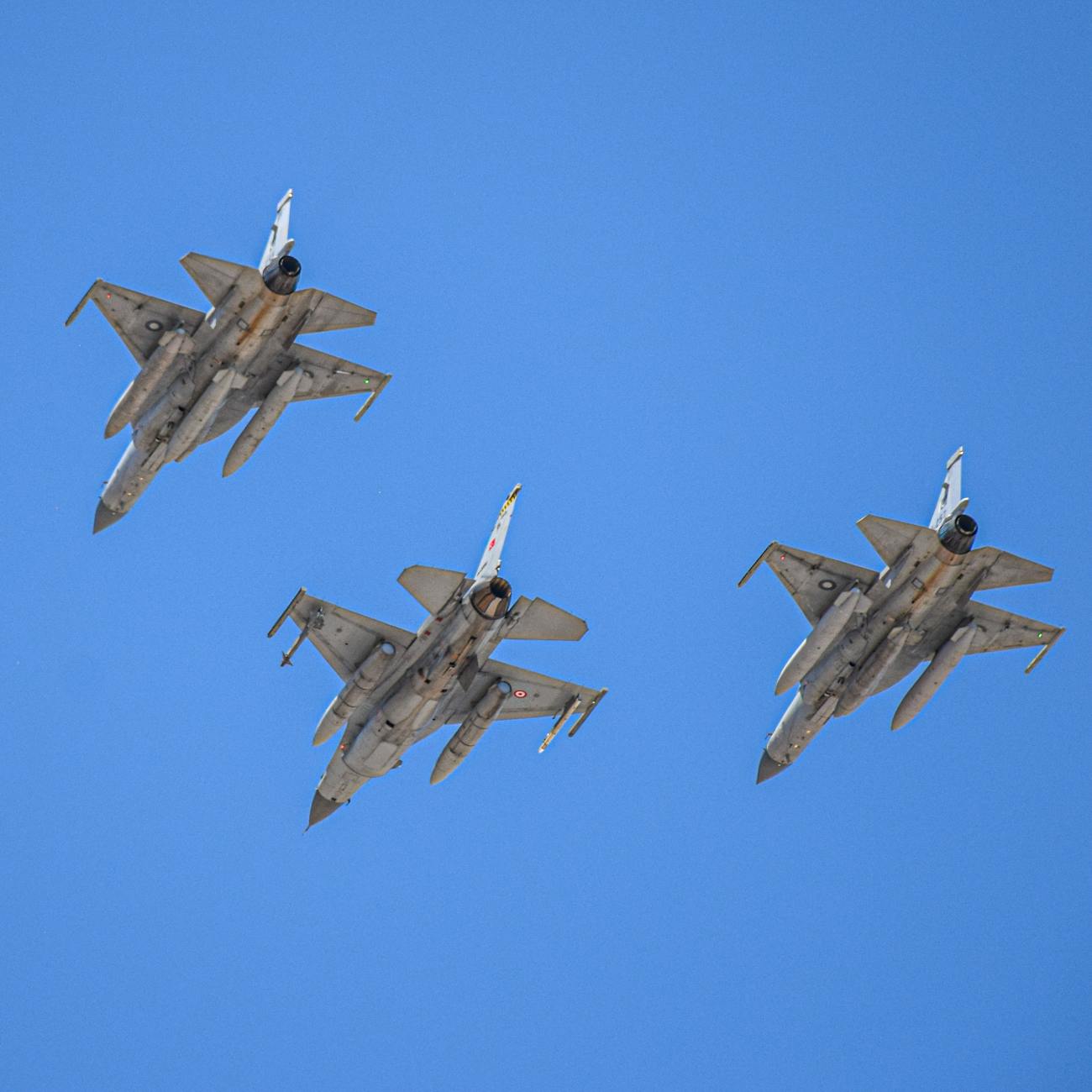
**Adaptive Planning** #
**Adaptive Planning**
Adaptive planning is a process of continuously updating and revising plans in re… #
It involves a flexible, iterative approach that allows for the integration of new information and the adjustment of plans as necessary. Adaptive planning is an important component of crisis management and response, as it enables organizations to respond effectively to unexpected developments and to maintain the initiative in a dynamic environment.
**Civil #
Military Cooperation (CIMIC)**
Civil #
Military Cooperation (CIMIC) is the practice of coordinating the activities of military forces and civil authorities in order to achieve common objectives in a crisis situation. CIMIC involves the establishment of relationships and communication channels between military and civilian organizations, as well as the development of joint plans and operations. CIMIC is an important aspect of crisis management and response, as it helps to ensure that military actions are coordinated with and supportive of civilian efforts to address the crisis.
**Command and Control (C2)** #
**Command and Control (C2)**
Command and Control (C2) is the process of directing and controlling military fo… #
C2 involves the exercise of authority and direction by a commander over assigned forces, and includes the planning, coordination, and execution of operations. C2 is a critical component of crisis management and response, as it enables military forces to act effectively and efficiently in a crisis situation.
**Crisis Action Planning (CAP)** #
**Crisis Action Planning (CAP)**
Crisis Action Planning (CAP) is the process of developing and implementing plans… #
CAP involves the integration of information from a variety of sources, including intelligence, diplomacy, and military operations, in order to create a comprehensive plan of action. CAP is an iterative process that is continuously updated and revised in response to changing circumstances.
**Crisis Management** #
**Crisis Management**
Crisis management is the process of planning for, responding to, and recovering… #
Crisis management involves the integration of activities from a variety of organizations and sectors, including government, military, private industry, and non-governmental organizations. Crisis management is an essential component of joint force command and operations, as it enables military forces to effectively respond to and manage crises in a coordinated and efficient manner.
**Crisis Response** #
**Crisis Response**
Crisis response is the process of taking immediate action to address a crisis si… #
Crisis response involves the deployment of resources and the implementation of plans to stabilize the situation and prevent further harm. Crisis response is a critical component of crisis management, as it enables military forces to quickly and effectively address the challenges posed by a crisis.
**Decision Making** #
**Decision Making**
Decision making is the process of selecting a course of action from among multip… #
Decision making is an essential component of crisis management and response, as it enables military commanders to make informed decisions in a rapidly changing environment. Decision making involves the integration of information from a variety of sources, including intelligence, diplomacy, and military operations, in order to create a comprehensive plan of action.
**Disaster Management** #
**Disaster Management**
Disaster management is the process of planning for, responding to, and recoverin… #
Disaster management involves the integration of activities from a variety of organizations and sectors, including government, military, private industry, and non-governmental organizations. Disaster management is an essential component of joint force command and operations, as it enables military forces to effectively respond to and manage disasters in a coordinated and efficient manner.
**Emergency Management** #
**Emergency Management**
Emergency management is the process of preparing for, responding to, and recover… #
Emergency management involves the integration of activities from a variety of organizations and sectors, including government, military, private industry, and non-governmental organizations. Emergency management is an essential component of joint force command and operations, as it enables military forces to effectively respond to and manage emergencies in a coordinated and efficient manner.
**Emergency Response** #
**Emergency Response**
Emergency response is the process of taking immediate action to address an emerg… #
Emergency response involves the deployment of resources and the implementation of plans to stabilize the situation and prevent further harm. Emergency response is a critical component of emergency management, as it enables military forces to quickly and effectively address the challenges posed by an emergency.
**Humanitarian Assistance** #
**Humanitarian Assistance**
Humanitarian assistance is the provision of aid and support to people in need, p… #
Humanitarian assistance can take many forms, including the provision of food, water, shelter, medical care, and other essential services. Humanitarian assistance is an important aspect of crisis management and response, as it helps to alleviate suffering and support the recovery of affected communities.
**Joint Force Command** #
**Joint Force Command**
Joint Force Command is the coordination and direction of military forces from mu… #
Joint Force Command involves the integration of land, air, and sea capabilities, as well as the coordination of efforts between different organizations and sectors. Joint Force Command is a critical component of crisis management and response, as it enables military forces to act effectively and efficiently in a crisis situation.
**Joint Operational Planning** #
**Joint Operational Planning**
Joint Operational Planning is the process of developing and implementing plans f… #
Joint Operational Planning involves the integration of information from a variety of sources, including intelligence, diplomacy, and military operations, in order to create a comprehensive plan of action. Joint Operational Planning is an iterative process that is continuously updated and revised in response to changing circumstances.
**Military Operations** #
**Military Operations**
Military operations are the actions taken by military forces in the pursuit of o… #
Military operations can include a wide range of activities, including combat, peacekeeping, humanitarian assistance, and disaster response. Military operations are a critical component of crisis management and response, as they enable military forces to effectively address the challenges posed by a crisis.
**Operational Planning** #
**Operational Planning**
Operational planning is the process of developing and implementing plans for the… #
Operational planning involves the integration of information from a variety of sources, including intelligence, diplomacy, and military operations, in order to create a comprehensive plan of action. Operational planning is an iterative process that is continuously updated and revised in response to changing circumstances.
**Peacekeeping** #
**Peacekeeping**
Peacekeeping is the use of military forces to maintain or restore peace in a cri… #
Peacekeeping can take many forms, including the deployment of troops, the establishment of safe zones, and the provision of humanitarian assistance. Peacekeeping is an important aspect of crisis management and response, as it helps to stabilize crisis situations and support the recovery of affected communities.
**Unified Command** #
**Unified Command**
Unified Command is the coordination and direction of military forces from multip… #
Unified Command involves the integration of land, air, and sea capabilities, as well as the coordination of efforts between different organizations and sectors. Unified Command is a critical component of crisis management and response, as it enables military forces to act effectively and efficiently in a crisis situation.
**Whole of Government Approach** #
**Whole of Government Approach**
A Whole of Government Approach refers to the integration of activities from mult… #
A Whole of Government Approach enables military forces to coordinate their efforts with those of other government agencies and sectors, resulting in a more effective and efficient response to a crisis. A Whole of Government Approach is an essential component of joint force command and operations, as it enables military forces to work seamlessly with other government agencies and sectors to address the challenges posed by a crisis.