
Introduction to Renewable Energy Directives
Expert-defined terms from the Professional Certificate in Renewable Energy Directives course at LearnUNI. Free to read, free to share, paired with a professional course.
**Absorption chiller #
** A device that uses heat to create cooling. It can be powered by renewable energy sources such as solar thermal energy or geothermal energy.
**Active solar power system #
** A solar power system that uses mechanical or electrical devices to collect, convert, and distribute solar energy. This includes photovoltaic (PV) systems and solar thermal systems.
**Average daily global solar radiation #
** The amount of solar radiation that a location receives on average per day. It is measured in watt-hours per square meter (Wh/m²).
**Biomass #
** Organic matter, such as wood, agricultural waste, or municipal solid waste, that can be converted into fuel or electricity.
**Biomass power plant #
** A power plant that generates electricity by burning biomass.
**Carbon footprint #
** The total amount of greenhouse gases produced to directly and indirectly support human activities, usually expressed in equivalent tons of carbon dioxide (CO2).
**Concentrated solar power (CSP) #
** A type of solar power system that uses mirrors or lenses to concentrate a large area of sunlight onto a small area. The concentrated sunlight is then used to generate heat, which is converted into electricity.
**Demand #
side management (DSM):** The practice of using various strategies to reduce energy demand during peak times, such as using energy-efficient appliances or shifting energy usage to off-peak hours.
**Distributed generation (DG) #
** The generation of electricity from small-scale power sources that are located close to the point of use.
**Electricity grid #
** A network of power lines and transformers that transmit and distribute electricity from power plants to consumers.
**Embodied energy #
** The total amount of energy required to produce a good or service, including the energy used to extract, process, transport, and dispose of the materials used in its production.
**Energy audit #
** A survey and analysis of a building or facility's energy use and efficiency.
**Energy efficiency #
** The use of less energy to perform the same function.
**Energy efficiency ratio (EER) #
** A measure of the efficiency of an air-conditioning or heating system. It is the ratio of the system's cooling or heating capacity (in British thermal units per hour, or Btu/h) to the power input (in watts).
**Energy service company (ESCO) #
** A company that provides energy efficiency services, such as energy audits, retrofits, and operations and maintenance, to commercial and industrial customers.
**Energy storage #
** The capture of energy produced at one time for use at a later time.
**Feed #
in tariff (FIT):** A policy that requires utility companies to purchase renewable energy from independent power producers at a fixed price.
**Geothermal energy #
** Heat energy from the Earth's interior that can be used to generate electricity or provide heating and cooling.
**Greenhouse gas (GHG) #
** A gas that traps heat in the atmosphere, contributing to global warming and climate change. The most common greenhouse gases are carbon dioxide (CO2), methane (CH4), and nitrous oxide (N2O).
**Heat pump #
** A device that uses a small amount of energy to move heat from one place to another, providing heating and cooling.
**Hydroelectric power #
** Electricity generated by using the energy of flowing or falling water.
**Inverter #
** A device that converts direct current (DC) from a renewable energy source, such as solar panels or wind turbines, into alternating current (AC) that can be used by the electricity grid.
**Life #
cycle assessment (LCA):** A method for evaluating the environmental impact of a product or service, including all stages of its life cycle, from raw material extraction to disposal.
**Net metering #
** A policy that allows customers with renewable energy systems, such as solar panels or wind turbines, to receive credit for excess electricity they generate and feed back into the electricity grid.
**Passive solar power system #
** A solar power system that uses natural means, such as windows and insulation, to collect, convert, and distribute solar energy.
**Photovoltaic (PV) system #
** A system that converts sunlight directly into electricity using solar panels.
**Renewable energy certificate (REC) #
** A tradable certificate that represents proof that one megawatt-hour (MWh) of renewable energy has been generated and fed into the electricity grid.
**Renewable portfolio standard (RPS) #
** A policy that requires utility companies to generate a certain percentage of their electricity from renewable energy sources.
**Solar thermal energy #
** Heat energy from the Sun that can be used for hot water, heating, and cooling.
**Thin #
film solar panel:** A type of solar panel made from thin layers of photovoltaic material, such as amorphous silicon or cadmium telluride.
**Tracking system #
** A system that moves solar panels or mirrors to follow the Sun's movement, maximizing the amount of sunlight they receive.
**Utility #
scale renewable energy:** Renewable energy projects that generate electricity on a large scale, typically for sale to utility companies.
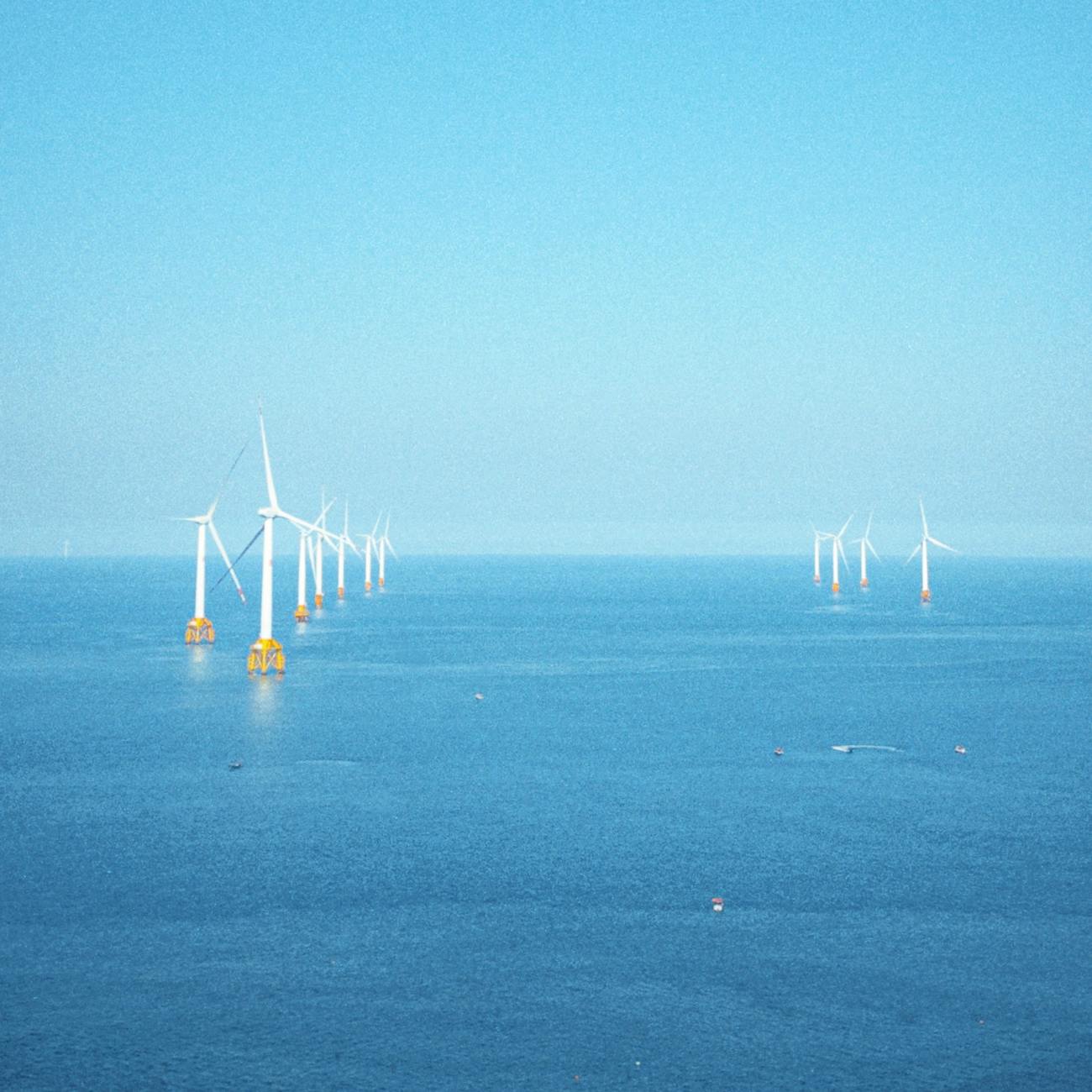
**Wind turbine #
** A machine that converts the kinetic energy of wind into mechanical or electrical energy.
**Wind power #
** Electricity generated by using the energy of wind.
** Zero net energy building #
** A building that produces as much energy as it consumes on an annual basis.