
* Protecting Immovable Cultural Heritage
Expert-defined terms from the Global Certificate in Cultural Heritage Law course at LearnUNI. Free to read, free to share, paired with a professional course.
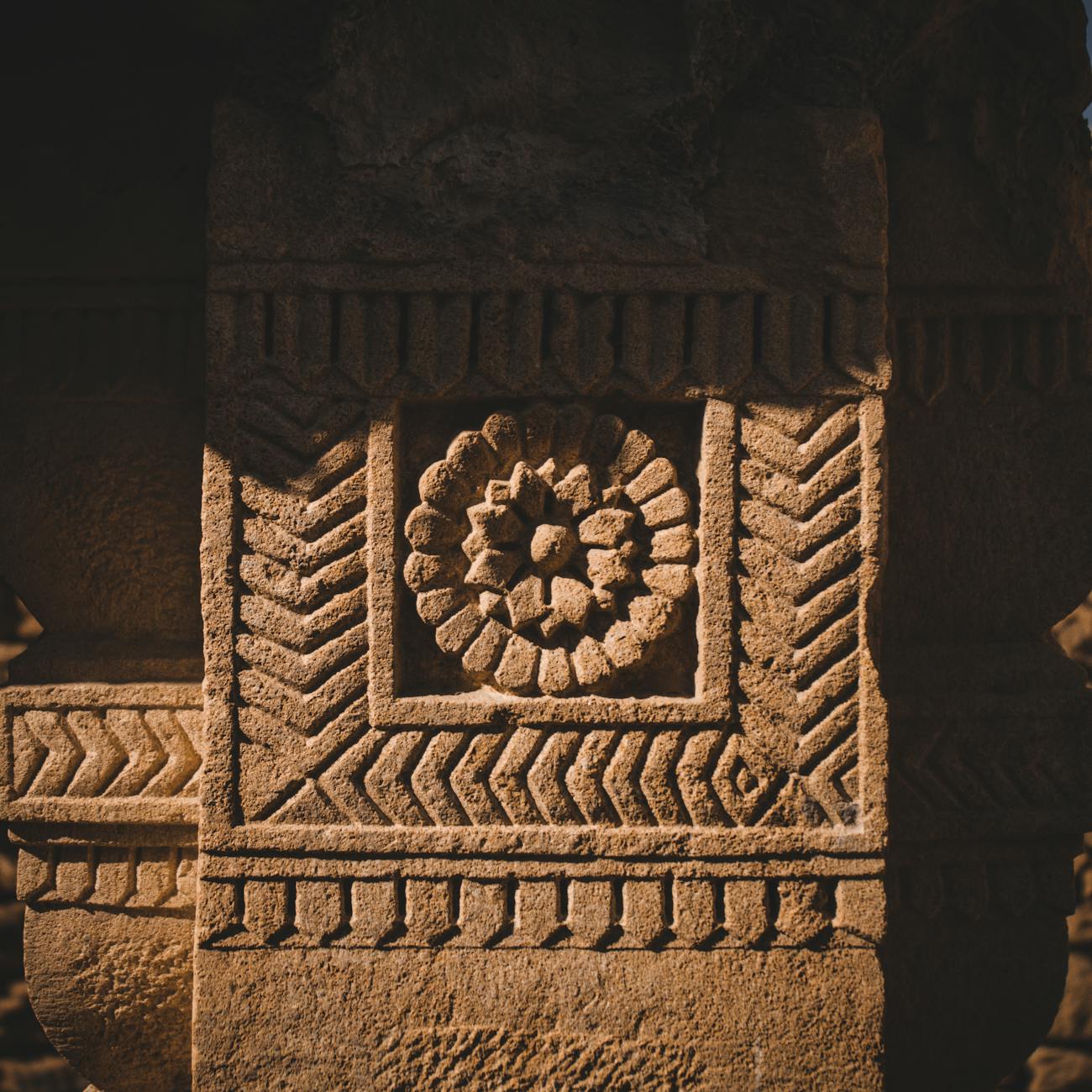
**Archaeological site #
** A specific location where artifacts or other evidence of past human activity are located. This can include anything from ancient ruins to a field where artifacts have been discovered. Archaeological sites are often protected by law due to their cultural and historical significance.
**Cultural heritage #
** Refers to the cultural and historical resources that a society inherits from past generations, including art, architecture, historical sites, monuments, and traditions. Cultural heritage is often protected by law due to its importance in preserving a community's identity and history.
**Cultural heritage law #
** A branch of law that deals with the protection and preservation of cultural heritage resources, including both tangible and intangible heritage. Cultural heritage law covers a wide range of issues, including the protection of archaeological sites, the regulation of cultural property trade, and the preservation of traditional knowledge and practices.
**Cultural property #
** Any movable or immovable object that has cultural, historical, or artistic significance. Cultural property can include anything from paintings and sculptures to historic buildings and archaeological sites. Many countries have laws in place to protect cultural property from destruction, theft, or illegal trade.
**Cultural property treaties #
** International agreements that aim to protect cultural property during times of war and conflict. The most well-known cultural property treaty is the 1954 Hague Convention for the Protection of Cultural Property in the Event of Armed Conflict.
**Cultural tourism #
** A type of tourism that focuses on visiting cultural heritage sites and experiencing the cultural traditions and practices of a community. Cultural tourism can be a valuable source of income for local communities, but it can also put pressure on cultural heritage resources and lead to their degradation or destruction.
**Global Certificate in Cultural Heritage Law #
** A professional development program that provides participants with a comprehensive understanding of the legal frameworks and best practices for protecting and preserving cultural heritage resources.
**Heritage impact assessment #
** An assessment of the potential impact of a development project on a cultural heritage resource. A heritage impact assessment takes into account the cultural, historical, and archaeological significance of the resource, as well as the potential impact of the project on the resource's physical condition.
**Historic preservation #
** The process of identifying, protecting, and preserving cultural heritage resources that have historical or cultural significance. Historic preservation can include everything from restoring historic buildings to preserving traditional knowledge and practices.
**Illicit trade in cultural property #
** The illegal trade in cultural heritage resources, including art, antiquities, and historical artifacts. The illicit trade in cultural property is a major problem worldwide, with many cultural heritage resources being stolen, looted, or illegally exported.
**Intangible cultural heritage #
** Cultural heritage that is not physical in nature, but rather consists of practices, traditions, and expressions that are passed down from generation to generation. Examples of intangible cultural heritage include traditional music, dance, and storytelling.
**Monument #
** A structure or building that has cultural, historical, or artistic significance and is often protected by law. Monuments can include anything from ancient ruins to modern buildings.
**Site management plan #
** A plan that outlines the management and preservation of a cultural heritage site. A site management plan takes into account the cultural, historical, and archaeological significance of the site, as well as the potential impact of development or tourism on the site.
**Tangible cultural heritage #
** Cultural heritage that is physical in nature, such as buildings, monuments, and artifacts. Tangible cultural heritage is often protected by law due to its cultural and historical significance.
**Traditional knowledge #
** Knowledge that is passed down from generation to generation within a community and is often related to cultural practices and traditions. Traditional knowledge is often protected by cultural heritage law due to its importance in preserving a community's identity and history.
**UNESCO #
** The United Nations Educational, Scientific and Cultural Organization, which is responsible for promoting international cooperation in education, science, and culture. UNESCO is responsible for implementing a number of cultural heritage conventions and recommendations, including the 1972 World Heritage Convention and the 2003 Convention for the Safeguarding of the Intangible Cultural Heritage.
**World Heritage Site #
** A cultural or natural site that is considered to be of outstanding universal value and is protected by the 1972 World Heritage Convention. World Heritage Sites are designated by UNESCO and are often considered to be some of the most important cultural heritage resources in the world.
**Cultural heritage law** is a complex and rapidly evolving field that deals wit… #
Cultural heritage law covers a wide range of issues, including the protection of archaeological sites, the regulation of cultural property trade, and the preservation of traditional knowledge and practices.
One of the most pressing issues in the field of cultural heritage law is the ill… #
The illegal trade in cultural heritage resources, including art, antiquities, and historical artifacts, is a major problem worldwide, with many cultural heritage resources being stolen, looted, or illegally exported. This not only results in the loss of valuable cultural heritage resources, but also often funds criminal organizations and terrorist groups.
Cultural heritage law seeks to address this issue by regulating the trade in cul… #
Many countries have laws in place to protect cultural property from destruction, theft, or illegal trade. Additionally, there are several international agreements, such as the 1970 UNESCO Convention on the Means of Prohibiting and Preventing the Illicit Import, Export and Transfer of Ownership of Cultural Property, that aim to protect cultural property from illicit trade.
Another important issue in cultural heritage law is the protection of archaeolog… #
Archaeological sites are often threatened by development, tourism, and looting, which can result in the loss of valuable cultural heritage resources. Cultural heritage law seeks to address this issue by regulating development and tourism activities near archaeological sites and by imposing strict penalties for looting.
Cultural heritage law also deals with the preservation of traditional knowledge… #
Traditional knowledge and practices are often passed down from generation to generation within a community and are an important part of a community's identity and history. However, these practices are often threatened by globalization and modernization. Cultural heritage law seeks to protect traditional knowledge and practices by recognizing and protecting the intellectual property rights of indigenous and local communities.
Cultural heritage law also addresses the issue of cultural tourism #
Cultural tourism can be a valuable source of income for local communities, but it can also put pressure on cultural heritage resources and lead to their degradation or destruction. Cultural heritage law seeks to address this issue by regulating tourism activities near cultural heritage sites and by imposing strict penalties for damage or destruction of cultural heritage resources.
Cultural heritage law also addresses the issue of site management plan #
A site management plan outlines the management and preservation of a cultural heritage site. A site management plan takes into account the cultural, historical, and archaeological significance of the site, as well as the potential impact of development or tourism on the site. This plan helps to ensure that cultural heritage sites are preserved for future generations and that they are used in a sustainable and responsible manner.
Cultural heritage law also deals with the issue of intangible cultural heritage #
Intangible cultural heritage, such as traditional music, dance, and storytelling, is often passed down from generation to generation within a community. These practices are an important part of a community's identity and history, but they are often threatened by globalization and modernization. Cultural heritage law seeks to protect intangible cultural heritage by recognizing and protecting the intellectual property rights of indigenous and local communities.
Cultural heritage law is a complex and rapidly evolving field that deals with a… #
From the regulation of cultural property trade to the preservation of traditional knowledge and practices, cultural heritage law plays a vital role in preserving the cultural and historical resources that communities inherit from past generations.
In summary, cultural heritage law is a field that deals with the protection and… #
This field covers a wide range of issues, including the protection of archaeological sites, the regulation of cultural property trade, and the preservation of traditional knowledge and practices. Cultural heritage law is a complex and rapidly evolving field that is essential for preserving the cultural and historical resources that communities inherit from past generations.
Examples of cultural heritage law in practice include the 1972 World Heritage Co… #
Additionally, many countries have laws in place to protect cultural heritage resources, such as the National Historic Preservation Act in the United States, which establishes a process for identifying, evaluating, and protecting historic