
Effective Use of Cleaning Agents in Sauna Environments
Expert-defined terms from the Professional Certificate in Cleaning and Disinfection for Saunas (Ireland) course at LearnUNI. Free to read, free to share, paired with a professional course.
Acidity #
Acidity
Explanation #
Acidity refers to the concentration of hydrogen ions in a solution, expressed as pH. In sauna cleaning, maintaining appropriate acidity is crucial because many cleaning agents are formulated to work optimally within a specific pH range. Too acidic a solution can corrode metal components such as heater elements, while insufficient acidity may reduce the effectiveness of acid‑based descalers. Example: A citric‑based cleaner used at pH 2.5 Efficiently dissolves calcium deposits on sauna stones without damaging stainless‑steel rails. Challenges include monitoring pH after dilution, especially when using hard water that can raise alkalinity and shift the pH upward, potentially necessitating the addition of a pH adjuster.
Alkaline cleaners #
Alkaline cleaners
Explanation #
Alkaline cleaners contain basic compounds such as sodium hydroxide or potassium carbonate that raise the pH of the cleaning solution. They are effective at breaking down organic soils, oils, and greases common on sauna benches and walls. The high pH promotes saponification, converting fats into soluble soaps. Example: An alkaline surfactant applied to wooden paneling removes perspiration residues while preserving the wood’s natural finish if the concentration is kept below 5 %. Over‑application can lead to surface etching or discoloration, especially on varnished wood, making precise dilution and thorough rinsing essential.
Antimicrobial efficacy #
Antimicrobial efficacy
Explanation #
Antimicrobial efficacy measures a cleaning agent’s ability to reduce or eliminate microorganisms to a defined level, often expressed as a log reduction. For sauna environments, agents must achieve at least a 4‑log reduction of common pathogens such as Staphylococcus aureus and Escherichia coli. Efficacy is influenced by contact time, temperature, and organic load. Validation testing under simulated sauna conditions (high humidity, 80–90 °C) ensures the product performs as claimed. A challenge is that the elevated temperature can both enhance and inhibit activity, requiring specific efficacy data for each temperature range.
Application rate #
Application rate
Explanation #
Application rate defines the amount of cleaning solution applied per unit area, usually expressed in milliliters per square meter. Correct rate ensures sufficient active ingredient to achieve the desired antimicrobial effect without waste. In a sauna, excessive application can lead to pooling, which may cause slip hazards or damage wooden surfaces. Conversely, under‑application may leave residual microbes. Example: Applying 150 ml m⁻² of a neutral disinfectant with a 5‑minute dwell time provides consistent coverage on bench surfaces while preventing excess moisture accumulation.
Application method #
Application method
Explanation #
The method used to deliver a cleaning agent influences efficacy, safety, and material compatibility. Spraying is common for large surface areas, while wiping ensures controlled distribution and removal of soils. Immersion is suitable for removable components like sauna stones, and fogging can disinfect confined spaces without direct contact. In high‑heat saunas, aerosolized agents may vaporize rapidly, reducing contact time; therefore, selecting a method that maintains solution integrity is critical. Challenges include ensuring uniform distribution on uneven wooden benches and avoiding overspray onto electrical components.
Aqueous dilution #
Aqueous dilution
Explanation #
Aqueous dilution involves mixing a concentrated cleaning agent with water to achieve the working concentration. Accurate dilution is essential for both efficacy and safety; an overly concentrated solution can corrode metal parts, while an under‑diluted solution may not meet antimicrobial standards. Water hardness can affect the solubility of certain agents, leading to precipitation or reduced activity. Example: Using a calibrated measuring cup to mix 30 ml of a 10 % chlorine‑based disinfectant with 3 l of soft water yields the recommended 100 ppm free chlorine for sauna surface disinfection.
Aromatherapy oil compatibility #
Aromatherapy oil compatibility
Explanation #
Aromatherapy oils are often added to sauna environments for therapeutic benefits but may interact with cleaning agents. Certain essential oils, such as eucalyptus or tea tree, possess mild antimicrobial properties but can also react with oxidizing agents, reducing overall efficacy or creating unwanted residues. Compatibility testing ensures that the cleaning regimen does not degrade the aromatic profile or cause discoloration of wood. Example: A silicone‑based cleaner is compatible with pine‑scented oils, allowing routine cleaning without diminishing the desired fragrance. Incompatibility may require a separate cleaning schedule before oil application.
Biocidal spectrum #
Biocidal spectrum
Explanation #
The biocidal spectrum describes the range of microorganisms a cleaning agent can inactivate, including bacteria, viruses, fungi, and spores. Sauna cleaning typically requires agents effective against Gram‑positive and Gram‑negative bacteria, as well as common fungi like Aspergillus. A broad‑spectrum disinfectant simplifies protocol by covering multiple pathogen types, but may be more corrosive. Selecting a product with a defined spectrum matching the risk assessment of the sauna ensures optimal protection while minimizing unnecessary chemical exposure.
Biofilm formation #
Biofilm formation
Explanation #
Biofilms are structured communities of microorganisms encased in a protective extracellular matrix that adheres to surfaces. In sauna environments, moisture‑rich niches such as grout lines or under‑bench fittings can foster biofilm development, shielding microbes from standard cleaning agents. Disruption requires mechanical action (scrubbing) combined with agents possessing biofilm‑penetrating properties, such as surfactants or enzymatic cleaners. Failure to address biofilms can lead to persistent odors and heightened infection risk. Example: Applying a biodegradable enzyme cleaner before a chlorine‑based disinfectant effectively reduces biofilm mass on tiled sauna walls.
Buffering agents #
Buffering agents
Explanation #
Buffering agents maintain the pH of a cleaning solution within a narrow range, counteracting fluctuations caused by water chemistry or organic load. Common buffers include phosphate salts and borates. In sauna cleaning, a stable pH ensures consistent antimicrobial activity, especially for agents that are pH‑dependent, such as peracetic acid. Over‑buffering can hinder the intended pH shift of acid or alkaline cleaners, reducing their effectiveness. Proper selection of buffer concentration is essential to balance stability with functional performance.
Calcium deposits #
Calcium deposits
Explanation #
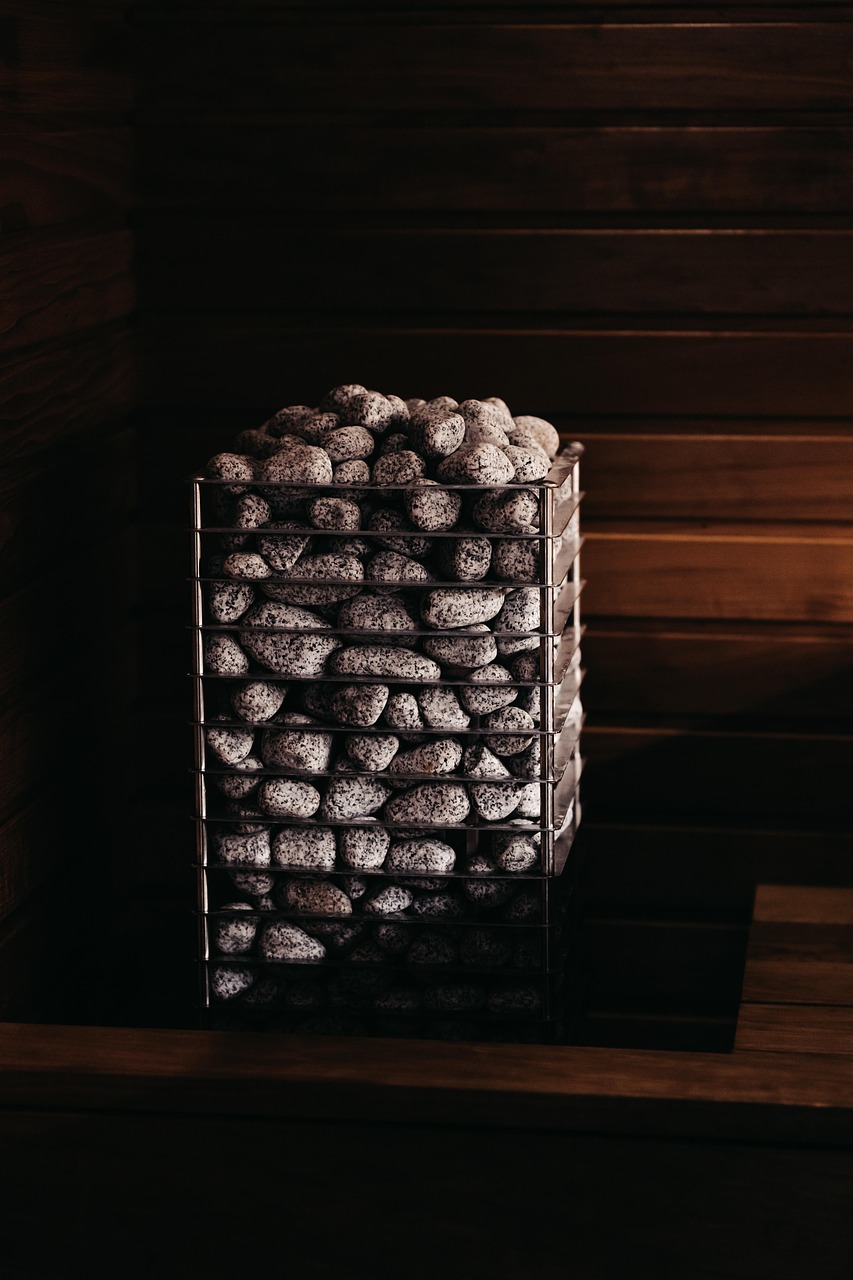
Calcium deposits, also known as limescale, accumulate on heated surfaces like sauna stones and metal components when hard water is present. These deposits impede heat transfer, reduce efficiency, and provide niches for microbial growth. Acidic descalers (e.G., Citric or sulfamic acid) dissolve calcium carbonate by chelation. Effective removal requires correct dilution and sufficient contact time, typically 5–10 minutes at ambient temperature. Rinsing thoroughly prevents residual acid from corroding metal parts. Example: A 2 % citric acid solution applied with a soft brush removes scale from stone trays without damaging surrounding wood.
Carcinogenic risk #
Carcinogenic risk
Explanation #
Certain cleaning agents contain substances classified as carcinogens, such as formaldehyde‑releasing preservatives. In sauna environments, prolonged exposure to vapors can increase health risks for staff and patrons. Assessing carcinogenic risk involves reviewing the Safety Data Sheet (SDS) and selecting alternatives with lower hazard classifications. When use is unavoidable, engineering controls (ventilation) and personal protective equipment (PPE) mitigate exposure. Example: Replacing a formaldehyde‑based sanitizer with a hydrogen peroxide‑based product eliminates the carcinogenic component while maintaining disinfection efficacy.
Chemical compatibility #
Chemical compatibility
Explanation #
Chemical compatibility assesses whether a cleaning agent reacts adversely with sauna materials such as wood, stainless steel, glass, or silicone seals. Incompatible chemicals can cause discoloration, swelling, or degradation. Compatibility charts provided by manufacturers guide selection; for instance, chlorine bleach should not be used on untreated wood due to oxidative damage. Conducting a spot test on an inconspicuous area validates claims before full‑scale application. Challenges arise when multiple agents are used sequentially, requiring thorough rinsing to prevent residual reactions.
Cleaning agent classification #
Cleaning agent classification
Explanation #
Cleaning agents are categorized based on their chemical nature and primary function. Common classes include acidic descalers (target mineral buildup), alkaline degreasers (break down oils), neutral surfactants (general cleaning), and oxidizing disinfectants (microbial kill). Understanding classification aids in selecting the right product for specific sauna surfaces and contamination types, ensuring both efficacy and material preservation. Example: A neutral surfactant is ideal for routine bench cleaning, whereas an acidic descaler is reserved for periodic stone maintenance.
Cleaning protocol #
Cleaning protocol
Explanation #
A cleaning protocol outlines step‑by‑step actions, including preparation, application, dwell time, rinsing, and verification. For saunas, protocols must address high humidity, temperature fluctuations, and material sensitivities. Protocols typically start with removal of loose debris, followed by a pre‑clean to reduce organic load, then the application of the appropriate disinfectant, and finally a thorough rinse. Documentation of each step supports compliance with health regulations. Challenges include ensuring staff adherence during peak operation periods and adjusting the protocol for seasonal temperature variations.
Contact time #
Contact time
Explanation #
Contact time, also called dwell time, is the minimum period a cleaning agent must remain on a surface to achieve its claimed antimicrobial reduction. Manufacturer specifications often state a required contact time, such as 3 minutes for a quaternary ammonium disinfectant. In sauna settings, elevated temperatures can accelerate chemical reactions, potentially reducing required contact time, but only if validated by efficacy testing. Insufficient contact time leads to sub‑optimal disinfection, while excessive time may increase material exposure and corrosion risk.
Corrosivity #
Corrosivity
Explanation #
Corrosivity describes the ability of a cleaning agent to degrade metal, alloy, or other materials through chemical reactions. High‑pH alkaline cleaners and strong oxidizers are particularly corrosive to stainless steel, aluminum, and copper components found in sauna heaters and control panels. Assessing corrosivity involves consulting material compatibility charts and performing spot tests. Mitigation strategies include using lower concentrations, reducing contact time, and applying protective coatings. Example: Diluting a sodium hypochlorite solution to 100 ppm minimizes corrosion while still delivering effective disinfection on metal rails.
Disinfection #
Disinfection
Explanation #
Disinfection is the process of reducing or eliminating pathogenic microorganisms on surfaces to a level considered safe. In sauna environments, disinfection targets bacteria, fungi, and viruses that can thrive in warm, moist conditions. Effective disinfection requires a combination of appropriate agent selection, correct concentration, sufficient contact time, and thorough coverage. Validation through log‑reduction testing under simulated sauna conditions confirms that the process meets regulatory standards. Challenges include maintaining efficacy despite high humidity, which can dilute solutions or promote rapid evaporation.
Disinfectant selection #
Disinfectant selection
Explanation #
Choosing a disinfectant involves evaluating the target organisms, surface materials, environmental conditions, and regulatory requirements. For saunas, a disinfectant must be effective at temperatures up to 90 °C, safe for wood and metal, and have low vapour toxicity to protect users. Common choices include hydrogen peroxide, peracetic acid, and quaternary ammonium compounds with proven efficacy at elevated temperatures. The selection process also reviews the SDS for hazards, required PPE, and disposal considerations. Example: Hydrogen peroxide at 3 % provides broad‑spectrum activity without leaving corrosive residues on stainless steel heaters.
Dilution factor #
Dilution factor
Explanation #
The dilution factor is the ratio of concentrate to water required to achieve the working concentration. It is expressed as 1:X (e.G., 1:20) Or as a percentage. Accurate calculation prevents under‑dosing, which compromises efficacy, or over‑dosing, which increases chemical exposure and material damage. Using calibrated measuring devices and following manufacturer instructions ensures consistency. In high‑humidity sauna environments, the dilution factor may be adjusted to compensate for water absorption by the cleaning solution, maintaining the intended active ingredient concentration on the surface.
Environmental safety #
Environmental safety
Explanation #
Environmental safety assesses the impact of cleaning agents on ecosystems after use and disposal. Saunas often operate near natural settings, making the choice of biodegradable, low‑toxicity agents important. Products containing phosphates or non‑ionic surfactants can contribute to water pollution if not properly managed. Selecting agents with eco‑labels, following proper dilution, and adhering to local waste regulations minimize environmental footprints. Example: A plant‑based surfactant cleaner degrades within 30 days in water, reducing the risk of aquatic toxicity when runoff occurs.
Efficacy testing #
Efficacy testing
Explanation #
Efficacy testing verifies that a cleaning agent achieves the intended microbial reduction under defined conditions. Laboratory methods such as ASTM E2197 (quantitative carrier test) or EN 13697 (surface test) are adapted to simulate sauna temperatures and humidity. Results are expressed as log reductions (e.G., 4‑Log = 99.99 % Reduction). Routine efficacy testing after protocol changes ensures continued compliance. Challenges include replicating the high‑heat environment in a lab setting and accounting for organic load variations typical of sauna use.
Foam control #
Foam control
Explanation #
Foam generation can be problematic in sauna cleaning, especially when using high‑foaming surfactants on vertical surfaces. Excessive foam interferes with visual inspection of coverage and may retain moisture, leading to slip hazards. Foam control strategies include using low‑foaming formulations, adding antifoam agents, or applying the solution with a spray wand that minimizes agitation. After cleaning, thorough rinsing removes residual foam, preventing buildup on wooden benches. Example: A low‑foaming neutral detergent applied with a fine‑mist sprayer reduces foam to less than 2 mm on bench tops.
Heat stability #
Heat stability
Explanation #
Heat stability refers to a cleaning agent’s ability to retain its chemical integrity and antimicrobial activity at elevated temperatures typical of sauna operation (70–95 °C). Some agents, like chlorine‑based disinfectants, decompose rapidly when exposed to heat, losing efficacy. Heat‑stable compounds such as peracetic acid or hydrogen peroxide maintain activity and are therefore preferred for in‑situ disinfection. Manufacturers provide stability data indicating the maximum temperature at which the product remains effective for the specified contact time.
Hygienic standards #
Hygienic standards
Explanation #
Hygienic standards define the acceptable levels of microbial contamination in public sauna facilities. In Ireland, the Health Service Executive (HSE) guidelines stipulate a maximum of 10 CFU cm⁻² for total aerobic counts on bench surfaces after cleaning. Compliance requires documented cleaning protocols, regular microbiological monitoring, and corrective actions when thresholds are exceeded. Aligning cleaning practices with these standards protects public health and maintains the facility’s licensing status.
Inactivation kinetics #
Inactivation kinetics
Explanation #
Inactivation kinetics describe the rate at which microorganisms are killed by a cleaning agent, often modeled using first‑order or Chick‑Watson equations. In sauna environments, elevated temperatures accelerate chemical reactions, shortening the time needed to achieve a specific log reduction. Understanding kinetics helps optimize dwell times and concentrations, ensuring efficient use of chemicals while avoiding over‑exposure. Example: A study showed that at 85 °C, a 1 % peracetic acid solution achieved a 5‑log reduction of Staphylococcus aureus in 30 seconds compared to 2 minutes at 20 °C.
Ion exchange #
Ion exchange
Explanation #
Ion exchange is a water‑treatment process that replaces calcium and magnesium ions (which cause hardness) with sodium or potassium ions. Using ion‑exchange softened water for dilution reduces the formation of calcium deposits on sauna stones and metal components, extending equipment life. While effective, the process adds operational cost and may introduce sodium, which can affect wood if not rinsed properly. Integrating ion‑exchange systems with the sauna’s water supply can improve cleaning outcomes and decrease the frequency of descaling cycles.
Label instructions #
Label instructions
Explanation #
Label instructions provide essential information on product use, including concentration, contact time, PPE requirements, and disposal. In a sauna setting, adhering to label guidance ensures that the cleaning agent performs as intended and that safety risks are minimized. Misinterpretation of label symbols (e.G., “Do not use on wood”) can lead to material damage. Training staff to read and apply label instructions, and cross‑referencing with the SDS, promotes consistent and safe cleaning practices.
Maintenance schedule #
Maintenance schedule
Explanation #
A maintenance schedule outlines routine tasks for cleaning, inspection, and component servicing to keep the sauna in optimal condition. Typical frequencies include daily bench wiping, weekly deep cleaning of stones, monthly inspection of heating elements, and quarterly descaling. Aligning the schedule with manufacturer recommendations and regulatory requirements ensures that cleaning agents are used at appropriate intervals, preventing buildup of residues and minimizing microbial growth. Documentation of each task supports audit trails and continuous improvement.
Microbial load #
Microbial load
Explanation #
Microbial load quantifies the number of viable microorganisms present on a surface, expressed as colony‑forming units (CFU) per square centimeter. In saunas, high humidity and temperature promote rapid microbial proliferation, especially on porous wood and grout. Measuring load before and after cleaning validates the effectiveness of the cleaning protocol. Target reductions are often set at 4‑log (99.99 %) Or greater to meet hygienic standards. Persistent high loads may indicate inadequate cleaning, biofilm presence, or insufficient contact time.
Moisture resistance #
Moisture resistance
Explanation #
Moisture resistance refers to a material’s ability to withstand prolonged exposure to water without degradation. Wooden sauna benches, if not properly sealed, can absorb moisture, leading to swelling, warping, and microbial growth. Selecting cleaning agents that do not leave excessive water residue, and ensuring thorough drying after rinsing, mitigates these risks. Using low‑foaming, fast‑evaporating formulations helps maintain surface dryness. Example: A silicone‑based sealant applied after cleaning improves moisture resistance of pine benches, extending their service life.
pH balance #
pH balance
Explanation #
PH balance is the equilibrium between acidic and alkaline conditions in a cleaning solution, critical for optimal agent performance. Deviations can reduce antimicrobial activity or cause material damage. For neutral disinfectants, maintaining pH between 6.5 And 8.0 Ensures maximal effectiveness. Regular pH testing with strips or meters after dilution and before application helps detect shifts caused by water hardness or organic load. Adjustments using buffering agents or pH adjusters (e.G., Citric acid, sodium carbonate) restore the desired balance.
Residual activity #
Residual activity
Explanation #
Residual activity describes the continued antimicrobial effect of a cleaning agent after the initial application and drying period. Some disinfectants, such as quaternary ammonium compounds, leave a thin film that suppresses microbial regrowth for several hours. In sauna environments, residual activity can reduce the frequency of cleaning cycles, but may also increase the risk of skin irritation if users come into contact with treated surfaces. Selecting agents with appropriate residual profiles balances protection and user comfort.
Safety data sheet #
Safety data sheet
Explanation #
The Safety Data Sheet (SDS) provides comprehensive information on a chemical’s hazards, handling, storage, and emergency measures. It includes sections on first‑aid measures, fire‑fighting techniques, and ecological information. For sauna cleaning agents, the SDS informs staff about necessary PPE (gloves, goggles), ventilation requirements, and spill response. Reviewing the SDS before use ensures compliance with occupational health regulations and helps prevent accidental exposure to toxic or corrosive substances.
Surface compatibility #
Surface compatibility
Explanation #
Surface compatibility assesses whether a cleaning agent can be safely applied to specific sauna materials without causing degradation, discoloration, or loss of structural integrity. Compatibility charts list approved agents for wood, stainless steel, glass, and silicone. Testing a small, hidden area confirms manufacturer claims. Incompatible use can lead to wood staining, metal pitting, or sealant breakdown, compromising both aesthetics and safety. Selecting agents that match the surface composition prolongs the lifespan of sauna components.
Temperature tolerance #
Temperature tolerance
Explanation #
Temperature tolerance defines the maximum temperature at which a cleaning agent remains chemically stable and effective. Agents with low tolerance may decompose, losing antimicrobial potency and potentially forming harmful by‑products. For sauna cleaning, agents should tolerate at least 90 °C for the duration of the contact time. Manufacturers often specify a temperature limit; exceeding it requires selecting an alternative with higher tolerance, such as peracetic acid, which remains active up to 100 °C.
Vapor pressure #
Vapor pressure
Explanation #
Vapor pressure measures a liquid’s tendency to evaporate at a given temperature. High vapor pressure cleaning agents evaporate quickly, which can be advantageous for rapid drying but may reduce contact time, especially in high‑heat sauna environments. Low vapor pressure formulations linger longer, enhancing dwell time but increasing slip risk. Understanding vapor pressure helps in selecting the appropriate agent for the desired balance between efficacy and safety. Example: A low‑vapor‑pressure hydrogen peroxide solution maintains a 5‑minute dwell time even at 85 °C, ensuring effective disinfection.
Water hardness #
Water hardness
Explanation #
Water hardness is the concentration of dissolved calcium and magnesium ions in water. Hard water contributes to scale formation on heated sauna components and can interfere with the performance of surfactants, reducing cleaning efficiency. Measuring hardness in ppm or °dH guides the need for water softening or adjustment of the dilution factor to compensate for reduced surfactant activity. Implementing ion‑exchange systems or adding sequestrants (e.G., EDTA) mitigates hardness effects, preserving both equipment and cleaning efficacy.
Wet‑ting agents #
Wet‑ting agents
Explanation #
Wetting agents lower the surface tension of water, allowing the cleaning solution to spread evenly across hydrophobic surfaces such as polished wood or glass. Effective wetting improves contact between the active ingredient and the target surface, enhancing microbial kill rates. In sauna cleaning, using a non‑ionic wetting agent at 0.1 % Concentration ensures uniform coverage without excessive foaming. Over‑use may lead to residue buildup, requiring additional rinsing steps.