
Tank Farm Design And Construction
Expert-defined terms from the Executive Development Programme in Tank Farm Business And Operations Management course at LearnUNI. Free to read, free to share, paired with a professional course.
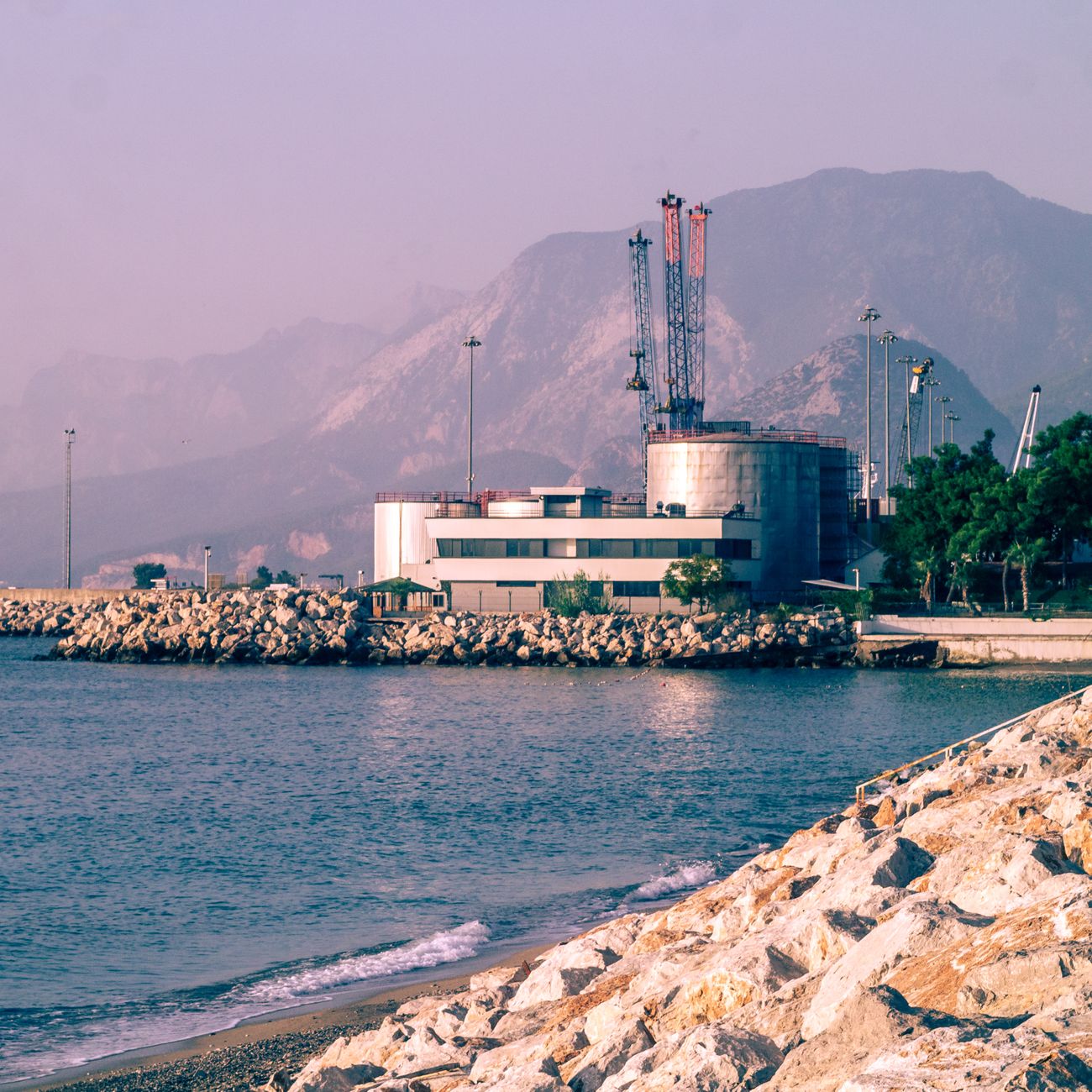
Aboveground Storage Tank – A vessel situated on the surface of the ground… #
Related terms: AST, double‑wall tank, fixed roof. Example: A 5 million‑gallon crude oil AST at a refinery. Practical application includes rapid deployment and easier inspection compared with underground tanks. Challenges involve exposure to weather, corrosion risk, and the need for robust fire‑protection measures.
API 650 – The American Petroleum Institute specification for the design a… #
Related terms: API 653, code‑compliance. Example: An AST designed to API 650 standards for a petrochemical plant. The standard provides criteria for material selection, stress analysis, and testing. Practitioners must interpret the code’s allowances for wind, seismic, and snow loads. Challenges arise when local regulations impose stricter requirements or when non‑standard tank geometries are required.
API 653 – The API standard governing the inspection, repair, alteration,… #
Related terms: maintenance program, integrity assessment. Example: A 15‑year‑old tank undergoing API 653‑mandated thickness measurements. The guideline outlines frequency of ultrasonic testing, corrosion monitoring, and criteria for permissible repairs. Practical use ensures continued safe operation and extends service life. Challenges include interpreting the standard for tanks with modifications, and aligning inspection intervals with plant shutdown schedules.
Anchor Bolt – A fastener used to secure tank foundations or structural co… #
Related terms: foundation design, load‑transfer. Example: Four M 24 anchor bolts fixing a 10 meter‑diameter tank to its slab. Proper bolt selection prevents uplift under wind or seismic forces. Practical application requires torque control and corrosion‑resistant coatings. Challenges involve bolt fatigue under cyclic loads and ensuring compatibility with the surrounding soil conditions.
Anti‑Corrosion Coating – Protective layers applied to tank surfaces to in… #
Related terms: coating system, galvanic protection. Example: A three‑coat epoxy system on the exterior of a diesel storage tank. The coating reduces maintenance costs and extends tank life. Practical steps include surface preparation, moisture control, and cure monitoring. Challenges include coating failure due to improper application, temperature extremes, or chemical attack from stored product vapors.
Bottom Settlement – The vertical displacement of a tank’s base caused by… #
Related terms: geotechnical survey, settlement monitoring. Example: A 2 inch settlement observed on a newly commissioned tank after a heavy rain event. Engineers must predict allowable settlement during design and implement monitoring points. Practical mitigation includes pre‑loading the soil or using pile foundations. Challenges involve detecting slow settlement trends and distinguishing them from structural deformation.
Bulk Storage Facility – A site comprising multiple tanks, ancillary equip… #
Related terms: tank farm layout, logistics hub. Example: A 30‑tank complex serving a petrochemical cluster. The facility design coordinates pipe routing, fire zones, and access roads. Practical considerations include land use efficiency, safety distances, and emergency response planning. Challenges include scaling utilities, managing vapor emissions, and integrating future expansion without disrupting operations.
Cathodic Protection – An electrochemical technique that mitigates corrosi… #
Related terms: sacrificial anode, impressed‑current system. Example: Zinc anodes installed on the submerged portion of a floating‑roof tank. The method protects steel from aggressive soil or water environments. Practical implementation requires regular potential measurements and system balancing. Challenges include coating damage exposing bare metal, stray currents, and maintenance of power supplies for impressed‑current systems.
Concrete Slab Foundation – A reinforced concrete platform that distribute… #
Related terms: foundation design, reinforcement grid. Example: A 1.5 Meter‑thick slab supporting a 12 meter‑diameter tank. The slab must resist bending, shear, and uplift forces. Practical design uses finite‑element analysis to verify stress limits. Challenges involve controlling cracking, accommodating temperature‑induced movements, and ensuring adequate drainage to prevent hydrostatic pressure buildup.
Double‑Wall Tank – A storage tank with an inner primary container and an… #
Related terms: secondary containment, leak detection. Example: A 200 kL double‑wall tank for hazardous solvents. The space between walls can be equipped with vapor sensors to detect breaches. Practical benefits include environmental protection and compliance with EPA regulations. Challenges include higher capital cost, increased inspection complexity, and potential corrosion within the interstitial space if moisture accumulates.
Environmental Impact Assessment (EIA) – A systematic process to evaluate… #
Related terms: sustainability study, regulatory approval. Example: An EIA documenting the impact on local groundwater for a new fuel storage site. The assessment informs mitigation measures such as secondary containment and spill‑response planning. Practical usage ensures compliance with permitting agencies and community acceptance. Challenges involve forecasting long‑term risks, addressing cumulative impacts, and integrating stakeholder feedback into design.
Fire Protection System – Integrated measures including detection, suppres… #
Related terms: foam system, fire‑water network. Example: An automatic foam discharge system covering a gasoline tank cluster. The system must be sized according to NFPA 30 standards and consider vapor space volume. Practical application includes regular flow‑rate testing and nozzle maintenance. Challenges include ensuring system reliability under extreme temperatures, coordinating with local fire services, and preventing accidental discharge.
Fixed Roof Tank – A storage tank equipped with a permanent, non‑movable r… #
Related terms: roof loading, venting arrangement. Example: A 10 million‑gallon fixed‑roof tank for jet fuel. The roof must withstand snow, wind, and thermal expansion loads. Practical design involves roof anchorage, drainage, and corrosion protection. Challenges arise from roof water accumulation, thermal stress cracks, and limited vapor space leading to higher pressure fluctuations.
Floating Roof Tank – A tank where the roof floats on the liquid surface,… #
Related terms: external floating roof, internal floating roof. Example: A 5 million‑gallon external floating‑roof tank for crude oil. The floating deck follows liquid level changes, minimizing evaporative loss. Practical considerations include roof skirt design, seal integrity, and wind‑induced motion control. Challenges involve roof ponding, corrosion of the floating deck, and maintaining the seal during rapid filling or draining.
Geotechnical Survey – Investigation of soil and sub‑surface conditions to… #
Related terms: soil borings, bearing capacity. Example: A CPT (cone penetration test) program for a proposed tank farm on reclaimed land. Data guide decisions on slab thickness, pile depth, and settlement mitigation. Practical application requires collaboration between geotechnical engineers and structural designers. Challenges include variable strata, groundwater fluctuations, and reconciling field data with design assumptions.
Hazardous Area Classification – The process of identifying zones where fl… #
Related terms: ATEX, Class I Division 1. Example: Zone 0 designation around a volatile organic compound (VOC) storage tank. Equipment installed must be explosion‑proof or intrinsically safe. Practical use ensures compliance with IEC 60079 standards and local codes. Challenges include accurate vapor modeling, maintaining classification during process changes, and training personnel on zone restrictions.
Inspection & Maintenance (I&M) Plan – A structured schedule for periodic… #
Related terms: preventive maintenance, risk‑based inspection. Example: A quarterly ultrasonic thickness survey combined with annual roof inspection for a fleet of ASTs. The plan prioritizes critical components, allocates resources, and documents findings. Practical benefits include early defect detection and optimized downtime. Challenges involve balancing inspection frequency with production schedules, managing data integrity, and ensuring corrective actions are completed timely.
Jacketed Tank – A storage vessel surrounded by an outer jacket for heatin… #
Related terms: thermal control, heat exchange. Example: A 500 kL jacketed tank used for storing temperature‑sensitive chemicals. Heat transfer fluid circulates within the jacket to maintain product temperature. Practical design incorporates jacket thickness, insulation, and temperature sensors. Challenges include thermal expansion stresses, jacket corrosion, and ensuring uniform temperature distribution throughout the tank.
Leak Detection System – Technologies employed to identify breaches in tan… #
Related terms: interstitial monitoring, vapour sensor. Example: A fiber‑optic moisture sensor installed in the annular space of a double‑wall tank. Upon detection, alarms trigger immediate containment actions. Practical deployment enhances environmental compliance and reduces product loss. Challenges include sensor calibration, false‑positive rates, and ensuring system reliability under harsh chemical exposure.
Load‑Bearing Capacity – The maximum load a foundation or structural eleme… #
Related terms: soil bearing pressure, structural analysis. Example: Calculating a 250 kN/m² allowable bearing pressure for a tank slab on clay. Engineers verify that imposed loads from tank weight, wind, and seismic forces remain below this limit. Practical assessment uses factor‑of‑safety criteria and finite‑element modeling. Challenges arise when loads exceed predictions due to unexpected product density changes or equipment additions.
Material Compatibility – The suitability of construction materials with s… #
Related terms: chemical resistance, corrosion chart. Example: Selecting stainless‑steel 316L for a tank containing chlorinated solvents. Compatibility studies prevent premature wall thinning and leaks. Practical approach involves consulting material‑selection databases and performing laboratory exposure tests. Challenges include handling multi‑phase products, temperature extremes, and unforeseen chemical reactions.
NDT (Non‑Destructive Testing) – Inspection methods that evaluate material… #
Related terms: ultrasonic testing, radiography. Example: Using phased‑array ultrasonic testing to detect wall thinning on a 20‑year‑old AST. NDT provides critical data for repair decisions while keeping the tank in service. Practical implementation requires qualified personnel, calibrated equipment, and access points. Challenges include limited accessibility, interpretation of complex signals, and ensuring test coverage meets code requirements.
Overfill Protection – Systems designed to prevent tank over‑filling, whic… #
Related terms: high‑level alarm, automatic shut‑off. Example: A level‑sensor‑driven PLC that stops inlet pumps when the tank reaches 95 % capacity. Overfill protection is mandated by API 650 and local fire codes. Practical benefits include reduced spill risk and compliance with environmental regulations. Challenges involve sensor fouling, false alarms during rapid filling, and integration with existing control logic.
Pipework Integration – The design and routing of pipelines connecting tan… #
Related terms: piping layout, stress analysis. Example: A manifold of 6‑inch carbon‑steel lines linking a storage tank to a downstream distillation column. Proper integration minimizes hydraulic losses, avoids thermal expansion issues, and respects safety set‑backs. Practical steps include clash detection, hydraulic sizing, and provision of expansion loops. Challenges include accommodating future capacity upgrades and ensuring leak‑tight connections in corrosive environments.
Quality Assurance (QA) Program – A systematic approach to ensure that des… #
Related terms: quality control, audit. Example: A QA checklist covering weld inspection, coating thickness verification, and documentation for a new tank project. The program provides traceability, defect prevention, and compliance evidence. Practical execution requires trained QA personnel, defined procedures, and regular reviews. Challenges include maintaining consistency across subcontractors, handling non‑conformances promptly, and aligning QA with project schedule pressures.
Rainwater Management – Strategies to control runoff from tank roofs and s… #
Related terms: drainage system, retention pond. Example: Installing gutters and a vegetated swale to divert rain from a fixed‑roof tank to a treatment basin. Proper management protects the foundation from hydrostatic pressure and complies with storm‑water regulations. Practical steps involve hydraulic calculations, selection of corrosion‑resistant fittings, and regular cleaning of drainage paths. Challenges include blockage by debris, freeze‑thaw damage, and ensuring the system can handle extreme rainfall events.
Seismic Design Criteria – Guidelines governing tank design to resist eart… #
Related terms: UBC, ASCE 7. Example: Designing a steel tank to accommodate a 0.3 G horizontal seismic coefficient per local code. The criteria dictate anchorage, ductility, and allowable deformation. Practical implementation includes dynamic analysis, base isolation options, and post‑earthquake inspection protocols. Challenges involve limited site‑specific seismic data, balancing cost with safety, and retrofitting existing tanks to meet updated standards.
Settlement Monitoring – Ongoing observation of tank foundation movement t… #
Related terms: inclinometer, laser scanning. Example: Installing four settlement plates under a tank slab and recording readings monthly. Data trends trigger corrective actions such as underpinning or load redistribution. Practical benefit is early detection of foundation issues before structural damage occurs. Challenges include sensor drift, accessibility for measurement, and distinguishing normal thermal movement from true settlement.
Tank Farm Layout Planning – The process of arranging tanks, equipment, an… #
Related terms: site master plan, fire‑break distance. Example: A layout where each tank maintains a 15‑meter separation from the nearest fire boundary and includes a central access road. Planning incorporates ventilation, spill containment zones, and future expansion corridors. Practical tools include GIS mapping and 3‑D modeling. Challenges involve reconciling competing stakeholder demands, terrain constraints, and regulatory setbacks on setback distances.
Venting System – Equipment that controls pressure and vapor release from… #
Related terms: pressure‑vacuum vent, flare stack. Example: A pressure‑vacuum vent assembly equipped with a flame arrestor on a gasoline storage tank. Proper venting prevents over‑pressurization, reduces vapor emissions, and protects against implosion. Practical design must size vent capacity based on product volatility and ambient temperature swings. Challenges include corrosion of vent components, ensuring compliance with emission limits, and avoiding vent blockage during maintenance.
Wind Load Analysis – Evaluation of aerodynamic forces acting on tanks and… #
Related terms: ASCE 7, drag coefficient. Example: Calculating a 30 kN wind force on a 12 meter‑diameter tank located in an open plain zone. The analysis informs anchor bolt sizing, roof reinforcement, and overall stability. Practical application uses computational fluid dynamics or code‑based formulas. Challenges arise from irregular tank geometries, surrounding structures that alter flow patterns, and the need to account for gust factors in design.