
Medical Equipment Planning
Expert-defined terms from the Certificate Programme in Healthcare Facility Design and Layout course at LearnUNI. Free to read, free to share, paired with a professional course.
A-Frame: The A-Frame is a structural component used in medical equipment… #
It consists of a sturdy frame that holds the device in place, allowing for precise positioning and adjustment during medical procedures. Related terms include C-Arm and Gantry.
Accessory #
In medical equipment planning, an accessory refers to a component or device that is used in conjunction with a primary medical device to enhance its functionality or performance. Examples of accessories include infusion pumps, ventilator circuits, and ECG leads.
Acoustic Ceiling #
An acoustic ceiling is a type of ceiling system designed to reduce noise levels in healthcare facilities. It typically consists of a suspended ceiling with sound-absorbing materials, such as acoustic tiles or panels, to minimize echo and improve communication between healthcare professionals and patients.
Active Matrix Display #
An active matrix display is a type of display technology used in medical monitors and diagnostic equipment. It provides high-resolution images and fast response times, making it ideal for applications such as medical imaging and patient monitoring.
Air Flow #
Air flow refers to the movement of air within a healthcare facility, which is critical for maintaining a safe and healthy environment. Proper air flow is essential for preventing the spread of airborne pathogens, removing waste anesthetic gases, and maintaining thermal comfort.
Alarm System #
An alarm system is a critical component of medical equipment planning, designed to alert healthcare professionals to potential patient risks or equipment malfunctions. Alarm systems can be integrated with various medical devices, such as ventilators, infusion pumps, and cardiac monitors.
Ambulatory care refers to medical services provided to patients who are n… #
Ambulatory care facilities, such as clinics and outpatient departments, require specialized medical equipment and design considerations to ensure efficient and effective patient care.
Anesthesia Machine #
An anesthesia machine is a critical piece of medical equipment used to deliver anesthetic gases to patients during surgical procedures. It consists of a ventilator, gas delivery system, and monitoring components to ensure patient safety and comfort.
Anti #
Microbial Coatings: Anti-microbial coatings are specialized surface treatments applied to medical equipment and furniture to reduce the growth of microorganisms and prevent hospital-acquired infections. These coatings can be integrated into various materials, including metals, plastics, and fabrics.
Archiving #
In medical equipment planning, archiving refers to the process of storing and managing medical images, patient data, and other healthcare information. Archiving systems, such as picture archiving and communication systems (PACS), enable healthcare professionals to access and retrieve medical information efficiently.
Asset Management #
Asset management is a systematic approach to managing medical equipment and other assets within a healthcare facility. It involves tracking, maintaining, and upgrading equipment to ensure optimal performance, minimize downtime, and reduce costs.
Audio #
Visual Equipment: Audio-visual equipment, such as televisions, speakers, and microphones, is used in healthcare facilities to enhance patient comfort, provide entertainment, and facilitate communication between patients and healthcare professionals.
Autoclave #
An autoclave is a medical device used to sterilize equipment and supplies using high-pressure steam. Autoclaves are essential for infection control and are commonly used in hospitals, clinics, and other healthcare facilities.
Bed Management #
Bed management refers to the process of coordinating and allocating hospital beds to patients. Effective bed management is critical for optimizing patient flow, reducing wait times, and improving overall hospital efficiency.
Bio #
Medical Equipment: Bio-medical equipment refers to medical devices and equipment used to diagnose, treat, and monitor patients. Examples of bio-medical equipment include defibrillators, ventilators, and dialysis machines.
Blood Bank #
A blood bank is a facility or department responsible for storing, testing, and distributing blood and blood products for transfusions. Blood banks require specialized equipment, such as refrigerators and freezers, to maintain the integrity and safety of blood supplies.
Cardiac Monitor #
A cardiac monitor is a medical device used to monitor a patient's heart activity, including heart rate, rhythm, and electrocardiogram (ECG) readings. Cardiac monitors are commonly used in hospitals, clinics, and other healthcare facilities.
Cardiovascular Equipment #
Cardiovascular equipment refers to medical devices and equipment used to diagnose, treat, and monitor cardiovascular conditions. Examples of cardiovascular equipment include echocardiography machines, stress test systems, and cardiac catheterization labs.
C-Arm: A C-Arm is a type of medical imaging device used in fluoroscopy an… #
It consists of a C-shaped arm that holds the X-ray tube and detector, allowing for flexible positioning and imaging of various body parts.
Central Supply #
Central supply refers to a department or area within a healthcare facility responsible for storing, processing, and distributing medical supplies, equipment, and linens.
Certification #
In medical equipment planning, certification refers to the process of verifying that medical devices and equipment meet specific standards, regulations, or guidelines. Certification is essential for ensuring patient safety and equipment performance.
Chemical Disinfection #
Chemical disinfection refers to the process of using chemicals to reduce or eliminate microorganisms on surfaces, equipment, and other objects. Chemical disinfection is commonly used in healthcare facilities to prevent the spread of infections.
Clinical Engineering #
Clinical engineering is a field that applies engineering principles and methods to healthcare, focusing on the design, development, and implementation of medical devices, equipment, and systems.
Code Blue #
Code blue is a hospital emergency code that indicates a life-threatening situation, such as cardiac arrest, requiring immediate attention from healthcare professionals.
Communication System #
A communication system is a network of devices, equipment, and protocols used to facilitate communication between healthcare professionals, patients, and families. Examples of communication systems include nurse call systems, public address systems, and telephones.
Compliance #
In medical equipment planning, compliance refers to the process of adhering to regulations, standards, and guidelines governing medical devices, equipment, and healthcare facilities. Compliance is essential for ensuring patient safety, reducing liability, and avoiding penalties.
Computer System #
A computer system is a network of hardware, software, and peripherals used to manage, process, and store healthcare information. Computer systems are critical for electronic health records, medical imaging, and other healthcare applications.
Computerized Tomography #
Computerized tomography (CT) is a medical imaging modality that uses X-rays and computer algorithms to produce cross-sectional images of the body. CT scanners are commonly used in hospitals and imaging centers.
Console #
A console is a control panel or workstation used to operate and monitor medical devices, equipment, and systems. Consoles are commonly used in operating rooms, intensive care units, and other areas where complex medical equipment is used.
Consultation Room #
A consultation room is a private area where healthcare professionals can consult with patients, families, and other healthcare providers. Consultation rooms require specialized equipment, such as examination tables and medical lighting.
Control Panel #
A control panel is a component of medical equipment that houses controls, buttons, and displays used to operate and adjust the device. Control panels are critical for ensuring safe and effective operation of medical equipment.
Critical Care #
Critical care refers to the specialized care provided to patients who are critically ill or injured. Critical care units, such as intensive care units (ICUs), require advanced medical equipment, monitoring systems, and life-support devices.
CT Scanner #
A CT scanner is a medical imaging device that uses X-rays and computer algorithms to produce cross-sectional images of the body. CT scanners are commonly used in hospitals and imaging centers.
Data Analysis #
Data analysis is the process of interpreting and evaluating healthcare data to inform decision-making, improve patient outcomes, and optimize healthcare operations. Data analysis is critical for medical equipment planning, quality improvement, and research.
Defibrillator #
A defibrillator is a medical device used to restore a normal heart rhythm in patients experiencing cardiac arrest. Defibrillators are commonly used in hospitals, clinics, and other healthcare facilities.
Departmental Equipment #
Departmental equipment refers to medical devices and equipment used in specific hospital departments, such as radiology, surgery, or laboratory. Departmental equipment requires specialized planning, maintenance, and training to ensure optimal performance.
Design Development #
Design development is the process of creating and refining designs for healthcare facilities, medical equipment, and other healthcare-related products. Design development involves collaboration between architects, engineers, clinicians, and other stakeholders.
Dialysis Machine #
A dialysis machine is a medical device used to filter waste products from the blood of patients with kidney disease. Dialysis machines are commonly used in hospitals, clinics, and dialysis centers.
Digital Imaging #
Digital imaging refers to the use of electronic devices and software to capture, store, and display medical images. Digital imaging is commonly used in radiology, cardiology, and other medical specialties.
Digital Radiography #
Digital radiography is a medical imaging modality that uses digital detectors and software to capture and display X-ray images. Digital radiography is commonly used in hospitals, clinics, and imaging centers.
Disinfection #
Disinfection refers to the process of reducing or eliminating microorganisms on surfaces, equipment, and other objects. Disinfection is critical for preventing the spread of infections in healthcare facilities.
Donor Room #
A donor room is a private area where blood donors can donate blood and other blood products. Donor rooms require specialized equipment, such as beds, medical lighting, and phlebotomy equipment.
ECG Monitor #
An ECG monitor is a medical device used to monitor a patient's heart activity, including heart rate, rhythm, and electrocardiogram (ECG) readings. ECG monitors are commonly used in hospitals, clinics, and other healthcare facilities.
Echocardiography Machine #
An echocardiography machine is a medical device used to produce images of the heart using high-frequency sound waves. Echocardiography machines are commonly used in cardiology and other medical specialties.
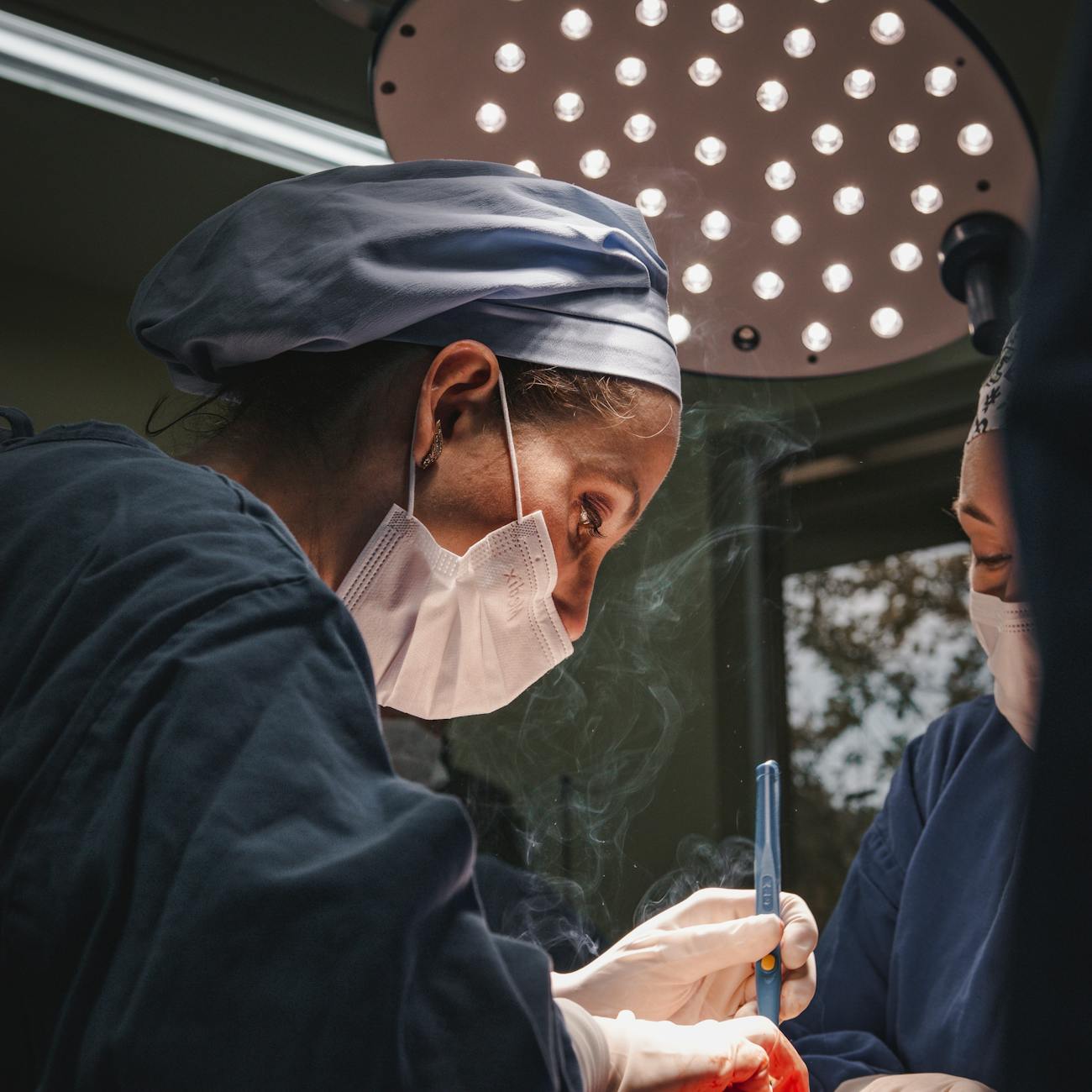
Electrocautery Unit #
An electrocautery unit is a medical device used to cut and coagulate tissue during surgical procedures. Electrocautery units are commonly used in operating rooms and other surgical areas.
Electroencephalography Machine #
An electroencephalography machine is a medical device used to measure and record the electrical activity of the brain. Electroencephalography machines are commonly used in neurology and other medical specialties.
Electrosurgery Unit #
An electrosurgery unit is a medical device used to cut and coagulate tissue during surgical procedures. Electrosurgery units are commonly used in operating rooms and other surgical areas.
Emergency Power #
Emergency power refers to the backup power systems used to maintain critical healthcare operations during power outages or other emergencies. Emergency power systems, such as generators and uninterruptible power supplies (UPS), are essential for patient safety and care.
Endoscope #
An endoscope is a medical device used to visually examine the interior of the body. Endoscopes are commonly used in gastroenterology, urology, and other medical specialties.
Endoscopy Suite #
An endoscopy suite is a specialized area where endoscopic procedures are performed. Endoscopy suites require specialized equipment, such as endoscopes, monitors, and suction devices.
Equipment Inventory #
Equipment inventory refers to the process of tracking, managing, and maintaining medical devices and equipment within a healthcare facility. Equipment inventory is critical for ensuring patient safety, optimizing equipment performance, and reducing costs.
Evidence #
Based Design: Evidence-based design is an approach to healthcare design that incorporates research, data, and best practices to create safe, effective, and patient-centered environments. Evidence-based design is critical for medical equipment planning, facility design, and quality improvement.
Examination Table #
An examination table is a medical device used to support patients during medical examinations, procedures, and treatments. Examination tables are commonly used in clinics, hospitals, and other healthcare facilities.
Fall Prevention #
Fall prevention refers to the strategies and interventions used to reduce the risk of patient falls in healthcare facilities. Fall prevention is critical for patient safety, reducing injuries, and minimizing liability.
Fire Suppression #
Fire suppression refers to the systems and equipment used to detect, contain, and extinguish fires in healthcare facilities. Fire suppression is critical for patient safety, protecting equipment, and preventing damage to facilities.
Flexible Endoscope #
A flexible endoscope is a medical device used to visually examine the interior of the body. Flexible endoscopes are commonly used in gastroenterology, urology, and other medical specialties.
Fluoroscopy Unit #
A fluoroscopy unit is a medical device used to produce real-time images of internal body structures using X-rays. Fluoroscopy units are commonly used in radiology, cardiology, and other medical specialties.
Gases System #
A gases system refers to the network of pipes, valves, and equipment used to distribute medical gases, such as oxygen, nitrous oxide, and medical air, throughout a healthcare facility. Gases systems are critical for patient care, anesthesia, and other medical applications.
Gastroenterology Equipment #
Gastroenterology equipment refers to medical devices and equipment used to diagnose, treat, and monitor gastrointestinal conditions. Examples of gastroenterology equipment include endoscopes, colonoscopes, and gastrointestinal manometry systems.
Generator System #
A generator system is a backup power system used to maintain critical healthcare operations during power outages or other emergencies. Generator systems are essential for patient safety and care.
Health Information #
Health information refers to the collection, storage, and management of patient data, medical records, and other healthcare information. Health information is critical for patient care, quality improvement, and research.
Hematology Analyzer #
A hematology analyzer is a medical device used to analyze blood samples and diagnose blood disorders. Hematology analyzers are commonly used in laboratories and other healthcare facilities.
Hospital Information #
Hospital information refers to the systems, software, and data used to manage hospital operations, patient care, and administrative functions. Hospital information is critical for optimizing hospital performance, improving patient outcomes, and reducing costs.
ICU Bed #
An ICU bed is a specialized bed designed for critically ill patients, providing advanced features such as cardiac monitoring, ventilation, and life-support systems. ICU beds are commonly used in intensive care units and other critical care areas.
Imaging Modality #
An imaging modality refers to a medical imaging technology used to produce images of the body, such as X-ray, CT, MRI, or ultrasound. Imaging modalities are critical for diagnosing, treating, and monitoring medical conditions.
Implantable Device #
An implantable device is a medical device implanted in the body to diagnose, treat, or monitor a medical condition. Examples of implantable devices include pacemakers, defibrillators, and insulin pumps.
Infection Control #
Infection control refers to the strategies and interventions used to prevent the spread of infections in healthcare facilities. Infection control is critical for patient safety, reducing morbidity, and minimizing mortality.
Infusion Pump #
An infusion pump is a medical device used to deliver fluids, medications, or nutrients to patients at a controlled rate. Infusion pumps are commonly used in hospitals, clinics, and other healthcare facilities.
Intensive Care #
Intensive care refers to the specialized care provided to patients who are critically ill or injured. Intensive care units (ICUs) require advanced medical equipment, monitoring systems, and life-support devices.
Intermediate Care #
Intermediate care refers to the level of care provided to patients who require more intensive care than general medical care but do not require intensive care. Intermediate care units, such as step-down units, require specialized equipment and staffing.
Internal Medicine #
Internal medicine refers to the medical specialty that focuses on the diagnosis, treatment, and prevention of adult diseases. Internal medicine equipment, such as examination tables and medical lighting, is commonly used in clinics, hospitals, and other healthcare facilities.
Invasive Procedure #
An invasive procedure refers to a medical procedure that involves entering the body, such as surgery, endoscopy, or insertion of medical devices. Invasive procedures require specialized equipment, training, and facilities.
Laboratory Equipment #
Laboratory equipment refers to medical devices and equipment used to analyze blood, tissue, and other biological samples. Examples of laboratory equipment include microscopes, centrifuges, and analyzers.
Laser System #
A laser system is a medical device used to produce high-intensity light for surgical, therapeutic, or diagnostic applications. Laser systems are commonly used in ophthalmology, dermatology, and other medical specialties.
Life Support #
Life support refers to the medical equipment and systems used to maintain patient vital functions, such as ventilation, oxygenation, and cardiac monitoring. Life support is critical for patient care, especially in critical care areas.
Linear Accelerator #
A linear accelerator is a medical device used to produce high-energy radiation for cancer treatment. Linear accelerators are commonly used in radiation oncology.
Magnetic Resonance #
Magnetic resonance refers to the medical imaging modality that uses magnetic fields and radio waves to produce images of the body. Magnetic resonance imaging (MRI) is commonly used in radiology, neurology, and other medical specialties.
Mammography Unit #
A mammography unit is a medical device used to produce X-ray images of the breast. Mammography units are commonly used in radiology and breast imaging centers.
Medical Gas #
Medical gas refers to the gases used in healthcare facilities, such as oxygen, nitrous oxide, and medical air, for patient care, anesthesia, and other medical applications. Medical gases are critical for patient safety and care.
Medical Imaging #
Medical imaging refers to the use of various technologies, such as X-ray, CT, MRI, or ultrasound, to produce images of the body for diagnostic, therapeutic, or monitoring purposes. Medical imaging is critical for patient care, diagnosis, and treatment.
Medical Record #
A medical record is a document that contains a patient's medical history, diagnoses, treatments, and other healthcare information. Medical records are critical for patient care, quality improvement, and research.
Medical Research #
Medical research refers to the systematic investigation of medical questions, hypotheses, or problems using various methods, such as clinical trials, experiments, or observational studies. Medical research is critical for advancing medical knowledge, improving patient outcomes, and developing new treatments.
Microbiology Lab #
A microbiology lab is a laboratory that analyzes biological samples to diagnose and monitor infectious diseases. Microbiology labs require specialized equipment, such as microscopes, incubators, and analyzers.
Mobile Equipment #
Mobile equipment refers to medical devices and equipment that can be moved or transported to different locations within a healthcare facility. Mobile equipment, such as portable defibrillators or ultrasound machines, is critical for patient care and emergency response.
Monitoring System #
A monitoring system is a network of devices and equipment used to track patient vital signs, such as heart rate, blood pressure, or oxygen saturation. Monitoring systems are critical for patient care, especially in critical care areas.
MRI Machine #
An MRI machine is a medical device used to produce images of the body using magnetic fields and radio waves. MRI machines are commonly used in radiology, neurology, and other medical specialties.
Molecular Diagnosis #
Molecular diagnosis refers to the use of molecular biology techniques, such as PCR or sequencing, to diagnose and monitor diseases. Molecular diagnosis is critical for personalized medicine, targeted therapies, and disease management.
Nurse Call #
A nurse call system is a communication system used by patients to summon nurses or other healthcare professionals for assistance. Nurse call systems are critical for patient safety, comfort, and satisfaction.
Operating Room #
An operating room is a specialized area where surgical procedures are performed. Operating rooms require advanced medical equipment, such as anesthesia machines, surgical lights, and surgical tables.
Ophthalmology Equipment #
Ophthalmology equipment refers to medical devices and equipment used to diagnose, treat, and monitor eye disorders. Examples of ophthalmology equipment include slit lamps, phoropters, and retinoscopes.
Oxygen Therapy #
Oxygen therapy refers to the use of oxygen to treat or manage medical conditions, such as respiratory failure or cardiac disease. Oxygen therapy requires specialized equipment, such as oxygen concentrators or ventilators.
PACS System #
A PACS system is a medical imaging system used to store, manage, and display medical images, such as X-rays, CT scans, or MRIs. PACS systems are critical for medical imaging, diagnosis, and treatment.
Patient Monitor #
A patient monitor is a medical device used to track patient vital signs, such as heart rate, blood pressure, or oxygen saturation. Patient monitors are critical for patient care, especially in critical care areas.
Patient Record #
A patient record is a document that contains a patient's medical history, diagnoses, treatments, and other healthcare information. Patient records are critical for patient care, quality improvement, and research.
Pharmacy System #
A pharmacy system is a network of devices, equipment, and software used to manage and dispense medications. Pharmacy systems are critical for patient safety, medication management, and quality improvement.
Physical Therapy #
Physical therapy refers to the use of exercise, manual therapy, or other interventions to diagnose, treat, or prevent physical disabilities or injuries. Physical therapy equipment, such as exercise machines or modalities, is commonly used in rehabilitation centers and hospitals.
Picture Archiving #
Picture archiving refers to the process of storing and managing medical images, such as X-rays, CT scans, or MRIs. Picture archiving is critical for medical imaging, diagnosis, and treatment.
Portable Equipment #
Portable equipment refers to medical devices and equipment that can be moved or transported to different locations within a healthcare facility. Portable equipment, such as portable defibrillators or ultrasound machines, is critical for patient care and emergency response.
Positron Emission #
Positron emission tomography (PET) is a medical imaging modality that uses radioactive tracers to produce images of the body. PET scans are commonly used in oncology, neurology, and other medical specialties.
Power System #
A power system refers to the network of electrical infrastructure, including generators, transformers, and distribution panels, used to supply power to healthcare facilities. Power systems are critical for patient safety, equipment operation, and facility management.
Preventive Maintenance #
Preventive maintenance refers to the scheduled maintenance and repair of medical equipment to prevent equipment failures, reduce downtime, and ensure optimal performance. Preventive maintenance is critical for patient safety, equipment reliability, and cost savings.
Primary Care #
Primary care refers to the initial contact between a patient and the healthcare system, where basic medical care is provided. Primary care equipment, such as examination tables and medical lighting, is commonly used in clinics, hospitals, and other healthcare facilities.
Quality Assurance #
Quality assurance refers to the systematic processes and procedures used to ensure that healthcare services meet established standards, guidelines, and regulations. Quality assurance is critical for patient safety, quality improvement, and accreditation.
Quality Improvement #
Quality improvement refers to the systematic efforts to improve healthcare services, patient outcomes, and organizational performance. Quality improvement is critical for patient safety, quality assurance, and accreditation.
Radiation Therapy #
Radiation therapy refers to the use of ionizing radiation to treat or manage cancer. Radiation therapy requires specialized equipment, such as linear accelerators or radiation treatment planning systems.
Radiology Equipment #
Radiology equipment refers to medical devices and equipment used to produce images of the body, such as X-ray, CT, MRI, or ultrasound. Radiology equipment is critical for medical imaging, diagnosis, and treatment.
Rehabilitation Equipment #
Rehabilitation equipment refers to medical devices and equipment used to diagnose, treat, or prevent physical disabilities or injuries. Examples of rehabilitation equipment include exercise machines, modalities, or prosthetic devices.
Renal Dialysis #
Renal dialysis refers to the use of medical devices or equipment to filter waste products from the blood of patients with kidney disease. Renal dialysis requires specialized equipment, such as dialysis machines or water treatment systems.
Respiratory Care #
Respiratory care refers to the specialized care provided to patients with respiratory diseases or disorders. Respiratory care equipment, such as ventilators or oxygen therapy devices, is commonly used in hospitals, clinics, and other healthcare facilities.
Respiratory Therapy #
Respiratory therapy refers to the use of medical interventions, such as oxygen therapy or ventilation, to diagnose, treat, or manage respiratory diseases or disorders. Respiratory therapy requires specialized equipment, such as ventilators or oxygen concentrators.
Robotics Surgery #
Robotics surgery refers to the use of robotic systems to perform surgical procedures. Robotic surgery requires specialized equipment, such as robotic arms or consoles, and trained surgeons.
Safety Equipment #
Safety equipment refers to medical devices and equipment used to prevent or mitigate patient harm, such as fall prevention devices or fire suppression systems. Safety equipment is critical for patient safety, risk management, and regulatory compliance.
Sanitation System #
A sanitation system refers to the network of equipment, pipes, and facilities used to manage waste, sewage, and other hazardous materials in healthcare facilities. Sanitation systems are critical for patient safety, infection control, and environmental health.
Scheduling System #
A scheduling system is a software or hardware system used to manage and coordinate patient appointments, procedures, and other healthcare activities. Scheduling systems are critical for patient flow, resource allocation, and operational efficiency.
Security System #
A security system is a network of devices, equipment, and protocols used to protect patients, staff, and assets from harm, theft, or other security threats. Security systems are critical for patient safety, asset protection, and regulatory compliance.
Surgical Equipment #
Surgical equipment refers to medical devices and equipment used to perform surgical procedures, such as surgical lights, surgical tables, or surgical instruments. Surgical equipment is critical for patient care, surgical outcomes, and quality improvement.
Surgical Microscope #
A surgical microscope is a medical device used to visualize small structures or tissues during surgical procedures. Surgical microscopes are commonly used in ophthalmology, neurosurgery, and other surgical specialties.
Telehealth System #
A telehealth system is a network of devices, equipment, and software used to provide remote healthcare services, such as telemedicine or remote monitoring. Telehealth systems are critical for patient access, quality improvement, and cost savings.
Telemedicine System #
A telemedicine system is a network of devices, equipment, and software used to provide remote healthcare services, such as video consultations or remote monitoring. Telemedicine systems are critical for patient access, quality improvement, and cost savings.
Telemetry System #
A telemetry system is a network of devices and equipment used to monitor patient vital signs, such as heart rate, blood pressure, or oxygen saturation, from a remote location. Telemetry systems are critical for patient care, especially in critical care areas.
Therapeutic Equipment #
Therapeutic equipment refers to medical devices and equipment used to diagnose, treat, or prevent medical conditions, such as physical therapy equipment or rehabilitation devices. Therapeutic equipment is critical for patient care, quality improvement, and rehabilitation.
Tomography Machine #
A tomography machine is a medical device used to produce cross-sectional images of the body using X-rays or other radiation. Tomography machines are commonly used in radiology, oncology, and other medical specialties.
Treatment Room #
A treatment room is a specialized area where medical procedures, such as injections or biopsies, are performed. Treatment rooms require specialized equipment, such as examination tables or medical lighting.
Ultrasound Machine #
An ultrasound machine is a medical device used to produce images of the body using high-frequency sound waves. Ultrasound machines are commonly used in radiology, obstetrics, and other medical specialties.
Urgent Care #
Urgent care refers to the medical services provided to patients who require immediate attention for non-life-threatening conditions. Urgent care equipment, such as examination tables or medical lighting, is commonly used in clinics, hospitals, and other healthcare facilities.
User Interface #
A user interface is the point of interaction between a medical device or equipment and the user, such as a touchscreen, keyboard, or display. User interfaces are critical for patient safety, equipment operation, and user experience.
Vacuum System #
A vacuum system is a network of pipes, valves, and equipment used to provide suction or vacuum for medical procedures, such as surgery or wound care. Vacuum systems are critical for patient safety, infection control, and equipment operation.
Ventilation System #
A ventilation system is a network of devices, equipment, and ducts used to provide fresh air, remove waste gases, and maintain a healthy environment in healthcare facilities. Ventilation systems are critical for patient safety, infection control, and indoor air quality.
Ventilator #
A ventilator is a medical device used to support or replace a patient's breathing. Ventilators are commonly used in critical care areas, such as intensive care units (ICUs) or operating rooms.
Video Conferencing #
Video conferencing is a technology used to facilitate remote communication and collaboration between healthcare professionals, patients, and families. Video conferencing is critical for patient access, quality improvement, and cost savings.
Virtual Reality #
Virtual reality is a technology used to create immersive and interactive environments for patient therapy, education, or training. Virtual reality is critical for patient engagement, rehabilitation, and medical education.
Vital Signs #
Vital signs refer to the basic physiological parameters, such as heart rate, blood pressure, or oxygen saturation, used to assess patient health and well-being. Vital signs are critical for patient care, diagnosis, and treatment.
Water Treatment #
Water treatment refers to the processes and equipment used to purify or disinfect water for medical use, such as dialysis or surgical procedures. Water treatment is critical for patient safety, infection control, and equipment operation.
Waste Management #
Waste management refers to the processes and equipment used to handle, treat, and dispose of medical waste, such as hazardous materials or infectious waste. Waste management is critical for patient safety, environmental health, and regulatory compliance.
X-Ray Machine : An X-ray machine is a medical device used to produce image… #
X-ray machines are commonly used in radiology, orthopedics, and other medical specialties.