
Therapeutic Modalities and Recovery Tools
Expert-defined terms from the Certificate in Sports Massage for Elite Athletes course at LearnUNI. Free to read, free to share, paired with a professional course.
Achilles Tendinopathy refers to a condition that affects the Achilles tendon, wh… #
Active Isolated Stretching is a technique that involves holding a stretch for a short period, typically 2-3 seconds, and then releasing it, which can help to increase flexibility and reduce muscle soreness. Active Release Technique is a patented, non-invasive treatment that aims to restore normal movement and function to injured or damaged soft tissues, such as muscles, tendons, and ligaments, and is often used in conjunction with other therapies. Acupuncture involves the insertion of fine needles into specific points on the body to stimulate the body's natural healing processes and promote relaxation, and can be used to treat a range of conditions, including pain and inflammation. Acute Injury refers to an injury that occurs suddenly, such as a sprain or strain, and requires immediate attention and treatment to promote healing and prevent further damage. Adaptive Equipment refers to devices or tools that are used to assist athletes with disabilities or injuries, such as prosthetic limbs or orthotics, and can help to improve performance and reduce the risk of further injury. Aerobic Capacity refers to the body's ability to use oxygen to generate energy during exercise, and is an important factor in determining an athlete's endurance and overall fitness level. Aerobic Exercise involves activities that raise the heart rate and improve cardiovascular fitness, such as running or cycling, and can be modified to suit different fitness levels and goals. Amino Acids are the building blocks of protein, and are essential for muscle growth and repair, as well as the production of enzymes and hormones that support overall health and function. Anatomical Position refers to the position of the body in which the feet are shoulder-width apart, the arms are at the sides, and the palms are facing forward, and is used as a reference point for describing movements and positions. Anterior Pelvic Tilt is a movement that involves the forward rotation of the pelvis, and can be used to improve flexibility and reduce tension in the lower back and hips. Antioxidants are substances that help to protect cells from damage caused by free radicals, and can be found in a range of foods and supplements, including vitamins and minerals. Anxiety can have a significant impact on athletic performance, and can be managed through techniques such as deep breathing, visualization, and relaxation. Applied Kinesiology is a system of evaluation and treatment that uses manual muscle testing to identify and address imbalances in the body, and can be used to improve athletic performance and reduce the risk of injury. Aquatic Therapy involves the use of water-based exercises and treatments to promote relaxation, improve flexibility, and enhance athletic performance, and can be modified to suit different fitness levels and goals. Arch Support refers to the use of orthotics or other devices to support the arch of the foot, and can help to reduce pain and improve function in athletes with flat feet or other foot-related issues. Articular Cartilage is a type of connective tissue that covers the ends of bones and allows for smooth movement and reduced friction in the joints, and can be damaged through injury or wear and tear. Assessment Tools are used to evaluate an athlete's fitness level, movement patterns, and overall health, and can include questionnaires, physical tests, and biomechanical analyses. Athletic Development refers to the process of improving athletic performance through training, practice, and competition, and requires a holistic approach that incorporates physical, technical, and mental skills. Athletic Trainer is a healthcare professional who specializes in the prevention, diagnosis, and treatment of injuries and illnesses that affect athletes, and can provide guidance on nutrition, recovery, and other aspects of athletic development. Atrophy refers to the wasting away of muscle tissue, and can occur through disuse, injury, or disease, and can be treated with exercise and other therapies. Autogenic Training is a technique that involves the use of visualization and relaxation to promote relaxation and reduce stress, and can be used to improve athletic performance and overall well-being.
Biofeedback involves the use of equipment to monitor and control physiological r… #
Biomechanical Analysis involves the study of the movement patterns and physical characteristics of an athlete, and can be used to identify areas for improvement and reduce the risk of injury. Blood Flow Restriction Training involves the use of cuffs or other devices to restrict blood flow to the muscles, and can be used to improve strength and endurance without heavy loading. Blood Lactate is a substance that is produced by the muscles during intense exercise, and can be used as an indicator of anaerobic fitness and athletic performance. Body Composition refers to the percentage of body fat, muscle mass, and bone density, and is an important factor in determining athletic performance and overall health. Body Temperature Regulation involves the ability of the body to maintain a stable temperature, and can be affected by factors such as exercise, environment, and hydration. Bracing involves the use of devices or supports to stabilize and protect joints or muscles, and can be used to prevent or treat injuries. Breathing Techniques involve the use of conscious breathing patterns to promote relaxation, improve focus, and enhance athletic performance, and can include methods such as diaphragmatic breathing.
Cardiovascular Endurance refers to the ability of the heart and lungs to supply… #
Cartilage is a type of connective tissue that provides cushioning and support to joints, and can be damaged through injury or wear and tear. Chiropractic Care involves the use of manual therapies, such as spinal manipulation and massage, to promote relaxation, improve mobility, and enhance athletic performance. Chronic Injury refers to an injury that persists over time, and requires ongoing management and treatment to prevent further damage and promote healing. Coach-Athlete Relationship refers to the dynamic between a coach and an athlete, and can have a significant impact on athletic performance, motivation, and overall well-being. Cold Therapy involves the use of cold temperatures to reduce pain, inflammation, and muscle spasms, and can be applied through methods such as ice baths or cryotherapy. Compression Garments involve the use of tight-fitting clothing to improve blood flow, reduce swelling, and enhance athletic performance, and can be worn during or after exercise. Concentric Contractions involve the shortening of muscles during contraction, and are an important aspect of athletic movement and performance. Conditioning refers to the process of improving physical fitness and athletic performance through training and practice, and requires a holistic approach that incorporates strength, endurance, and flexibility. Connective Tissue is a type of tissue that provides support, structure, and stability to the body, and can be found in a range of forms, including tendons, ligaments, and cartilage. Contrast Water Therapy involves the use of alternating hot and cold water temperatures to promote relaxation, improve circulation, and enhance athletic recovery. Core Stability refers to the ability of the muscles in the trunk and pelvis to maintain good posture, stability, and control, and is essential for athletic performance and overall function. Cryotherapy involves the use of cold temperatures to reduce pain, inflammation, and muscle spasms, and can be applied through methods such as ice baths or whole-body cryotherapy.
Delayed Onset Muscle Soreness refers to the phenomenon of muscle soreness that o… #
Diaphragmatic Breathing involves the use of the diaphragm to breathe, rather than the chest muscles, and can help to promote relaxation, improve focus, and enhance athletic performance. Disability refers to a physical or mental impairment that affects an individual's ability to participate in athletic activities, and can be addressed through the use of adaptive equipment, assistive technologies, and other strategies. Dry Needling involves the use of thin needles to stimulate healing and relaxation in the muscles, and can be used to treat a range of conditions, including pain and inflammation. Dynamic Stretching involves the use of movement to stretch the muscles, and can help to improve flexibility, reduce muscle soreness, and enhance athletic performance.
Eccentric Contractions involve the lengthening of muscles during contraction, an… #
Eccentric Training involves the use of exercises that focus on the lengthening of muscles, and can help to improve strength, endurance, and overall athletic performance. Electromyography involves the use of equipment to measure the electrical activity of muscles, and can be used to assess muscle function, identify areas of weakness, and monitor progress. Endurance refers to the ability of the body to sustain activity over time, and is an important factor in determining aerobic fitness and athletic performance. Energy Systems refer to the ways in which the body produces energy for exercise, and include the phosphagen, glycolytic, and oxidative systems. Environmental Factors can have a significant impact on athletic performance, and can include factors such as temperature, humidity, and altitude. Ergogenic Aids refer to substances or devices that are used to enhance athletic performance, and can include supplements, equipment, and other technologies. Exercise Physiology involves the study of the physiological responses to exercise, and can be used to develop training programs, monitor progress, and optimize athletic performance.
Fascia is a type of connective tissue that surrounds and supports muscles, tendo… #
Fascial Release involves the use of manual therapies to release tension in the fascia, and can help to improve flexibility, reduce pain, and enhance athletic performance. Foam Rolling involves the use of a large foam roller to massage and release tension in the muscles, and can be used to improve circulation, reduce muscle soreness, and enhance athletic recovery. Foot Orthotics involve the use of custom-made devices to support and stabilize the feet, and can help to reduce pain, improve function, and enhance athletic performance. Functional Movement Screen involves the use of a series of tests to assess an athlete's movement patterns, and can be used to identify areas of weakness, improve flexibility, and reduce the risk of injury.
Gait Analysis involves the study of an athlete's walking or running pattern, and… #
Gluteal Muscles are a group of muscles in the buttocks that play a crucial role in athletic movement and performance, and can be strengthened through exercises such as squats and lunges. Glycogen is a complex carbohydrate that is stored in the muscles and liver, and can be used as a source of energy during exercise. Heart Rate Monitoring involves the use of equipment to measure an athlete's heart rate, and can be used to assess fitness level, monitor progress, and optimize athletic performance. Heat Therapy involves the use of warm temperatures to relax muscles, improve circulation, and enhance athletic recovery, and can be applied through methods such as hot packs or saunas. High-Intensity Interval Training involves the use of short bursts of high-intensity exercise, followed by periods of rest or low-intensity exercise, and can be used to improve cardiovascular fitness, increase speed and power, and enhance athletic performance.
Hydration refers to the process of maintaining adequate fluid levels in the body… #
Hyperthermia refers to a condition in which the body temperature rises above normal levels, and can be caused by factors such as heat stress, humidity, and exercise. Hypertrophy refers to the growth and development of muscle tissue, and can be achieved through resistance training, proper nutrition, and adequate rest.
Ice Massage involves the use of ice to massage and relax muscles, and can be use… #
Iliotibial Band is a ligament that runs down the outside of the thigh, and can be affected by factors such as overuse, inflammation, and scar tissue. Inflammation is a natural response of the body to injury or infection, and can be managed through the use of anti-inflammatory medications, ice, and other therapies. Injury Prevention involves the use of strategies and techniques to reduce the risk of injury, and can include methods such as stretching, strengthening, and conditioning. Intensity refers to the level of effort or exertion required for a particular activity or exercise, and can be measured through factors such as heart rate, blood lactate, and perceived exertion.
Joint Mobilization involves the use of manual therapies to improve mobility and… #
Kinesiology involves the study of human movement, and can be used to develop training programs, assess athletic performance, and optimize movement patterns.
Lactic Acid is a substance that is produced by the muscles during intense exerci… #
Ligaments are connective tissues that connect bones to other bones, and can be affected by factors such as injury, inflammation, and scar tissue. Load Management involves the use of strategies and techniques to manage the physical demands of training and competition, and can include methods such as periodization, tapering, and recovery. Low-Intensity Stretching involves the use of gentle, sustained stretches to improve flexibility and reduce muscle soreness, and can be used as a warm-up or cool-down activity.
Manual Therapy involves the use of hands #
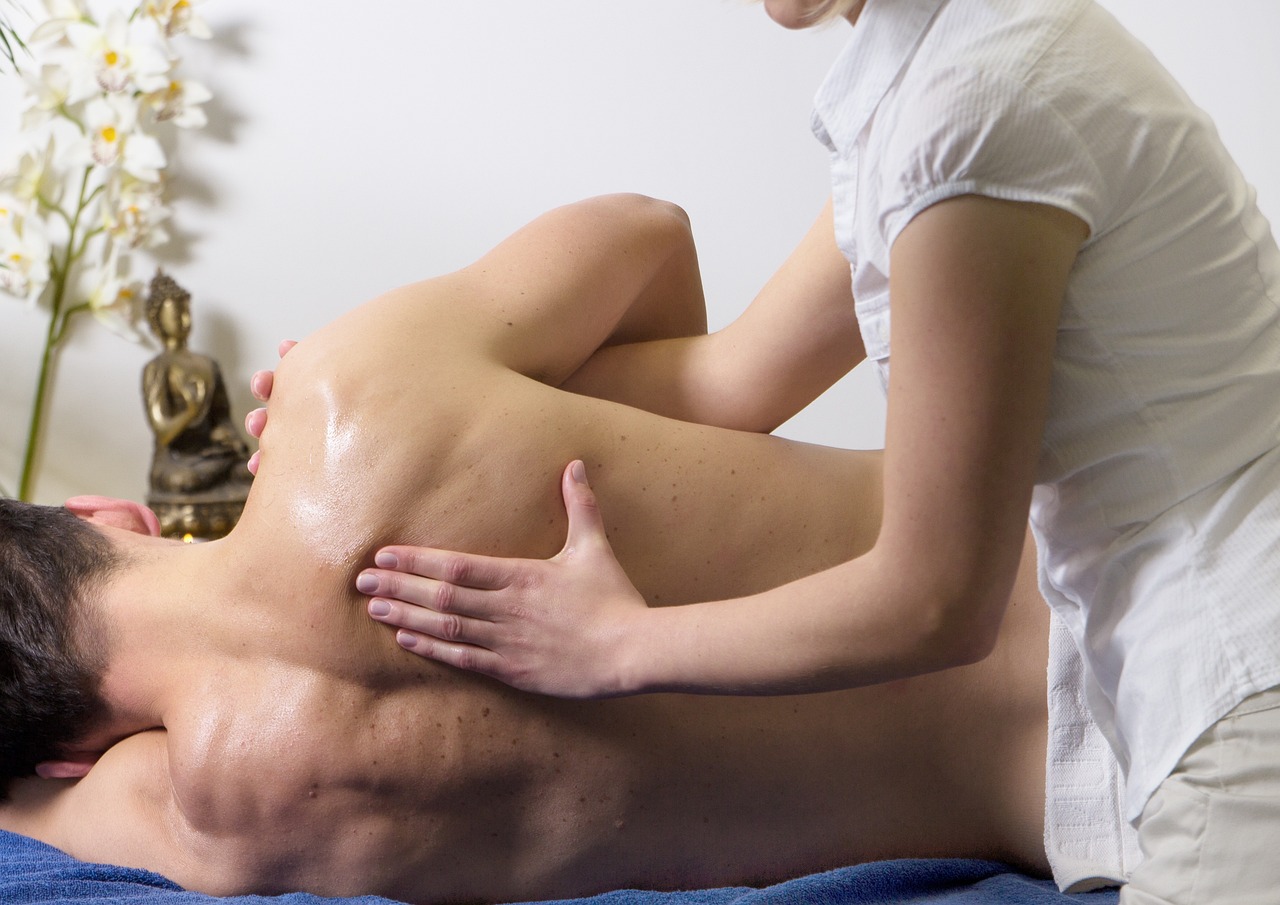
on techniques to promote relaxation, improve mobility, and enhance athletic performance, and can include methods such as massage, joint mobilization, and soft tissue work. Massage involves the use of manual techniques to promote relaxation, improve circulation, and enhance athletic recovery, and can be used to treat a range of conditions, including pain and inflammation. Maximal Voluntary Contraction refers to the maximum amount of force that a muscle can produce, and can be used as an indicator of muscle strength and athletic performance. Mental Performance involves the psychological aspects of athletic performance, and can include factors such as confidence, focus, and motivation. Metabolic Conditioning involves the use of exercises and training programs to improve the body's ability to produce energy, and can include methods such as high-intensity interval training and strength training. Mind-Body Therapies involve the use of techniques such as meditation, visualization, and breathing exercises to promote relaxation, improve focus, and enhance athletic performance. Mobility refers to the ability of the body to move freely and efficiently, and can be improved through exercises such as stretching, foam rolling, and joint mobilization.
Neuromuscular Training involves the use of exercises and techniques to improve t… #
Nutrition involves the study of the relationship between diet and athletic performance, and can include factors such as macronutrient balance, hydration, and supplementation.
Orthotics involve the use of custom #
made devices to support and stabilize the feet, and can help to reduce pain, improve function, and enhance athletic performance. Osteopathic Medicine involves the use of manual therapies to promote relaxation, improve mobility, and enhance athletic performance, and can include methods such as joint mobilization, soft tissue work, and cranial manipulation. Overreaching refers to a state of fatigue and decreased performance that can occur when an athlete is pushed beyond their limits, and can be managed through the use of recovery techniques, nutrition, and rest. Overtraining refers to a state of chronic fatigue and decreased performance that can occur when an athlete is subjected to excessive training or competition, and can be managed through the use of periodization, tapering, and recovery.
Pain Management involves the use of strategies and techniques to reduce and mana… #
Periodization involves the use of planned training cycles to optimize athletic performance, and can include methods such as macro-cycles, meso-cycles, and micro-cycles. Physical Therapy involves the use of manual therapies, exercises, and equipment to promote relaxation, improve mobility, and enhance athletic performance, and can include methods such as joint mobilization, soft tissue work, and electrical stimulation. Plyometrics involves the use of explosive, high-intensity exercises to improve power and speed, and can include methods such as jump squats, box jumps, and medicine ball throws. Post-Exercise Nutrition involves the use of nutrition and supplementation to support recovery and promote athletic performance after exercise, and can include factors such as carbohydrate intake, protein intake, and hydration. Pre-Exercise Nutrition involves the use of nutrition and supplementation to support athletic performance before exercise, and can include factors such as carbohydrate intake, protein intake, and hydration. Proprioception refers to the ability of the body to sense its position and movement, and can be improved through exercises such as balance training, agility drills, and plyometrics.
Range of Motion refers to the extent to which a joint can move, and can be impro… #
Reaction Time refers to the time it takes for an athlete to respond to a stimulus, and can be improved through exercises such as agility drills, plyometrics, and speed training. Recovery Techniques involve the use of strategies and methods to promote relaxation, improve circulation, and enhance athletic recovery, and can include methods such as massage, foam rolling, and contrast water therapy. Rehabilitation involves the use of exercises, manual therapies, and equipment to promote recovery and restore function after injury or illness, and can include methods such as physical therapy, occupational therapy, and speech therapy. Relaxation Techniques involve the use of methods such as deep breathing, progressive muscle relaxation, and meditation to promote relaxation and reduce stress. Resistance Band Training involves the use of elastic bands to provide resistance and challenge the muscles, and can be used to improve strength, endurance, and overall athletic performance.
Scar Tissue refers to the fibrotic tissue that forms after injury or surgery, an… #
Self-Myofascial Release involves the use of techniques such as foam rolling and self-massage to release tension in the muscles and fascia, and can be used to improve flexibility, reduce pain, and enhance athletic performance. Sleep and Recovery involve the use of sleep and relaxation techniques to promote recovery and enhance athletic performance, and can include factors such as sleep duration, sleep quality, and relaxation techniques. Soft Tissue Mobilization involves the use of manual therapies to release tension in the muscles, tendons, and ligaments, and can be used to treat a range of conditions, including pain and inflammation. Speed and Agility Training involves the use of exercises and drills to improve speed, agility, and quickness, and can include methods such as sprints, shuttle runs, and cone drills. Sports Psychology involves the study of the psychological aspects of athletic performance, and can include factors such as confidence, focus, and motivation. Strength and Conditioning involves the use of exercises and training programs to improve muscular strength, power, and endurance, and can include methods such as weightlifting, plyometrics, and resistance band training.
Tapering involves the gradual reduction of training intensity and volume before… #
Tendinopathy refers to a condition in which the tendons become inflamed or damaged, and can be treated with rest, ice, compression, and elevation. Tendon is a type of connective tissue that connects muscles to bones, and can be affected by factors such as injury, inflammation, and scar tissue. Therapeutic Modalities involve the use of techniques such as heat, cold, electrical stimulation, and ultrasound to promote relaxation, improve circulation, and enhance athletic recovery. Thermal Therapy involves the use of heat or cold to promote relaxation, improve circulation, and enhance athletic recovery, and can be applied through methods such as hot packs, cold packs, or contrast water therapy.
Ultrasound involves the use of high #
frequency sound waves to promote healing, reduce inflammation, and enhance athletic recovery, and can be used to treat a range of conditions, including pain and inflammation.
Vascular Endothelial Growth Factor is a protein that plays a crucial role in the… #
Visualization involves the use of mental imagery to promote relaxation, improve focus, and enhance athletic performance, and can be used to prepare for competition, manage stress, and enhance recovery.
Warm #
Up and Cool-Down involve the use of exercises and techniques to prepare the body for exercise and promote recovery after exercise, and can include methods such as cardiovascular exercise, stretching, and foam rolling. Water Immersion involves the use of water-based exercises and treatments to promote relaxation, improve circulation, and enhance athletic recovery, and can be used to treat a range of conditions, including pain and inflammation.
Yoga involves the use of postures, breathing techniques, and meditation to promo… #
Yoga involves the use of postures, breathing techniques, and meditation to promote relaxation, improve flexibility, and enhance athletic performance, and can be used to reduce stress, improve focus, and enhance recovery.