
Culinary Innovation for Premium Experiences
Expert-defined terms from the Professional Certificate in Luxury Hospitality Management course at LearnUNI. Free to read, free to share, paired with a professional course.
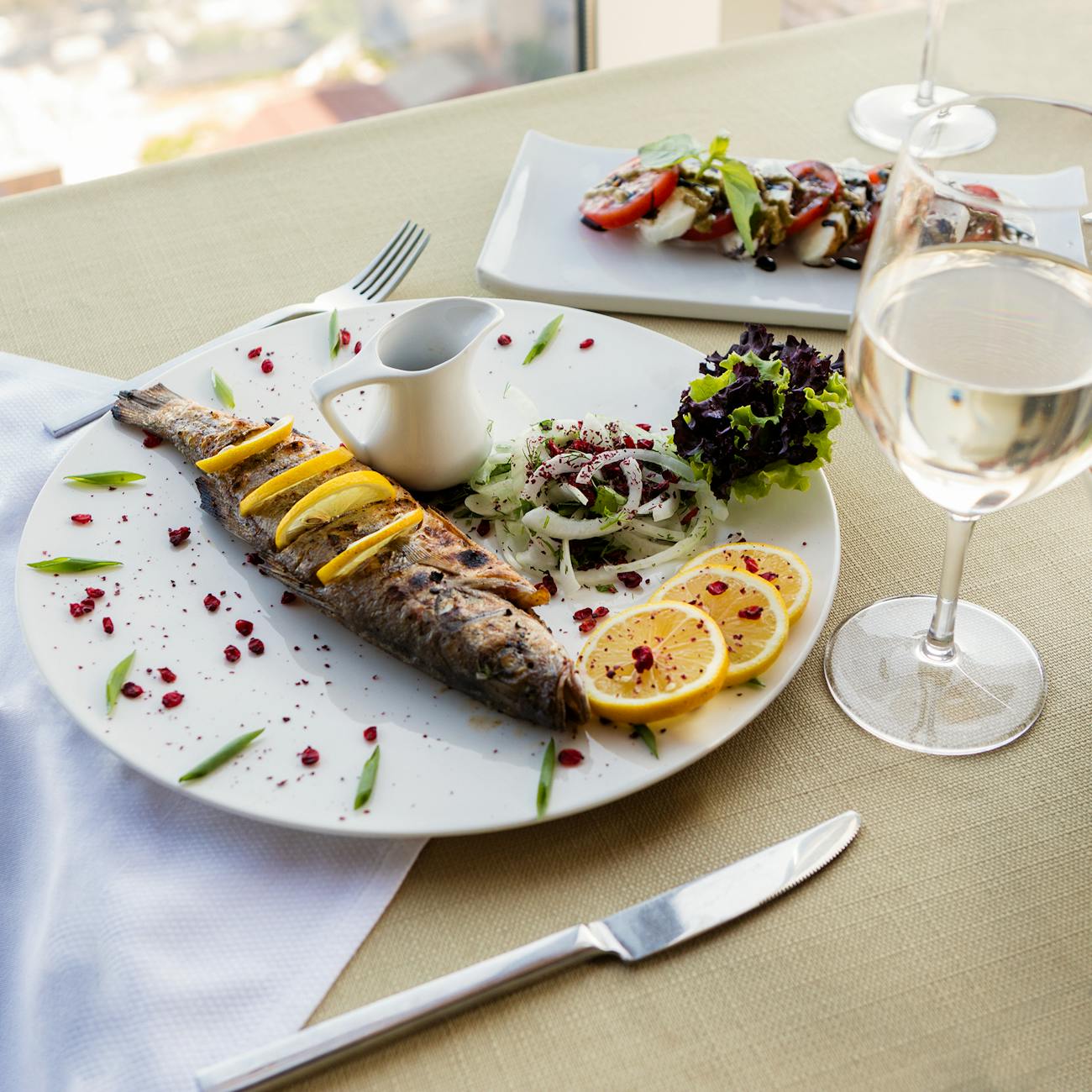
A la Carte #
A la Carte
Concept #
Individual menu items priced separately. Related terms: table d’hôte, prix fixe. Explanation: Allows guests to tailor their dining experience by selecting each course independently, enhancing perceived control and luxury. Example: A guest orders a starter of beetroot tartare, a main of seared wagyu, and a dessert of lavender mousse, each with distinct pricing. Practical application: Enables chefs to showcase signature dishes and manage inventory by preparing only ordered items. Challenges: Requires precise kitchen coordination to avoid delays and may increase labor costs for highly customized service.
Artisanal Sourcing #
Artisanal Sourcing
Concept #
Procurement of ingredients from small‑scale producers emphasizing craftsmanship. Related terms: Farm‑to‑table, heritage ingredients. Explanation: Prioritizes quality, traceability, and storytelling, aligning with premium guest expectations for authenticity. Example: Sourcing cheese from a centuries‑old Alpine dairy that uses hand‑crafted aging techniques. Practical application: Builds relationships with local artisans, differentiates the brand, and supports sustainable practices. Challenges: Limited supply volumes, higher price points, and potential variability in seasonal availability.
Avant‑Garde Cuisine #
Avant‑Garde Cuisine
Concept #
Innovative cooking that pushes boundaries of flavor, texture, and presentation. Related terms: Molecular gastronomy, experimental gastronomy. Explanation: Employs cutting‑edge techniques and unexpected ingredient pairings to create memorable, often theatrical, dining moments. Example: Deconstructed lemon tart where foam, gel, and crystallized sugar are plated separately for the guest to assemble. Practical application: Positions the establishment as a leader in culinary creativity, attracting media attention and adventurous diners. Challenges: Requires specialized equipment, skilled staff, and may risk alienating guests preferring traditional flavors.
Concept #
Customized menu designed for a specific event or individual guest preferences. Related terms: Personalized dining, tailor‑made cuisine. Explanation: Integrates guest dietary restrictions, flavor profiles, and thematic elements into a unique culinary experience. Example: A private yacht dinner featuring a menu curated around the client’s favorite childhood flavors, presented with contemporary plating. Practical application: Enhances guest loyalty, allows premium pricing, and showcases chef’s adaptability. Challenges: Intensive pre‑event consultation, precise ingredient sourcing, and tight coordination to ensure execution aligns with expectations.
Culinary Lab #
Culinary Lab
Concept #
Dedicated space for research, development, and testing of new dishes. Related terms: Test kitchen, innovation hub. Explanation: Provides chefs with controlled environment to experiment with techniques, flavor combinations, and plating concepts before public rollout. Example: A hotel’s culinary lab where chefs trial a smoked avocado puree using a low‑temperature smoker. Practical application: Accelerates product development cycles, reduces risk of menu failures, and fosters a culture of continuous improvement. Challenges: Requires investment in equipment, skilled personnel, and may generate numerous prototypes that never reach service.
Degustation #
Degustation
Concept #
Multi‑course tasting menu that showcases a chef’s culinary narrative. Related terms: Tasting menu, progressive dinner. Explanation: Offers a curated progression of flavors and textures, often paired with wines, to create an immersive gastronomic journey. Example: A 12‑course menu beginning with oyster foam and ending with a chocolate‑infused sorbet, each course paired with a matching vintage. Practical application: Highlights restaurant’s creativity, encourages higher per‑cover revenue, and allows precise control over portion sizes. Challenges: Requires meticulous timing, extensive staff training, and may be perceived as intimidating for less adventurous guests.
Emulsion #
Emulsion
Concept #
Stable mixture of two immiscible liquids, typically oil and water, using an emulsifier. Related terms: Vinaigrette, mayonnaise, liaison. Explanation: Creates smooth sauces and dressings that enhance mouthfeel and flavor distribution. Example: A citrus‑herb emulsion served over seared scallops to add brightness without overwhelming the seafood. Practical application: Enables chefs to balance acidity and richness, crucial for refined plating. Challenges: Requires precise technique to prevent separation, and temperature control is essential for stability.
Fermentation #
Fermentation
Concept #
Biological process where microorganisms convert sugars into acids, gases, or alcohol. Related terms: Pickling, kombucha, sourdough. Explanation: Develops complex flavors, enhances nutritional value, and can create distinctive textures prized in premium cuisine. Example: Fermented black garlic used as a garnish to impart sweet‑umami notes on a pork belly dish. Practical application: Adds depth to sauces, condiments, and can be a signature element for brand differentiation. Challenges: Time‑intensive, requires controlled environments, and carries risk of spoilage if not managed correctly.
Food Pairing Theory #
Food Pairing Theory
Concept #
Scientific approach to combining ingredients based on shared flavor compounds. Related terms: Molecular gastronomy, flavor mapping. Explanation: Aims to create harmonious or contrasting taste experiences that delight the palate and reinforce culinary innovation. Example: Pairing white chocolate with matcha powder due to common aromatic compounds, resulting in a balanced dessert. Practical application: Guides menu development, supports creative plating, and can be marketed as a scientifically‑backed experience. Challenges: Over‑reliance on data may overlook cultural preferences; requires chef’s intuition to balance theory with artistry.
Gastronomic Storytelling #
Gastronomic Storytelling
Concept #
Narrative technique that weaves a cultural or personal story into the dining experience. Related terms: Culinary narrative, experiential dining. Explanation: Engages guests emotionally, turning each dish into a chapter that reflects heritage, place, or concept. Example: A dish titled “Silk Road Spice Route” that traces the journey of spices from India to Europe through progressive flavor layers. Practical application: Enhances brand identity, encourages social media sharing, and justifies premium pricing. Challenges: Requires well‑trained staff to convey the story authentically and may be lost if service is rushed.
Hyper‑Local Ingredients #
Hyper‑Local Ingredients
Concept #
Ingredients sourced from the immediate geographic vicinity of the establishment. Related terms: Micro‑farm, terroir. Explanation: Emphasizes freshness, supports local economies, and highlights the unique characteristics of a region’s produce. Example: Using heirloom tomatoes harvested from a rooftop garden just hours before service. Practical application: Reduces transportation carbon footprint, creates menu flexibility based on daily harvests, and appeals to eco‑conscious guests. Challenges: Seasonal constraints, limited scalability, and potential price volatility.
Ingredient Transparency #
Ingredient Transparency
Concept #
Full disclosure of ingredient origins, processing methods, and nutritional information. Related terms: Traceability, food labeling. Explanation: Builds trust with discerning guests who value authenticity and safety in premium dining. Example: Menu cards noting that the salmon is wild‑caught from Alaskan waters and certified sustainable. Practical application: Differentiates the brand, supports compliance with regulatory standards, and can be leveraged in marketing. Challenges: Requires robust supply chain documentation and may reveal supply limitations that affect menu planning.
Joule‑Cooking #
Joule‑Cooking
Concept #
Cooking method using precise temperature control via sous‑vide immersion circulators. Related terms: Low‑temperature cooking, vacuum sealing. Explanation: Produces consistently tender and flavorful proteins by eliminating temperature fluctuations. Example: Sous‑vide duck breast cooked at 58°C for 2 hours, finished with a quick sear for crisp skin. Practical application: Enables batch preparation, reduces waste, and ensures uniform quality across service. Challenges: Initial equipment cost, need for strict food safety protocols, and potential perception of “non‑traditional” methods.
Kaizen in Kitchen Operations #
Kaizen in Kitchen Operations
Concept #
Continuous improvement philosophy applied to culinary processes. Related terms: Lean management, process optimization. Explanation: Encourages incremental enhancements in efficiency, waste reduction, and staff development, fostering excellence in premium service. Example: Regularly reviewing plating steps to identify time‑saving adjustments without compromising aesthetics. Practical application: Improves profitability, enhances team morale, and supports consistent guest experiences. Challenges: Requires cultural buy‑in, systematic data collection, and sustained leadership focus.
Layered Flavors #
Layered Flavors
Concept #
Building taste complexity through sequential addition of complementary ingredients. Related terms: Flavor stacking, depth of flavor. Explanation: Provides a nuanced palate experience where each bite reveals new dimensions, essential for high‑end cuisine. Example: A beetroot salad featuring citrus vinaigrette, goat cheese crumble, and toasted pistachio, each adding distinct texture and taste. Practical application: Elevates simple ingredients, encourages creative menu composition, and can be highlighted in guest education. Challenges: Balancing intensity to avoid overwhelming the palate; requires precise portion control.
Minimalist plating #
Minimalist plating
Concept #
Presentation style that emphasizes simplicity, negative space, and focus on the core ingredient. Related terms: Scandinavian aesthetic, clean plating. Explanation: Allows the quality of the ingredient to shine, aligning with luxury expectations for elegance and restraint. Example: A single poached egg placed on a smooth porcelain plate with a drizzle of truffle oil and micro‑herbs. Practical application: Reduces plating time, highlights premium sourcing, and creates a sophisticated visual impact. Challenges: Demands immaculate ingredient quality; any flaw becomes immediately apparent.
Neurogastronomy #
Neurogastronomy
Concept #
Study of how the brain perceives taste, aroma, texture, and visual cues. Related terms: Sensory science, flavor psychology. Explanation: Informs menu design that manipulates perception to enhance satisfaction and create memorable experiences. Example: Serving a bright orange dessert in a dark glass bowl to intensify perceived sweetness. Practical application: Enables chefs to craft dishes that surprise and delight, leveraging multisensory cues for premium differentiation. Challenges: Requires interdisciplinary knowledge, careful testing, and may involve subjective guest responses.
Omni‑Channel Guest Experience #
Omni‑Channel Guest Experience
Concept #
Seamless integration of service across physical, digital, and ancillary touchpoints. Related terms: Guest journey, multichannel hospitality. Explanation: Ensures that culinary innovation is reflected consistently from reservation to post‑dining feedback, reinforcing brand prestige. Example: A guest reserves a tasting menu via a mobile app, receives a personalized video preview, and later receives a digital souvenir of the dish. Practical application: Enhances loyalty, provides data for personalization, and creates additional revenue streams through digital offerings. Challenges: Requires robust technology platforms, staff training, and vigilant data privacy compliance.
Palate Cleansing #
Palate Cleansing
Concept #
Small interlude dish or beverage that refreshes the taste buds between courses. Related terms: Sorbet, palate reset. Explanation: Prepares guests for subsequent flavors, preventing fatigue and enhancing appreciation of complex menus. Example: A cucumber‑mint granita served after a rich pork dish. Practical application: Strategically placed palate cleansers can improve overall tasting experience and allow chefs to showcase a broader range of flavors. Challenges: Must be subtle to avoid disrupting the flow of the meal; over‑use can be perceived as gimmicky.
Quenelle Technique #
Quenelle Technique
Concept #
Light, poached dumpling formed by shaping a mixture with two spoons. Related terms: Dumpling, mousse. Explanation: Provides an airy texture that can carry delicate sauces, ideal for refined plating. Example: A salmon quenelle with a citrus beurre blanc, presented atop a saffron-infused risotto. Practical application: Adds visual elegance, showcases chef skill, and offers a textural contrast. Challenges: Requires precise handling to maintain shape, and timing is critical to prevent disintegration.
Ras el Hanout #
Ras el Hanout
Concept #
Moroccan spice blend combining numerous aromatic ingredients. Related terms: Spice mix, flavor base. Explanation: Offers complex, layered flavor profiles that can elevate premium dishes with an exotic twist. Example: Incorporating ras el hanout into a slow‑braised lamb shank, delivering depth and warmth. Practical application: Provides a signature spice profile for brand identity, and can be sourced sustainably from artisanal producers. Challenges: Potential allergen considerations, balancing intensity with other flavors, and ensuring consistent quality across batches.
Sustainable Gastronomy #
Sustainable Gastronomy
Concept #
Culinary practices that prioritize environmental stewardship, social responsibility, and economic viability. Related terms: Green dining, ethical sourcing. Explanation: Aligns luxury hospitality with growing guest expectations for eco‑conscious experiences. Example: Offering a menu featuring plant‑based proteins, responsibly sourced seafood, and zero‑waste techniques. Practical application: Enhances brand reputation, reduces operational costs through waste minimization, and opens opportunities for certifications. Challenges: Requires supply chain overhaul, staff education, and may involve higher upfront costs for sustainable ingredients.
Texture Contrast #
Texture Contrast
Concept #
Deliberate pairing of differing mouthfeel elements within a dish. Related terms: Mouthfeel, crunch factor. Explanation: Engages the palate by juxtaposing soft, crisp, creamy, or gelatinous components, adding intrigue to premium plates. Example: A seared tuna steak with a crunchy sesame seed crust and a silky avocado purée. Practical application: Elevates simple ingredients, creates memorable sensory experiences, and can be highlighted in menu descriptions. Challenges: Precise timing needed to preserve textures; over‑complication can distract from primary flavors.
Umami Enhancement #
Umami Enhancement
Concept #
Techniques that amplify the savory fifth taste to deepen flavor perception. Related terms: Glutamate, taste amplification. Explanation: Utilizes ingredients like miso, aged cheeses, or dried mushrooms to enrich dishes without adding excess salt. Example: Adding a dash of kombu broth to a mushroom risotto to intensify umami richness. Practical application: Improves flavor balance, supports health‑conscious menus, and can differentiate dishes in a competitive market. Challenges: Must be calibrated to avoid overpowering other taste elements; sourcing high‑quality umami sources can be costly.
Vertical Farming Integration #
Vertical Farming Integration
Concept #
Incorporating indoor, stacked agriculture systems into hotel or restaurant operations. Related terms: Hydroponics, controlled environment agriculture. Explanation: Provides year‑round access to fresh herbs and micro‑greens, enhancing menu freshness and sustainability credentials. Example: A rooftop vertical farm supplying basil, micro‑cabbage, and edible flowers for daily plating. Practical application: Reduces food miles, offers unique guest experiences (farm tours), and supports brand storytelling. Challenges: Capital investment, technical expertise for maintenance, and limited crop variety.
Wine‑Food Pairing Matrix #
Wine‑Food Pairing Matrix
Concept #
Structured framework for matching wines with dishes based on flavor, acidity, and body. Related terms: Sommelier, pairing algorithm. Explanation: Guides thoughtful pairings that elevate both the wine and the cuisine, essential for premium dining. Example: Pairing a high‑acid Sauvignon Blanc with a citrus‑cured sea bass to mirror brightness and balance richness. Practical application: Enhances beverage revenue, educates staff, and can be marketed as a curated experience. Challenges: Requires extensive knowledge, dynamic updates for new vintages, and guest preference variability.
X‑Factor Presentation #
X‑Factor Presentation
Concept #
A distinctive visual element that sets a dish apart and creates a “wow” moment. Related terms: Signature plating, wow factor. Explanation: Employs unexpected props, lighting, or composition to captivate guests and reinforce brand identity. Example: Serving a dessert on a chilled, glass dome that releases aromatic vapor when lifted. Practical application: Generates social media buzz, justifies premium pricing, and reinforces the narrative of innovation. Challenges: Increases plating time, demands precise execution, and may be perceived as gimmicky if not integrated meaningfully.
Yield Management in Kitchen #
Yield Management in Kitchen
Concept #
Strategic control of portion sizes and inventory to optimize cost efficiency while maintaining luxury standards. Related terms: Cost control, portion control. Explanation: Balances waste reduction with the need to deliver generous, aesthetically pleasing servings expected in high‑end hospitality. Example: Standardizing a 150‑gram protein portion for a tasting menu while allowing chefs to adjust plating composition. Practical application: Improves profitability, supports consistent guest experience, and aids in forecasting supply needs. Challenges: Requires accurate data, staff discipline, and may conflict with creative desires for larger presentations.
Yield Optimization #
Yield Optimization
Concept #
Maximizing usable product from raw ingredients through precise butchery and preparation methods. Related terms: Trim loss reduction, ingredient efficiency. Explanation: Enhances sustainability and cost control without compromising the premium perception of the dish. Example: Utilizing trimmings from a prime beef cut to create a consommé that appears as a separate course. Practical application: Reduces waste, creates additional menu items, and can be marketed as a “nose‑to‑tail” approach. Challenges: Demands skilled labor, meticulous planning, and adherence to food safety standards.
Zero‑Waste Cooking #
Zero‑Waste Cooking
Concept #
Culinary philosophy that seeks to eliminate food waste through creative utilization of all parts of an ingredient. Related terms: Whole‑animal cooking, upcycling. Explanation: Aligns luxury hospitality with sustainability trends while showcasing chef ingenuity. Example: Turning carrot tops into a herbaceous pesto served alongside a root vegetable puree. Practical application: Cuts disposal costs, offers unique menu items, and resonates with environmentally conscious guests. Challenges: Requires extensive training, additional prep time, and may need creative marketing to convey value.
Acidity Balance #
Acidity Balance
Concept #
Managing the level of acidity in a dish to enhance flavor harmony and palate refreshment. Related terms: Tartness, pH control. Explanation: Proper acidity can brighten rich dishes, cut through fat, and improve overall taste perception. Example: Adding a splash of yuzu juice to a buttery lobster bisque to lift the flavor. Practical application: Enables chefs to fine‑tune dishes for optimal guest satisfaction and can be highlighted as a health‑forward attribute. Challenges: Over‑acidification can dominate flavors; precise measurement tools may be required.
Barrel‑Aged Cocktails #
Barrel‑Aged Cocktails
Concept #
Spirits and mixers infused and matured in wooden barrels to develop complex flavors. Related terms: Oak infusion, spirit aging. Explanation: Adds depth and richness to cocktail programs, aligning with premium beverage experiences. Example: A Manhattan aged in a charred oak barrel, imparting smoky vanilla notes. Practical application: Differentiates the bar offering, creates a narrative for mixologists, and can command higher price points. Challenges: Requires barrel inventory, longer lead times, and careful monitoring to avoid over‑extraction.
Chef’s Table Experience #
Chef’s Table Experience
Concept #
Exclusive dining setting where guests observe kitchen operations and interact directly with the chef. Related terms: Open‑kitchen, intimate dining. Explanation: Provides an immersive, personalized encounter that reinforces the perception of culinary artistry. Example: A ten‑seat table positioned beside the line, where the chef explains each course’s inspiration. Practical application: Generates high‑margin revenue, builds brand loyalty, and offers valuable feedback loops. Challenges: Limited seating capacity, heightened service expectations, and need for meticulous coordination.
Deglazing #
Deglazing
Concept #
Technique of dissolving browned bits (fond) from a pan with liquid to create a base for sauces. Related terms: Pan sauce, reduction. Explanation: Extracts concentrated flavor, forming the backbone of many premium sauces. Example: Adding a splash of Madeira wine to a pan after searing duck to form a rich glaze. Practical application: Enhances dish depth, showcases cooking skill, and can be highlighted in menu descriptions. Challenges: Requires timing to avoid burning, and selection of appropriate liquid to complement the dish.
Elevated Street Food #
Elevated Street Food
Concept #
Reinterpretation of popular street‑level dishes using premium ingredients and refined techniques. Related terms: Gourmet casual, upscale comfort. Explanation: Merges familiarity with luxury, appealing to guests seeking both comfort and exclusivity. Example: Truffle‑infused ramen served in a fine‑dining setting with hand‑made noodles and premium broth. Practical application: Broadens market appeal, encourages menu versatility, and can be marketed as innovative. Challenges: Balancing authenticity with upscale presentation, and managing cost of premium ingredients.
Fermented Hot Sauce #
Fermented Hot Sauce
Concept #
Spicy condiment created through fermentation, developing complex flavor beyond raw heat. Related terms: Umami hot sauce, probiotic condiment. Explanation: Adds depth, acidity, and probiotic benefits, aligning with modern palate preferences. Example: A house‑made kimchi‑based hot sauce served alongside a grilled octopus appetizer. Practical application: Differentiates flavor profile, can be used across multiple dishes, and supports storytelling around fermentation. Challenges: Requires precise fermentation control, potential variability in heat level, and must meet food safety standards.
Garnish Hierarchy #
Garnish Hierarchy
Concept #
Structured approach to selecting and placing garnishes based on function, aesthetics, and flavor contribution. Related terms: Garnish philosophy, plating hierarchy. Explanation: Ensures each garnish serves a purpose—whether visual, textural, or aromatic—rather than being decorative filler. Example: Using a micro‑herb sprig to add a bright green accent and subtle herbaceous note to a plated fish. Practical application: Elevates presentation, reinforces flavor balance, and educates staff on purposeful plating. Challenges: Risk of over‑garnishing, increased prep time, and need for consistent execution.
Hybrid Cuisine #
Hybrid Cuisine
Concept #
Fusion of culinary traditions from two or more cultures, creating novel flavor profiles. Related terms: Cross‑cultural cooking, culinary mash‑up. Explanation: Appeals to adventurous diners and showcases creative adaptability, vital for premium innovation. Example: Combining Japanese kaiseki techniques with Peruvian ingredients, such as miso‑cured trout served with quinoa‑coconut foam. Practical application: Differentiates the menu, attracts media attention, and offers storytelling opportunities. Challenges: Requires deep understanding of each cuisine to avoid cultural misrepresentation and to achieve harmonious flavor integration.
Ice‑Carved Presentation #
Ice‑Carved Presentation
Concept #
Use of sculpted ice elements as serving vessels or decorative features. Related terms: Ice sculpture, frozen plating. Explanation: Provides a dramatic, temperature‑controlled element that enhances visual impact and can influence flavor perception. Example: A chilled seafood tower placed on a carved ice block, slowly releasing cold vapor. Practical application: Creates memorable experiences, supports themed events, and can be marketed as an exclusive feature. Challenges: Requires skilled ice artisans, temperature management, and may increase service complexity.
Jamming Technique #
Jamming Technique
Concept #
Concentrating fruit or vegetable puree by slow cooking to intensify flavor and sweetness. Related terms: Reduction, compote. Explanation: Generates rich, thick sauces or spreads that complement premium proteins. Example: Slow‑cooked blackberry jam served alongside a lamb loin with a rosemary glaze. Practical application: Adds depth to sauces, offers shelf‑stable components, and can be customized for seasonal menus. Challenges: Risk of scorching, balance between sweetness and acidity, and time‑intensive preparation.
Kombucha Pairings #
Kombucha Pairings
Concept #
Matching fermented tea beverages with food to complement flavors and enhance digestion. Related terms: Probiotic pairing, functional beverage. Explanation: Offers a health‑forward alternative to traditional wine pairings, aligning with wellness‑oriented luxury guests. Example: Pairing a ginger‑spiced kombucha with a spicy Sichuan pork dish to balance heat and acidity. Practical application: Diversifies beverage program, appeals to younger demographics, and can be highlighted as a unique selling point. Challenges: Limited awareness among staff, variable carbonation levels, and must respect alcohol‑free expectations.
Low‑Temperature Baking #
Low‑Temperature Baking
Concept #
Baking at reduced oven temperatures to achieve even cooking and preserve delicate textures. Related terms: Gentle baking, slow bake. Explanation: Prevents over‑browning, maintains moisture, and can highlight subtle flavors in premium pastries. Example: Baking a custard tart at 120°C for an extended period to achieve a silky interior. Practical application: Enhances product consistency, reduces risk of burnt edges, and supports innovative dessert concepts. Challenges: Longer cooking times, need for precise temperature control, and may require specialized equipment.
Micro‑Seasonality #
Micro‑Seasonality
Concept #
Focus on hyper‑specific seasonal windows for ingredients, often lasting only weeks. Related terms: Ultra‑seasonal, peak‑freshness. Explanation: Enables menus that reflect the freshest possible produce, reinforcing luxury authenticity. Example: Featuring a dish centered on white asparagus available for a brief spring period. Practical application: Creates urgency for guests to book, showcases chef’s agility, and supports sustainable sourcing. Challenges: Requires rapid menu adaptation, tight supply chain coordination, and may limit menu breadth.
Nouvelle Cuisine #
Nouvelle Cuisine
Concept #
20Th‑century French movement emphasizing lighter sauces, fresh ingredients, and artistic plating. Related terms: Modern French, culinary modernism. Explanation: Continues to influence premium dining through its focus on simplicity, balance, and visual elegance. Example: A poached sole with a light herb beurre blanc, presented on a minimalist white plate. Practical application: Serves as a foundational philosophy for contemporary fine‑dining concepts and guides menu development. Challenges: Maintaining the delicate balance between simplicity and flavor intensity, and avoiding overly austere presentations.
Omakase Service #
Omakase Service
Concept #
Japanese “chef’s choice” dining where the chef curates each course based on seasonal availability. Related terms: Chef’s tasting, guided tasting. Explanation: Provides an immersive, trust‑based experience that showcases the chef’s expertise and the freshest ingredients. Example: A sushi omakase featuring a progression from delicate white fish to rich toro, each selected at the moment of service. Practical application: Allows dynamic menu changes, encourages premium pricing, and creates a narrative of exclusivity. Challenges: Requires deep ingredient knowledge, precise timing, and guest willingness to surrender control.
Pâté en Croûte #
Pâté en Croûte
Concept #
Traditional French dish of meat or fish pâté baked within a pastry crust. Related terms: Terrine, charcuterie. Explanation: Combines textural contrast of flaky pastry and smooth filling, suitable for upscale charcuterie boards. Example: A foie gras pâté en croûte served with fig compote and toasted brioche. Practical application: Offers a classic luxury item, can be pre‑prepared for efficiency, and enhances the perception of culinary heritage. Challenges: Requires meticulous pastry work, careful temperature control, and precise seasoning to avoid overpowering richness.
Quick‑Pick Fermentation #
Quick‑Pick Fermentation
Concept #
Accelerated fermentation using starter cultures to achieve desired flavors in reduced time. Related terms: Fast fermentation, inoculated fermentation. Explanation: Enables chefs to incorporate fermented elements into seasonal menus without lengthy aging periods. Example: Rapidly fermented ginger paste created in 24 hours for a modern Asian-inspired appetizer. Practical application: Increases menu flexibility, supports innovation cycles, and can be marketed as a “freshly fermented” element. Challenges: Managing microbial consistency, ensuring food safety, and achieving depth comparable to traditional long‑term fermentations.
Raspberry Gastrique #
Raspberry Gastrique
Concept #
Sweet‑sour reduction of raspberries, sugar, and vinegar, used as a sauce base. Related terms: Glaze, fruit reduction. Explanation: Provides a bright, tart complement to rich meats or desserts, adding visual appeal and flavor balance. Example: Drizzling raspberry gastrique over a seared duck breast to offset its fat content. Practical application: Versatile component for both savory and sweet applications, can be prepared in advance. Challenges: Maintaining fruit integrity, preventing bitterness from over‑reduction, and adjusting acidity to suit varied dishes.
Saffron Infusion #
Saffron Infusion
Concept #
Extraction of saffron’s flavor and color into liquids or fats through gentle heating. Related terms: Spice extraction, aromatization. Explanation: Imparts a luxurious aroma and golden hue, reinforcing premium positioning of the dish. Example: Infusing cream with saffron threads to create a velvety sauce for lobster risotto. Practical application: Elevates dishes with a recognizable luxury spice, differentiates menu items, and can be highlighted in storytelling. Challenges: High cost of saffron, risk of over‑extraction leading to bitterness, and precise timing required.
Umami‑Rich Broth #
Umami‑Rich Broth
Concept #
Stock enriched with ingredients high in glutamate to amplify savory depth. Related terms: Dashi, meat stock. Explanation: Forms the backbone of many premium soups and sauces, delivering a lingering savory sensation. Example: A chicken consommé fortified with dried shiitake mushrooms and a splash of soy sauce. Practical application: Enhances flavor without excessive salt, supports health‑focused menus, and can be used across multiple dishes. Challenges: Balancing umami intensity, ensuring clarity in consommé, and sourcing high‑quality umami ingredients.
Vertical Presentation #
Vertical Presentation
Concept #
Stacking components to create height and visual drama on the plate. Related terms: Tiered plating, architectural plating. Explanation: Adds a sense of grandeur and sophistication, aligning with expectations for upscale dining aesthetics. Example: Layering a mushroom duxelles, a poached egg, and a truffle foam to create a three‑tiered breakfast dish. Practical application: Captures guest attention, encourages photograph‑friendly moments, and can be adapted to various cuisines. Challenges: Structural stability, timing to prevent collapse, and ensuring each layer contributes meaningful flavor.
Whipping Air Incorporation #
Whipping Air Incorporation
Concept #
Technique of folding air into mixtures to achieve light, airy textures. Related terms: Mousse, foam. Explanation: Produces delicate mouthfeel essential for premium desserts and sauces. Example: Creating a light citrus foam to sit atop a rich chocolate tart, adding contrast. Practical application: Adds visual intrigue, balances richness, and can be flavored with exotic extracts for uniqueness. Challenges: Requires precise technique to avoid deflation, and stability can be affected by temperature and humidity.
Yogurt Fermentation #
Yogurt Fermentation
Concept #
Culturing milk with specific bacteria to produce thick, tangy yogurt. Related terms: Cultured dairy, probiotic dairy. Explanation: Offers a health‑forward ingredient that can be flavored and presented in premium contexts. Example: House‑made Greek‑style yogurt served with a drizzle of honey and toasted pistachios as a palate cleanser. Practical application: Provides a versatile base for sauces, desserts, and can be highlighted for its probiotic benefits. Challenges: Maintaining consistent texture, controlling fermentation time, and ensuring flavor balance.
Zest Utilization #
Zest Utilization
Concept #
Incorporating citrus peel (zest) to impart bright, aromatic oils. Related terms: Citrus oil, flavor accent. Explanation: Enhances dishes with a burst of freshness, often used in premium sauces and desserts. Example: Adding orange zest to a dark chocolate ganache to create a nuanced flavor profile. Practical application: Simple technique that adds perceived value, can be used across multiple courses, and aligns with seasonal fruit offerings. Challenges: Avoiding bitterness from white pith, ensuring zest is finely grated for even distribution, and balancing with other flavor components.