
Parent‑Child Movement Foundations
Expert-defined terms from the Professional Certificate in Baby Dance Class for Families with Young Kids course at LearnUNI. Free to read, free to share, paired with a professional course.
Attachment Theory – Concept #
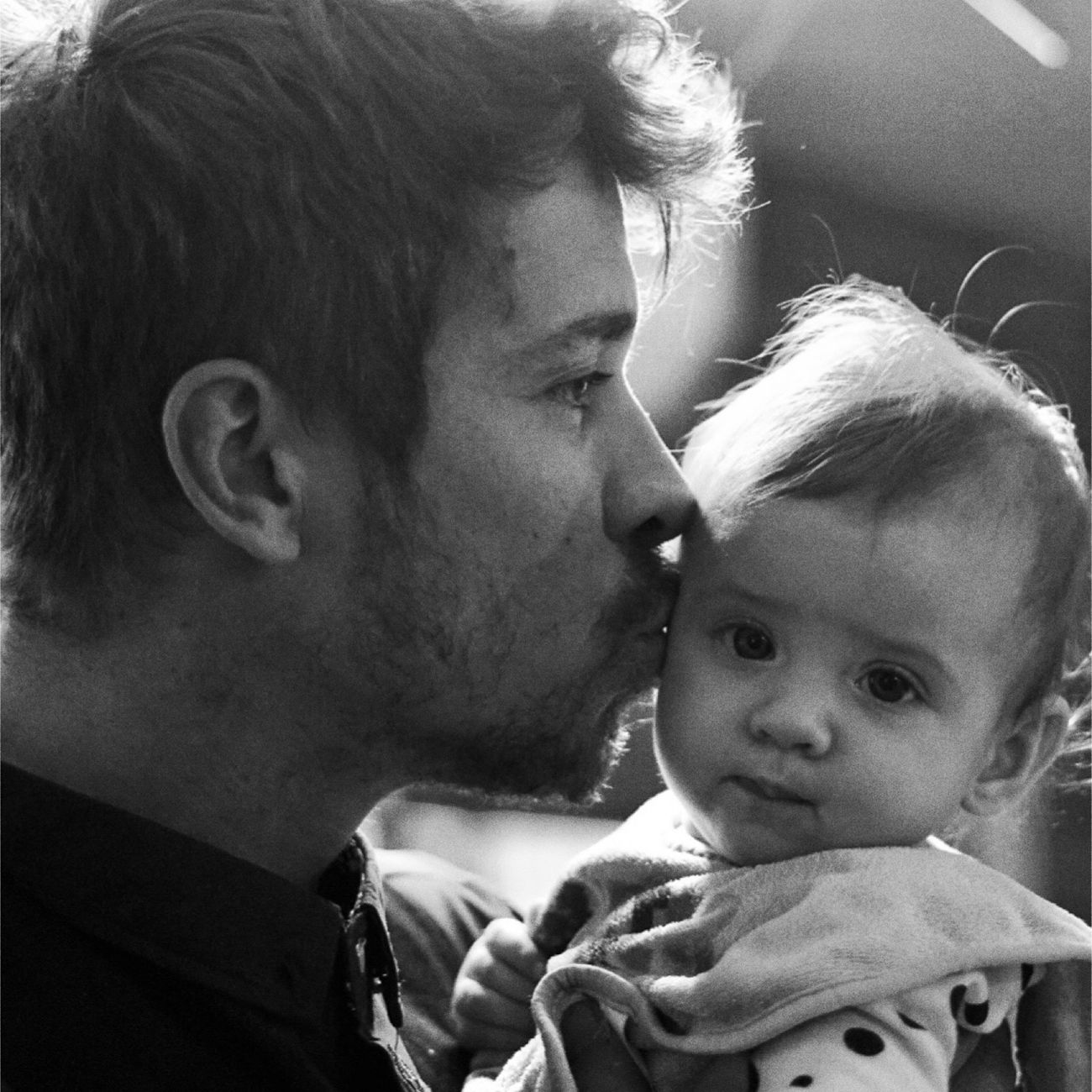
Attachment Theory. Related terms: Secure Base, Caregiver Sensitivity. This foundational framework describes how infants form emotional bonds with caregivers, influencing their willingness to explore movement spaces. In baby dance, a secure attachment encourages children to try new steps knowing the parent will provide support. Example: A toddler hesitates before a spin; the parent’s reassuring hand acts as a secure base, prompting the child to attempt the movement. Practical application includes pairing each new activity with a consistent cue (e.G., A gentle hug) to reinforce safety. Challenges arise when caregivers are distracted or inconsistent, potentially creating anxiety that limits the child’s willingness to engage fully.
Ballet Basics – Concept #
Fundamental Ballet Principles. Related terms: Posture, Alignment, Turnout. Introducing simple ballet concepts helps young children develop body awareness and graceful movement patterns. For instance, teaching “straight back, lifted shoulders” while holding a parent’s hand cultivates proper alignment. Practical use involves short, 5‑minute sessions where parents model a plié while the child mirrors the motion. The main challenge is maintaining attention span; toddlers may find repetitive positions boring, so instructors must weave playful narratives to sustain interest.
Body Awareness – Concept #
Sensory-Motor Integration. Related terms: Proprioception, Kinesthetic Sense. Body awareness is the child’s ability to sense where their limbs are without looking, essential for coordinated dance steps. An activity such as “touch your nose while standing on one foot” encourages children to feel weight distribution. Parents can reinforce the skill by verbally labeling sensations (“you feel the floor under your foot”). Challenges include children with delayed proprioceptive development who may need extra tactile cues or slower progression.
Bouncing Rhythm – Concept #
Pulse‑Based Movement. Related terms: Beat, Tempo, Groove. Using gentle bouncing as a rhythmic anchor helps infants internalize musical timing. A parent can bounce a child’s knees in time with a drum beat, creating a physical representation of rhythm. Practical application includes transitioning from bounce to a step‑pattern once the child anticipates the beat. The difficulty lies in preventing overstimulation; too rapid a bounce can cause discomfort, so caregivers should monitor the child’s response and adjust speed accordingly.
Cuddle Cue – Concept #
Emotional Prompt. Related terms: Affection Signal, Comfort Gesture. A cuddle cue is a brief, nurturing embrace used to signal a shift in activity or to calm a child before a new movement sequence. For example, before starting a floor roll, the parent gives a quick hug, informing the child that a safe transition is coming. This cue aids emotional regulation, making the child more receptive to learning. The challenge is ensuring the cue does not become a dependency; children should gradually learn to tolerate brief pauses without needing constant physical reassurance.
Developmental Milestones – Concept #
Age‑Specific Physical Benchmarks. Related terms: Gross Motor Skills, Fine Motor Skills. Understanding typical milestones (e.G., Sitting unsupported at 6 months, walking at 12 months) allows instructors to tailor dance activities to each child’s capability. An activity for a 9‑month-old might involve assisted crawling to a music mat, while a 18‑month-old could practice simple jumps. Practical application includes regular observation checklists for parents to note progress. Challenges emerge when a child falls outside the expected range, requiring individualized adaptations and possibly consultation with pediatric specialists.
Dyadic Interaction – Concept #
Two‑Person Coordination. Related terms: Parent‑Child Synchrony, Mirroring. Dyadic interaction emphasizes the reciprocal exchange of movement between caregiver and child, fostering mutual responsiveness. An exercise where the parent lifts a child’s arms while the child mirrors the parent’s leg lift creates a shared movement loop. This strengthens social bonding and improves timing perception. Practical use involves alternating leader roles to give the child agency. The main challenge is balancing guidance with autonomy; excessive control can suppress the child’s creative input.
Emotional Resonance – Concept #
Affective Alignment. Related terms: Empathy, Mood Matching. When a parent’s emotional state mirrors the child’s, the child feels understood, enhancing willingness to explore movement. For instance, if a toddler shows frustration during a spin, the parent can express gentle concern (“I see this spin feels tricky”) before offering assistance. This resonance helps the child regulate emotions and stay engaged. Practical application includes teaching parents to name feelings during dance (“You look happy when we sway”). Challenges include parents unintentionally projecting their own stress, which can disrupt the child’s emotional equilibrium.
Facial Expression Mirror – Concept #
Non‑Verbal Communication. Related terms: Social Referencing, Visual Cueing. Mirroring facial expressions while dancing reinforces the child’s perception of emotional cues. A parent smiling while performing a gentle sway encourages the child to associate the movement with positive affect. Practical use: During a “happy hop” activity, the parent exaggerates a joyful face, prompting the child to imitate both the hop and the smile. The difficulty lies in cultural differences in facial expression interpretation; instructors should adapt cues to the family’s expressive norms.
Gentle Weight Transfer – Concept #
Controlled Load Shift. Related terms: Balance, Center of Gravity. Teaching children to move weight from one foot to another without abrupt motions builds stability. A parent can guide a child’s foot by lightly holding the ankle while the child shifts weight forward, feeling the change through the foot. Practical application includes “rock‑back‑rock‑forward” exercises on a soft mat. Challenges appear with children who have vestibular sensitivities; they may need slower transitions and additional tactile reassurance.
Heartbeat Sync – Concept #
Physiological Rhythmic Alignment. Related terms: Pulse Matching, Body Rhythm. Aligning movement with the caregiver’s heartbeat can create a calming, grounding effect for infants. Parents can place a hand on the child’s chest while gently rocking, allowing the child to feel the rhythmic pulse. This practice is especially useful during winding‑down segments of a class. Practical use involves transitioning from heartbeat sync to a soft musical beat, helping the child shift focus. The challenge is that some children may become overly reliant on the physical heartbeat cue, requiring gradual fading of the cue.
Imitative Movement – Concept #
Observational Learning. Related terms: Modeling, Replication. Children naturally copy the actions they see; using this propensity, parents demonstrate a simple step, and the child attempts to reproduce it. For example, a parent claps hands while stepping to the side; the child then tries the same sequence. Practical application includes “follow‑the‑leader” games that reinforce memory and sequencing. Challenges arise when the child misinterprets the movement, necessitating clear, slowed demonstrations and positive reinforcement for effort.
Joint Attention – Concept #
Shared Focus. Related terms: Eye Gaze, Pointing. Joint attention occurs when parent and child look at the same object or movement, establishing a communication channel. During a dance, a parent can point to a colored scarf and say, “Let’s follow the red scarf together,” inviting the child to track the motion. This enhances language development and movement coordination. Practical use includes incorporating objects that move with the music, fostering joint attention moments. The main difficulty is maintaining eye contact with very young infants who may have limited visual tracking abilities.
Kinesthetic Feedback – Concept #
Sensory Response to Movement. Related terms: Touch Cue, Pressure. Providing gentle pressure on a child’s leg as they extend it offers immediate feedback about the movement’s direction. Parents can press lightly on the calf while the child lifts the foot, reinforcing the correct motion. Practical application includes “press‑and‑release” drills to teach controlled extensions. Challenges include children who are overly sensitive to touch, requiring softer cues or alternative auditory signals.
Lateral Shift – Concept #
Side‑to‑Side Weight Transfer. Related terms: Side Step, Side Glide. Teaching lateral shifts helps children develop multidirectional balance. A parent can guide a child’s hip toward the left while holding a hand, then repeat to the right, creating a smooth side‑to‑side sway. Practical use involves integrating lateral shifts into a “wave” dance routine, encouraging fluid motion across space. The challenge is that some children may favor forward‑backward movements, needing encouragement to explore side pathways.
Motor Planning – Concept #
Sequencing Physical Actions. Related terms: Executive Function, Action Blueprint. Motor planning involves anticipating the steps needed for a movement before execution. Parents can verbally outline a simple routine (“First we lift arms, then we spin”) to help the child form a mental map. Practical application includes “story‑dance” sequences where each narrative beat corresponds to a movement, supporting cognitive‑motor integration. Challenges include children with developmental delays who may need repeated rehearsals and visual supports to solidify the plan.
Nurturing Touch – Concept #
Supportive Physical Contact. Related terms: Affectionate Contact, Safety Hold. Gentle, purposeful touch reassures the child during unfamiliar movements. For instance, a parent can place a hand on a child’s lower back while the child attempts a small hop, providing a sense of security. Practical use includes “hand‑on‑hip” guidance during balance tasks. The difficulty lies in avoiding over‑support, which can hinder the child’s development of independent balance; caregivers must gradually reduce contact as competence grows.
Observational Learning – Concept #
Learning Through Watching. Related terms: Modeling, Imitation. Children acquire new movements by observing peers or adults. In class, an instructor demonstrates a simple turn, and children are encouraged to replicate it. Parents can reinforce this at home by showing a short video of a dance step and then practicing together. Practical application includes “copy‑the‑move” circles where each child gets a turn to lead. Challenges arise when children have limited attention spans, requiring brief demonstrations and immediate practice.
Parent Modeling – Concept #
Adult Demonstration. Related terms: Role Modeling, Guided Participation. Parents act as live models for movement, showcasing proper form and enthusiasm. When a parent performs a graceful arm sweep, the child perceives both the visual and emotional cues. Practical use involves parents rehearsing a short routine before class to increase confidence. The main challenge is ensuring parents feel comfortable; lack of dance experience may cause hesitation, which can be mitigated through preparatory workshops.
Quiet Cue – Concept #
Subtle Transition Signal. Related terms: Soft Prompt, Gentle Signal. A quiet cue, such as a whispered “shh” or a light tap on the shoulder, indicates an upcoming change without startling the child. It is especially useful before moving from high‑energy dance to a calm cool‑down. Practical application includes pairing the cue with a visual cue (e.G., Lowering a lantern) to reinforce understanding. Challenges involve children who may not respond to low‑volume cues; in such cases, a slightly stronger but still gentle cue may be required.
Rhythmic Propagation – Concept #
Wave‑Like Timing Transfer. Related terms: Pulse Flow, Sequential Beat. This term describes how a rhythmic pattern travels through the body, from torso to limbs. Parents can demonstrate by clapping a steady beat on their chest, then moving the clap down the arms, encouraging the child to feel the beat’s journey. Practical use includes “body drum” activities where each body part represents a different instrument. The challenge is that children with limited body awareness may need slower tempos and exaggerated movements to perceive the propagation.
Safety Guidelines – Concept #
Risk Management Practices. Related terms: Protective Measures, Environment Check. Establishing clear safety protocols—non‑slippery flooring, age‑appropriate props, and constant supervision—prevents injuries. Parents are instructed to inspect the dance area for hazards before each session and to keep small objects away from infants. Practical application includes a pre‑class checklist that families complete together. Challenges arise when space constraints limit safe setup; creative use of portable mats and clear demarcations can mitigate risks.
Tempo Modulation – Concept #
Adjusting Speed of Movement. Related terms: Speed Variation, Dynamic Pace. Varying tempo helps children experience different energy levels. A parent can start a song at a slow tempo for a gentle sway, then increase speed for a lively hop. Practical use involves teaching children to match their steps to the music’s tempo, fostering auditory‑motor integration. The difficulty is that abrupt tempo changes may confuse some children; gradual accelerations are recommended for younger participants.
Unified Breath – Concept #
Synchronized Breathing. Related terms: Respiratory Coordination, Breath Awareness. Coordinating breath with movement enhances fluidity and calm. Parents can inhale while raising arms and exhale while lowering them, guiding the child to mirror the breath pattern. Practical application includes “breath‑and‑move” sequences during warm‑ups. Challenges include children who are too excited to regulate breathing; calming techniques such as humming can assist in establishing rhythm.
Visual Focus – Concept #
Directed Gaze. Related terms: Eye Tracking, Point of Interest. Encouraging children to look at a specific point during a movement improves precision. A parent can hold a colorful ribbon aloft and invite the child to follow its path while stepping. Practical use includes “follow‑the‑light” games where a flashlight beam moves across the floor, prompting the child to step onto illuminated spots. The challenge is that infants with limited visual acuity may need larger, high‑contrast objects to maintain focus.
Weight Shifting – Concept #
Dynamic Load Redistribution. Related terms: Balance Transfer, Center Shift. Teaching children to consciously move their weight from one foot to another builds core stability. Parents can gently guide a child’s hip toward the supporting foot while counting (“one, two, three”) to reinforce timing. Practical application includes “rock‑step” drills on a soft surface. Challenges include children who are overly rigid, requiring playful activities that naturally encourage weight migration, such as dancing with a rolling ball.
X‑Pattern Pathway – Concept #
Cross‑Over Movement Trajectory. Related terms: Diagonal Steps, Criss‑Cross Motion. This pattern involves moving in an “X” shape across the floor, promoting spatial awareness and coordination. Parents can demonstrate by stepping forward with the right foot while the left arm reaches across the body, then reversing. Practical use includes “X‑dance” games where children trace an X on a mat with their feet. The challenge is that diagonal steps can be confusing for beginners; breaking the pattern into two simple straight lines before combining them aids comprehension.
Yielding Resistance – Concept #
Controlled Opposing Force. Related terms: Soft Push, Gentle Counterforce. Introducing light resistance helps children develop muscle control. A parent can place a soft band around the child’s torso while the child attempts a forward lean, creating a gentle opposing force that the child must manage. Practical application includes “push‑and‑pull” activities with a resistance band during core strengthening. Challenges include ensuring the resistance is not too strong, which could cause frustration or strain; always start with minimal tension and increase gradually.
Zone of Proximal Development – Concept #
Optimal Learning Range. Related terms: Scaffolding, Guided Assistance. This educational principle defines the gap between what a child can do alone and what they can achieve with support. In baby dance, parents provide just enough assistance—such as a hand‑hold during a balance pose—to enable the child to succeed, then gradually remove the aid. Practical use includes a “support‑fade” schedule where assistance is reduced stepwise as competence grows. The main challenge is accurately gauging the child’s current level; over‑support can hinder independence, while under‑support may lead to failure and disengagement.