
Lead Paint Hazard Identification
Expert-defined terms from the Certified Professional in Lead Paint Removal in Construction course at LearnUNI. Free to read, free to share, paired with a professional course.
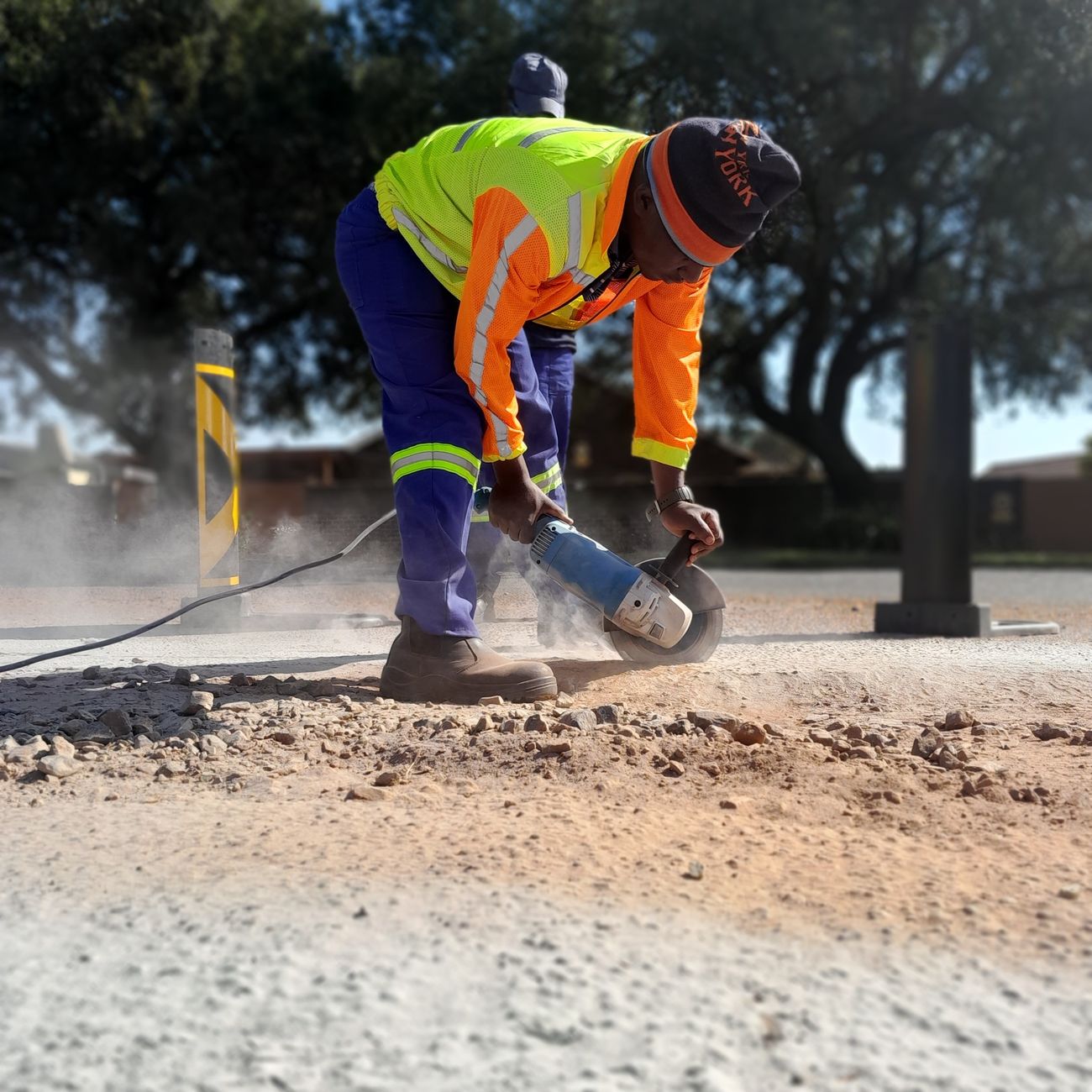
Air Monitoring – Related terms #
Personal Air Sampler, OSHA, PEL. Air monitoring measures the concentration of airborne lead particles during removal activities. Example: A contractor uses a calibrated pump to collect samples inside a sealed work area. Practical application: Data guide ventilation adjustments and determine when additional controls are needed. Challenges: Maintaining sampler placement accuracy amid shifting barriers and fluctuating work conditions.
Airborne Lead – Related terms #
Dust, Fume, Respirable Fraction. Airborne lead comprises fine particles generated by sanding, scraping, or heat application on lead‑based paint. Example: Sanding a deteriorated wall releases lead particles that remain suspended for hours. Practical application: Identifying airborne lead levels informs the selection of respirators and engineering controls. Challenges: Rapid spikes in concentration can exceed permissible exposure limits before monitoring starts.
ALARA – Related terms #
As Low As Reasonably Achievable, Risk Management. The ALARA principle directs that exposure to lead be minimized to the lowest practicable level, balancing safety with cost. Example: Selecting a low‑dust abrasive instead of a high‑speed grinder to reduce lead aerosol. Practical application: Drives decisions on work methods, containment, and PPE selection. Challenges: Determining what is “reasonable” in tight schedules or budget constraints.
ANSI/AIHA – Related terms #
Standard, Z9.2, Z9.3. The American National Standards Institute and American Industrial Hygiene Association publish guidance on lead exposure assessment and control. Example: ANSI/AIHA Z9.2 Outlines sampling procedures for surface lead. Practical application: Provides a benchmark for compliance audits and laboratory verification. Challenges: Keeping up with updates and aligning local protocols with evolving standards.
Asbestos‑Like Materials – Related terms #
Lead‑Based Paint, Hazardous Materials, Dual‑Containment. Certain lead‑paint formulations share fibrous characteristics that behave similarly to asbestos when disturbed. Example: A historic school has a lead‑paint coating that flakes into long fibers. Practical application: Requires combined asbestos and lead safety plans, double containment, and specialized air monitoring. Challenges: Increased regulatory scrutiny and need for dual certification of workers.
Baseline Clearance – Related terms #
Pre‑Work Survey, Initial Sampling, Reference Levels. Baseline clearance establishes the pre‑removal condition of lead levels in a work area. Example: Dust wipes taken before any disturbance show a lead loading of 2 µg/ft². Practical application: Serves as a comparison point for post‑removal clearance testing. Challenges: Variability in background lead levels can obscure true changes caused by work.
Blood Lead Level (BLL) – Related terms #
Biomonitoring, Medical Surveillance, Toxicity. BLL measures the amount of lead in a worker’s bloodstream, expressed in micrograms per deciliter (µg/dL). Example: A construction worker’s quarterly test shows a BLL of 8 µg/dL, below the CDC action level of 10 µg/dL. Practical application: Guides medical surveillance programs and determines if work restrictions are necessary. Challenges: Biological lag time may delay detection of acute exposure spikes.
Building Envelope – Related terms #
Exterior Walls, Moisture Barrier, Containment Strategy. The building envelope defines the outer shell that separates interior spaces from the external environment. Example: Removing lead paint from exterior stucco requires temporary sealing of windows and doors to maintain negative pressure. Practical application: Determines where containment barriers, decontamination zones, and ventilation systems are positioned. Challenges: Complex geometry and historic features can impede effective sealing.
Certified Lead Paint Inspector – Related terms #
Certification, Inspection, Risk Assessment. A Certified Lead Paint Inspector has completed specialized training and passed an exam on lead hazard identification. Example: An inspector conducts a Phase I survey to locate lead‑based paint in a 1970s office building. Practical application: Provides authoritative documentation for compliance and informs abatement planning. Challenges: Maintaining certification through continuing education and staying current with regulation changes.
Clearance Testing – Related terms #
Post‑Abatement Sampling, EPA Standards, Visual Inspection. Clearance testing verifies that lead levels after removal meet regulatory limits. Example: After a wall is stripped, wipe samples are taken and analyzed; results show 0.5 Μg/ft², below the 10 µg/ft² threshold. Practical application: Determines when occupants can safely re‑enter the space. Challenges: Ensuring representative sampling locations and preventing cross‑contamination during collection.
Control Measures – Related terms #
Engineering Controls, Administrative Controls, PPE. Control measures are actions taken to reduce lead exposure risk. Example: Installing a local exhaust ventilation system reduces airborne lead by 80 %. Practical application: Integrated into work plans to satisfy hierarchy of controls. Challenges: Balancing effectiveness with cost, especially on small‑scale projects.
Contamination – Related terms #
Cross‑Contamination, Secondary Lead, Decontamination. Contamination refers to the unintended spread of lead particles beyond the designated work zone. Example: Lead dust settles on adjacent clean tools, creating secondary hazards. Practical application: Drives the need for strict housekeeping, barrier integrity checks, and routine wipe testing. Challenges: Identifying hidden deposits in HVAC ducts or behind walls.
Decontamination – Related terms #
Cleaning, Wipe Sampling, Waste Management. Decontamination is the process of removing lead residues from surfaces, equipment, and personnel. Example: Workers shower and change into clean clothing before exiting the containment area. Practical application: Reduces the risk of off‑site exposure and satisfies regulatory release criteria. Challenges: Achieving thoroughness without excessive downtime or waste generation.
Dust Sampling – Related terms #
Wipe Test, ASTM E1728, Surface Loading. Dust sampling quantifies lead on surfaces using wipe collection methods. Example: A wipe taken from a countertop registers 12 µg/ft², exceeding the 10 µg/ft² clearance limit. Practical application: Provides data for risk assessment and clearance verification. Challenges: Ensuring consistent pressure, area coverage, and laboratory chain‑of‑custody.
EPA Lead Renovation, Repair and Painting (RRP) Rule – Related terms #
Section 402, Certification, Work Practices. The EPA RRP Rule mandates lead‑safe work practices for renovation projects disturbing lead‑based paint in pre‑1978 structures. Example: A contractor submits a compliance plan and uses certified workers for a school remodel. Practical application: Sets legal framework for training, containment, and documentation. Challenges: Interpreting exemptions and coordinating with state‑specific requirements.
EPA Lead Hazard Reduction – Related terms #
HUD, State Programs, Funding. Federal initiatives aim to reduce lead exposure in housing and child‑care environments through grants and technical assistance. Example: A city receives EPA funding to conduct bulk‑paint testing in low‑income neighborhoods. Practical application: Supports community‑level risk assessments and remediation projects. Challenges: Aligning federal objectives with local enforcement capacity.
Exposure Assessment – Related terms #
Air Monitoring, Biological Monitoring, Risk Modeling. Exposure assessment evaluates the magnitude, frequency, and duration of lead contact for workers and occupants. Example: Combining air sampling data with work‑time logs yields an estimated 5‑hour time‑weighted average exposure. Practical application: Informs the selection of control measures and medical surveillance thresholds. Challenges: Accounting for intermittent tasks and variable ventilation performance.
Fit Testing – Related terms #
Respirator, Seal Check, OSHA 1910.134. Fit testing verifies that a respirator forms an effective seal on the wearer’s face. Example: A worker undergoes a qualitative fit test using a saccharin aerosol before starting lead‑paint removal. Practical application: Ensures respiratory protection meets required Assigned Protection Factor (APF). Challenges: Re‑testing after facial changes, PPE damage, or shift changes.
Hazard Communication – Related terms #
MSDS, Labels, Training. Hazard communication conveys information about lead hazards, safe work practices, and emergency procedures. Example: Safety data sheets posted at the site detail lead‑based paint risks and PPE requirements. Practical application: Promotes awareness among all personnel, including subcontractors and visitors. Challenges: Overcoming language barriers and ensuring comprehension across diverse workforces.
Hazard Identification – Related terms #
Survey, Risk Assessment, Lead Detection. Hazard identification is the systematic process of locating and characterizing lead‑based paint hazards before work begins. Example: A Phase II inspection uses portable XRF to confirm lead content on interior walls. Practical application: Forms the basis for scope of work, containment design, and budgeting. Challenges: Detecting hidden layers behind plaster or in inaccessible cavities.
Lead‑Based Paint (LBP) – Related terms #
Pre‑1978, Hazardous Material, Paint Chip. Lead‑based paint contains ≥ 0.5 % Lead by weight and was widely used in residential and commercial construction before 1978. Example: A 1965 kitchen wall is coated with a glossy red paint that tests positive for lead. Practical application: Triggers regulatory requirements for any disturbance activities. Challenges: Differentiating lead paint from non‑lead coatings in mixed‑age structures.
Lead Hazard Control – Related terms #
Encapsulation, Removal, Interim Controls. Lead hazard control encompasses strategies to eliminate or reduce lead exposure risks. Example: Applying a high‑performance sealant over deteriorated lead paint creates a stable barrier. Practical application: Offers alternatives to full removal when budget or structural constraints exist. Challenges: Verifying long‑term effectiveness and meeting clearance criteria.
Lead Hazard Disclosure – Related terms #
Real Estate, HUD, Buyer Notification. Disclosure statutes require sellers to inform prospective buyers of known lead‑based paint hazards. Example: A property disclosure form lists interior walls painted before 1978 as potential lead sources. Practical application: Drives pre‑purchase inspections and informs renovation planning. Challenges: Incomplete records and hidden hazards can lead to nondisclosure.
Lead Paint – Related terms #
Coating, Lead Content, Deterioration. Lead paint is any coating that contains lead compounds, commonly lead carbonate or lead chromate, used for durability and pigmentation. Example: A peeling yellow exterior coat on a 1950s school contains 30 % lead. Practical application: Identifies surfaces that must be tested and possibly removed under the RRP Rule. Challenges: Aging, chalking, and flaking increase the likelihood of airborne lead release.
Lead Paint Abatement – Related terms #
Removal, Encapsulation, Interim Controls. Abatement refers to the process of eliminating lead hazards, typically through removal or encapsulation. Example: A certified abatement crew strips lead paint from a historic theater’s decorative plaster. Practical application: Restores safety, complies with regulations, and enables occupancy. Challenges: Managing large volumes of hazardous waste and preserving historic fabric.
Lead Paint Business Practices – Related terms #
Compliance, Documentation, Ethical Standards. Business practices encompass policies and procedures that ensure lead‑paint work is performed legally and safely. Example: A contractor maintains a log of all certified workers, training records, and clearance test results. Practical application: Facilitates audit readiness and reduces liability. Challenges: Keeping records up‑to‑date across multiple projects and subcontractors.
Lead Paint Certification – Related terms #
RRP, Training, Accreditation. Certification validates that an individual or firm has completed the required training and passed competency exams for lead‑safe work. Example: A firm displays its EPA‑approved certification badge on site. Practical application: Grants legal authority to perform renovation work on pre‑1978 structures. Challenges: Renewal requirements and differing state endorsement processes.
Lead Paint Contractor – Related terms #
License, Scope of Work, Subcontractor. A lead paint contractor is an entity authorized to execute lead‑hazard removal or control activities. Example: A specialty contractor is hired to remove lead‑based paint from a museum façade. Practical application: Provides expertise, equipment, and compliance oversight. Challenges: Coordinating with general contractors and ensuring all crew members retain certification.
Lead Paint Exposure – Related terms #
Inhalation, Ingestion, Dermal Contact. Exposure occurs when lead particles enter the body through breathing, swallowing, or skin absorption. Example: A worker inadvertently ingests lead dust after eating without washing hands. Practical application: Drives the need for hygiene protocols, PPE, and exposure monitoring. Challenges: Controlling ingestion pathways in fast‑paced construction environments.
Lead Paint Free – Related terms #
Verification, Clearance, Certification. “Lead paint free” describes a surface that has been tested and confirmed to contain no detectable lead. Example: After removal, a wall is sampled and shows <0.1 % Lead, meeting the “lead‑free” definition. Practical application: Enables unrestricted use of the area and eliminates ongoing monitoring. Challenges: Achieving complete removal in porous substrates and verifying with sensitive analytical methods.
Lead Paint Inspection – Related terms #
Phase I, Phase II, XRF. Inspection involves visual assessment and analytical testing to determine the presence of lead‑based paint. Example: An inspector conducts a Phase I walk‑through, followed by XRF spot checks on suspect areas. Practical application: Generates a hazard map that guides abatement scope. Challenges: Access limitations and distinguishing lead paint from other deteriorated finishes.
Lead Paint Removal – Related terms #
Stripping, Wet Sanding, Chemical Strippers. Removal is the physical elimination of lead‑based paint from a substrate. Example: Workers employ a low‑temperature heat gun and compatible chemical stripper to lift lead paint from wooden trim. Practical application: Provides a permanent solution when encapsulation is not feasible. Challenges: Controlling dust generation, waste disposal, and protecting underlying materials.
Lead Paint Sampling – Related terms #
Bulk Sample, Surface Sample, Laboratory Analysis. Sampling collects material for laboratory determination of lead content. Example: A 2‑gram bulk paint chip is sent for ICP‑MS analysis, confirming 22 % lead by weight. Practical application: Confirms hazard presence and informs risk ranking. Challenges: Obtaining representative samples without contaminating surrounding areas.
Lead Paint Standard – Related terms #
Regulation, Clearance Level, ASTM. Standards define acceptable lead levels for various media and outline testing methods. Example: The EPA’s “10 µg/ft²” dust clearance standard applies after abatement. Practical application: Provides benchmarks for compliance checks and project acceptance. Challenges: Reconciling differing standards across agencies (EPA, HUD, local health departments).
Lead Paint Work Practices – Related terms #
Containment, Hygiene, PPE. Work practices are procedural steps that mitigate lead exposure during removal or disturbance. Example: Establishing a negative‑pressure containment tent and using HEPA‑filtered vacuums during sanding. Practical application: Implements the hierarchy of controls on site. Challenges: Maintaining strict adherence when multiple crews work simultaneously.
Lead Hazard Control – Related terms #
Abatement, Interim Measures, Risk Reduction. Lead hazard control involves any action that reduces the probability of lead exposure, ranging from removal to surface sealing. Example: Installing a durable, lead‑free coating over a deteriorated wall serves as an interim control. Practical application: Allows continued occupancy while permanent solutions are planned. Challenges: Ensuring control measures remain effective over time and under environmental stress.
Lead Hazard Disclosure – Related terms #
Real Estate, Buyers, HUD. Disclosure informs prospective buyers about known lead‑based paint hazards in a property. Example: A seller provides a federally‑mandated lead disclosure form indicating pre‑1978 paint. Practical application: Enables buyers to make informed decisions and budget for remediation. Challenges: Incomplete historical records and hidden hazards can lead to inaccurate disclosures.
Lead Hazard Identification – Related terms #
Survey, Sampling, Risk Assessment. Identification is the systematic process of locating, characterizing, and documenting lead‑based paint hazards before work begins. Example: A certified inspector conducts a Phase II XRF survey, mapping lead concentrations across interior walls. Practical application: Establishes the scope of work, containment design, and compliance pathway. Challenges: Access limitations, layered paint systems, and variability in lead distribution.
Lead Hazard Reduction – Related terms #
Public Health, Funding, Community Programs. Reduction initiatives aim to lower lead exposure risk across populations, especially children. Example: A municipal grant funds bulk‑paint testing in low‑income housing, leading to targeted abatement. Practical application: Supports large‑scale removal campaigns and preventive education. Challenges: Securing sustained financing and coordinating multiple stakeholders.
Lead Hazard Risk Assessment – Related terms #
Exposure Modeling, Toxicology, Mitigation. Risk assessment quantifies the probability and severity of adverse health outcomes from lead exposure. Example: Using EPA’s Integrated Exposure Uptake Biokinetic (IEUBK) model to predict child BLLs based on surface lead data. Practical application: Prioritizes high‑risk areas for immediate remediation. Challenges: Data gaps, variability in behavior, and conservative assumptions that may over‑estimate risk.
Lead Safe Work Practices – Related terms #
Containment, PPE, Hygiene. Lead‑safe practices are prescribed methods that protect workers and occupants from lead exposure. Example: Workers don disposable coveralls, use HEPA‑vacuumed wipes for housekeeping, and perform a seal check before entering containment. Practical application: Meets EPA RRP requirements and reduces incident rates. Challenges: Ensuring consistent compliance across shifting crews and subcontractors.
Lead‑Safe Renovation – Related terms #
RRP Rule, Certified Contractor, Containment. Lead‑safe renovation refers to any remodeling activity that disturbs lead‑based paint in compliance with the EPA RRP Rule. Example: Updating a pre‑1978 kitchen involves certified workers, temporary barriers, and post‑renovation clearance testing. Practical application: Allows modernization while protecting health. Challenges: Balancing renovation timelines with the added steps for lead safety.
Lead‑Specific PPE – Related terms #
Respirator, Coveralls, Gloves. PPE designed for lead work includes disposable coveralls, N‑100 respirators, and nitrile gloves. Example: A worker wears a Tyvek suit and a half‑mask respirator equipped with P100 filters during paint stripping. Practical application: Provides barrier protection against inhalation and dermal absorption. Challenges: Proper donning/doffing procedures to avoid secondary contamination.
Lead Swabs – Related terms #
Field Test, Qualitative, Rapid Screening. Lead swabs are portable kits that provide immediate, qualitative indications of lead presence on surfaces. Example: A swab turns pink on a wall, signaling possible lead paint that warrants laboratory confirmation. Practical application: Allows quick hazard identification during site walk‑throughs. Challenges: False positives/negatives, limited sensitivity, and need for confirmatory testing.
Lead Toxicity – Related terms #
Neurodevelopmental Effects, Chronic Exposure, Biomarkers. Lead toxicity describes the adverse health effects resulting from lead accumulation in the body, especially in children. Example: Elevated BLLs correlate with reduced IQ scores and attention deficits. Practical application: Underpins regulatory limits and motivates stringent control measures. Challenges: Low‑level exposure may produce subtle, long‑term effects that are difficult to attribute.
Local Exhaust Ventilation – Related terms #
LEVA, Hoods, Filtration. Local exhaust ventilation captures airborne contaminants at the source and exhausts them through filtered ducts. Example: A portable hood positioned over a sanding area draws lead dust into a HEPA‑filtered collector. Practical application: Reduces worker inhalation exposure and ambient contamination. Challenges: Maintaining adequate capture velocity and preventing filter bypass.
Medical Surveillance – Related terms #
Health Monitoring, BLL Testing, Occupational Medicine. Medical surveillance programs track health outcomes for workers exposed to lead. Example: Quarterly blood lead tests and neurobehavioral evaluations are conducted for a crew removing lead paint. Practical application: Detects early signs of overexposure and triggers medical intervention. Challenges: Worker participation, confidentiality, and aligning surveillance with evolving exposure limits.
Personal Protective Equipment (PPE) – Related terms #
Respirator, Coveralls, Gloves. PPE provides a personal barrier against lead hazards when engineering controls cannot fully eliminate exposure. Example: A full‑face respirator with a P100 filter protects a worker during high‑dust activities. Practical application: Completes the hierarchy of controls by protecting the individual. Challenges: Proper fit testing, maintenance, and preventing contamination of clean zones.
Portable XRF Analyzer – Related terms #
Non‑Destructive Testing, Field Screening, Calibration. A portable X‑ray fluorescence (XRF) device rapidly determines lead content in paint without sampling. Example: An inspector scans a wall and obtains a reading of 15 % lead, confirming the presence of lead‑based paint. Practical application: Accelerates hazard identification and reduces need for destructive sampling. Challenges: Calibration drift, surface roughness effects, and limited detection in thin coatings.
Regulatory Compliance – Related terms #
EPA, OSHA, State Laws. Compliance ensures that lead‑paint activities meet all applicable federal, state, and local regulations. Example: A contractor submits a compliance plan that references the EPA RRP Rule, OSHA lead standards, and state abatement guidelines. Practical application: Avoids fines, legal liability, and project shutdowns. Challenges: Navigating overlapping jurisdictions and keeping abreast of regulatory updates.
Risk Management – Related terms #
Hazard Assessment, Mitigation, Insurance. Risk management involves identifying lead hazards, evaluating potential impacts, and implementing strategies to reduce likelihood and severity. Example: A project manager conducts a risk matrix, assigning higher priority to interior lead‑paint removal due to occupant exposure. Practical application: Guides resource allocation and contingency planning. Challenges: Quantifying intangible risks such as reputational damage.
Secondary Contamination – Related terms #
Cross‑Contamination, Off‑Site Spread, Decontamination. Secondary contamination occurs when lead particles migrate from the primary work area to adjacent zones or equipment. Example: Lead dust settles on a clean tool, later transported to a finished office space. Practical application: Necessitates rigorous housekeeping, barrier integrity checks, and post‑work decontamination. Challenges: Detecting invisible deposits and preventing inadvertent spread through HVAC systems.
Soil Lead – Related terms #
Outdoor Sampling, Lead‑Based Paint Leaching, Remediation. Soil lead originates from historic exterior paint, gasoline emissions, and industrial sources. Example: Soil testing around a 1950s house reveals 600 ppm lead, exceeding the EPA residential limit of 400 ppm. Practical application: Guides landscaping decisions and may require soil removal or stabilization before exterior work. Challenges: Distinguishing paint‑derived lead from other sources and managing large‑area remediation.
Surface Sampling – Related terms #
Wipe Test, Dust Loading, ASTM E1728. Surface sampling collects lead residues from floors, windowsills, and other horizontal surfaces. Example: A wipe taken from a window ledge shows 8 µg/ft², below the 10 µg/ft² clearance threshold. Practical application: Monitors housekeeping effectiveness and verifies clearance. Challenges: Consistent pressure application and avoiding cross‑contamination between samples.
Targeted Lead Abatement – Related terms #
Selective Removal, Cost‑Effective, Risk Prioritization. Targeted abatement focuses resources on the most hazardous lead‑paint locations rather than blanket removal. Example: Removing lead paint only from a child’s bedroom while encapsulating paint elsewhere. Practical application: Reduces project cost while protecting high‑risk occupants. Challenges: Ensuring that non‑treated areas remain stable and do not become future exposure sources.
Training – Related terms #
Certification, OSHA 10‑Hour, Continuing Education. Training equips workers with knowledge of lead hazards, safe work practices, and regulatory requirements. Example: A crew completes a 4‑hour RRP certification course before beginning a school renovation. Practical application: Improves compliance, reduces incidents, and satisfies employer obligations. Challenges: Retaining information over time and adapting training to diverse literacy levels.
Work Area Containment – Related terms #
Negative Pressure, Barrier Systems, Zoning. Containment isolates the lead‑paint work zone from surrounding areas using physical barriers and pressure differentials. Example: A polyethylene sheeting enclosure with a filtered exhaust creates a sealed environment for interior stripping. Practical application: Prevents spread of lead dust to occupied spaces. Challenges: Maintaining barrier integrity around doors, vents, and utility penetrations.
Work Practice Standards – Related terms #
EPA RRP, OSHA, ANSI. Standards prescribe the specific methods and procedures for safe lead‑paint removal. Example: The EPA RRP standard mandates a 0.5 Ft³/min negative pressure for interior containment. Practical application: Provides a benchmark for inspection and enforcement. Challenges: Translating written standards into consistent field actions across varied job sites.
Zinc Chromate – Related terms #
Lead‑Based Pigment, Corrosion Inhibitor, Hazardous Material. Zinc chromate was historically used as a pigment and corrosion inhibitor in industrial coatings, often co‑existing with lead. Example: A metal façade painted with a yellow zinc‑chromate primer tests positive for lead content. Practical application: Requires dual hazard assessment for both lead and hexavalent chromium. Challenges: Managing overlapping regulatory requirements and ensuring worker protection from both toxicants.