
Stadium Infrastructure Planning
Expert-defined terms from the Certificate in Stadium Technology Integration (Foundation) course at LearnUNI. Free to read, free to share, paired with a professional course.
A #
A
ADA Compliance – Related terms #
Accessibility Standards, Universal Design. A set of design requirements ensuring that stadium facilities are accessible to individuals with disabilities, covering seating, restrooms, ingress/egress routes, signage, and assistive technologies. Challenges include retrofitting older venues and balancing aesthetic goals with functional accessibility.
Acoustic Modeling – Related terms #
Sound Propagation, Reverberation Time. The computational analysis of how sound travels within a stadium, influencing speaker placement, roof geometry, and material selection to achieve clear public address systems and optimal fan experience. Example: Using ray‑tracing software to predict echo patterns in a bowl‑shaped arena.
Advanced Ticketing Integration – Related terms #
Dynamic Pricing, RFID. Systems that link seat inventory with mobile apps, loyalty programs, and real‑time analytics, allowing for personalized offers and streamlined entry. A key challenge is ensuring data security while maintaining low latency during peak entry periods.
Airflow Management – Related terms #
HVAC Zoning, Ventilation Rate. Strategies for controlling indoor air movement to maintain comfort, reduce energy use, and meet health guidelines. Includes designing louvers, stack effect exploitation, and integrating demand‑controlled ventilation sensors.
Aluminum Seating Systems – Related terms #
Modular Bleachers, Corrosion‑Resistant Coatings. Lightweight, recyclable seating options that allow rapid reconfiguration. Example: Snap‑together aluminum frames that can be swapped for standing areas or hospitality suites.
Anchorage Design – Related terms #
Structural Loads, Seismic Bracing. The methodology for securing large roof panels, video boards, and lighting rigs to the stadium’s primary structure, ensuring load transfer and compliance with wind and seismic codes.
Arboriculture Planning – Related terms #
Green Buffer Zones, Stormwater Management. Incorporating trees and vegetation into stadium perimeters to improve aesthetics, reduce heat island effect, and manage runoff. Requires species selection based on climate and maintenance constraints.
Artificial Turf Systems – Related terms #
Shock Pad, In‑fill Materials. Engineered playing surfaces composed of synthetic fibers, backing, and infill designed to mimic natural grass. Considerations include player safety metrics, drainage capacity, and lifecycle cost analysis.
Asset Management Software – Related terms #
CMMS, Lifecycle Costing. Digital platforms that track the condition, maintenance schedules, and depreciation of stadium components such as seating, lighting, and mechanical equipment. Enables predictive maintenance and budget forecasting.
Attendee Flow Analytics – Related terms #
Pedestrian Simulation, Queue Theory. Use of sensors, video analytics, and simulation models to predict crowd movement patterns, identify bottlenecks, and optimize wayfinding signage. Example: Heat‑map dashboards showing peak congestion points during ingress.
B #
B
Back‑of‑House Logistics – Related terms #
Loading Docks, Service Corridors. Planning the movement of equipment, food, and personnel behind the scenes, ensuring that stage setups, concessions, and cleaning crews operate without disrupting spectator areas. Challenges include limited underground space and coordination with event schedules.
Barriers and Fencing Systems – Related terms #
Perimeter Security, Crash‑Test Rated Panels. Physical structures that define stadium boundaries, protect spectators, and control crowd flow. Modern designs incorporate modular steel or composite panels that can be quickly re‑configured for different event types.
Base Isolation – Related terms #
Seismic Mitigation, Rubber Bearings. A structural technique that decouples the stadium’s superstructure from ground motion, reducing earthquake forces transmitted to the building. Often used in regions with high seismic risk.
Bench Seating Configuration – Related terms #
Continuous Seating, Seat Pitch. A layout where rows of fixed seats are installed without individual armrests, maximizing capacity in certain sections while reducing cost. Requires careful planning of sightlines and egress widths.
Biophilic Design – Related terms #
Natural Light Integration, Living Walls. Incorporating natural elements such as daylight, vegetation, and organic forms to enhance spectator wellbeing. Example: A roof with integrated skylights and a surrounding park that serves both fans and the community.
Building Information Modeling (BIM) – Related terms #
3D Coordination, Clash Detection. A digital representation of the stadium’s physical and functional characteristics, enabling interdisciplinary collaboration, cost estimation, and facility management throughout the project lifecycle.
Carbon Neutrality Goals – Related terms #
Renewable Energy Procurement, Embodied Carbon. Targets set to balance greenhouse‑gas emissions from construction and operation with offset measures. Involves detailed carbon accounting, selection of low‑emission materials, and on‑site solar installations.
Ceiling Grid Systems – Related terms #
Suspended Lighting, Acoustic Baffles. Structural frameworks that support overhead equipment such as scoreboards, speakers, and lighting fixtures. Must accommodate load ratings, adjustability, and integration with fire suppression systems.
Clear Span Design – Related terms #
Long‑Span Trusses, Column‑Free Interiors. Architectural approaches that eliminate interior columns to provide unobstructed sightlines. Requires advanced engineering of steel or engineered timber arches and may involve post‑tensioned concrete.
Coaching Box Placement – Related terms #
Team Bench Layout, Field of Vision. Determining optimal location for coaches’ areas to ensure communication with players while maintaining safety and compliance with league regulations.
Concourse Width Standards – Related terms #
Egress Capacity, Wayfinding Signage. Minimum dimensions for circulation paths that allow simultaneous two‑way traffic, wheelchair access, and emergency evacuation. Typically defined by local building codes and occupancy calculations.
Construction Phasing Plans – Related terms #
Critical Path Method, Staging Areas. Sequencing of site activities to minimize disruption, manage budget cash flow, and coordinate with seasonal event calendars. Example: Completing the main bowl before installing the roof to allow earlier ticket sales.
Control Room Ergonomics – Related terms #
Operator Visibility, Human‑Machine Interface. Designing the central hub where lighting, sound, and video systems are managed, focusing on screen placement, adjustable consoles, and acoustic isolation to reduce operator fatigue.
Crowd‑Sourced Funding Models – Related terms #
Community Bonds, Equity Crowdfunding. Financing structures where local supporters contribute capital in exchange for benefits such as naming rights, membership privileges, or revenue shares. Requires transparent governance and clear ROI projections.
D #
D
Data‑Driven Seating Allocation – Related terms #
Predictive Analytics, Dynamic Seat Mapping. Using historical attendance data and real‑time ticket sales to assign seats that maximize revenue while balancing fan experience, such as grouping season ticket holders with friends.
Deck Height Optimization – Related terms #
Sightline Geometry, Rake Angle. Calculating the vertical distance between successive rows to ensure unobstructed views for all spectators. Involves the use of C‑value and view‑obstruction formulas.
Demountable Roof Systems – Related terms #
Retractable Structures, Hydraulic Actuators. Roofs that can be opened or closed depending on weather, offering flexibility for indoor/outdoor events. Design challenges include sealing, structural redundancy, and maintenance of moving components.
Digital Twin Technology – Related terms #
Real‑Time Monitoring, Predictive Maintenance. A virtual replica of the stadium that synchronizes with sensor data to simulate performance, energy use, and crowd dynamics, enabling proactive decision‑making.
Disaster Resilience Planning – Related terms #
Flood Mitigation, Continuity of Operations. Strategies to protect stadium assets from natural hazards such as hurricanes, floods, or wildfires, incorporating elevated utilities, water‑resistant materials, and emergency power supplies.
Drainage Layer Design – Related terms #
Permeable Concrete, Sub‑Base Grading. Engineering the subsurface system beneath the playing field to quickly remove water, prevent pooling, and protect the turf. Includes calculations for infiltration rates and pipe sizing.
Electrical Load Balancing – Related terms #
Power Distribution Units, Smart Grid Integration. Distribution of electrical demand across phases to avoid overloads, improve efficiency, and enable renewable energy sources like on‑site solar arrays.
Elevated Walkways – Related terms #
Wayfinding Loops, Accessibility Ramps. Elevated paths that allow spectators to move above congested ground‑level zones, often used in multi‑tier stadiums for concession access and emergency egress.
Energy Recovery Ventilation (ERV) – Related terms #
Heat Exchanger, Indoor Air Quality. Systems that capture energy from exhaust air to pre‑condition incoming fresh air, reducing heating and cooling loads while maintaining ventilation standards.
Environmental Impact Assessment (EIA) – Related terms #
Mitigation Measures, Stakeholder Consultation. Formal study of a stadium project’s effects on ecosystems, water resources, and local communities, required for permitting and public approval.
Exterior Lighting Design – Related terms #
Illuminance Levels, Light Pollution Controls. Planning façade illumination, parking lot lighting, and accent lighting to enhance safety, brand identity, and night‑time aesthetics while complying with dark‑sky regulations.
Facade Material Selection – Related terms #
Thermal Breaks, Weathering Steel. Choosing cladding systems that provide durability, visual impact, and energy performance. Example: Using insulated metal panels with low emissivity coatings to reduce heat gain.
Fan Engagement Platforms – Related terms #
Mobile Apps, Augmented Reality. Digital services that deliver real‑time statistics, interactive maps, and loyalty rewards, enriching the in‑stadium experience and gathering data for future improvements.
Fire Safety Strategy – Related terms #
Sprinkler Zones, Smoke Control Systems. Integrated approach that includes detection, suppression, egress design, and material fire‑ratings to meet NFPA or local fire codes. Requires regular testing and coordination with local fire departments.
Floor Load Capacity – Related terms #
Live Load, Structural Reinforcement. Determining the maximum weight that decks, stages, and temporary installations can support, essential for concerts and large equipment loads.
Foundational Soil Stabilization – Related terms #
Geotextiles, Deep Soil Mixing. Techniques to improve bearing capacity of the site, preventing settlement and ensuring long‑term structural integrity of the stadium’s footings.
Friction‑Reduced Seating Surfaces – Related terms #
Anti‑Slip Coatings, Material Hardness. Surface treatments that reduce the risk of falls when spectators stand or move between rows, especially in humid climates.
Future‑Proofing Infrastructure – Related terms #
Scalable Cabling, Modular Concessions. Designing systems with excess capacity, adaptable interfaces, and flexible layouts to accommodate emerging technologies like 5G, immersive displays, or autonomous vehicle drop‑offs.
G #
G
Geotechnical Survey – Related terms #
Borehole Logging, Soil Bearing Tests. Investigation of subsurface conditions to guide foundation design, identify potential settlement issues, and determine the need for piles or mat foundations.
Glass Curtain Wall Systems – Related terms #
Structural Glazing, Solar Control Films. Transparent façade assemblies that provide visual connection with the surrounding environment while meeting wind load and thermal performance criteria.
Green Roof Installation – Related terms #
Sedum Mat, Stormwater Retention. Vegetated roofing that reduces heat island effect, provides insulation, and creates additional public space. Requires waterproof membranes, root barriers, and maintenance plans.
Groundwater Management – Related terms #
Perimeter Drain Tiles, De‑watering Pumps. Strategies to control the water table around the stadium site, preventing hydrostatic pressure on foundations and reducing seepage into lower levels.
Gymnasium Integration – Related terms #
Multi‑Use Spaces, Acoustic Separation. Incorporating ancillary athletic facilities within the stadium complex, requiring sound isolation and flexible partitioning to allow simultaneous events.
HVAC Zoning Strategies – Related terms #
Variable Air Volume (VAV), Thermal Comfort Maps. Dividing the stadium into distinct climate zones (e.G., Suites, concourses, field house) to optimize energy use and maintain consistent temperature and humidity levels.
Hybrid Lighting Systems – Related terms #
LED Retrofit, Daylight Harvesting. Combining traditional fixtures with LED technology and sensors that dim lights in response to natural daylight, reducing energy consumption while preserving illumination quality.
Impact‑Absorbing Structural Elements – Related terms #
Seismic Dampers, Energy‑Dissipating Braces. Incorporating devices that reduce the transmission of dynamic loads to the main structure during earthquakes or high‑wind events.
Ingress/Egress Modeling – Related terms #
NFPA 101, Pedestrian Flow Simulation. Analyzing how spectators enter and exit the venue under normal and emergency conditions, ensuring stairways, ramps, and doors meet capacity and travel‑time requirements.
Integrated Security Systems – Related terms #
Video Analytics, Access Control. Unified platform that combines CCTV, facial recognition, metal detectors, and intrusion alarms, allowing centralized monitoring and rapid response.
Interactive Wayfinding Kiosks – Related terms #
Touchscreen Maps, Beacon Technology. Self‑service stations that guide fans to seats, restrooms, or concessions, often linked to the stadium app for personalized routing.
Iron‑Core Truss Design – Related terms #
Load Path Analysis, Fabrication Tolerances. Structural framework using steel members that form the primary support for roofs and stands, requiring precise engineering to handle live loads, wind uplift, and snow.
Island Seating Configuration – Related terms #
Mid‑Level Pods, 360° Views. Seating sections located centrally within the arena floor, providing panoramic sightlines and often used for premium experiences. Requires careful load distribution and clear egress routes.
LED Scoreboard Programming – Related terms #
Content Management System, Real‑Time Data Feeds. Software and hardware that control the display of live video, statistics, and advertising, with capabilities for remote updates and dynamic sponsor rotation.
Lift‑Assist Parking Structures – Related terms #
Automated Guided Vehicles, Vertical Car Stackers. Mechanized parking solutions that increase capacity on limited footprints, often integrated with stadium entry points for seamless fan arrival.
Load‑Bearing Membrane Structures – Related terms #
Tensile Fabric, Pre‑Stressed Cables. Lightweight roofing or shading systems that span large areas, offering aesthetic flexibility and rapid installation while resisting wind loads.
Luminance Uniformity – Related terms #
Glare Control, Lighting Ratio. Measurement of how evenly light is distributed across the playing surface and spectator areas, critical for broadcast standards and visual comfort.
Machinery Access Planning – Related terms #
Heavy‑Lift Cranes, Staging Yards. Designing routes and clearances for construction and maintenance equipment, ensuring safe movement of large components such as roof trusses or video boards.
Maintenance Access Platforms – Related terms #
Catwalks, Retractable Ladders. Permanent or temporary structures that allow service personnel to reach lighting, sound, and structural elements for routine inspections and repairs.
Mass Transit Integration – Related terms #
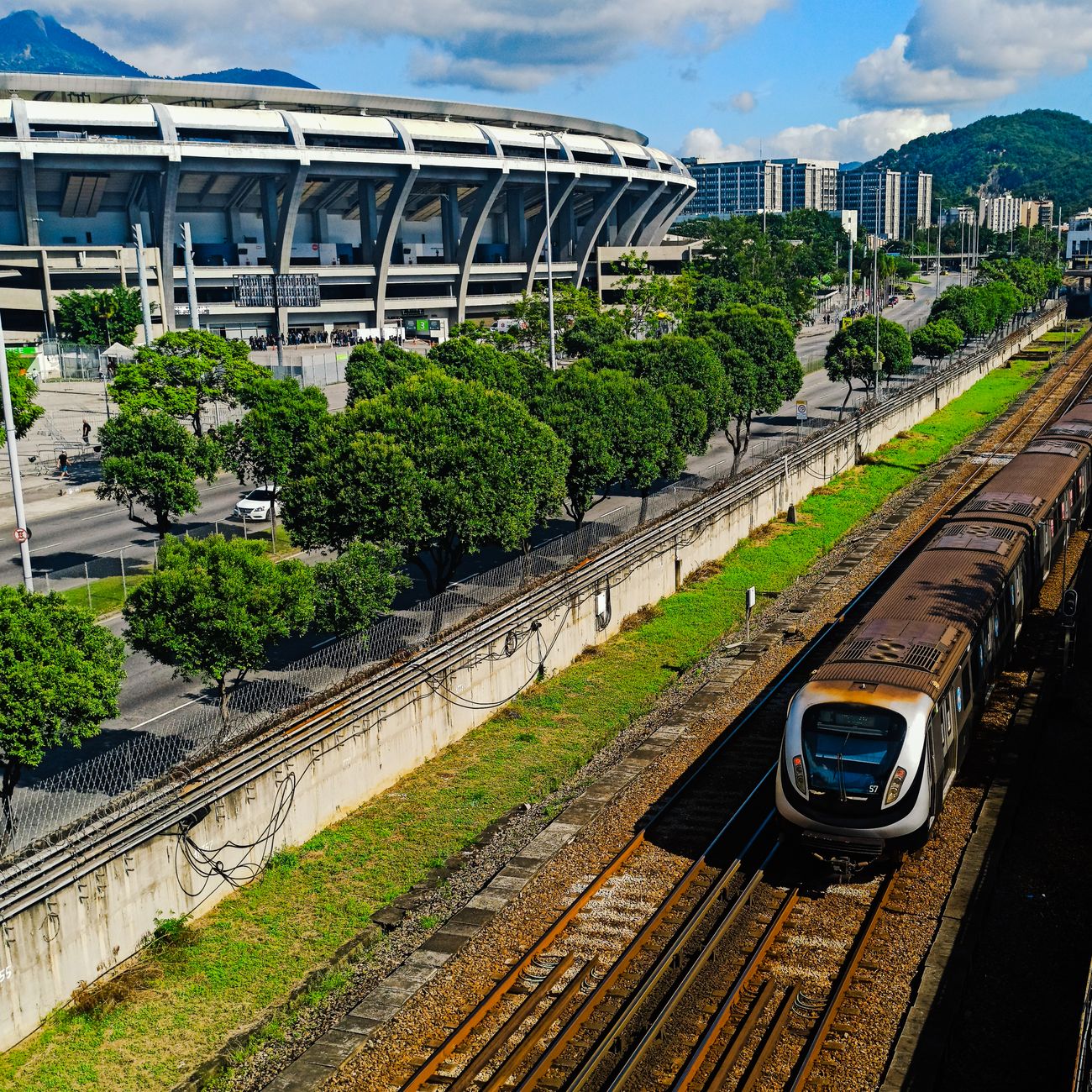
Rail Station Proximity, Shuttle Services. Coordinating stadium location and design with existing public transportation networks to reduce car dependency, include dedicated drop‑off zones, and provide real‑time transit information.
Masonry Wall Detailing – Related terms #
Rain Screen Systems, Thermal Insulation. Selecting and detailing brick, stone, or concrete block walls for aesthetic impact while ensuring moisture control and thermal performance.
Medical Facility Layout – Related terms #
First‑Aid Stations, Trauma Room Access. Positioning of on‑site medical suites, ambulance bays, and defibrillators to enable rapid response to injuries, with clear signage and unobstructed pathways.
Modular Concession Units – Related terms #
Prefabricated Pods, Utility Hook‑Ups. Stand‑alone food and beverage kiosks that can be re‑located or scaled according to event type, reducing construction time and allowing brand customization.
Monorail Connection – Related terms #
Elevated Guideway, Station Integration. Incorporating a dedicated monorail line that links the stadium to nearby districts, requiring structural supports, vibration isolation, and passenger flow design.
Multi‑Level Suite Design – Related terms #
Private Viewing Areas, Service Corridors. High‑end hospitality spaces located above general seating, featuring exclusive amenities, dedicated entrances, and sound insulation.
Natural Ventilation Strategies – Related terms #
Operable Louvers, Stack Effect. Designing openings that allow air movement without mechanical systems, reducing energy costs while maintaining indoor air quality.
Noise‑Control Barriers – Related terms #
Acoustic Paneling, Mass‑Loaded Vinyl. Materials and structures installed around the perimeter or under stands to limit sound spill into surrounding neighborhoods, meeting local ordinance limits.
Occupancy Sensor Networks – Related terms #
IoT Devices, Energy Management. Distributed sensors that detect presence in restrooms, corridors, and suites, automatically adjusting lighting and HVAC to conserve energy.
On‑Site Renewable Energy Systems – Related terms #
Solar Photovoltaic Arrays, Wind Turbines. Generating electricity directly at the stadium to offset consumption, often integrated with storage solutions for peak‑load coverage.
Operational Resilience Planning – Related terms #
Business Continuity, Redundant Power. Preparing for disruptions such as power outages, cyber‑attacks, or supply chain delays by establishing backup generators, fail‑over networks, and emergency staffing protocols.
P #
P
Parabolic Roof Geometry – Related terms #
Structural Efficiency, Acoustic Focusing. Curved roof forms that distribute loads evenly while enhancing sound reflection toward the field, often used in modern arena designs.
Perimeter Security Perimeter – Related terms #
Perimeter Fencing, Access Control Gates. The outer boundary that defines stadium limits, incorporating surveillance, intrusion detection, and controlled entry points.
Phased Commissioning – Related terms #
System Integration Testing, Performance Verification. Sequential testing of building systems (HVAC, lighting, fire safety) to validate functionality before full occupancy, reducing risk of post‑occupancy issues.
Pitch Drainage System – Related terms #
Sub‑Surface Perforated Pipes, Surface Grading. Network that quickly removes excess water from the playing surface, maintaining playability and preventing turf damage. Design includes slope calculations and pump capacity.
Plaza Design and Activation – Related terms #
Public Art, Food Truck Zones. Creating open spaces around the stadium that encourage community use before and after events, enhancing economic impact and social integration.
Power Distribution Architecture – Related terms #
Ring Main Units, Arc‑Fault Protection. Layout of electrical panels, feeders, and switchgear that supplies reliable power to lighting, broadcasting, and hospitality areas, with redundancy for critical loads.
Pre‑Fabricated Seating Modules – Related terms #
Factory Assembly, On‑Site Installation. Seats manufactured off‑site as complete units, allowing rapid installation, consistent quality, and reduced waste.
Pre‑Stressed Concrete Elements – Related terms #
Post‑Tensioned Slabs, Load Transfer. Concrete components that are tensioned before service loads are applied, increasing span capability and reducing cracking, commonly used for concourse slabs.
Projected Attendance Modeling – Related terms #
Market Analysis, Ticket Sales Forecast. Statistical techniques to estimate future crowd sizes, informing capacity planning, staffing, and concession inventory.
Public Address (PA) System Design – Related terms #
Line Array Speakers, Digital Signal Processing. Engineering the distribution of clear audio throughout the venue, balancing volume, intelligibility, and feedback control.
Queue Management Solutions – Related terms #
Virtual Ticketing, Mobile Wait Times. Technologies that allow fans to reserve spots for concessions or restrooms, reducing physical lines and improving satisfaction.
Rail‑Stiffened Steel Trusses – Related terms #
Moment Connections, Fabrication Detailing. Truss members reinforced with horizontal rails to increase torsional rigidity, essential for large roof spans.
Rainwater Harvesting Systems – Related terms #
Storage Tanks, Non‑Potable Distribution. Collecting runoff from roof surfaces for irrigation of surrounding landscapes or toilet flushing, supporting sustainability goals.
Reconfigurable Seating Modules – Related terms #
Sliding Track Systems, Locking Mechanisms. Seats that can be moved or folded to transform a section from fixed seating to standing room or hospitality space, providing event‑specific flexibility.
Reflective Roofing Materials – Related terms #
Cool Roof Coatings, Solar Reflectance Index. Roofing products that reflect solar radiation, lowering roof temperature and reducing cooling loads.
Renewable Energy Power Purchase Agreements (PPAs) – Related terms #
Virtual Net Metering, Long‑Term Contracts. Financial arrangements where the stadium purchases clean electricity from off‑site generators, achieving sustainability targets without on‑site installation.
Retrofitting Legacy Structures – Related terms #
Structural Reinforcement, Code Upgrade. Updating older stadiums to meet modern standards for safety, accessibility, and technology integration, often involving seismic upgrades and new service corridors.
Roof Load Distribution Analysis – Related terms #
Wind Tunnel Testing, Finite Element Modeling. Determining how snow, rain, and wind pressures are transferred through roof members to foundations, informing material selection and connection design.
Roof Access Safety Systems – Related terms #
Fall Arrest Nets, Guardrails. Protective equipment and procedures for maintenance crews working on elevated roof surfaces, complying with occupational safety regulations.
Run‑of‑River Hydro Power – Related terms #
Micro‑Hydro Generators, Environmental Flow. Small‑scale energy generation using natural water flow near the stadium site, offering supplemental renewable power without large dams.
Safety Signage Standards – Related terms #
ISO 7010, Wayfinding Icons. Guidelines for the design, color, and placement of signs indicating exits, hazards, and directional information, ensuring quick comprehension under stress.
Scalable Wi‑Fi Architecture – Related terms #
Mesh Networks, Capacity Planning. Designing wireless infrastructure that can handle tens of thousands of concurrent connections, with modular access points that can be added for larger events.
Seating Section Branding – Related terms #
Corporate Sponsorship, Graphic Wraps. Use of colors, logos, and digital displays within specific seating blocks to provide sponsor visibility and enhance fan identification.
Security Perimeter Intrusion Detection – Related terms #
Laser Tripwires, Ground Sensors. Technologies that monitor the outer fence for unauthorized entry, triggering alerts and integrating with central command.
Service Corridor Widths – Related terms #
Back‑of‑House Access, Equipment Clearance. Minimum dimensions required for staff and service vehicles to move efficiently between concession stands, restrooms, and storage areas.
Shade Structure Engineering – Related terms #
Canopy Tensile Systems, UV Protection. Designing overhead shading for spectator comfort, balancing structural load, wind uplift, and material translucency.
Side‑Wall Acoustic Treatment – Related terms #
Sound Absorbing Panels, Diffusers. Installing materials on interior walls to control reverberation, improve speech intelligibility, and enhance broadcast audio quality.
Smart Ticketing Platforms – Related terms #
Blockchain Authentication, Contactless Entry. Digital solutions that store tickets on mobile devices, enable secure transfer, and integrate with crowd analytics.
Solar Canopy Integration – Related terms #
Photovoltaic Carports, Structural Load Sharing. Installing solar panels above parking areas, providing shade and generating electricity, requiring coordination between structural and electrical designs.
Stadium Acoustic Modeling Software – Related terms #
Odeon, Acoustic Ray Tracing. Programs that simulate how sound behaves within the venue, informing speaker placement, roof geometry, and material choices.
Stadium Capacity Optimization – Related terms #
Seat Density, Regulatory Limits. Analyzing the balance between maximum attendance, comfort standards, and safety egress requirements to determine optimal seating count.
Stadium Lighting Controls – Related terms #
Dimming Protocols, Daylight Sensors. Automated systems that adjust illumination levels based on event type, time of day, and broadcast requirements, reducing energy use.
Structural Health Monitoring (SHM) – Related terms #
Fiber Optic Sensors, Real‑Time Data Analytics. Continuous observation of stress, strain, and vibration in critical structural components to detect degradation early.
Sub‑Structure Drainage Grates – Related terms #
Perforated Trench Covers, Maintenance Access. Surface openings that allow water to enter the underground drainage network while preventing debris blockage.
Supply Chain Logistics for Materials – Related terms #
Just‑In‑Time Delivery, Material Staging. Planning the procurement, storage, and transport of construction materials to minimize on‑site congestion and waste.
Surface Coating for Anti‑Graffiti – Related terms #
Nanocoatings, Easy‑Clean Finishes. Protective treatments applied to walls and signage that allow graffiti removal without damaging underlying materials.
Sustainable Procurement Policies – Related terms #
Local Sourcing, Environmental Product Declarations. Guidelines that prioritize low‑impact materials, recycled content, and vendors with verified sustainability practices.
Ticket Scanning Technologies – Related terms #
QR Code Readers, NFC Antennas. Devices used at entry points to validate tickets quickly, often integrated with crowd counting systems.
Traffic Impact Analysis – Related terms #
Peak Hour Volume, Signal Timing Optimization. Study of how event traffic will affect surrounding road networks, informing roadway improvements and parking strategies.
Transit‑Oriented Development (TOD) – Related terms #
Mixed‑Use Zoning, Pedestrian‑First Design. Planning that clusters residential, commercial, and recreational uses around the stadium to encourage public transport use.
Turnstile Capacity Planning – Related terms #
Throughput Rate, Queue Length. Determining the number and type of entry devices needed to process fans within acceptable wait times, factoring in peak arrival spikes.
Utility Coordination Plans – Related terms #
Storm Sewer Connections, Electrical Grid Interface. Aligning the stadium’s water, power, and communication utilities with municipal services to avoid conflicts and ensure redundancy.
Variable Message Signs (VMS) – Related terms #
LED Display Boards, Real‑Time Traffic Updates. Electronic signage placed around the venue to communicate directions, parking availability, and safety messages to arriving fans.
Ventilation Stack Effect Exploitation – Related terms #
Passive Airflow, Thermal Chimney Design. Designing vertical shafts that naturally draw warm air upward and expel it, enhancing indoor air quality without mechanical assistance.
Video Wall Calibration – Related terms #
Color Matching, Luminance Uniformity. Adjusting large display panels to ensure consistent image quality across the entire surface, critical for broadcast standards.
Visitor Experience Mapping – Related terms #
Customer Journey, Touchpoint Analysis. Charting the interactions a fan has from ticket purchase through post‑event exit, identifying opportunities for improvement in signage, amenities, and digital services.
Water Reclamation Systems – Related terms #
Greywater Recycling, Low‑Flow Fixtures. Capturing and treating water from sinks and showers for reuse in irrigation or toilet flushing, reducing overall consumption.
Wireless Spectrum Management – Related terms #
5G Deployment, Interference Mitigation. Allocating radio frequencies for stadium Wi‑Fi, cellular boosters, and broadcast equipment to avoid signal conflicts.
Zoning Compliance Review – Related terms #
Land Use Ordinances, Setback Requirements. Ensuring the stadium design conforms to local zoning codes regarding height, density, and permitted uses, often involving community outreach and variance requests.