
Conflict Resolution and Peacebuilding
Conflict Resolution and Peacebuilding are critical components of international relations and business diplomacy. Understanding the key terms and vocabulary associated with these concepts is essential for effectively navigating complex globa…
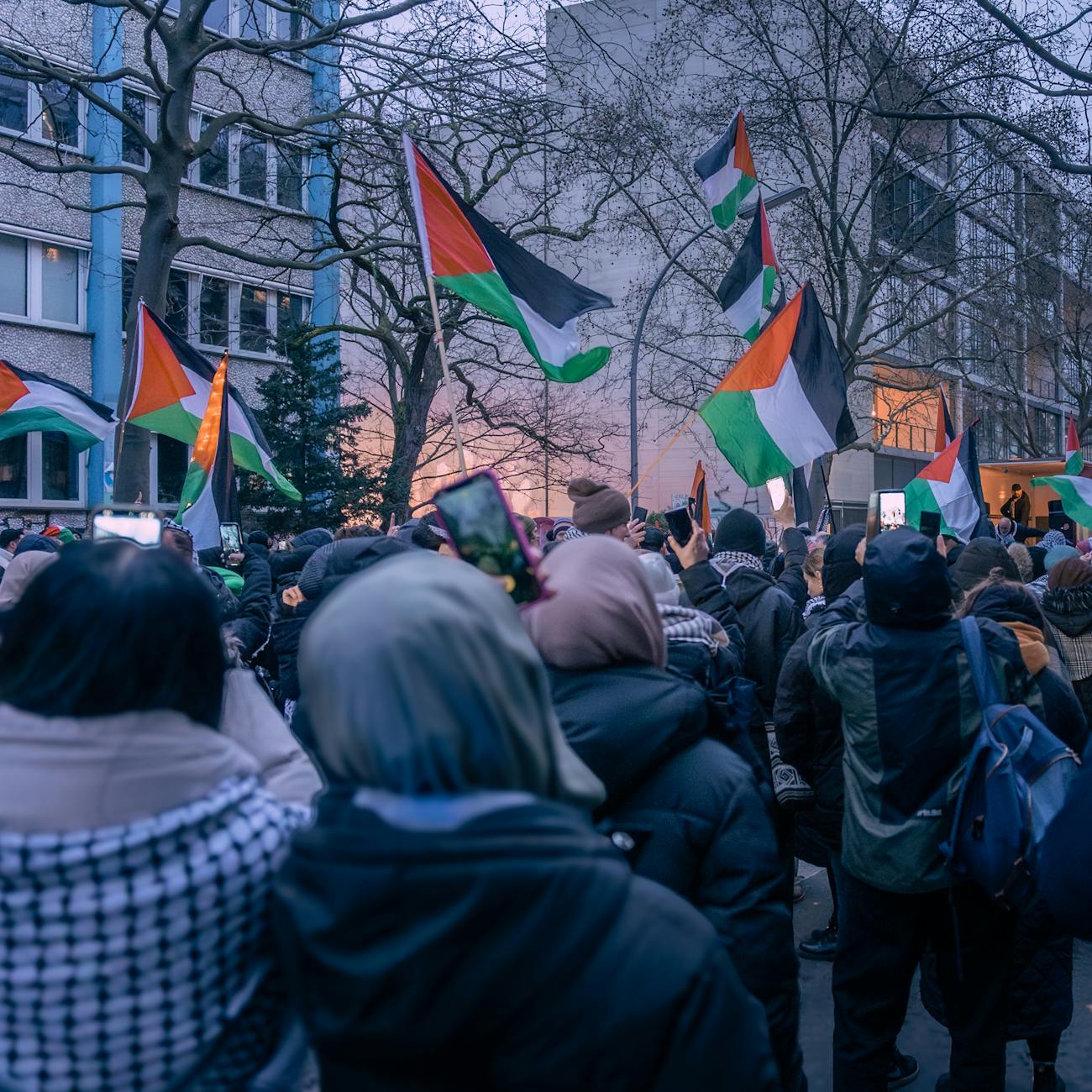
Conflict Resolution and Peacebuilding are critical components of international relations and business diplomacy. Understanding the key terms and vocabulary associated with these concepts is essential for effectively navigating complex global issues. Below is an in-depth explanation of important terms and concepts in Conflict Resolution and Peacebuilding.
**Conflict Resolution**: Conflict Resolution refers to the process of addressing and resolving disputes or disagreements between individuals, groups, or nations. It involves finding peaceful solutions to conflicts through negotiation, mediation, diplomacy, or other means. Conflict Resolution aims to prevent escalation of conflicts and promote understanding and cooperation among parties involved.
**Mediation**: Mediation is a form of Conflict Resolution where a neutral third party helps facilitate communication and negotiation between conflicting parties. The mediator does not make decisions or impose solutions but assists the parties in reaching a mutually acceptable agreement. Mediation is often used in international disputes, labor conflicts, family disputes, and community conflicts.
**Negotiation**: Negotiation is a process of communication and compromise between parties with conflicting interests. It involves give-and-take discussions aimed at reaching a mutually beneficial agreement. Negotiation can be formal or informal and is a key tool in resolving conflicts and reaching diplomatic solutions.
**Diplomacy**: Diplomacy is the practice of conducting negotiations and maintaining relations between nations. It involves communication, negotiation, and representation of a country's interests on the international stage. Diplomacy plays a crucial role in Conflict Resolution and Peacebuilding by fostering dialogue and building trust between conflicting parties.
**Peacebuilding**: Peacebuilding is a comprehensive approach to preventing, managing, and resolving conflicts in post-conflict societies. It involves promoting reconciliation, fostering sustainable development, strengthening institutions, and addressing root causes of conflict. Peacebuilding aims to create lasting peace and stability in war-torn regions.
**Conflict Transformation**: Conflict Transformation is a process of changing the dynamics of a conflict to promote positive outcomes and long-term peace. It goes beyond resolving disputes to address underlying issues, power imbalances, and structural violence. Conflict Transformation focuses on building relationships, promoting justice, and creating conditions for sustainable peace.
**Track I Diplomacy**: Track I Diplomacy refers to official government-led efforts to resolve conflicts through formal negotiations and diplomacy. It involves high-level officials, diplomats, and government representatives engaging in dialogue and decision-making processes. Track I Diplomacy is often used in international conflicts and peace negotiations.
**Track II Diplomacy**: Track II Diplomacy involves unofficial, non-governmental efforts to facilitate dialogue and build trust between conflicting parties. It includes civil society organizations, academic institutions, religious groups, and grassroots initiatives working to promote peace and reconciliation. Track II Diplomacy complements Track I efforts by creating space for informal discussions and innovative solutions.
**Conflict Analysis**: Conflict Analysis is the process of examining the root causes, actors, dynamics, and impacts of a conflict. It involves studying social, political, economic, and cultural factors that contribute to conflict escalation or resolution. Conflict Analysis helps identify underlying issues and inform effective Conflict Resolution strategies.
**Peacekeeping**: Peacekeeping refers to the deployment of international troops or observers to monitor and maintain peace agreements in conflict zones. Peacekeeping missions are authorized by the United Nations or regional organizations to support Conflict Resolution efforts and protect civilians. Peacekeeping aims to prevent violence, promote stability, and create a conducive environment for peacebuilding.
**Nonviolent Resistance**: Nonviolent Resistance is a strategy of peaceful protest, civil disobedience, and noncooperation to challenge oppression and injustice. It involves using nonviolent means to resist violence, discrimination, or authoritarian regimes. Nonviolent Resistance has been used in social movements, political campaigns, and conflicts to promote change and build sustainable peace.
**Conflict Transformation**: Conflict Transformation is a process of changing the dynamics of a conflict to promote positive outcomes and long-term peace. It goes beyond resolving disputes to address underlying issues, power imbalances, and structural violence. Conflict Transformation focuses on building relationships, promoting justice, and creating conditions for sustainable peace.
**Reconciliation**: Reconciliation is the process of healing and rebuilding relationships between individuals, groups, or nations after a conflict. It involves acknowledging past wrongs, seeking forgiveness, and working towards mutual understanding and trust. Reconciliation is essential for post-conflict societies to move forward and prevent future conflicts.
**Humanitarian Intervention**: Humanitarian Intervention is the use of military force or humanitarian aid to protect civilians from mass atrocities, such as genocide, war crimes, or ethnic cleansing. It is based on the principle of the responsibility to protect vulnerable populations from harm. Humanitarian Intervention is a controversial issue in international relations, as it raises questions about sovereignty, interventionism, and the use of force.
**Transitional Justice**: Transitional Justice refers to the process of addressing past human rights abuses and atrocities in post-conflict societies. It involves mechanisms such as truth commissions, trials, reparations, and institutional reforms to promote accountability, reconciliation, and healing. Transitional Justice aims to build a foundation for lasting peace and democracy.
**Gender Mainstreaming**: Gender Mainstreaming is an approach to integrating gender perspectives and promoting gender equality in all aspects of conflict resolution and peacebuilding. It involves analyzing how conflict affects men and women differently, addressing gender-based violence, and ensuring women's participation in decision-making processes. Gender Mainstreaming aims to create inclusive and sustainable peace processes.
**Civil Society**: Civil Society refers to non-governmental organizations, community groups, and grassroots movements that work to promote social change, human rights, and peace. Civil Society plays a crucial role in Conflict Resolution and Peacebuilding by providing alternative channels for dialogue, advocacy, and mobilization. Civil Society actors can influence policies, build networks, and empower communities to address conflicts peacefully.
**Intercultural Competence**: Intercultural Competence is the ability to communicate effectively and respectfully across cultural differences. It involves understanding diverse perspectives, values, and norms, and adapting one's behavior to different cultural contexts. Intercultural Competence is essential for successful Conflict Resolution and Peacebuilding in multicultural and globalized environments.
**Track III Diplomacy**: Track III Diplomacy refers to grassroots, people-to-people initiatives that promote dialogue and cooperation between communities affected by conflict. It involves cultural exchanges, youth programs, peace education, and interfaith dialogue to build bridges and foster understanding. Track III Diplomacy complements Track I and Track II efforts by engaging ordinary citizens in peacebuilding processes.
**Conflict Sensitivity**: Conflict Sensitivity is the ability to understand and mitigate the impact of interventions on conflict dynamics and local communities. It involves assessing how programs, policies, and projects may contribute to or exacerbate conflicts and taking measures to minimize harm. Conflict Sensitivity is crucial for ensuring that interventions support peacebuilding efforts and do not inadvertently fuel violence or tensions.
**Post-Conflict Reconstruction**: Post-Conflict Reconstruction is the process of rebuilding infrastructure, institutions, and communities in war-torn or conflict-affected areas. It involves recovery, reconciliation, and development initiatives aimed at restoring stability and promoting sustainable peace. Post-Conflict Reconstruction addresses challenges such as displacement, trauma, and economic devastation to create conditions for long-term peace and prosperity.
**Peace Education**: Peace Education is a holistic approach to teaching conflict resolution, human rights, and global citizenship in schools, universities, and communities. It aims to promote values of tolerance, empathy, and nonviolence among students and empower them to become agents of positive change. Peace Education fosters critical thinking, dialogue, and conflict transformation skills essential for building a more peaceful world.
**Interfaith Dialogue**: Interfaith Dialogue is a process of communication and cooperation between different religious communities to promote understanding, respect, and cooperation. It involves sharing beliefs, values, and practices to build bridges and address common challenges. Interfaith Dialogue plays a crucial role in Conflict Resolution and Peacebuilding by promoting religious tolerance, reconciliation, and social cohesion.
**Human Rights**: Human Rights are fundamental rights and freedoms that all individuals are entitled to, regardless of race, nationality, religion, or gender. They include rights to life, liberty, equality, and dignity, as well as protections against discrimination, torture, and arbitrary detention. Human Rights serve as a foundation for Conflict Resolution and Peacebuilding efforts by promoting justice, accountability, and respect for human dignity.
**Refugees and Displaced Persons**: Refugees and Displaced Persons are individuals who have been forced to flee their homes due to conflict, persecution, or violence. They seek safety and protection in other countries or regions, often facing challenges such as lack of shelter, food, and healthcare. Addressing the needs of refugees and displaced persons is a critical aspect of Conflict Resolution and Peacebuilding, as it involves providing humanitarian assistance, protection, and durable solutions for those affected by conflict.
**Security Sector Reform**: Security Sector Reform is the process of restructuring security institutions, such as police, military, and intelligence agencies, to promote accountability, transparency, and effectiveness. It aims to build professional, responsive, and human rights-compliant security forces that serve and protect the population. Security Sector Reform is essential for post-conflict societies to establish rule of law, prevent abuses, and maintain peace and stability.
**Rule of Law**: Rule of Law is the principle that all individuals, institutions, and governments are subject to and accountable under the law. It ensures equality, fairness, and justice in society by upholding legal norms, protecting human rights, and preventing arbitrary exercise of power. Rule of Law is essential for Conflict Resolution and Peacebuilding efforts to promote accountability, transparency, and respect for human rights.
**Truth and Reconciliation Commissions**: Truth and Reconciliation Commissions are official bodies established to investigate past human rights abuses, atrocities, and violations in post-conflict societies. They provide a platform for victims and perpetrators to share their experiences, seek truth and justice, and promote reconciliation. Truth and Reconciliation Commissions aim to address historical injustices, promote accountability, and prevent future conflicts.
**Development Aid**: Development Aid is financial, technical, and humanitarian assistance provided by governments, international organizations, and NGOs to promote economic growth, social welfare, and sustainable development in low-income countries. It aims to address poverty, inequality, and vulnerability by supporting education, healthcare, infrastructure, and livelihood opportunities. Development Aid plays a key role in Conflict Resolution and Peacebuilding by addressing root causes of conflicts and promoting inclusive and resilient societies.
**Climate Change and Conflict**: Climate Change and Conflict are interconnected global challenges that impact human security, natural resources, and social stability. Climate change can exacerbate conflicts over water, land, and resources, leading to displacement, food insecurity, and competition for scarce resources. Addressing climate change and its security implications is essential for Conflict Resolution and Peacebuilding efforts to build resilience, adapt to environmental changes, and promote sustainable peace.
**Cybersecurity and Conflict**: Cybersecurity and Conflict refer to the risks, threats, and vulnerabilities posed by cyber attacks, information warfare, and digital technologies in the context of conflict and peacebuilding. Cyber attacks can target critical infrastructure, communication networks, and sensitive information, leading to disruptions, espionage, and conflicts. Enhancing cybersecurity measures, promoting responsible use of technology, and building digital resilience are essential for addressing emerging threats and challenges in Conflict Resolution and Peacebuilding.
**Challenges in Conflict Resolution and Peacebuilding**: Despite the importance of Conflict Resolution and Peacebuilding efforts, there are several challenges and obstacles that can hinder progress and sustainability. These challenges include:
1. Lack of Political Will: Some governments or parties involved in conflicts may lack the political will or commitment to engage in dialogue, negotiation, or peacebuilding efforts, leading to prolonged conflicts and violence.
2. Power Imbalances: Power imbalances among conflicting parties can impede efforts to reach mutually acceptable agreements and sustainable peace. Addressing power asymmetries and ensuring inclusivity and representation are critical for effective Conflict Resolution.
3. Spoilers and Extremist Groups: Spoilers, such as extremist groups, warlords, or criminal networks, can disrupt peace processes, incite violence, and undermine peacebuilding efforts. Containing spoilers and addressing radicalization are key challenges in conflict-affected environments.
4. Lack of Resources: Insufficient financial, human, or technical resources can limit the effectiveness and sustainability of Conflict Resolution and Peacebuilding initiatives. Securing adequate funding, capacity-building, and coordination are essential for successful peace interventions.
5. Social and Cultural Barriers: Deep-seated social divisions, cultural norms, and historical grievances can create barriers to reconciliation, trust-building, and dialogue among conflicting parties. Overcoming social and cultural barriers requires sensitivity, empathy, and long-term engagement.
6. External Interference: External actors, such as neighboring countries, international organizations, or non-state actors, can influence or manipulate conflicts for their own interests, complicating Conflict Resolution efforts. Managing external interference and promoting regional cooperation are key challenges in conflict-prone regions.
**Conclusion**: Conflict Resolution and Peacebuilding are complex and multifaceted processes that require strategic planning, collaboration, and commitment from all stakeholders. By understanding the key terms and concepts associated with these fields, practitioners, policymakers, and scholars can navigate conflicts, promote dialogue, and build sustainable peace in a rapidly changing world. Addressing challenges, promoting inclusivity, and fostering resilience are essential for advancing Conflict Resolution and Peacebuilding efforts and creating a more peaceful and just global community.
Key takeaways
- Understanding the key terms and vocabulary associated with these concepts is essential for effectively navigating complex global issues.
- **Conflict Resolution**: Conflict Resolution refers to the process of addressing and resolving disputes or disagreements between individuals, groups, or nations.
- **Mediation**: Mediation is a form of Conflict Resolution where a neutral third party helps facilitate communication and negotiation between conflicting parties.
- **Negotiation**: Negotiation is a process of communication and compromise between parties with conflicting interests.
- Diplomacy plays a crucial role in Conflict Resolution and Peacebuilding by fostering dialogue and building trust between conflicting parties.
- It involves promoting reconciliation, fostering sustainable development, strengthening institutions, and addressing root causes of conflict.
- **Conflict Transformation**: Conflict Transformation is a process of changing the dynamics of a conflict to promote positive outcomes and long-term peace.