
Policy and Practice in Diversity Management
Diversity management is a critical aspect of modern organizations, as they strive to create inclusive workplaces that value and leverage differences among employees. This postgraduate certificate course in Diversity and Inclusion focuses on…
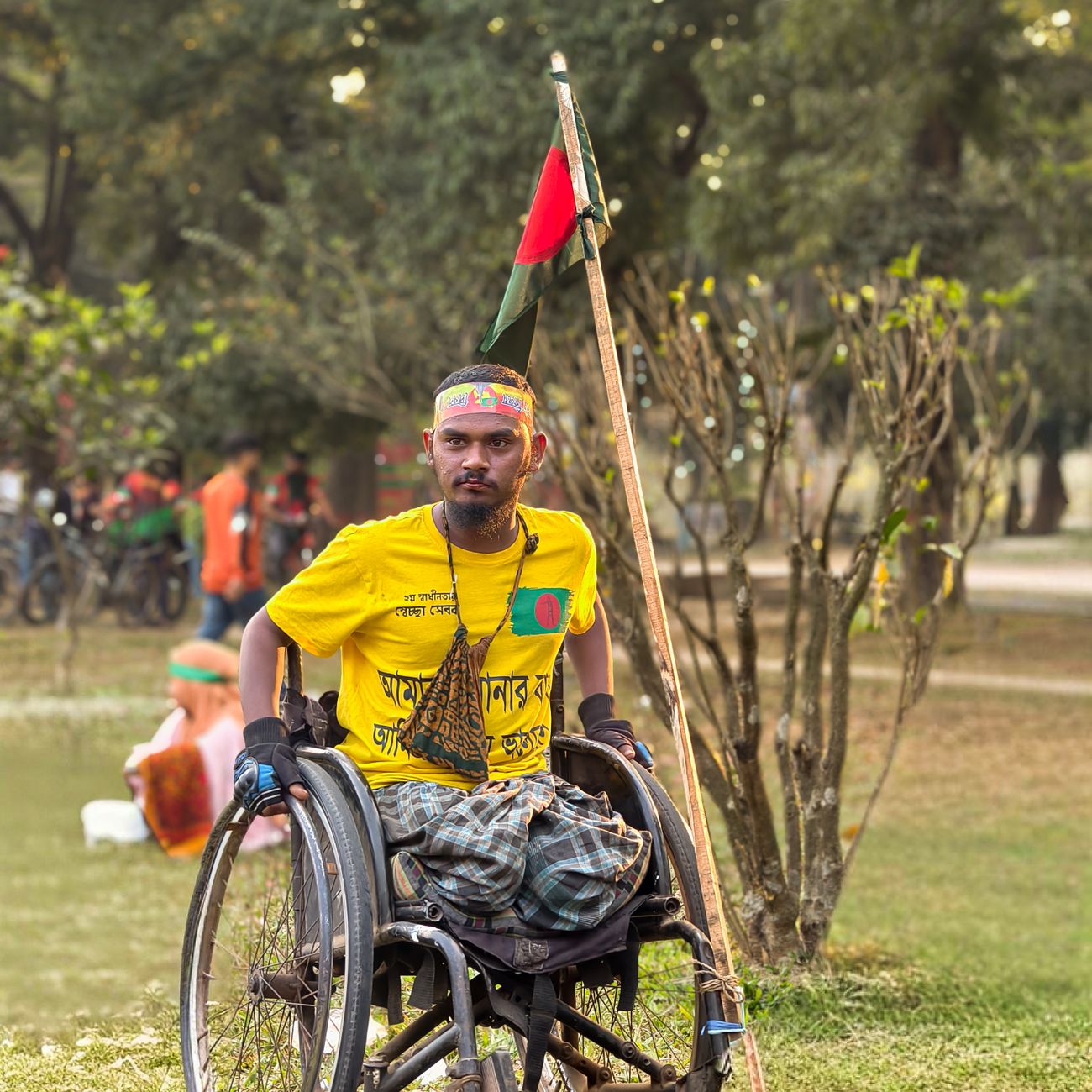
Diversity management is a critical aspect of modern organizations, as they strive to create inclusive workplaces that value and leverage differences among employees. This postgraduate certificate course in Diversity and Inclusion focuses on policies and practices that promote diversity within organizations and how to effectively manage diverse teams. To fully grasp the concepts covered in this course, it is essential to understand key terms and vocabulary related to policy and practice in diversity management.
1. **Diversity**: Diversity refers to the differences among individuals in an organization, including but not limited to race, gender, age, ethnicity, religion, sexual orientation, disability, and socio-economic background. Embracing diversity allows organizations to benefit from a variety of perspectives, experiences, and talents.
2. **Inclusion**: Inclusion is the practice of ensuring that all individuals within an organization feel valued, respected, and supported. It involves creating a sense of belonging for everyone, regardless of their differences.
3. **Equity**: Equity involves ensuring that all individuals have fair access to opportunities, resources, and support within an organization. It aims to address systemic barriers that may prevent certain groups from fully participating or succeeding.
4. **Bias**: Bias refers to preconceived notions or prejudices that influence how individuals perceive others. It can lead to unfair treatment and hinder diversity and inclusion efforts within an organization.
5. **Intersectionality**: Intersectionality recognizes that individuals have multiple social identities that intersect and influence their experiences. It considers how factors such as race, gender, class, and sexual orientation interact to shape a person's lived reality.
6. **Unconscious Bias**: Unconscious bias refers to the automatic judgments and stereotypes that individuals hold about others without consciously realizing it. These biases can impact decision-making, hiring practices, and overall organizational culture.
7. **Microaggressions**: Microaggressions are subtle, often unintentional comments or actions that convey derogatory or discriminatory messages towards individuals based on their identity. These can create a hostile or unwelcoming environment for marginalized groups.
8. **Affirmative Action**: Affirmative action refers to policies and practices that aim to increase representation of historically marginalized groups in education, employment, and other areas. It seeks to address past discrimination and promote diversity and inclusion.
9. **Diversity Training**: Diversity training programs educate employees on topics related to diversity, equity, and inclusion. These programs aim to raise awareness, challenge biases, and promote respectful interactions among colleagues.
10. **Employee Resource Groups (ERGs)**: ERGs are voluntary, employee-led groups within organizations that provide support, networking opportunities, and advocacy for specific identity groups. They can help foster a sense of belonging and community among employees.
11. **Cultural Competence**: Cultural competence is the ability to effectively interact with individuals from different cultural backgrounds. It involves understanding and respecting cultural differences, communication styles, and values.
12. **Inclusive Leadership**: Inclusive leadership involves actively promoting diversity and inclusion within an organization. Inclusive leaders value diverse perspectives, empower all employees, and create a culture of belonging.
13. **Supplier Diversity**: Supplier diversity programs encourage organizations to do business with suppliers from diverse backgrounds, including minority-owned, women-owned, and LGBTQ+-owned businesses. This promotes economic equity and supports underrepresented entrepreneurs.
14. **Diversity Metrics**: Diversity metrics are quantitative measures used to track the representation of diverse groups within an organization. These metrics can include data on demographics, hiring practices, promotions, and employee satisfaction.
15. **Implicit Association Test (IAT)**: The Implicit Association Test is a psychological tool used to measure individuals' implicit biases. It can reveal unconscious attitudes towards different social groups and help individuals become more aware of their biases.
16. **Diversity Recruitment**: Diversity recruitment strategies aim to attract a diverse pool of candidates for job openings within an organization. This can involve targeted outreach, partnerships with diverse organizations, and inclusive job descriptions.
17. **Intersectional Approach**: An intersectional approach considers how multiple aspects of an individual's identity interact and influence their experiences. It recognizes that individuals may face unique challenges based on the intersections of their identities.
18. **Inclusive Language**: Inclusive language involves using words and phrases that are respectful and affirming of all individuals, regardless of their identity. It avoids language that may be exclusionary or offensive to certain groups.
19. **Diversity and Inclusion Council**: A Diversity and Inclusion Council is a group within an organization tasked with developing and implementing strategies to promote diversity, equity, and inclusion. It often includes representatives from various departments and levels of the organization.
20. **Diversity Audit**: A diversity audit is a systematic review of an organization's policies, practices, and culture related to diversity and inclusion. It helps identify areas for improvement and track progress towards diversity goals.
21. **Stereotype Threat**: Stereotype threat refers to the fear of confirming negative stereotypes about one's social group. It can impact performance, self-esteem, and overall well-being, particularly for individuals from marginalized backgrounds.
22. **Diversity Champion**: A diversity champion is an individual within an organization who actively promotes diversity and inclusion initiatives. They advocate for underrepresented groups, challenge biases, and work to create a more inclusive workplace.
23. **Inclusive Hiring Practices**: Inclusive hiring practices aim to reduce bias and increase diversity in the recruitment process. This can include blind resume reviews, diverse interview panels, and structured interviews to ensure fair and equitable selection of candidates.
24. **Diversity Climate**: Diversity climate refers to the overall atmosphere and attitudes towards diversity within an organization. A positive diversity climate fosters inclusivity, respect, and appreciation for differences among employees.
25. **Diversity Task Force**: A diversity task force is a temporary group assembled to address specific diversity and inclusion challenges within an organization. It may be tasked with developing strategies, conducting research, and implementing initiatives to improve diversity outcomes.
26. **Cultural Awareness**: Cultural awareness involves recognizing and understanding the beliefs, values, and customs of different cultural groups. It allows individuals to navigate cross-cultural interactions effectively and respectfully.
27. **Gender Equity**: Gender equity refers to the fair treatment and representation of individuals of all genders within an organization. It aims to address disparities in opportunities, pay, and advancement based on gender.
28. **Disability Accommodations**: Disability accommodations are adjustments made within the workplace to enable individuals with disabilities to perform their job duties effectively. This can include physical modifications, flexible schedules, and assistive technologies.
29. **Allies**: Allies are individuals who actively support and advocate for marginalized groups within an organization. They use their privilege to challenge discrimination, amplify diverse voices, and promote inclusive practices.
30. **Diversity Dashboard**: A diversity dashboard is a visual tool that displays key diversity metrics and trends within an organization. It provides a snapshot of diversity data and can help track progress towards diversity and inclusion goals.
31. **Inclusive Work Culture**: An inclusive work culture is one that values and respects the unique perspectives and contributions of all employees. It fosters a sense of belonging, encourages collaboration, and promotes innovation.
32. **LGBTQ+ Inclusion**: LGBTQ+ inclusion involves creating a supportive and affirming environment for individuals who identify as lesbian, gay, bisexual, transgender, queer, or other diverse sexual orientations and gender identities.
33. **Cultural Competency Training**: Cultural competency training provides individuals with the knowledge and skills to effectively engage with diverse groups. It includes education on cultural differences, communication strategies, and strategies for building inclusive relationships.
34. **Inclusive Policies**: Inclusive policies are organizational rules and guidelines that promote diversity, equity, and inclusion. These policies can address hiring practices, anti-discrimination measures, accommodations for disabilities, and other aspects of diversity management.
35. **Inclusive Feedback**: Inclusive feedback involves providing constructive criticism and praise in a way that respects and values the recipient's identity. It focuses on behaviors and performance rather than personal characteristics.
36. **Diversity Committee**: A diversity committee is a group within an organization responsible for overseeing diversity and inclusion initiatives. It may develop strategies, monitor progress, and provide recommendations to senior leadership on diversity-related matters.
37. **Cultural Sensitivity**: Cultural sensitivity involves being aware of and respectful towards the cultural norms and practices of others. It helps prevent misunderstandings, promote inclusivity, and build positive relationships across diverse groups.
38. **Diversity Statement**: A diversity statement is a formal declaration by an organization outlining its commitment to diversity, equity, and inclusion. It communicates the values and goals of the organization regarding diversity management.
39. **Unconscious Bias Training**: Unconscious bias training programs educate individuals on how unconscious biases can impact decision-making and interactions. These programs aim to increase awareness and provide strategies for mitigating bias in the workplace.
40. **Diversity Champion Network**: A diversity champion network is a group of individuals within an organization who advocate for diversity and inclusion at various levels. They collaborate on initiatives, share best practices, and drive change towards a more inclusive workplace.
41. **Inclusive Communication**: Inclusive communication involves using language and methods that are accessible and respectful to all individuals. It considers diverse audiences, cultural differences, and preferred communication styles to ensure effective dialogue.
42. **Diversity Mentorship Programs**: Diversity mentorship programs pair employees from underrepresented groups with more experienced mentors within an organization. These programs aim to support career development, increase representation, and foster a sense of belonging.
43. **Intersectional Discrimination**: Intersectional discrimination occurs when individuals face discrimination based on the intersections of their multiple identities. It recognizes that certain groups may experience unique forms of bias due to the combination of their social identities.
44. **Diversity Dashboard**: A diversity dashboard is a visual tool that displays key diversity metrics and trends within an organization. It provides a snapshot of diversity data and can help track progress towards diversity and inclusion goals.
45. **Supplier Diversity Program**: A supplier diversity program encourages organizations to source goods and services from diverse suppliers, including minority-owned, women-owned, and LGBTQ+-owned businesses. This promotes economic equity and supports a diverse vendor base.
46. **Diversity Training**: Diversity training programs educate employees on topics related to diversity, equity, and inclusion. These programs aim to raise awareness, challenge biases, and promote respectful interactions among colleagues.
47. **Diversity and Inclusion Strategy**: A diversity and inclusion strategy is a plan of action that outlines how an organization will promote diversity, equity, and inclusion. It sets goals, identifies initiatives, and establishes accountability for diversity management efforts.
48. **Diversity Recruitment**: Diversity recruitment strategies aim to attract a diverse pool of candidates for job openings within an organization. This can involve targeted outreach, partnerships with diverse organizations, and inclusive job descriptions.
49. **Inclusive Leadership**: Inclusive leadership involves actively promoting diversity and inclusion within an organization. Inclusive leaders value diverse perspectives, empower all employees, and create a culture of belonging.
50. **Diversity Metrics**: Diversity metrics are quantitative measures used to track the representation of diverse groups within an organization. These metrics can include data on demographics, hiring practices, promotions, and employee satisfaction.
51. **Intersectionality**: Intersectionality recognizes that individuals have multiple social identities that intersect and influence their experiences. It considers how factors such as race, gender, class, and sexual orientation interact to shape a person's lived reality.
52. **Cultural Competence**: Cultural competence is the ability to effectively interact with individuals from different cultural backgrounds. It involves understanding and respecting cultural differences, communication styles, and values.
53. **Inclusive Hiring Practices**: Inclusive hiring practices aim to reduce bias and increase diversity in the recruitment process. This can include blind resume reviews, diverse interview panels, and structured interviews to ensure fair and equitable selection of candidates.
54. **Diversity and Inclusion Council**: A Diversity and Inclusion Council is a group within an organization tasked with developing and implementing strategies to promote diversity, equity, and inclusion. It often includes representatives from various departments and levels of the organization.
55. **Diversity and Inclusion Training**: Diversity and inclusion training programs educate employees on the importance of diversity, equity, and inclusion in the workplace. These programs aim to increase awareness, challenge biases, and promote inclusive behaviors.
56. **Microaggressions**: Microaggressions are subtle, often unintentional comments or actions that convey derogatory or discriminatory messages towards individuals based on their identity. These can create a hostile or unwelcoming environment for marginalized groups.
57. **Affinity Groups**: Affinity groups are voluntary, employee-led groups within organizations that provide support, networking opportunities, and advocacy for specific identity groups. They allow employees to connect with others who share similar backgrounds or experiences.
58. **LGBTQ+ Inclusion**: LGBTQ+ inclusion involves creating a supportive and affirming environment for individuals who identify as lesbian, gay, bisexual, transgender, queer, or other diverse sexual orientations and gender identities.
59. **Disability Accommodations**: Disability accommodations are adjustments made within the workplace to enable individuals with disabilities to perform their job duties effectively. This can include physical modifications, flexible schedules, and assistive technologies.
60. **Allyship**: Allyship is the practice of actively supporting and advocating for marginalized groups within an organization. Allies use their privilege to challenge discrimination, amplify diverse voices, and promote inclusive practices.
61. **Cultural Sensitivity**: Cultural sensitivity involves being aware of and respectful towards the cultural norms and practices of others. It helps prevent misunderstandings, promote inclusivity, and build positive relationships across diverse groups.
62. **Gender Equity**: Gender equity refers to the fair treatment and representation of individuals of all genders within an organization. It aims to address disparities in opportunities, pay, and advancement based on gender.
63. **Diversity Champion**: A diversity champion is an individual within an organization who actively promotes diversity and inclusion initiatives. They advocate for underrepresented groups, challenge biases, and work to create a more inclusive workplace.
64. **Diversity Statement**: A diversity statement is a formal declaration by an organization outlining its commitment to diversity, equity, and inclusion. It communicates the values and goals of the organization regarding diversity management.
65. **Diversity Task Force**: A diversity task force is a temporary group assembled to address specific diversity and inclusion challenges within an organization. It may be tasked with developing strategies, conducting research, and implementing initiatives to improve diversity outcomes.
66. **Cultural Competency Training**: Cultural competency training provides individuals with the knowledge and skills to effectively engage with diverse groups. It includes education on cultural differences, communication strategies, and strategies for building inclusive relationships.
67. **Inclusive Policies**: Inclusive policies are organizational rules and guidelines that promote diversity, equity, and inclusion. These policies can address hiring practices, anti-discrimination measures, accommodations for disabilities, and other aspects of diversity management.
68. **Inclusive Feedback**: Inclusive feedback involves providing constructive criticism and praise in a way that respects and values the recipient's identity. It focuses on behaviors and performance rather than personal characteristics.
69. **Diversity Committee**: A diversity committee is a group within an organization responsible for overseeing diversity and inclusion initiatives. It may develop strategies, monitor progress, and provide recommendations to senior leadership on diversity-related matters.
70. **Supplier Diversity Program**: A supplier diversity program encourages organizations to source goods and services from diverse suppliers, including minority-owned, women-owned, and LGBTQ+-owned businesses. This promotes economic equity and supports a diverse vendor base.
71. **Cultural Awareness**: Cultural awareness involves recognizing and understanding the beliefs, values, and customs of different cultural groups. It allows individuals to navigate cross-cultural interactions effectively and respectfully.
72. **Diversity Audit**: A diversity audit is a systematic review of an organization's policies, practices, and culture related to diversity and inclusion. It helps identify areas for improvement and track progress towards diversity goals.
73. **Stereotype Threat**: Stereotype threat refers to the fear of confirming negative stereotypes about one's social group. It can impact performance, self-esteem, and overall well-being, particularly for individuals from marginalized backgrounds.
74. **Diversity Climate**: Diversity climate refers to the overall atmosphere and attitudes towards diversity within an organization. A positive diversity climate fosters inclusivity, respect, and appreciation for differences among employees.
75. **Diversity Leadership**: Diversity leadership involves promoting diversity, equity, and inclusion within an organization through strategic decision-making and advocacy. Effective diversity leaders create a culture of belonging and empower all employees to contribute their unique perspectives.
76. **Diversity Management**: Diversity management is the practice of creating an inclusive workplace that values and leverages differences among employees. It involves developing policies, programs, and practices to promote diversity, equity, and inclusion within an organization.
77. **Diversity Strategy**: A diversity strategy is a plan of action that outlines how an organization will achieve its diversity and inclusion goals. It sets priorities, allocates resources, and establishes accountability for diversity management efforts.
78. **Equity and Diversity**: Equity and diversity refer to the fair treatment and representation of individuals from all backgrounds within an organization. It involves addressing systemic barriers, promoting inclusivity, and ensuring that all employees have equal opportunities to thrive.
79. **Inclusive Culture**: An inclusive culture is one that values and respects the diversity of its employees. It promotes collaboration, innovation, and belonging by creating a safe and supportive environment for all individuals.
80. **Inclusive Practices**: Inclusive practices are actions and behaviors that promote diversity and inclusion within an organization. This can include inclusive hiring, mentoring programs, diversity training, and creating a culture of respect and belonging.
81. **Intersectional Approach**: An intersectional approach considers how multiple aspects of an individual's identity intersect and influence their experiences. It recognizes that individuals may face unique challenges based on the intersections of their social identities.
82. **Leadership Development**: Leadership development programs aim to cultivate the skills and competencies of leaders within an organization. Effective leadership development includes training on diversity, equity, and inclusion to equip leaders with the tools to promote a diverse and inclusive workplace.
83. **Organizational Culture**: Organizational culture refers to the shared values, beliefs, and behaviors that shape the identity of an organization. A positive organizational culture supports diversity and inclusion by fostering respect, collaboration, and innovation.
84. **Social Justice**: Social justice is the pursuit of equality and fairness for all individuals, particularly those from marginalized or underrepresented groups. It involves advocating for systemic change to address injustices and promote inclusivity.
85. **Workforce Diversity**: Workforce diversity refers to the variety of backgrounds, experiences, and perspectives among employees within an organization. Embracing workforce diversity allows organizations to tap into a range of talents and perspectives to drive innovation and success.
86. **Diversity Champion Network**: A diversity champion network is a group of individuals within an organization who advocate for diversity and inclusion at various levels. They collaborate on initiatives, share best practices, and drive change towards a more inclusive workplace.
87. **Inclusive Communication**: Inclusive communication involves using language and methods that are accessible and respectful to all individuals. It considers diverse audiences, cultural differences, and preferred communication styles to ensure effective dialogue.
88. **Diversity Mentorship Programs**: Diversity mentorship programs pair employees from underrepresented groups with more experienced mentors within an organization. These programs aim to support career development, increase representation, and foster a sense of belonging.
89. **Intersectional Discrimination**: Intersectional discrimination occurs when individuals face discrimination based on the intersections of their multiple identities. It recognizes that certain groups may experience unique forms of bias due to the combination of their social identities.
90. **Diversity Dashboard**: A diversity dashboard is a visual tool that displays key diversity metrics and trends within an organization
Key takeaways
- This postgraduate certificate course in Diversity and Inclusion focuses on policies and practices that promote diversity within organizations and how to effectively manage diverse teams.
- **Diversity**: Diversity refers to the differences among individuals in an organization, including but not limited to race, gender, age, ethnicity, religion, sexual orientation, disability, and socio-economic background.
- **Inclusion**: Inclusion is the practice of ensuring that all individuals within an organization feel valued, respected, and supported.
- **Equity**: Equity involves ensuring that all individuals have fair access to opportunities, resources, and support within an organization.
- **Bias**: Bias refers to preconceived notions or prejudices that influence how individuals perceive others.
- **Intersectionality**: Intersectionality recognizes that individuals have multiple social identities that intersect and influence their experiences.
- **Unconscious Bias**: Unconscious bias refers to the automatic judgments and stereotypes that individuals hold about others without consciously realizing it.