
Diagnostic Techniques In Dermatology
Dermatology is a branch of medicine that deals with the study of skin, hair, and nail disorders, as well as their diagnosis, treatment, and prevention. In the field of dermatology, various diagnostic techniques are used to identify and mana…
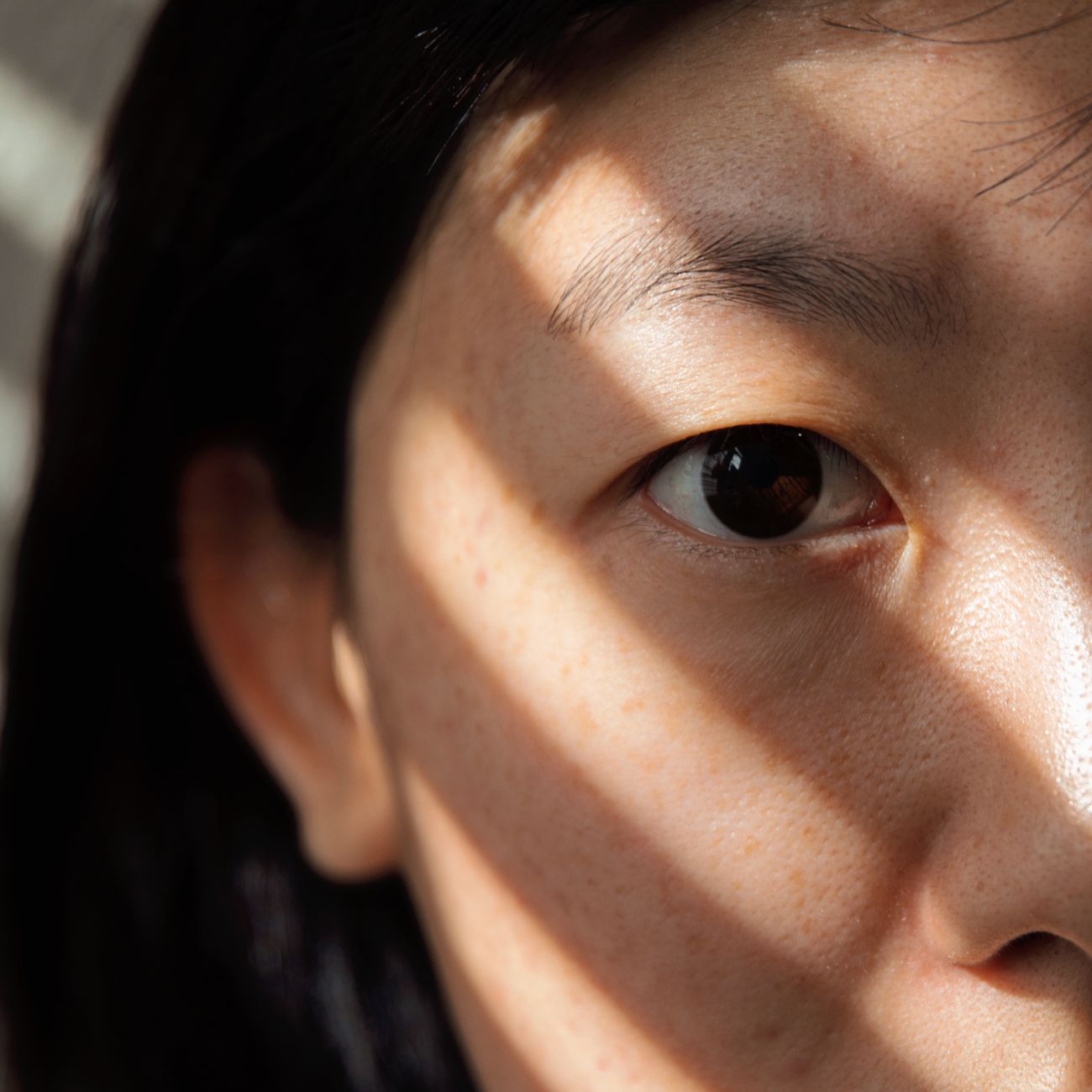
Dermatology is a branch of medicine that deals with the study of skin, hair, and nail disorders, as well as their diagnosis, treatment, and prevention. In the field of dermatology, various diagnostic techniques are used to identify and manage skin conditions. One of the most common diagnostic techniques used in dermatology is visual examination, which involves a thorough examination of the skin, hair, and nails to identify any visible signs of disease or disorder. This technique is often used in conjunction with other diagnostic techniques, such as biopsy, to confirm a diagnosis.
A biopsy is a procedure in which a small sample of skin tissue is removed and examined under a microscope to diagnose skin conditions such as skin cancer, psoriasis, and eczema. There are several types of biopsies, including shave biopsy, punch biopsy, and excisional biopsy. A shave biopsy is a procedure in which a small sample of skin tissue is removed using a razor or a specialized tool, while a punch biopsy involves using a circular tool to remove a small sample of skin tissue. An excisional biopsy is a procedure in which a larger sample of skin tissue is removed, often using a scalpel or a surgical instrument.
Another diagnostic technique used in dermatology is dermoscopy, which involves using a specialized tool called a dermatoscope to examine the skin in detail. A dermatoscope is a handheld device that uses light and magnification to examine the skin, allowing dermatologists to identify features that are not visible to the naked eye. Dermoscopy is often used to diagnose skin cancer, as well as other skin conditions such as melanoma, basal cell carcinoma, and squamous cell carcinoma.
In addition to dermoscopy, other diagnostic techniques used in dermatology include wood's lamp examination, which involves using a specialized light to examine the skin for signs of fungal or bacterial infections. A wood's lamp is a handheld device that emits ultraviolet light, which can help to identify conditions such as ringworm, vitiligo, and melanoma. Another diagnostic technique used in dermatology is patch testing, which involves applying small amounts of allergens to the skin to diagnose allergic contact dermatitis.
Allergic contact dermatitis is a type of skin inflammation that occurs when the skin comes into contact with an allergen, such as nickel, fragrances, or dyes. Patch testing is often used to diagnose allergic contact dermatitis, as well as other skin conditions such as irritant contact dermatitis and atopic dermatitis. During a patch test, small amounts of allergens are applied to the skin, usually on the back or arm, and the skin is then examined for signs of inflammation or irritation.
Other diagnostic techniques used in dermatology include skin scraping, which involves removing a small sample of skin tissue to diagnose conditions such as scabies, lice, or fungal infections. A skin scraping is often used to diagnose conditions that affect the outer layer of the skin, such as eczema, psoriasis, or dermatitis. Another diagnostic technique used in dermatology is swab test, which involves taking a sample of tissue or fluid from the skin to diagnose conditions such as impetigo, folliculitis, or cellulitis.
In addition to these diagnostic techniques, dermatologists also use various imaging tests to diagnose skin conditions. These tests include X-rays, CT scans, and MRIs, which can help to identify conditions such as skin cancer, cysts, or tumors. Ultrasound is another imaging test that is used in dermatology to diagnose conditions such as skin cancer, lipomas, or cysts.
Dermatologists also use various laboratory tests to diagnose skin conditions. These tests include blood tests, which can help to identify conditions such as skin infections, inflammatory disorders, or autoimmune diseases. Urine tests are also used in dermatology to diagnose conditions such as skin infections or inflammatory disorders. Another laboratory test used in dermatology is histopathology, which involves examining a sample of skin tissue under a microscope to diagnose conditions such as skin cancer, psoriasis, or eczema.
In addition to these diagnostic techniques, dermatologists also use various questionnaires and surveys to gather information about a patient's medical history, symptoms, and lifestyle. These questionnaires and surveys can help to identify potential causes of skin conditions, as well as to monitor the effectiveness of treatment. For example, a dermatologist may use a quality of life questionnaire to assess the impact of a skin condition on a patient's daily life, or a symptom severity scale to monitor the severity of symptoms over time.
Dermatologists also use various treatment options to manage skin conditions. These options include topical treatments, such as creams, ointments, or lotions, which are applied directly to the skin to treat conditions such as eczema, psoriasis, or acne. Systemic treatments are also used in dermatology to treat conditions such as skin infections, inflammatory disorders, or autoimmune diseases. These treatments are usually taken orally, and can include medications such as antibiotics, corticosteroids, or immunosuppressants.
In addition to these treatment options, dermatologists also use various procedural treatments to manage skin conditions. These treatments include laser therapy, which uses high-energy light to treat conditions such as hair removal, tattoo removal, or skin rejuvenation. Chemical peels are also used in dermatology to treat conditions such as acne, fine lines, or skin discoloration. A chemical peel involves applying a solution to the skin to remove the outer layer and stimulate collagen production.
Other procedural treatments used in dermatology include microdermabrasion, which involves using fine crystals to remove dead skin cells and improve skin texture. Botox injections are also used in dermatology to treat conditions such as wrinkles, fine lines, or excessive sweating. A botox injection involves injecting a small amount of botulinum toxin into the skin to relax muscles and reduce wrinkles.
Dermatologists also use various prevention strategies to prevent skin conditions. These strategies include sun protection, which involves using sunscreen, clothing, or other forms of protection to prevent skin damage from the sun. Smoking cessation is also an important prevention strategy, as smoking can increase the risk of skin conditions such as skin cancer, psoriasis, or premature aging.
In addition to these prevention strategies, dermatologists also use various education and awareness campaigns to educate patients about skin conditions and how to prevent them. These campaigns may include public awareness campaigns, which involve using media or other forms of communication to educate the public about skin conditions. Patient education is also an important part of dermatology, as it can help patients to understand their condition, treatment options, and how to manage their symptoms.
Dermatologists also use various research methods to study skin conditions and develop new treatments. These methods include clinical trials, which involve testing new treatments or interventions in a clinical setting. Basic science research is also used in dermatology to study the underlying causes of skin conditions, as well as to develop new treatments. A case study is a research method that involves studying a single patient or a small group of patients to gain insights into a particular skin condition.
In addition to these research methods, dermatologists also use various statistics and epidemiology to study the prevalence and incidence of skin conditions. These statistics can help to identify trends and patterns in skin conditions, as well as to develop prevention and treatment strategies. Data analysis is also an important part of dermatology research, as it can help to identify correlations and relationships between different variables.
Dermatologists also use various technologies to diagnose and manage skin conditions. These technologies include telemedicine, which involves using electronic communication to provide medical care remotely. Electronic health records are also used in dermatology to store and manage patient information, as well as to track treatment outcomes. A digital camera is a technology that is used in dermatology to take photographs of the skin, which can be used to monitor changes over time or to communicate with other healthcare professionals.
In addition to these technologies, dermatologists also use various informatics tools to manage and analyze data. These tools include database management systems, which involve using software to store and manage large datasets. Data mining is also used in dermatology to identify patterns and relationships in large datasets, which can help to develop new treatments or prevention strategies.
Dermatologists also use various collaboration and communication strategies to work with other healthcare professionals and patients. These strategies include interdisciplinary teams, which involve working with other healthcare professionals, such as nurses, psychologists, or surgeons, to provide comprehensive care. Patient-centered care is also an important part of dermatology, as it involves working with patients to develop personalized treatment plans and to address their unique needs and concerns.
In addition to these collaboration and communication strategies, dermatologists also use various quality improvement methods to improve patient care and outcomes. These methods include quality metrics, which involve using data and statistics to measure the quality of care. Patient satisfaction surveys are also used in dermatology to gather feedback from patients and to identify areas for improvement.
Dermatologists also use various leadership and management skills to manage their practices and to lead teams of healthcare professionals. These skills include strategic planning, which involves developing plans and goals for the practice or organization. Financial management is also an important part of dermatology, as it involves managing budgets, revenues, and expenses to ensure the financial sustainability of the practice.
In addition to these leadership and management skills, dermatologists also use various education and training methods to develop their skills and knowledge. These methods include continuing medical education, which involves participating in conferences, workshops, or online courses to stay up-to-date with the latest developments in dermatology. Mentorship is also an important part of dermatology, as it involves working with experienced dermatologists to develop skills and knowledge.
Dermatologists also use various ethics and professionalism principles to guide their practice and decision-making. These principles include informed consent, which involves ensuring that patients are fully informed about their treatment options and risks. Confidentiality is also an important principle in dermatology, as it involves maintaining the privacy and confidentiality of patient information.
In addition to these ethics and professionalism principles, dermatologists also use various cultural competence skills to work with patients from diverse backgrounds and cultures. These skills include cultural awareness, which involves understanding the cultural beliefs and values of patients. Language access is also an important part of dermatology, as it involves providing language interpretation or translation services to patients who speak limited English.
Dermatologists also use various advocacy and policy skills to advocate for the needs of patients and to influence healthcare policy. These skills include advocacy, which involves working with patients, families, or communities to promote their interests and needs. Policy analysis is also an important part of dermatology, as it involves analyzing and interpreting healthcare policies and regulations to understand their impact on patients and the practice of dermatology.
In addition to these advocacy and policy skills, dermatologists also use various community outreach methods to engage with patients and communities. These methods include public health campaigns, which involve working with community organizations or government agencies to promote public health and prevent skin conditions. Community-based research is also an important part of dermatology, as it involves working with community members to develop and implement research studies.
Dermatologists also use various digital media platforms to engage with patients and promote their practice. These platforms include social media, which involves using social media sites such as Facebook, Twitter, or Instagram to communicate with patients and promote the practice. Website development is also an important part of dermatology, as it involves creating and maintaining a website to provide information about the practice and to attract new patients.
In addition to these digital media platforms, dermatologists also use various traditional media outlets to promote their practice and engage with patients. These outlets include print media, such as newspapers or magazines, which involve advertising or publishing articles to promote the practice. Broadcast media is also used in dermatology, as it involves using radio or television to promote the practice or to provide educational programs.
Dermatologists also use various market research methods to understand the needs and preferences of patients. These methods include patient surveys, which involve gathering information from patients to understand their needs and preferences. Competitor analysis is also an important part of dermatology, as it involves analyzing the strengths and weaknesses of competitors to develop marketing strategies.
In addition to these market research methods, dermatologists also use various branding and marketing strategies to promote their practice and attract new patients. These strategies include brand development, which involves creating a unique and recognizable brand identity for the practice. Marketing campaigns are also used in dermatology, as they involve developing and implementing marketing plans to promote the practice and attract new patients.
Dermatologists also use various practice management systems to manage their practice and optimize patient care. These systems include electronic health records, which involve using software to store and manage patient information. Practice management software is also an important part of dermatology, as it involves using software to manage scheduling, billing, and other administrative tasks.
In addition to these practice management systems, dermatologists also use various quality improvement methods to improve patient care and outcomes.
Dermatologists also use various leadership and management skills to manage their practice and lead teams of healthcare professionals.
Key takeaways
- One of the most common diagnostic techniques used in dermatology is visual examination, which involves a thorough examination of the skin, hair, and nails to identify any visible signs of disease or disorder.
- A shave biopsy is a procedure in which a small sample of skin tissue is removed using a razor or a specialized tool, while a punch biopsy involves using a circular tool to remove a small sample of skin tissue.
- A dermatoscope is a handheld device that uses light and magnification to examine the skin, allowing dermatologists to identify features that are not visible to the naked eye.
- In addition to dermoscopy, other diagnostic techniques used in dermatology include wood's lamp examination, which involves using a specialized light to examine the skin for signs of fungal or bacterial infections.
- During a patch test, small amounts of allergens are applied to the skin, usually on the back or arm, and the skin is then examined for signs of inflammation or irritation.
- Another diagnostic technique used in dermatology is swab test, which involves taking a sample of tissue or fluid from the skin to diagnose conditions such as impetigo, folliculitis, or cellulitis.
- These tests include X-rays, CT scans, and MRIs, which can help to identify conditions such as skin cancer, cysts, or tumors.