
Safety Management in Offshore Environments
Safety Management in Offshore Environments is a crucial aspect of operations in the oil and gas industry. The unique challenges posed by working in remote locations, harsh weather conditions, and complex equipment necessitate a robust safet…
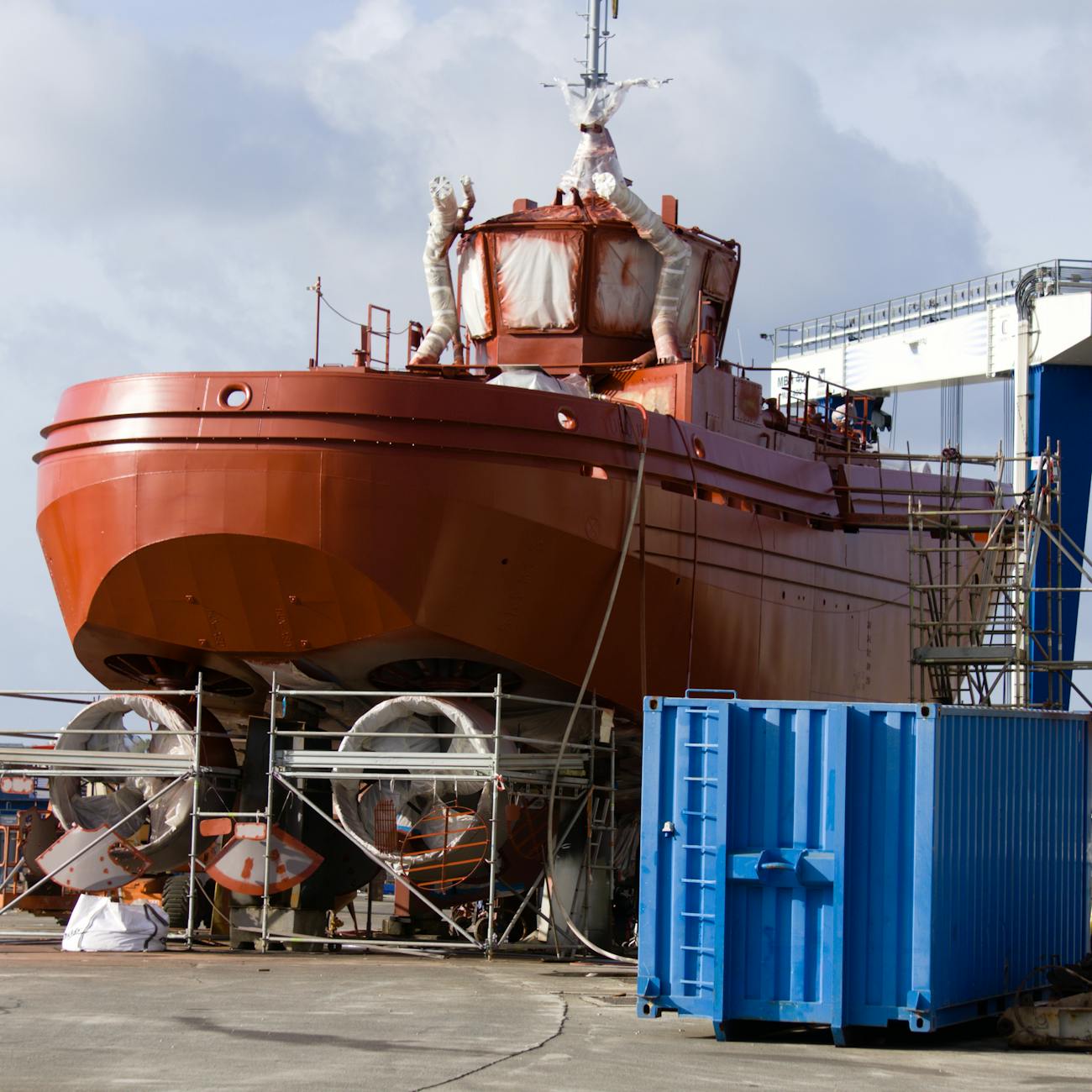
Safety Management in Offshore Environments is a crucial aspect of operations in the oil and gas industry. The unique challenges posed by working in remote locations, harsh weather conditions, and complex equipment necessitate a robust safety management system to protect the health and well-being of workers and safeguard the environment. In this course, we will explore key terms and vocabulary related to Safety Management in Offshore Environments to provide a comprehensive understanding of the principles and practices involved.
1. **Offshore Operations**: Offshore operations refer to any activities conducted at sea, typically in the exploration, production, or transportation of oil and gas. These operations take place on platforms, vessels, or rigs located offshore.
2. **Safety Management System (SMS)**: A safety management system is a structured approach to managing safety, including policies, procedures, and practices to identify, assess, and control risks in the workplace.
3. **Hazard**: A hazard is any potential source of harm or adverse health effect on people, property, or the environment. Hazards in offshore environments can include chemical exposure, fire, explosion, or falling objects.
4. **Risk**: Risk is the likelihood of harm occurring as a result of exposure to a hazard. Risk assessment is a process used to evaluate and quantify the risks associated with specific activities or operations.
5. **Risk Assessment**: Risk assessment is a systematic process of identifying hazards, analyzing and evaluating risks, and implementing control measures to mitigate those risks.
6. **Control Measures**: Control measures are actions taken to eliminate or reduce risks to an acceptable level. This can include engineering controls, administrative controls, or personal protective equipment.
7. **Permit to Work (PTW)**: A permit to work is a formal system used to control high-risk activities by ensuring that proper precautions are taken before work begins. This helps prevent accidents and incidents in hazardous environments.
8. **Emergency Response Plan (ERP)**: An emergency response plan is a set of procedures and protocols designed to respond to emergencies such as fires, spills, or medical emergencies in offshore environments. It outlines roles, responsibilities, and actions to be taken in case of an emergency.
9. **Safety Culture**: Safety culture refers to the shared values, attitudes, and behaviors regarding safety within an organization. A strong safety culture promotes a proactive approach to safety and encourages employees to prioritize safety in all activities.
10. **Behavior-Based Safety (BBS)**: Behavior-based safety is an approach that focuses on identifying and addressing unsafe behaviors in the workplace. This involves observing and providing feedback to workers to promote safe practices.
11. **Personal Protective Equipment (PPE)**: Personal protective equipment is equipment worn to minimize exposure to hazards that cannot be eliminated through other control measures. This can include helmets, gloves, safety glasses, and respiratory protection.
12. **Workplace Safety Inspections**: Workplace safety inspections are routine checks conducted to identify hazards, unsafe conditions, or behaviors in the workplace. Inspections help ensure compliance with safety regulations and promote a safe working environment.
13. **Job Safety Analysis (JSA)**: Job safety analysis is a process used to identify and control hazards associated with specific job tasks. This involves breaking down a job into individual steps and assessing the risks associated with each step.
14. **Incident Reporting and Investigation**: Incident reporting and investigation is the process of documenting and analyzing workplace incidents, near misses, or accidents to identify root causes and prevent future occurrences. This helps improve safety performance and prevent reoccurrence.
15. **Safety Induction**: Safety induction is the process of orienting new employees or visitors to the safety procedures, rules, and regulations of a workplace. This is essential to ensure that individuals are aware of safety requirements before starting work.
16. **Safety Data Sheets (SDS)**: Safety data sheets are documents that provide information on the properties of hazardous chemicals, including health and safety hazards, precautions for safe handling, and emergency response measures.
17. **Confined Space Entry**: Confined space entry refers to working in spaces that are enclosed or partially enclosed, with limited access and ventilation. Special precautions are required to ensure the safety of workers in confined spaces.
18. **Fall Protection**: Fall protection is a system of safeguards used to prevent workers from falling from heights. This can include guardrails, safety nets, or personal fall arrest systems.
19. **Lockout/Tagout (LOTO)**: Lockout/tagout is a safety procedure used to control hazardous energy sources during maintenance or servicing of equipment. This involves isolating energy sources and securing them with locks or tags to prevent accidental startup.
20. **Safety Management in Offshore Environments Challenges**: Managing safety in offshore environments presents unique challenges, including harsh weather conditions, remote locations, high-risk activities, and complex equipment. Ensuring the safety of workers and protecting the environment requires a comprehensive approach to safety management.
21. **Safety Case**: A safety case is a document that outlines the major hazards, risks, and control measures associated with a specific operation or facility. It is a key requirement for demonstrating compliance with safety regulations in offshore environments.
22. **Safety Audit**: A safety audit is a systematic evaluation of safety performance, practices, and procedures in the workplace. Audits help identify areas for improvement and ensure that safety standards are being met.
23. **Safety Performance Indicators (SPIs)**: Safety performance indicators are metrics used to measure and monitor safety performance in the workplace. This can include incident rates, near-miss reporting, or compliance with safety procedures.
24. **Safety Management Plan**: A safety management plan is a comprehensive document that outlines the organization's approach to managing safety, including policies, procedures, responsibilities, and objectives. It provides a roadmap for achieving safety goals and continuous improvement.
25. **Process Safety Management (PSM)**: Process safety management is a framework for managing the risks associated with processes involving hazardous chemicals or operations. This includes elements such as process hazard analysis, management of change, and emergency response planning.
26. **Safety Leadership**: Safety leadership refers to the role of leaders in promoting a culture of safety within an organization. Effective safety leadership involves setting clear expectations, providing resources, and leading by example to prioritize safety.
27. **Safety Training and Competence**: Safety training is essential to ensure that workers have the knowledge and skills to perform their jobs safely. Competence refers to the ability to apply that knowledge effectively in practice. Regular training and assessment are key to maintaining safety competence.
28. **Environmental Management**: Environmental management involves identifying and managing environmental risks associated with offshore operations. This includes measures to prevent pollution, protect wildlife, and comply with environmental regulations.
29. **Safety Communication**: Safety communication is the process of sharing information about safety procedures, hazards, and best practices with employees. Effective communication helps raise awareness, promote a safety culture, and ensure that workers are informed about safety requirements.
30. **Safety Compliance**: Safety compliance refers to adhering to safety regulations, standards, and best practices in the workplace. Compliance is essential to prevent accidents, protect workers, and maintain a safe working environment.
In conclusion, Safety Management in Offshore Environments is a multifaceted discipline that requires a proactive approach to identifying, assessing, and controlling risks. By understanding key terms and vocabulary related to safety management, individuals can better navigate the challenges of working in offshore environments and contribute to a culture of safety and environmental protection.
Key takeaways
- The unique challenges posed by working in remote locations, harsh weather conditions, and complex equipment necessitate a robust safety management system to protect the health and well-being of workers and safeguard the environment.
- **Offshore Operations**: Offshore operations refer to any activities conducted at sea, typically in the exploration, production, or transportation of oil and gas.
- **Safety Management System (SMS)**: A safety management system is a structured approach to managing safety, including policies, procedures, and practices to identify, assess, and control risks in the workplace.
- **Hazard**: A hazard is any potential source of harm or adverse health effect on people, property, or the environment.
- Risk assessment is a process used to evaluate and quantify the risks associated with specific activities or operations.
- **Risk Assessment**: Risk assessment is a systematic process of identifying hazards, analyzing and evaluating risks, and implementing control measures to mitigate those risks.
- **Control Measures**: Control measures are actions taken to eliminate or reduce risks to an acceptable level.