
Renewable Energy Permitting and Licensing (United Kingdom)
Renewable Energy Permitting and Licensing in the United Kingdom
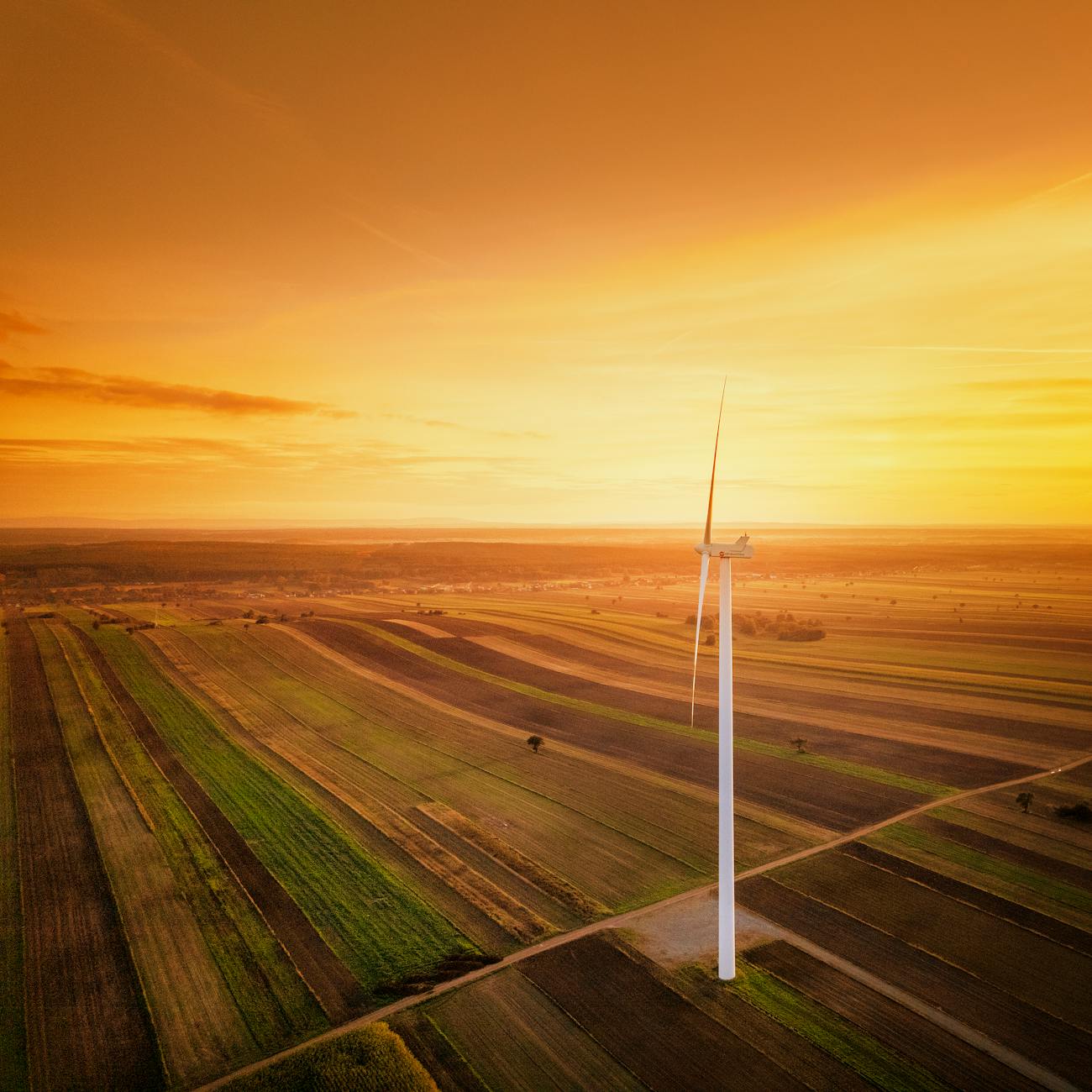
Renewable Energy Permitting and Licensing in the United Kingdom
Renewable energy sources have become increasingly important in the United Kingdom to meet energy demands while reducing carbon emissions. However, the development of renewable energy projects requires adherence to a complex set of regulations, including permitting and licensing requirements. Understanding the key terms and vocabulary associated with renewable energy permitting and licensing in the UK is essential for professionals working in the renewable energy sector.
1. Renewable Energy
Renewable energy refers to energy derived from naturally replenished resources, such as sunlight, wind, rain, tides, waves, and geothermal heat. Unlike fossil fuels, which are finite and contribute to climate change, renewable energy sources are sustainable and environmentally friendly.
Examples of renewable energy sources include:
- Solar power: Energy derived from sunlight using photovoltaic cells or solar thermal systems. - Wind power: Energy generated by wind turbines that convert wind into electricity. - Hydropower: Energy produced by flowing water, typically from dams or rivers. - Biomass: Energy generated from organic materials, such as wood, agricultural residues, and waste.
Renewable energy is crucial for reducing greenhouse gas emissions and transitioning to a low-carbon economy.
2. Permitting
Permitting is the process by which a developer obtains permission from government authorities to proceed with a project. In the context of renewable energy, permitting involves securing the necessary approvals to construct and operate a renewable energy facility. Permits may be required at the local, regional, and national levels, depending on the size and location of the project.
Permitting requirements for renewable energy projects typically include:
- Environmental permits: Issued to ensure compliance with environmental regulations and protect natural habitats. - Planning permits: Required for land use and development, including site selection and construction. - Grid connection permits: Authorize the connection of renewable energy projects to the electricity grid. - Noise and visual permits: Address concerns related to noise levels and visual impact on the surrounding area.
Navigating the permitting process can be complex and time-consuming, requiring coordination with multiple stakeholders and regulatory bodies.
3. Licensing
Licensing refers to the granting of a formal authorization to engage in a specific activity, such as generating electricity from renewable sources. In the UK, renewable energy projects must obtain licenses from relevant authorities to operate legally and access financial incentives, such as feed-in tariffs or renewable obligation certificates.
Types of licenses required for renewable energy projects include:
- Generation licenses: Permit the generation and sale of electricity to the grid. - Transmission licenses: Authorize the transmission of electricity over the national grid. - Distribution licenses: Allow the distribution of electricity to end-users. - Offshore licenses: Required for offshore wind farms or other marine energy projects.
Licensing requirements vary depending on the type and scale of the renewable energy project, and compliance is essential to avoid penalties or project delays.
4. Feed-in Tariffs
Feed-in tariffs (FITs) are financial incentives provided to renewable energy producers to encourage the deployment of small-scale renewable energy technologies. Under the FIT scheme, energy suppliers are obligated to pay generators a fixed rate for each unit of electricity produced, regardless of whether it is consumed on-site or exported to the grid.
Key features of feed-in tariffs include:
- Guaranteed payments: Generators receive a guaranteed price for each kilowatt-hour of electricity generated, providing a stable source of income. - Tariff levels: FIT rates vary depending on the technology, capacity, and installation date of the renewable energy system. - Degression: FIT rates may decrease over time to reflect declining technology costs and encourage cost reductions.
Feed-in tariffs play a crucial role in promoting renewable energy deployment and driving investment in the sector.
5. Renewable Obligation Certificates
Renewable Obligation Certificates (ROCs) are tradable certificates awarded to renewable energy generators for every megawatt-hour of electricity they produce. Energy suppliers are required to purchase a certain number of ROCs each year to demonstrate compliance with renewable energy targets set by the government.
Key aspects of Renewable Obligation Certificates include:
- Banding system: ROCs are divided into bands based on the renewable energy technology used, with each band assigned a specific number of ROCs per megawatt-hour. - Buy-out price: Energy suppliers that fail to meet their ROC obligation can make a buy-out payment to the regulator instead. - Levy exemption certificates: Certain energy-intensive industries may be eligible for Levy Exemption Certificates, which exempt them from paying the renewables obligation.
ROCs play a vital role in incentivizing renewable energy generation and supporting the transition to a low-carbon energy system.
6. Environmental Impact Assessment (EIA)
An Environmental Impact Assessment (EIA) is a process used to evaluate the potential environmental effects of a proposed project before it is approved. In the UK, EIAs are required for renewable energy projects that have the potential to have significant environmental impacts, such as large wind farms or hydropower facilities.
Key components of an Environmental Impact Assessment include:
- Screening: Determines whether a project requires a full EIA based on its scale, location, and potential impacts. - Scoping: Identifies the key environmental issues to be addressed in the EIA and establishes the scope of the assessment. - Consultation: Involves engaging with stakeholders, including local communities and environmental organizations, to gather input on the project's impacts. - Mitigation measures: Proposes measures to avoid, minimize, or offset adverse environmental effects identified in the EIA.
EIAs are essential for ensuring that renewable energy projects are developed in a sustainable and environmentally responsible manner.
7. Grid Connection
Grid connection refers to the physical and technical link between a renewable energy project and the electricity grid. Connecting renewable energy projects to the grid enables the electricity generated to be transmitted to end-users, contributing to the decarbonization of the energy system.
Key considerations for grid connection of renewable energy projects include:
- Connection point: Determines where the project will connect to the grid, considering proximity to existing infrastructure and grid capacity. - Grid code compliance: Ensures that the project meets technical requirements set by the grid operator to maintain system stability and reliability. - Connection charges: Cover the costs associated with connecting the project to the grid, including reinforcement or upgrades to the grid infrastructure. - Connection agreements: Define the terms and conditions of the grid connection, including responsibilities of the project developer and the grid operator.
Securing a grid connection is essential for the successful operation of renewable energy projects and requires coordination with network operators and regulatory bodies.
8. Planning Permission
Planning permission is the formal approval required from the local planning authority to develop land or buildings for a specific purpose, such as renewable energy generation. Obtaining planning permission is a critical step in the development of renewable energy projects and involves assessing the impact of the project on the local environment and community.
Key aspects of planning permission for renewable energy projects include:
- Site selection: Identifies suitable locations for renewable energy development based on factors such as wind resource, solar exposure, and proximity to grid infrastructure. - Public consultation: Involves engaging with local residents, businesses, and other stakeholders to gather feedback on the project and address concerns. - Environmental impact assessment: Assesses the potential environmental effects of the project and proposes measures to mitigate or offset adverse impacts. - Planning conditions: Specify requirements that must be met by the developer, such as landscaping, noise limits, and bird protection measures.
Securing planning permission is essential for the successful implementation of renewable energy projects and requires careful consideration of local planning policies and community engagement.
9. Community Engagement
Community engagement is the process of involving local communities in the development of renewable energy projects to build support, address concerns, and maximize the benefits to the community. Engaging with local residents, businesses, and stakeholders early in the project development process can help identify potential issues and opportunities and foster positive relationships.
Key elements of community engagement for renewable energy projects include:
- Stakeholder consultation: Involves seeking input from a diverse range of stakeholders, including community groups, environmental organizations, and local authorities. - Information sharing: Provides transparent and accessible information about the project, including its benefits, impacts, and timeline. - Benefits sharing: Offers opportunities for local communities to benefit from the project, such as through community ownership, revenue sharing, or local job creation. - Conflict resolution: Addresses conflicts or concerns raised by stakeholders through dialogue, mediation, or compromise.
Effective community engagement is essential for gaining local support, reducing opposition, and ensuring the long-term success of renewable energy projects.
10. Grid Code Compliance
Grid code compliance refers to the technical requirements that renewable energy projects must meet to connect to the electricity grid and operate safely and efficiently. Grid codes are set by the grid operator and define the standards and procedures for grid connection, operation, and maintenance of generating units.
Key aspects of grid code compliance for renewable energy projects include:
- Grid connection standards: Specify the technical requirements for connecting renewable energy projects to the grid, such as voltage levels, frequency control, and protection systems. - Power quality requirements: Ensure that the electricity generated by the project meets specified standards for voltage, frequency, and harmonics to maintain grid stability. - Fault ride-through capability: Requires renewable energy projects to remain connected to the grid and support system stability during grid disturbances or faults. - Communication and control: Define the protocols for communication between the project and the grid operator to enable remote monitoring, control, and grid support functions.
Ensuring grid code compliance is essential for the reliable and secure operation of renewable energy projects and requires close collaboration between project developers and grid operators.
11. Decommissioning
Decommissioning refers to the process of safely dismantling and removing renewable energy infrastructure at the end of its operational life. Decommissioning plans are required for renewable energy projects to ensure that decommissioning activities are carried out in an environmentally responsible manner and that sites are restored to their original condition.
Key considerations for decommissioning of renewable energy projects include:
- Site restoration: Involves restoring the site to its pre-development condition, including removing structures, re-vegetating land, and mitigating any environmental impacts. - Waste management: Addresses the disposal or recycling of materials from decommissioned infrastructure, such as turbines, solar panels, or foundations. - Financial provision: Requires developers to set aside funds or provide financial guarantees to cover the costs of decommissioning and site restoration. - Regulatory compliance: Ensures that decommissioning activities comply with relevant regulations and permits, including environmental requirements and health and safety standards.
Proper decommissioning is essential for ensuring the responsible closure of renewable energy projects and minimizing their long-term environmental and social impacts.
12. Energy Storage
Energy storage refers to the capture and storage of energy for later use, allowing renewable energy to be stored when production exceeds demand and discharged when needed. Energy storage technologies play a crucial role in integrating variable renewable energy sources, such as wind and solar, into the electricity grid and improving system flexibility and reliability.
Types of energy storage technologies include:
- Batteries: Store electricity in chemical form and release it as needed, providing rapid response and short-duration storage. - Pumped hydro storage: Uses surplus electricity to pump water to a higher reservoir and releases it through turbines to generate electricity when demand is high. - Thermal storage: Stores heat or cold energy for later use, such as in concentrated solar power plants or district heating systems. - Flywheels: Store kinetic energy in a rotating mass and release it as electricity, offering fast response times and high cycling efficiency.
Energy storage solutions are essential for maximizing the value of renewable energy and achieving a secure and sustainable energy system.
13. Contract for Difference (CfD)
A Contract for Difference (CfD) is a financial mechanism used to support low-carbon electricity generation by providing stable revenue streams for renewable energy projects. Under the CfD scheme, generators receive a fixed price for the electricity they produce, with a top-up or payment if the market price falls below the agreed strike price.
Key features of Contracts for Difference include:
- Auction process: Renewable energy projects bid for CfDs in competitive auctions, with successful projects receiving long-term contracts at a predetermined price. - Strike price: Sets the guaranteed price that generators will receive for their electricity, providing revenue certainty and reducing investment risk. - Contract term: CfDs typically have a duration of 15-20 years, ensuring stable revenues for renewable energy projects over the project's lifespan. - Counterparty obligations: Oblige the government or a designated entity to make payments to generators if the market price falls below the strike price.
Contracts for Difference are a key mechanism for incentivizing investment in renewable energy and driving cost reductions in the sector.
14. Offshore Renewable Energy
Offshore renewable energy refers to energy generated from wind, wave, and tidal resources located in marine environments, such as offshore wind farms or tidal energy installations. Offshore renewable energy has significant potential to contribute to the UK's energy transition and meet climate targets, given the abundant resource availability and large-scale generation capacity.
Key considerations for offshore renewable energy projects include:
- Resource assessment: Conducting detailed studies to assess the wind, wave, or tidal energy potential at the project site and determine the feasibility of development. - Technological innovation: Advancing offshore technologies, such as floating wind turbines or tidal stream devices, to increase efficiency, reduce costs, and unlock new deployment opportunities. - Environmental impact mitigation: Implementing measures to minimize the impact of offshore projects on marine ecosystems, wildlife, and coastal communities. - Grid connection challenges: Overcoming technical and logistical challenges associated with connecting offshore renewable energy projects to the onshore grid, including transmission capacity and distance.
Offshore renewable energy projects are a key component of the UK's energy mix and play a crucial role in achieving a sustainable and resilient energy system.
15. Net Zero Carbon
Net zero carbon refers to the balance between the amount of greenhouse gases emitted into the atmosphere and the amount removed or offset through mitigation measures. Achieving net zero carbon emissions is essential for limiting global warming and mitigating the impacts of climate change, as outlined in the UK's legally binding commitment to reach net zero by 2050.
Key strategies for achieving net zero carbon emissions include:
- Decarbonization: Transitioning to low-carbon energy sources, such as renewable energy, and reducing reliance on fossil fuels. - Energy efficiency: Improving energy efficiency in buildings, transportation, and industrial processes to reduce energy consumption and emissions. - Carbon offsetting: Investing in projects that remove or reduce greenhouse gas emissions, such as reforestation, renewable energy, or carbon capture and storage. - Policy and regulation: Implementing supportive policies and regulations, such as carbon pricing, emissions trading, and renewable energy targets, to drive emissions reductions.
Net zero carbon is a critical goal for combating climate change and ensuring a sustainable future for current and future generations.
16. Energy Transition
The energy transition refers to the global shift from fossil fuels to renewable energy sources and low-carbon technologies to address climate change, reduce greenhouse gas emissions, and achieve sustainable development. The transition involves transforming the energy system, economy, and society to prioritize clean, efficient, and sustainable energy solutions.
Key components of the energy transition include:
- Renewable energy deployment: Scaling up the deployment of renewable energy technologies, such as solar, wind, and hydropower, to replace fossil fuel-based generation. - Electrification: Increasing the electrification of energy consumption, including transportation, heating, and industrial processes, to reduce dependence on fossil fuels. - Energy storage and flexibility: Developing energy storage technologies and flexible demand response mechanisms to integrate variable renewable energy sources and ensure system reliability. - Circular economy: Promoting resource efficiency, recycling, and reuse to minimize waste and environmental impact across the energy value chain.
The energy transition is a fundamental challenge and opportunity for the UK and the global community to build a sustainable, resilient, and inclusive energy future.
17. Challenges and Opportunities
Renewable energy permitting and licensing in the UK present a range of challenges and opportunities for developers, regulators, and stakeholders. Understanding and addressing these challenges is essential for advancing the deployment of renewable energy and achieving the UK's climate and energy policy objectives.
Key challenges in renewable energy permitting and licensing include:
- Regulatory complexity: Navigating a complex and evolving regulatory landscape, including planning, environmental, and grid connection requirements. - Public acceptance: Overcoming local opposition, NIMBY (Not In My Backyard) sentiments, and concerns about the visual, noise, or environmental impacts of renewable energy projects. - Grid constraints: Addressing challenges related to grid connection, capacity, and stability to enable the integration of renewable energy into the electricity system. - Cost competitiveness: Ensuring that renewable energy projects can compete with conventional energy sources on cost, efficiency, and reliability.
Key opportunities in renewable energy permitting and licensing include:
- Innovation and technology: Leveraging advances in renewable energy technologies, energy storage, and digitalization to improve project performance, reduce costs, and enhance grid integration. - Community engagement: Building partnerships with local communities, businesses, and stakeholders to enhance project acceptance, share benefits, and foster sustainable development. - Policy support: Aligning permitting and licensing processes with national energy and climate policies, such as net zero carbon targets, to create a supportive regulatory environment for renewable energy. - International collaboration: Sharing best practices, experiences, and expertise with other countries and regions to drive global renewable energy deployment and accelerate the energy transition.
By addressing these challenges and seizing opportunities, the UK can unlock the full potential of renewable energy, drive innovation and investment in the sector, and transition to a sustainable and low-carbon energy future.
Key takeaways
- Understanding the key terms and vocabulary associated with renewable energy permitting and licensing in the UK is essential for professionals working in the renewable energy sector.
- Renewable energy refers to energy derived from naturally replenished resources, such as sunlight, wind, rain, tides, waves, and geothermal heat.
- - Biomass: Energy generated from organic materials, such as wood, agricultural residues, and waste.
- Renewable energy is crucial for reducing greenhouse gas emissions and transitioning to a low-carbon economy.
- In the context of renewable energy, permitting involves securing the necessary approvals to construct and operate a renewable energy facility.
- - Environmental permits: Issued to ensure compliance with environmental regulations and protect natural habitats.
- Navigating the permitting process can be complex and time-consuming, requiring coordination with multiple stakeholders and regulatory bodies.