
Pipeline Maintenance and Repair
Pipeline Maintenance and Repair are crucial aspects of Pipeline Integrity Management. In this explanation, we will discuss some key terms and vocabulary related to Pipeline Maintenance and Repair in the context of the Postgraduate Certifica…
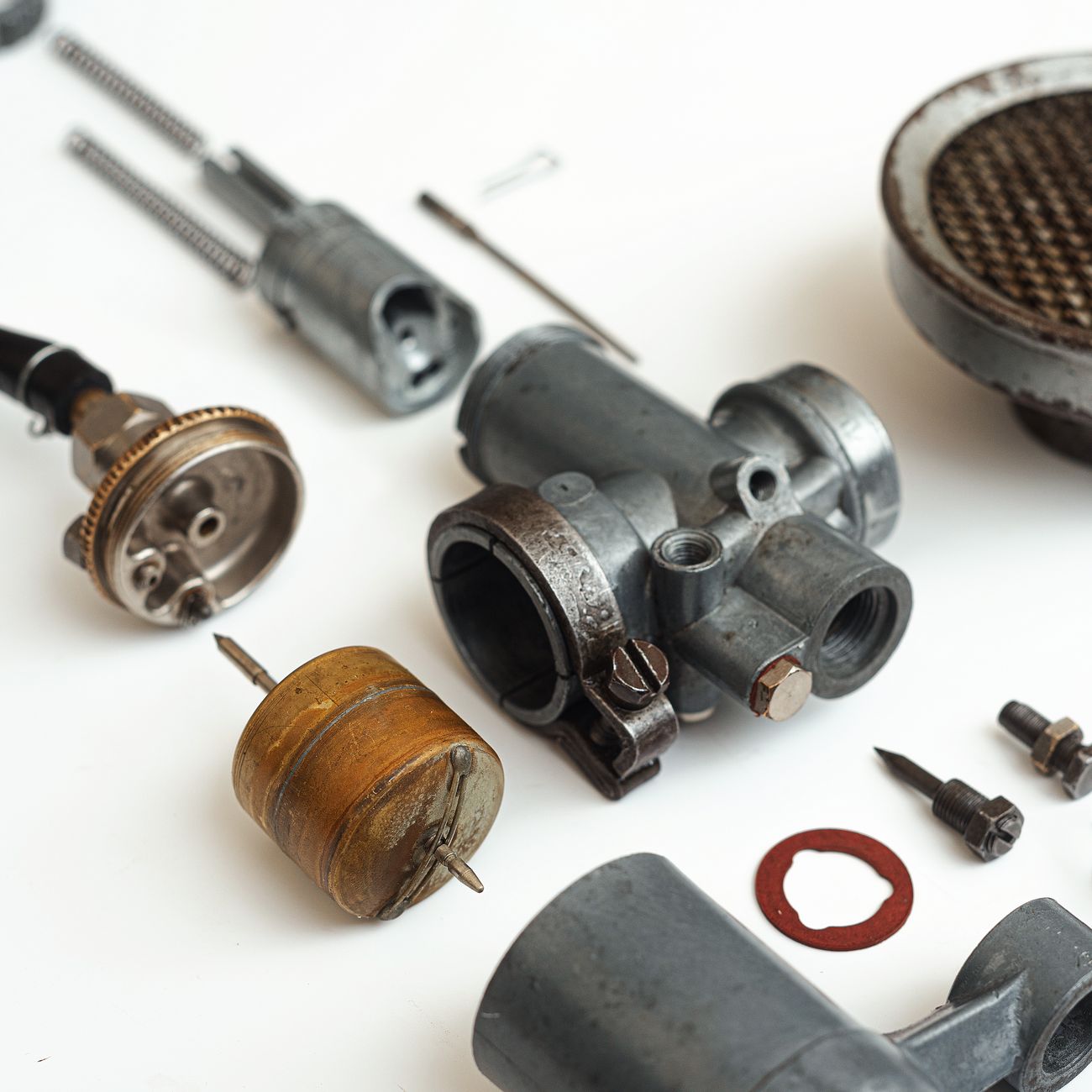
Pipeline Maintenance and Repair are crucial aspects of Pipeline Integrity Management. In this explanation, we will discuss some key terms and vocabulary related to Pipeline Maintenance and Repair in the context of the Postgraduate Certificate in Pipeline Integrity Management.
1. Pipeline Maintenance: Pipeline maintenance refers to the regular inspection and upkeep of pipelines to ensure their safe and efficient operation. This includes cleaning, testing, and repairing pipelines to prevent leaks, corrosion, and other forms of damage. Preventive maintenance is an essential part of pipeline maintenance, which involves regular inspections and repairs to prevent major failures. 2. Pipeline Repair: Pipeline repair involves fixing any damage to the pipeline, such as leaks, cracks, or corrosion. Repairs can be carried out using various methods, including welding, clamping, or replacing the damaged section of the pipeline. Emergency repairs are necessary when a pipeline fails, causing a leak or rupture, and require immediate attention to prevent further damage or harm. 3. Corrosion: Corrosion is the gradual degradation of a pipeline's metal surface due to environmental factors such as moisture, oxygen, and chemicals. Corrosion can weaken the pipeline's structure, leading to leaks or ruptures. Preventing corrosion is a critical aspect of pipeline maintenance, and various methods, such as coatings, cathodic protection, and pipeline cleaning, are used to prevent it. 4. Leak Detection: Leak detection is the process of identifying and locating leaks in a pipeline. Various methods, such as acoustic detection, pressure testing, and infrared thermal imaging, are used to detect leaks. Early leak detection is crucial in preventing major failures and reducing the risk of environmental damage. 5. Cathodic Protection: Cathodic protection is a technique used to prevent corrosion in pipelines. It involves applying a negative charge to the pipeline, which creates a protective layer around the metal surface, preventing it from reacting with the environment. Cathodic protection is an effective method of preventing corrosion, particularly in pipelines that are buried or in contact with seawater. 6. Pipeline Cleaning: Pipeline cleaning is the process of removing debris, such as wax, scale, or sediment, from the pipeline's interior. Regular pipeline cleaning is essential for maintaining the pipeline's efficiency and preventing blockages, leaks, and corrosion. Various methods, such as pigging, jetting, and swabbing, are used to clean pipelines. 7. Pipeline Inspection: Pipeline inspection involves examining the pipeline's interior and exterior to identify any damage, corrosion, or other issues. Various methods, such as in-line inspection (ILI), smart pigging, and remote-controlled vehicles, are used to inspect pipelines. Regular inspections are essential for maintaining pipeline integrity and preventing failures. 8. In-line Inspection (ILI): In-line inspection is a method of examining the pipeline's interior using specialized tools called "pigs." The pigs are inserted into the pipeline and travel through it, collecting data on the pipeline's condition. The data is analyzed to identify any damage, corrosion, or other issues. ILI is a non-destructive testing method that does not require the pipeline to be taken out of service. 9. Smart Pigging: Smart pigging is a type of in-line inspection that uses advanced tools to collect data on the pipeline's condition. Smart pigs are equipped with sensors that measure various parameters, such as wall thickness, pipe diameter, and magnetic flux. The data is analyzed to identify any damage, corrosion, or other issues. Smart pigging is a more accurate and detailed method of pipeline inspection than traditional methods. 10. Wall Thinning: Wall thinning is the gradual loss of pipe wall thickness due to corrosion, erosion, or other factors. Wall thinning can weaken the pipeline's structure, leading to leaks or ruptures. Regular pipeline inspections and maintenance are essential for detecting and preventing wall thinning. 11. Pipeline Rehabilitation: Pipeline rehabilitation involves restoring the pipeline's integrity and functionality without replacing it. This can be done using various methods, such as slip lining, cured-in-place pipe (CIPP) lining, and spiral-wound pipe lining. Pipeline rehabilitation is a cost-effective alternative to pipeline replacement and can extend the pipeline's lifespan. 12. Pipeline Integrity Management: Pipeline integrity management is the systematic approach to ensuring the safe and reliable operation of pipelines. This involves regular inspections, maintenance, and repairs to prevent leaks, corrosion, and other forms of damage. Pipeline integrity management is a critical aspect of the Postgraduate Certificate in Pipeline Integrity Management.
In conclusion, Pipeline Maintenance and Repair are integral parts of Pipeline Integrity Management. Understanding the key terms and vocabulary related to Pipeline Maintenance and Repair is crucial for successful completion of the Postgraduate Certificate in Pipeline Integrity Management. Regular pipeline inspections, maintenance, and repairs are essential for maintaining pipeline integrity and preventing failures. Preventing corrosion, detecting leaks, and restoring pipeline functionality are some of the critical aspects of Pipeline Maintenance and Repair. The use of advanced technologies, such as in-line inspection and smart pigging, can improve the accuracy and efficiency of pipeline inspections and maintenance.
Key takeaways
- In this explanation, we will discuss some key terms and vocabulary related to Pipeline Maintenance and Repair in the context of the Postgraduate Certificate in Pipeline Integrity Management.
- Preventing corrosion is a critical aspect of pipeline maintenance, and various methods, such as coatings, cathodic protection, and pipeline cleaning, are used to prevent it.
- Understanding the key terms and vocabulary related to Pipeline Maintenance and Repair is crucial for successful completion of the Postgraduate Certificate in Pipeline Integrity Management.