
Assessment and Diagnosis
Assessment and Diagnosis in ADHD
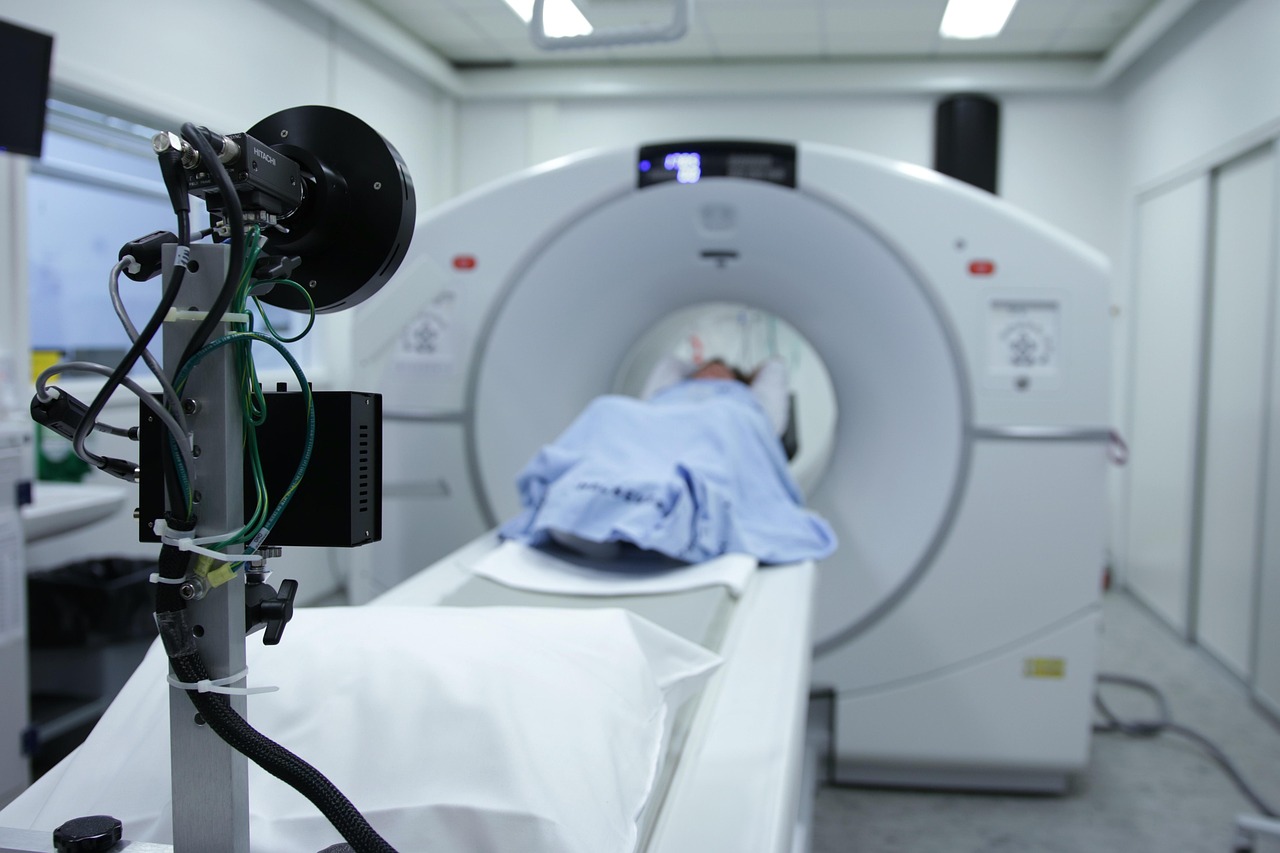
Assessment and Diagnosis in ADHD
Assessment and diagnosis are crucial steps in identifying and treating Attention-Deficit/Hyperactivity Disorder (ADHD). Proper evaluation allows healthcare professionals to understand the individual's symptoms, strengths, and challenges, leading to an accurate diagnosis and tailored treatment plan.
Assessment Process
The assessment process for ADHD involves a comprehensive evaluation of the individual's behavior, cognitive functioning, and emotional well-being. It typically includes gathering information from multiple sources, such as parents, teachers, and the individual themselves. The assessment may consist of the following components:
1. Clinical Interview
A clinical interview with the individual and their family members is often the first step in the assessment process. This allows the healthcare professional to gather information about the individual's developmental history, current symptoms, and any family history of ADHD or other mental health conditions.
2. Behavior Rating Scales
Behavior rating scales are standardized questionnaires completed by parents, teachers, or the individual themselves to assess ADHD symptoms. These scales provide valuable information about the frequency and severity of symptoms in different settings, such as home, school, and social environments.
3. Cognitive Testing
Cognitive testing may be conducted to assess the individual's cognitive abilities, such as attention, memory, and executive functioning. This can help identify any cognitive deficits that may be contributing to the individual's symptoms of ADHD.
4. Observations
Observations of the individual's behavior in various settings, such as school or home, can provide valuable insights into their symptoms and how they interact with their environment. Observations from teachers and other caregivers can help confirm the presence of ADHD symptoms and their impact on daily functioning.
5. Medical Evaluation
A medical evaluation is essential to rule out any underlying medical conditions that may be causing or exacerbating the individual's symptoms. This may include a physical examination, laboratory tests, and a review of the individual's medical history.
Diagnosis of ADHD
The diagnosis of ADHD is based on the criteria outlined in the Diagnostic and Statistical Manual of Mental Disorders (DSM-5). To receive a diagnosis of ADHD, the individual must exhibit a persistent pattern of inattention and/or hyperactivity-impulsivity that interferes with their daily functioning. The following criteria must be met:
1. Symptoms of Inattention
- Difficulty paying attention to details or making careless mistakes - Often has trouble organizing tasks and activities - Avoids or dislikes tasks that require sustained mental effort - Frequently loses things necessary for tasks - Easily distracted by external stimuli
2. Symptoms of Hyperactivity-Impulsivity
- Fidgets or squirms in their seat - Often leaves their seat in situations where remaining seated is expected - Talks excessively or blurts out answers before questions have been completed - Difficulty waiting their turn in conversations or activities - Often interrupts or intrudes on others
Subtypes of ADHD
ADHD is categorized into three subtypes based on the predominant symptoms exhibited by the individual:
1. Predominantly Inattentive Presentation
Individuals with predominantly inattentive presentation exhibit primarily symptoms of inattention without significant hyperactivity-impulsivity. They may appear forgetful, disorganized, and have difficulty sustaining attention on tasks.
2. Predominantly Hyperactive-Impulsive Presentation
Individuals with predominantly hyperactive-impulsive presentation exhibit primarily symptoms of hyperactivity-impulsivity without significant inattention. They may appear restless, talkative, and have difficulty waiting their turn.
3. Combined Presentation
The combined presentation of ADHD involves the presence of both inattentive and hyperactive-impulsive symptoms. Individuals with this subtype exhibit a combination of symptoms from both categories.
Challenges in Assessment and Diagnosis
Assessing and diagnosing ADHD can be challenging due to several factors, including:
1. Overlapping Symptoms
Some symptoms of ADHD, such as inattention and impulsivity, can also be present in other mental health conditions, making it difficult to differentiate between them. Careful evaluation and consideration of the individual's symptoms in various contexts are essential to arrive at an accurate diagnosis.
2. Variability in Symptoms
ADHD symptoms can vary in presentation and severity among individuals, making it challenging to identify and diagnose the disorder. Healthcare professionals must consider the individual's developmental stage, environmental factors, and comorbid conditions when assessing for ADHD.
3. Stigma and Misconceptions
There is still stigma and misconceptions surrounding ADHD, which can impact the assessment and diagnosis process. Healthcare professionals must approach the evaluation with sensitivity and understanding to provide an accurate diagnosis and appropriate support for the individual.
4. Comorbidity
ADHD often coexists with other mental health conditions, such as anxiety disorders, depression, or learning disabilities. The presence of comorbid conditions can complicate the assessment and diagnosis of ADHD, as symptoms may overlap or interact with each other.
Treatment Planning
Once a diagnosis of ADHD is confirmed, healthcare professionals can develop a comprehensive treatment plan tailored to the individual's needs. The treatment plan may include a combination of the following components:
1. Medication
Stimulant medications, such as methylphenidate or amphetamine salts, are commonly prescribed to manage the symptoms of ADHD. These medications can help improve attention, focus, and impulse control in individuals with ADHD.
2. Behavioral Therapy
Behavioral therapy, such as cognitive-behavioral therapy (CBT) or parent training, can help individuals with ADHD develop coping strategies, improve organizational skills, and manage impulsive behaviors. Behavioral therapy can be effective in combination with medication or as a standalone treatment.
3. Educational Interventions
Educational interventions, such as classroom accommodations or specialized tutoring, can help support individuals with ADHD in academic settings. These interventions may include extended time on tests, preferential seating, or breaking tasks into smaller steps.
4. Lifestyle Modifications
Lifestyle modifications, such as regular exercise, adequate sleep, and a healthy diet, can help individuals with ADHD manage their symptoms and improve overall well-being. Establishing routines and implementing strategies for organization and time management can also be beneficial.
Monitoring and Follow-Up
Regular monitoring and follow-up are essential components of managing ADHD. Healthcare professionals should regularly assess the individual's progress, adjust treatment as needed, and provide ongoing support to address any challenges that may arise.
Conclusion
Assessment and diagnosis are critical steps in identifying and treating ADHD. By conducting a thorough evaluation, healthcare professionals can accurately diagnose ADHD, develop a tailored treatment plan, and provide the necessary support for individuals with the disorder. Effective assessment and diagnosis require careful consideration of symptoms, collaboration with multiple sources of information, and ongoing monitoring to ensure the individual's needs are met.
Key takeaways
- Proper evaluation allows healthcare professionals to understand the individual's symptoms, strengths, and challenges, leading to an accurate diagnosis and tailored treatment plan.
- The assessment process for ADHD involves a comprehensive evaluation of the individual's behavior, cognitive functioning, and emotional well-being.
- This allows the healthcare professional to gather information about the individual's developmental history, current symptoms, and any family history of ADHD or other mental health conditions.
- These scales provide valuable information about the frequency and severity of symptoms in different settings, such as home, school, and social environments.
- Cognitive testing may be conducted to assess the individual's cognitive abilities, such as attention, memory, and executive functioning.
- Observations of the individual's behavior in various settings, such as school or home, can provide valuable insights into their symptoms and how they interact with their environment.
- A medical evaluation is essential to rule out any underlying medical conditions that may be causing or exacerbating the individual's symptoms.