
Regulatory Frameworks in Mining
Regulatory Frameworks in Mining: Key Terms and Vocabulary
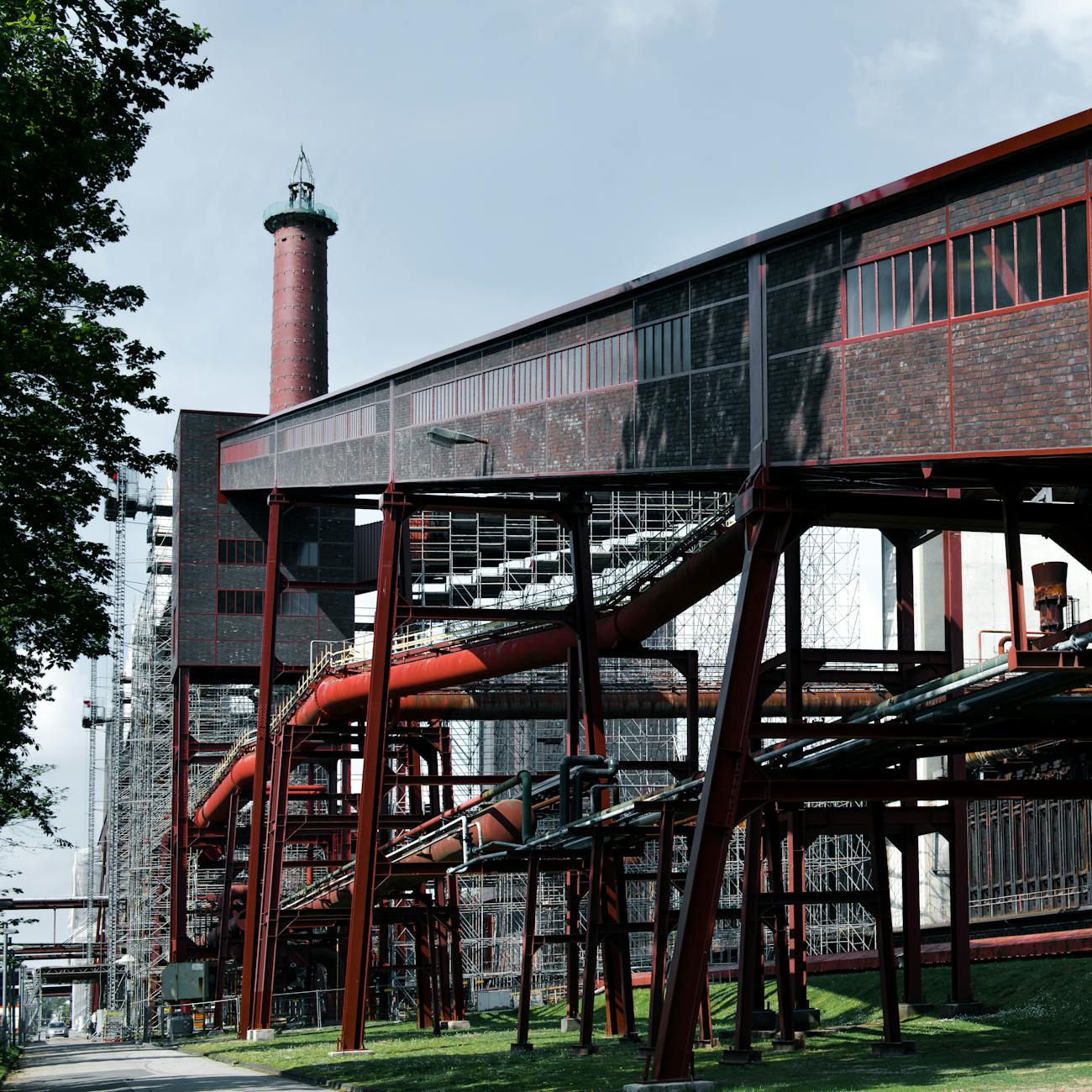
Regulatory Frameworks in Mining: Key Terms and Vocabulary
Mining is a critical sector that contributes significantly to the economy of many countries. However, the extraction and processing of minerals can have adverse environmental and social impacts. Therefore, it is essential to have robust regulatory frameworks to govern mining activities and ensure sustainable development. This explanation outlines key terms and vocabulary related to regulatory frameworks in mining in the context of the Postgraduate Certificate in Mining Law and Regulations.
1. Mining Law
Mining law refers to the legal framework that governs the exploration, extraction, and processing of minerals. It outlines the rights and obligations of stakeholders, including the government, mining companies, and local communities. Mining law also sets out the procedures for obtaining mining licenses, environmental impact assessments, and community consultations.
2. Mineral Rights
Mineral rights refer to the legal entitlement to explore, extract, and sell minerals. There are two types of mineral rights: surface rights and subsurface rights. Surface rights refer to the ownership of the land's surface, while subsurface rights refer to the ownership of the minerals below the surface. In some jurisdictions, the government owns all mineral rights, while in others, private individuals or companies own them.
3. Environmental Impact Assessment (EIA)
An Environmental Impact Assessment (EIA) is a process of evaluating the potential environmental impacts of a mining project. The EIA process involves identifying the likely impacts, assessing their significance, and proposing measures to mitigate or avoid them. The EIA is a critical component of the mining permit application process and helps ensure that mining activities are conducted in an environmentally sustainable manner.
4. Community Consultation
Community consultation refers to the process of engaging with local communities affected by mining activities. The objective of community consultation is to ensure that the views and concerns of local communities are taken into account in the planning and implementation of mining projects. Community consultation is a legal requirement in many jurisdictions and is essential for building social license to operate.
5. Free, Prior, and Informed Consent (FPIC)
Free, Prior, and Informed Consent (FPIC) is a principle that requires mining companies to obtain the consent of indigenous peoples and local communities before proceeding with mining activities that may affect them. FPIC is based on the right of indigenous peoples to self-determination and is recognized in international law. FPIC requires that mining companies provide information about the project in a language and format that is understandable to the affected communities and that they respect the communities' decision-making processes.
6. Mine Closure Planning
Mine closure planning refers to the process of preparing for the eventual closure of a mining project. The objective of mine closure planning is to ensure that mining activities are conducted in a manner that minimizes the environmental and social impacts of closure. Mine closure planning involves identifying the measures that will be taken to rehabilitate the site, manage waste, and provide alternative livelihoods for affected communities.
7. Corporate Social Responsibility (CSR)
Corporate Social Responsibility (CSR) refers to the voluntary actions that mining companies take to contribute to sustainable development. CSR initiatives may include community development projects, environmental conservation efforts, and human rights initiatives. CSR is an essential component of mining companies' social license to operate and is increasingly being integrated into mining regulations.
8. Transparency and Accountability
Transparency and accountability are critical components of mining regulations. Transparency requires that mining companies disclose information about their operations, finances, and impacts. Accountability requires that mining companies are held responsible for their actions and are subject to oversight and regulation by government agencies. Transparency and accountability are essential for ensuring that mining activities are conducted in a responsible and sustainable manner.
9. Artisanal and Small-Scale Mining (ASM)
Artisanal and Small-Scale Mining (ASM) refers to mining activities conducted by individuals, groups, or cooperatives using rudimentary tools and equipment. ASM is an important source of livelihood for millions of people worldwide, particularly in developing countries. However, ASM can have adverse environmental and social impacts, and it is often informal and unregulated. Therefore, there is a need for regulations that promote responsible ASM and ensure that ASM operators are integrated into the formal mining sector.
10. Mine Safety and Health
Mine safety and health are critical components of mining regulations. Mining activities can have significant safety and health risks, including exposure to hazardous substances, accidents, and occupational diseases. Mining regulations require mining companies to implement measures to prevent accidents, protect workers' health, and ensure that workers have access to adequate safety training and equipment.
Conclusion
Regulatory frameworks are essential for ensuring that mining activities are conducted in a responsible and sustainable manner. The key terms and vocabulary outlined in this explanation are critical for understanding the legal, environmental, social, and ethical dimensions of mining regulations. By understanding these terms and concepts, mining professionals can contribute to the development of robust regulatory frameworks that promote sustainable development and minimize the adverse impacts of mining activities.
Key takeaways
- This explanation outlines key terms and vocabulary related to regulatory frameworks in mining in the context of the Postgraduate Certificate in Mining Law and Regulations.
- Mining law also sets out the procedures for obtaining mining licenses, environmental impact assessments, and community consultations.
- Surface rights refer to the ownership of the land's surface, while subsurface rights refer to the ownership of the minerals below the surface.
- The EIA is a critical component of the mining permit application process and helps ensure that mining activities are conducted in an environmentally sustainable manner.
- The objective of community consultation is to ensure that the views and concerns of local communities are taken into account in the planning and implementation of mining projects.
- Free, Prior, and Informed Consent (FPIC) is a principle that requires mining companies to obtain the consent of indigenous peoples and local communities before proceeding with mining activities that may affect them.
- Mine closure planning involves identifying the measures that will be taken to rehabilitate the site, manage waste, and provide alternative livelihoods for affected communities.