
Environmental Impact Assessment
Environmental Impact Assessment (EIA) is a systematic process used to identify, predict, evaluate, and mitigate the potential environmental effects of a proposed project before decisions are made. In the context of solid waste management en…
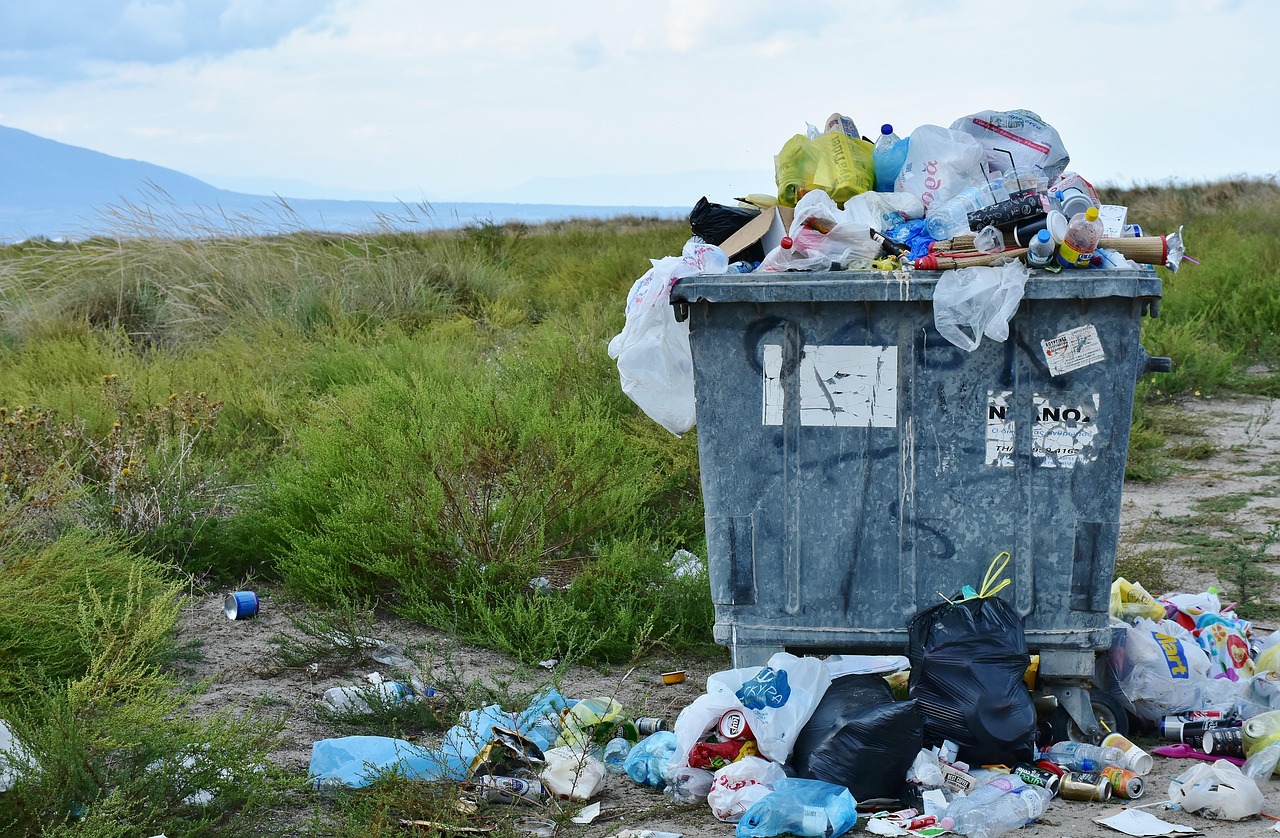
Environmental Impact Assessment (EIA) is a systematic process used to identify, predict, evaluate, and mitigate the potential environmental effects of a proposed project before decisions are made. In the context of solid waste management engineering, EIA provides the framework for assessing how waste handling, treatment, and disposal activities may alter ecosystems, human health, and socio‑economic conditions. Mastery of the terminology associated with EIA is essential for professionals who must prepare comprehensive reports, communicate with regulators, and design sustainable waste‑management systems.
Scoping is the first major step in the EIA process. It defines the boundaries of the study, identifies the key environmental issues, and determines the depth of analysis required. For a new municipal landfill, scoping would involve listing potential impacts such as groundwater contamination, air emissions, odor nuisance, and traffic increase. The outcome is a scoping report that guides data collection and analysis, ensuring that resources are focused on the most significant aspects rather than on peripheral concerns.
Baseline data refers to the collection of existing environmental conditions against which future changes can be measured. Baseline studies typically include soil characteristics, hydrogeology, biodiversity inventories, and socio‑economic profiles of nearby communities. In a solid‑waste context, baseline leachate quality, ambient air quality, and existing waste‑handling practices are crucial. Accurate baseline data allow analysts to distinguish project‑induced changes from natural variability, thereby strengthening the credibility of impact predictions.
Impact is any change—positive or negative—that results from a project activity. Impacts are often categorized by their nature (e.g., physical, chemical, biological, social), magnitude (e.g., minor, moderate, major), duration (e.g., short‑term, long‑term), and spatial extent (e.g., site‑specific, regional). For example, the construction of a waste‑to‑energy plant may generate a short‑term impact in the form of dust during earthworks, while producing a long‑term impact through reduced reliance on landfills and lower greenhouse‑gas emissions.
Significance is the qualitative or quantitative assessment of an impact’s importance. Significance judgments consider criteria such as legal standards, threshold values, stakeholder concerns, and the value of the affected resource. In many jurisdictions, a contaminant concentration exceeding a statutory limit is automatically deemed significant, triggering mandatory mitigation actions. Significance is not purely scientific; it incorporates societal values and policy objectives, making it a central element of decision‑making.
Mitigation measures are actions taken to avoid, reduce, or compensate for adverse impacts. In solid‑waste projects, common mitigation strategies include liner installation to prevent leachate migration, gas collection systems to capture methane, and odor‑control technologies such as biofilters. Mitigation can be hierarchical: first, avoid the impact where feasible; second, minimize it; third, offset it through compensatory measures such as habitat restoration. Effective mitigation must be integrated into the project design and monitored throughout the operational phase.
Monitoring involves the systematic observation and measurement of environmental parameters to verify that mitigation measures are performing as intended. Monitoring plans for a landfill might include quarterly groundwater sampling, continuous air‑quality monitoring for volatile organic compounds, and periodic health surveys of nearby residents. Data from monitoring activities inform adaptive management, allowing operators to adjust practices if impacts exceed predicted levels.
Environmental Management Plan (EMP) is a documented set of procedures, responsibilities, and timelines for implementing mitigation and monitoring. An EMP for a composting facility would detail site‑specific actions such as storm‑water runoff control, noise reduction protocols, and staff training requirements. The EMP serves as a contractually binding instrument between the project proponent and regulatory agencies, ensuring accountability throughout the project lifecycle.
Alternatives analysis is a core EIA requirement that evaluates different ways to achieve the project’s objectives, including the “no‑action” alternative. In solid‑waste engineering, alternatives may range from constructing a new sanitary landfill to expanding an existing recycling program or adopting advanced waste‑to‑energy technology. Each alternative is assessed on environmental, technical, economic, and social criteria. The analysis helps decision‑makers select the option that delivers the desired waste‑management outcomes while minimizing adverse effects.
Public participation is the process by which stakeholders—local communities, NGOs, industry groups, and government bodies—contribute to the EIA. Effective participation involves informing the public, soliciting feedback, and incorporating concerns into project design. For a proposed hazardous‑waste incinerator, public meetings might reveal worries about air‑quality impacts, prompting the inclusion of additional filtration systems. Transparent engagement builds trust and can reduce the likelihood of legal challenges or project delays.
Cumulative impact refers to the combined effect of the proposed project together with other past, present, or reasonably foreseeable future actions. In regions with multiple waste‑treatment facilities, cumulative analysis might examine the aggregate greenhouse‑gas emissions, total leachate loads, and combined traffic congestion. Ignoring cumulative impacts can lead to underestimation of environmental pressure and may breach statutory requirements for holistic assessment.
Threshold is a quantitative limit or level beyond which an impact is considered significant or unacceptable. Thresholds are often defined in regulations—for instance, a maximum permissible concentration of heavy metals in groundwater. However, thresholds can also be derived from scientific studies, risk assessments, or stakeholder consensus. Knowing relevant thresholds helps engineers design control measures that keep emissions and discharges within permissible bounds.
Risk assessment evaluates the probability and consequences of adverse environmental or health events. In solid‑waste contexts, risk assessment is commonly applied to leachate contamination, landfill gas explosions, and exposure to hazardous waste streams. The process involves hazard identification, dose‑response analysis, exposure assessment, and risk characterization. Results guide the selection of appropriate mitigation and emergency‑response strategies.
Environmental baseline survey is a comprehensive field investigation that records existing conditions of the study area. It typically includes site reconnaissance, sampling of soil, water, and air, and biodiversity inventories. For a proposed waste‑sorting facility, the baseline survey would document any protected species, wetlands, or cultural heritage sites that could be affected by construction activities. The survey forms the factual foundation for impact prediction.
Impact matrix is a tabular tool that cross‑references project activities with environmental components, indicating the nature, magnitude, and significance of each interaction. An impact matrix for a recycling plant might list activities such as “material handling,” “vehicle traffic,” and “storm‑water discharge” against receptors like “soil quality,” “air quality,” and “local communities.” This visual format assists analysts in ensuring that no potential impact is overlooked.
Predictive modeling involves the use of mathematical or simulation tools to estimate future environmental conditions based on current data and planned activities. Models commonly employed in solid‑waste EIA include groundwater flow models for leachate migration, dispersion models for air emissions, and life‑cycle assessment (LCA) models for carbon footprints. Accurate modeling requires reliable input data, calibrated parameters, and validation against observed conditions.
Life‑cycle assessment (LCA) is a systematic method for evaluating the environmental impacts associated with all stages of a product or process, from raw‑material extraction to disposal. In waste‑management engineering, LCA can compare the carbon intensity of landfill disposal versus incineration versus recycling. By quantifying energy use, emissions, and resource depletion, LCA supports evidence‑based decision‑making and helps identify opportunities for impact reduction throughout the waste‑handling chain.
Environmental screening is an early‑stage filter that determines whether a full EIA is required. Screening criteria may be based on project size, waste type, proximity to sensitive receptors, and regulatory thresholds. For example, a small, temporary construction waste dump may be exempt from a comprehensive EIA if it meets defined screening limits. Screening streamlines the assessment process, focusing resources on projects with higher potential impacts.
Environmental impact statement (EIS) is the formal document that compiles all findings of the EIA, including description of the project, baseline conditions, impact predictions, mitigation measures, monitoring plans, and stakeholder inputs. The EIS is submitted to the approving authority and is often made available for public review. A well‑structured EIS presents complex information in a clear, logical format, facilitating transparent decision‑making.
Regulatory framework encompasses the laws, regulations, standards, and guidelines that govern the EIA process. In many countries, the environmental legislation defines the scope of EIA, the content of the EIS, required public consultation, and the criteria for approval. Understanding the regulatory framework is essential for compliance, as failure to meet statutory requirements can result in project suspension, fines, or legal challenges.
Environmental standards are specific numerical limits or qualitative criteria established by authorities to protect environmental quality. Examples include maximum allowable concentrations of nitrogen oxides in ambient air, permissible leachate pH ranges, and noise level limits around residential areas. Engineers must design waste‑management systems that consistently meet or exceed these standards throughout operation.
Stakeholder analysis identifies individuals, groups, or organizations that have an interest in or are affected by the project. The analysis assesses each stakeholder’s concerns, influence, and level of involvement. For a new landfill, stakeholders may include local residents, municipal waste‑collection agencies, environmental NGOs, and health departments. Understanding stakeholder dynamics helps tailor communication strategies and address potential conflicts early in the project timeline.
Environmental audit is a systematic, independent evaluation of an organization’s environmental performance and compliance with regulations. Audits are often conducted periodically to verify that mitigation measures are being implemented effectively and that monitoring data align with predicted outcomes. In a solid‑waste facility, an audit might assess the integrity of landfill liners, the efficiency of gas‑capture systems, and the adequacy of staff training programs.
Adaptive management is a structured approach to learning and adjusting management actions in response to new information or changing conditions. In the context of EIA, adaptive management acknowledges uncertainties in impact predictions and incorporates flexibility to modify mitigation or monitoring strategies if actual impacts deviate from expectations. For instance, if leachate monitoring reveals higher-than‑predicted contaminant levels, the operator may reinforce containment measures or adjust treatment processes.
Environmental justice addresses the fair distribution of environmental benefits and burdens among all social groups, particularly vulnerable or marginalized communities. An EIA that incorporates environmental‑justice principles will examine whether the proposed waste facility disproportionately affects low‑income neighborhoods or indigenous peoples. Mitigating inequitable impacts may involve relocating facilities, providing additional health services, or offering community benefits agreements.
Precautionary principle is a guiding concept that encourages taking preventive action in the face of uncertainty. When scientific evidence about a potential impact is incomplete, the principle advises erring on the side of protection. In solid‑waste engineering, this might translate into selecting a waste‑treatment technology with lower risk profiles, even if it entails higher upfront costs, to avoid unforeseen contamination events.
Best‑available techniques (BAT) refers to the most effective and advanced methods for minimizing emissions and discharges, taking into account technical feasibility and cost‑effectiveness. Regulatory agencies often require the application of BAT for high‑impact activities such as hazardous‑waste incineration. Demonstrating compliance with BAT can reduce the likelihood of regulatory penalties and improve community acceptance.
Environmental covenant is a legally binding agreement that imposes restrictions on land use to protect environmental values after a waste‑management site is closed. For a former landfill, an environmental covenant may prohibit residential development within a specified radius, require ongoing monitoring, and outline liability provisions. The covenant ensures long‑term protection of the site and surrounding ecosystems.
Decommissioning is the process of safely shutting down a waste‑management facility at the end of its operational life. Decommissioning plans address the removal of equipment, remediation of contaminated soils, closure of landfill cells, and restoration of the site for alternative uses. Effective decommissioning minimizes residual environmental impacts and fulfills legal obligations for site closure.
Environmental monitoring stations are fixed locations where continuous or periodic measurements of environmental parameters are taken. For a waste‑to‑energy plant, monitoring stations might be situated downwind to capture emissions of particulate matter, sulfur dioxide, and nitrogen oxides. Data from these stations are critical for demonstrating compliance with emission standards and for informing community stakeholders about ongoing environmental performance.
Geographic information system (GIS) is a digital tool used to capture, store, analyze, and visualize spatial data. GIS is indispensable in EIA for mapping project footprints, identifying sensitive receptors, and conducting spatial overlay analyses. In a solid‑waste context, GIS can be used to model the spread of leachate plumes, assess proximity to water bodies, and plan optimal routes for waste‑collection vehicles to reduce traffic impacts.
Environmental baseline monitoring involves establishing a long‑term record of environmental conditions before project implementation. This baseline monitoring provides a reference point for detecting changes attributable to the project. For example, a two‑year pre‑construction monitoring program for a new landfill might record groundwater quality trends, enabling more accurate attribution of any post‑construction changes to landfill activities.
Impact mitigation hierarchy orders mitigation actions from most to least desirable: first, avoid the impact; second, minimize it; third, restore the affected environment; fourth, offset the impact through compensation. Applying the hierarchy ensures that the most effective measures are pursued before resorting to less desirable options such as monetary compensation. In practice, a waste‑processing facility might avoid impacts by selecting a site with low groundwater vulnerability, thereby reducing the need for extensive remediation later.
Environmental threshold values are specific limits set for particular pollutants or conditions, beyond which adverse effects are likely to occur. These values are derived from scientific studies, regulatory guidance, or consensus among experts. For instance, a threshold value for methane concentration in landfill gas may be set at 5% by volume to prevent explosion hazards. Designing waste‑management systems to stay below these thresholds is a core engineering requirement.
Stakeholder engagement plan outlines the methods, timing, and responsibilities for interacting with stakeholders throughout the EIA process. The plan may include public meetings, focus groups, information kiosks, and electronic newsletters. A well‑crafted engagement plan ensures that stakeholders receive timely, accurate information and have meaningful opportunities to influence project decisions, thereby reducing the risk of opposition and litigation.
Contingency planning prepares for unforeseen events that could exacerbate environmental impacts, such as extreme weather, equipment failure, or accidental releases. Contingency plans typically detail emergency response procedures, communication protocols, and resource allocation. For a landfill, a contingency plan might specify actions to take in the event of liner breach, including immediate leachate containment and notification of regulatory authorities.
Environmental impact classification categorizes impacts based on criteria such as severity, reversibility, and spatial extent. Classification schemes may range from “negligible” to “severe” or use numeric scales. This classification informs the depth of analysis required; impacts deemed “severe” often demand detailed modeling, extensive mitigation, and rigorous monitoring, while “negligible” impacts may be addressed with simple precautionary measures.
Ecological footprint measures the amount of biologically productive land and water area required to support a project’s resource consumption and waste generation. In solid‑waste engineering, the ecological footprint can be used to compare the land‑use efficiency of different waste‑treatment technologies, such as landfilling versus anaerobic digestion. Reducing the ecological footprint aligns with broader sustainability goals.
Environmental performance indicator (EPI) is a quantitative metric used to track the environmental outcomes of a project over time. EPIs for waste‑management facilities might include landfill gas capture efficiency, leachate treatment success rate, or the volume of waste diverted from landfill to recycling. Regular reporting of EPIs supports transparency and facilitates continuous improvement.
Best management practice (BMP) denotes a set of procedures or techniques that have been demonstrated to achieve optimal environmental outcomes in a specific context. BMPs for solid‑waste operations may encompass dust suppression methods, proper segregation of hazardous waste, and routine maintenance of liner systems. Adoption of BMPs is often a prerequisite for obtaining permits and achieving compliance with environmental standards.
Environmental compliance audit is a focused review that verifies whether a project or facility adheres to the conditions set forth in permits, regulations, and the EMP. Auditors examine documentation, conduct site inspections, and interview personnel to assess conformity. Findings from compliance audits may trigger corrective actions, fines, or permit modifications.
Impact mitigation plan details the specific actions, timelines, responsible parties, and resources required to implement mitigation measures identified in the EIA. For a new composting facility, the mitigation plan might schedule the installation of a biofilter within three months, assign responsibility to the operations manager, and allocate budget for the necessary equipment. Clear articulation of mitigation steps enhances accountability and facilitates monitoring.
Environmental risk matrix is a tool that plots the likelihood of an impact occurring against its potential severity, producing a visual representation of risk levels. High‑likelihood, high‑severity risks are prioritized for mitigation. In a waste‑treatment plant, the risk matrix could highlight the high probability of odor generation combined with moderate severity, prompting the implementation of odor‑control technologies.
Regulatory impact assessment (RIA) evaluates how proposed regulations or policy changes would affect the environment, industry, and society. While distinct from project‑level EIA, RIA is relevant for solid‑waste engineers who must anticipate future regulatory trends, such as stricter landfill‑gas emission limits, and design facilities that can adapt to evolving requirements.
Environmental capacity defines the maximum level of pollutant load that an environment can absorb without adverse effects. Determining the environmental capacity of a receiving water body helps set permissible discharge limits for leachate from a landfill. Exceeding capacity can lead to eutrophication, loss of biodiversity, and regulatory violations.
Social impact assessment (SIA) examines how a project influences the social fabric of affected communities, including livelihoods, health, cultural heritage, and community cohesion. In solid‑waste projects, SIA may evaluate how the siting of a new transfer station affects traffic patterns, noise levels, and local business revenues. Integrating SIA with EIA provides a holistic view of project consequences.
Environmental cost‑benefit analysis (ECBA) quantifies the monetary value of environmental impacts and compares them with the benefits derived from the project. ECBA can be used to assess whether the reduction in greenhouse‑gas emissions from a waste‑to‑energy plant justifies the capital investment required for emission‑control equipment. While monetizing environmental values involves uncertainties, ECBA aids in rational decision‑making.
Mitigation hierarchy is reiterated here to emphasize its role in guiding engineers toward the most effective strategies: first, avoid the impact; second, minimize it; third, restore the affected environment; fourth, offset the impact through compensation. Applying the hierarchy systematically ensures that avoidance and minimization are prioritized over compensation, aligning with sustainable development principles.
Environmental baseline inventory is a detailed catalogue of existing environmental resources, conditions, and constraints within the project area. This inventory may include land‑use maps, species distribution data, water‑resource assessments, and cultural‑heritage registers. The inventory provides the factual basis for impact identification and serves as a reference point for future monitoring.
Temporal scale refers to the timeframe over which impacts occur and are evaluated. Impacts may be immediate (construction phase), short‑term (operational phase), or long‑term (post‑closure). Understanding temporal scales is vital for selecting appropriate monitoring frequencies and for anticipating legacy effects such as residual contamination after a landfill is capped.
Spatial scale denotes the geographic extent of an impact, ranging from the project site to regional or even global levels. For example, greenhouse‑gas emissions from waste incineration have a global spatial scale due to their contribution to climate change, whereas groundwater contamination may be confined to a local aquifer. Recognizing spatial scales guides the scope of impact analysis and stakeholder outreach.
Environmental threshold analysis involves comparing predicted impact levels with established thresholds to determine significance. If predicted leachate concentrations exceed regulatory limits, the analysis concludes that the impact is significant and requires mitigation. Threshold analysis provides an objective basis for significance judgments, reducing reliance on subjective opinion.
Stakeholder grievance mechanism is a formal process through which affected parties can raise concerns, complaints, or suggestions regarding the project’s environmental performance. An effective grievance mechanism ensures that issues are addressed promptly, builds trust, and can prevent escalation to legal disputes. For a waste‑processing plant, a grievance mechanism might include a dedicated hotline, an online portal, and a clear escalation pathway.
Environmental disclosure is the practice of openly sharing information about a project’s environmental performance, compliance status, and monitoring results. Transparency in disclosure promotes accountability and can enhance community acceptance. Many jurisdictions require periodic environmental reports to be made publicly available, often through online portals.
Environmental sustainability is the overarching goal of balancing present waste‑management needs with the protection of natural resources for future generations. Sustainability considerations in EIA include resource efficiency, waste minimization, renewable energy integration, and circular‑economy principles. Embedding sustainability into the EIA process ensures that waste‑engineering solutions contribute to long‑term environmental resilience.
Environmental impact categorization groups impacts into categories such as air, water, soil, biodiversity, and socio‑economic. This categorization facilitates systematic analysis, as each category can be examined with specialized methods and expertise. For instance, air‑impact assessment may rely on dispersion modeling, whereas biodiversity impact assessment may involve field surveys and habitat suitability modeling.
Environmental impact mitigation encompasses the suite of actions designed to reduce adverse effects. Mitigation can be structural (e.g., constructing a liner), procedural (e.g., implementing best‑practice waste handling), or compensatory (e.g., funding a community park). Selecting appropriate mitigation measures requires an understanding of the cause‑effect relationship, cost considerations, and regulatory requirements.
Environmental monitoring protocol outlines the specific procedures, sampling frequencies, analytical methods, and quality‑control measures for monitoring activities. A robust protocol ensures that data are reliable, comparable over time, and defensible in regulatory reviews. For leachate monitoring, the protocol might specify quarterly sampling, use of EPA‑approved analytical methods for heavy metals, and duplicate analyses for quality assurance.
Environmental impact significance criteria are the standards used to judge whether an impact is insignificant, moderate, or significant. Criteria may include legal limits, scientific thresholds, stakeholder concerns, and policy objectives. Consistent application of significance criteria across all impact categories enhances the credibility and defensibility of the EIA.
Environmental baseline assessment is a comprehensive evaluation of existing environmental conditions, often conducted through field surveys, laboratory analyses, and literature reviews. The assessment provides the context for impact prediction and helps identify sensitive receptors that may be particularly vulnerable to project activities.
Environmental impact prediction uses data, models, and expert judgment to forecast how project activities will alter baseline conditions. Prediction techniques range from simple qualitative descriptions to sophisticated numerical simulations. Accurate predictions are essential for designing effective mitigation and for informing decision‑makers about potential trade‑offs.
Environmental impact mitigation strategy integrates all mitigation measures into a coherent plan that aligns with project objectives and regulatory expectations. The strategy may prioritize avoidance, outline specific engineering controls, and identify monitoring requirements to verify effectiveness. A well‑crafted mitigation strategy demonstrates proactive environmental stewardship.
Environmental impact assessment report (EIAR) is the final compilation of all EIA components, presented in a structured format for review by authorities and the public. The report includes project description, baseline data, impact analysis, mitigation measures, monitoring plans, and stakeholder engagement summaries. Clarity, completeness, and logical organization are critical for the EIAR to be persuasive and compliant.
Environmental impact assessment methodology refers to the systematic procedures, tools, and techniques employed throughout the EIA process. Common methodologies include check‑list analysis, matrix methods, GIS‑based spatial analysis, and probabilistic risk assessment. Selecting an appropriate methodology depends on project complexity, data availability, and regulatory requirements.
Environmental monitoring and reporting framework establishes the schedule, responsibilities, and formats for communicating monitoring results to regulators, stakeholders, and internal management. The framework may define quarterly reports, annual public disclosures, and internal performance dashboards. Consistent reporting supports continuous improvement and demonstrates compliance.
Environmental impact mitigation budgeting involves allocating financial resources for the implementation and maintenance of mitigation measures. Accurate budgeting ensures that mitigation is not merely theoretical but can be executed effectively throughout the project’s lifecycle. For example, budgeting for a landfill gas collection system must include installation costs, operation, and periodic maintenance.
Environmental impact mitigation effectiveness assesses whether mitigation measures achieve the intended reduction in impact magnitude. Effectiveness is evaluated through monitoring data, performance indicators, and comparison with baseline conditions. If mitigation proves ineffective, adaptive management may be invoked to adjust strategies.
Environmental impact mitigation verification is the process of confirming that mitigation measures have been installed and are functioning as designed. Verification may involve inspections, testing, and review of documentation. Independent verification provides assurance to regulators and the public that mitigation commitments are being honored.
Environmental impact mitigation monitoring tracks the performance of mitigation measures over time, providing data to assess compliance and effectiveness. Monitoring may be continuous (e.g., real‑time gas sensors) or periodic (e.g., quarterly water sampling). The results inform whether corrective actions are needed.
Environmental impact mitigation reporting communicates monitoring findings, corrective actions, and overall performance of mitigation measures to stakeholders. Transparent reporting builds confidence and can fulfill regulatory reporting obligations. Reports typically include data tables, trend analyses, and narrative explanations of any deviations from expected performance.
Environmental impact mitigation planning integrates the design, implementation, and monitoring of mitigation measures into the overall project schedule. Effective planning ensures that mitigation activities are not delayed, that resources are available when needed, and that the project remains on track to meet environmental compliance milestones.
Environmental impact mitigation implementation is the execution phase where planned mitigation measures are installed, commissioned, and operated. Successful implementation requires coordination among engineers, contractors, and regulatory authorities. Detailed implementation schedules, responsibility matrices, and quality‑control procedures are essential.
Environmental impact mitigation maintenance refers to the ongoing upkeep required to keep mitigation systems operational over the project’s life. Maintenance activities may include routine inspections, repairs, calibration of monitoring equipment, and replacement of worn components. Proper maintenance extends the lifespan of mitigation measures and ensures continued environmental protection.
Environmental impact mitigation training provides personnel with the knowledge and skills needed to operate, monitor, and maintain mitigation systems. Training programs may cover topics such as liner inspection techniques, gas‑collection system operation, and emergency response procedures. Well‑trained staff are critical for effective mitigation and compliance.
Environmental impact mitigation documentation compiles all records related to mitigation design, installation, testing, operation, and maintenance. Documentation serves as evidence of compliance, supports audits, and provides a historical record for future reference. It typically includes design drawings, test reports, maintenance logs, and incident reports.
Environmental impact mitigation stakeholder communication ensures that stakeholders are kept informed about mitigation activities, performance, and any issues that arise. Communication channels may include community meetings, newsletters, website updates, and direct liaison officers. Ongoing communication fosters trust and can mitigate potential conflicts.
Environmental impact mitigation cost‑benefit analysis evaluates the economic trade‑offs of implementing specific mitigation measures. The analysis compares the cost of mitigation (capital, operation, maintenance) with the benefits derived from avoided environmental damage, regulatory compliance, and improved public perception. Cost‑benefit analysis helps prioritize mitigation actions that deliver the greatest environmental return on investment.
Environmental impact mitigation risk assessment identifies potential failure modes of mitigation measures and evaluates the associated risks. For example, a risk assessment of a landfill gas collection system might examine the probability of pipe rupture and the consequences of uncontrolled methane release. Findings inform the design of redundancy, monitoring, and emergency response plans.
Environmental impact mitigation performance indicators are quantitative metrics used to gauge the success of mitigation measures. Common indicators for solid‑waste projects include capture efficiency of landfill gas (percentage of generated methane captured), leachate treatment removal rates (percentage reduction of contaminants), and noise level reductions (decibel decrease relative to baseline). Tracking performance indicators enables objective assessment of mitigation outcomes.
Environmental impact mitigation compliance audit verifies that mitigation measures meet the conditions stipulated in permits, the EMP, and regulatory requirements. Audits may be internal or external and typically involve document review, site inspections, and interviews. Non‑compliance identified during an audit triggers corrective actions and may result in enforcement measures.
Environmental impact mitigation adaptive management incorporates flexibility into mitigation plans, allowing adjustments based on monitoring results, emerging scientific knowledge, or changes in regulatory expectations. Adaptive management is especially important when dealing with uncertainties, such as long‑term leachate behavior or climate‑change impacts on waste‑facility operations.
Environmental impact mitigation stakeholder feedback collects input from affected parties regarding the perceived effectiveness of mitigation measures. Feedback mechanisms may include surveys, public forums, and community advisory panels. Incorporating stakeholder feedback can improve mitigation design, enhance community acceptance, and identify unforeseen issues.
Environmental impact mitigation innovation encourages the adoption of new technologies or approaches that improve environmental performance. Examples include the use of advanced membrane filtration for leachate treatment, the integration of renewable energy sources to power waste‑processing equipment, and the deployment of smart sensors for real‑time gas monitoring. Innovation can lead to higher mitigation effectiveness and reduced operational costs.
Environmental impact mitigation policy alignment ensures that mitigation strategies are consistent with broader governmental policies, such as national waste‑management strategies, climate‑change mitigation commitments, and biodiversity conservation plans. Aligning mitigation with policy goals can facilitate regulatory approvals and attract funding incentives.
Environmental impact mitigation stakeholder capacity building involves enhancing the ability of local communities, NGOs, and other stakeholders to understand, monitor, and engage with mitigation activities. Capacity‑building initiatives may include training workshops, provision of monitoring equipment, and technical assistance. Empowered stakeholders can become active partners in environmental stewardship.
Environmental impact mitigation legal obligations encompass the statutory requirements that must be fulfilled to achieve compliance. These obligations may include obtaining permits for emissions, adhering to discharge limits, submitting regular monitoring reports, and implementing prescribed mitigation measures. Failure to meet legal obligations can result in penalties, project shutdowns, or litigation.
Environmental impact mitigation environmental justice considerations address the equitable distribution of mitigation benefits and burdens among different social groups. For instance, ensuring that low‑income neighborhoods near a waste‑processing plant receive comparable air‑quality improvements as more affluent areas reflects environmental‑justice principles. Incorporating these considerations into mitigation planning promotes fairness and social cohesion.
Environmental impact mitigation climate‑change resilience integrates measures that enhance the ability of waste‑management facilities to withstand climate‑related stressors such as extreme rainfall, temperature fluctuations, and sea‑level rise. Resilience measures may include elevating landfill cells, reinforcing liners against increased hydraulic pressure, and designing gas‑collection systems that operate under a range of temperature conditions.
Environmental impact mitigation biodiversity protection focuses on preserving or enhancing habitats and species that could be affected by waste‑management activities. Mitigation may involve creating buffer zones, restoring degraded habitats, or establishing wildlife corridors. For a landfill located near a wetland, mitigation could include constructing a constructed wetland to treat leachate while providing habitat for aquatic species.
Environmental impact mitigation public health protection targets the reduction of health risks associated with waste‑management operations. Measures may include controlling odor emissions, ensuring safe handling of hazardous waste, and providing personal protective equipment for workers. Public health impact assessments often rely on epidemiological data and exposure modeling to identify vulnerable populations.
Environmental impact mitigation resource efficiency aims to minimize the consumption of natural resources such as water, energy, and raw materials. For example, implementing a closed‑loop water‑recycling system in a waste‑to‑energy plant reduces freshwater withdrawal and associated environmental impacts. Resource‑efficiency mitigation aligns with circular‑economy concepts and can improve the overall sustainability profile of the project.
Environmental impact mitigation stakeholder empowerment seeks to give affected parties a meaningful voice in the decision‑making process. Empowerment strategies may include participatory monitoring, where community members are trained to collect and interpret environmental data, and co‑management agreements that share responsibility for mitigation outcomes. Empowered stakeholders are more likely to support the project and assist in its long‑term success.
Environmental impact mitigation cumulative impact assessment examines the combined effects of multiple projects or actions within a region. For solid‑waste facilities, cumulative assessment might evaluate the aggregate contribution of several landfills to regional groundwater contamination or the total greenhouse‑gas emissions from multiple waste‑to‑energy plants. Recognizing cumulative impacts helps avoid “pollution‑shifting” where one project’s impacts are offset by another’s unmitigated impacts.
Environmental impact mitigation stakeholder mapping visualizes the relationships, interests, and influence levels of various stakeholders. Mapping tools can identify key allies, potential opponents, and neutral parties, guiding engagement strategies. Effective stakeholder mapping ensures that communication efforts are targeted and that influential stakeholders are consulted early in the mitigation planning process.
Environmental impact mitigation baseline verification confirms the accuracy and completeness of baseline data before mitigation measures are designed. Verification may involve independent laboratory analyses, cross‑checking of field observations, and peer review of data collection methods. Reliable baseline verification underpins credible impact predictions and appropriate mitigation design.
Environmental impact mitigation performance monitoring systematically records the operation of mitigation measures, comparing observed performance to design specifications. Performance monitoring helps detect deviations early, allowing for timely corrective actions. For example, monitoring the pressure differential across a landfill liner can reveal early signs of leakage, prompting immediate remedial work.
Environmental impact mitigation post‑closure management addresses the long‑term stewardship of waste‑management sites after operations cease. Post‑closure activities include continued monitoring of groundwater, maintenance of gas‑collection systems, and management of institutional controls such as land‑use restrictions. Proper post‑closure management ensures that residual risks are managed for decades or longer.
Environmental impact mitigation stakeholder trust building is essential for maintaining constructive relationships throughout the project lifecycle. Trust can be fostered through transparent communication, timely response to concerns, consistent performance of mitigation measures, and honoring commitments. Trust building reduces the likelihood of conflict, enhances community support, and facilitates smoother project implementation.
Environmental impact mitigation capacity assessment evaluates the technical, financial, and institutional capabilities required to implement mitigation measures effectively. Capacity assessment may reveal gaps in staff expertise, equipment availability, or funding streams, prompting targeted capacity‑building interventions. Ensuring adequate capacity is a prerequisite for successful mitigation execution.
Environmental impact mitigation compliance monitoring tracks adherence to permit conditions, regulatory standards, and EMP requirements. Compliance monitoring often involves regular reporting to authorities, on‑site inspections, and verification of mitigation performance. Persistent compliance monitoring demonstrates regulatory diligence and helps avoid enforcement actions.
Environmental impact mitigation stakeholder outreach involves proactive dissemination of information, educational activities, and dialogue to keep stakeholders informed and engaged. Outreach may include open houses, school visits, informational brochures, and digital platforms. Effective outreach demystifies technical aspects of waste‑management projects and encourages community participation.
Environmental impact mitigation interdisciplinary collaboration brings together experts from engineering, ecology, public health, sociology, and economics to develop holistic mitigation solutions. Interdisciplinary collaboration ensures that mitigation measures address multiple dimensions of impact and that trade‑offs are evaluated comprehensively. For instance, integrating ecological expertise with engineering design can result in a landfill liner system that also supports habitat creation.
Environmental impact mitigation contingency budgeting allocates financial resources for unforeseen mitigation needs that may arise during project execution. Contingency funds provide flexibility to address unexpected issues such as higher‑than‑anticipated leachate generation or equipment failures. Proper budgeting prevents project delays and ensures that mitigation commitments can be fulfilled even under adverse conditions.
Environmental impact mitigation stakeholder representation ensures that diverse perspectives are included in decision‑making bodies such as advisory committees or steering groups. Representation can be formalized through seats on project boards, community liaison officers, or joint management structures. Inclusive representation promotes equitable consideration of interests and enhances the legitimacy of mitigation decisions.
Environmental impact mitigation regulatory liaison maintains ongoing communication with regulatory agencies to clarify requirements, report progress, and resolve compliance issues. A dedicated liaison officer can
Key takeaways
- In the context of solid waste management engineering, EIA provides the framework for assessing how waste handling, treatment, and disposal activities may alter ecosystems, human health, and socio‑economic conditions.
- The outcome is a scoping report that guides data collection and analysis, ensuring that resources are focused on the most significant aspects rather than on peripheral concerns.
- Accurate baseline data allow analysts to distinguish project‑induced changes from natural variability, thereby strengthening the credibility of impact predictions.
- For example, the construction of a waste‑to‑energy plant may generate a short‑term impact in the form of dust during earthworks, while producing a long‑term impact through reduced reliance on landfills and lower greenhouse‑gas emissions.
- In many jurisdictions, a contaminant concentration exceeding a statutory limit is automatically deemed significant, triggering mandatory mitigation actions.
- In solid‑waste projects, common mitigation strategies include liner installation to prevent leachate migration, gas collection systems to capture methane, and odor‑control technologies such as biofilters.
- Monitoring plans for a landfill might include quarterly groundwater sampling, continuous air‑quality monitoring for volatile organic compounds, and periodic health surveys of nearby residents.