
Aircraft Leasing Structures and Agreements
Aircraft leasing structures and agreements are essential components of the aircraft financing and leasing industry. Understanding key terms and vocabulary in this field is crucial for professionals working in aircraft financing and leasing.…
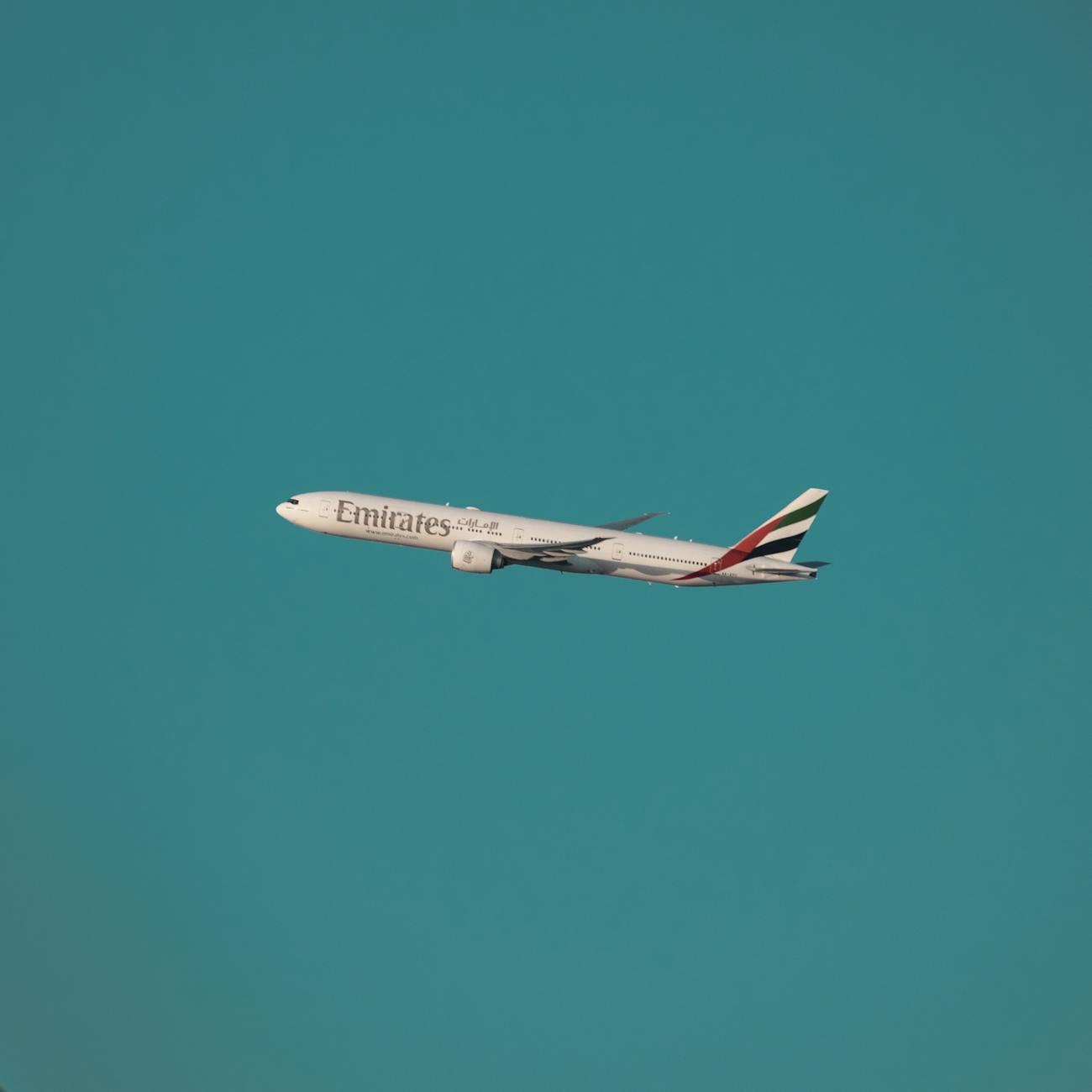
Aircraft leasing structures and agreements are essential components of the aircraft financing and leasing industry. Understanding key terms and vocabulary in this field is crucial for professionals working in aircraft financing and leasing. Here is a comprehensive explanation of key terms and vocabulary in aircraft leasing structures and agreements:
1. **Aircraft Leasing**: Aircraft leasing is a process where an airline or operator leases an aircraft from a lessor for a specified period, usually several years. It is a common practice in the aviation industry due to the high cost of purchasing aircraft outright.
2. **Lessor**: The lessor is the entity or individual that owns the aircraft and leases it to the lessee. The lessor is responsible for providing the aircraft in an airworthy condition and maintaining it throughout the lease term.
3. **Lessee**: The lessee is the airline or operator that leases the aircraft from the lessor. The lessee is responsible for making lease payments, operating the aircraft, and returning it in good condition at the end of the lease term.
4. **Operating Lease**: An operating lease is a type of lease where the lessee does not take ownership of the aircraft. It is a shorter-term lease arrangement that allows the lessee to use the aircraft without the financial burden of ownership.
5. **Finance Lease**: A finance lease is a type of lease where the lessee assumes many of the risks and benefits of ownership. It is a longer-term lease arrangement that is more similar to a loan for the purchase of the aircraft.
6. **Wet Lease**: A wet lease is a type of lease where the lessor provides not only the aircraft but also the crew, maintenance, and insurance. It is common for short-term or seasonal lease arrangements.
7. **Dry Lease**: A dry lease is a type of lease where the lessor provides only the aircraft without crew, maintenance, or insurance. The lessee is responsible for these aspects of operation.
8. **Bareboat Lease**: A bareboat lease is a type of lease where the lessee takes full control and responsibility for the aircraft, including crew, maintenance, and insurance. It is similar to a finance lease but without the lessor's involvement.
9. **Sale and Leaseback**: Sale and leaseback is a financial transaction where an airline sells its aircraft to a lessor and immediately leases it back. This allows the airline to free up capital tied up in the aircraft while retaining the right to use it.
10. **Security Deposit**: A security deposit is a sum of money paid by the lessee to the lessor as a guarantee of performance under the lease agreement. It is usually refundable at the end of the lease term if all obligations are met.
11. **Maintenance Reserves**: Maintenance reserves are funds set aside by the lessee to cover the cost of future maintenance and repairs on the aircraft. These reserves are typically paid into an escrow account and released as needed.
12. **Return Conditions**: Return conditions are the requirements set by the lessor for the condition in which the aircraft must be returned at the end of the lease term. This includes maintenance standards, cosmetic requirements, and other criteria.
13. **Redelivery Process**: The redelivery process is the procedure followed by the lessee when returning the aircraft to the lessor at the end of the lease term. It involves inspections, paperwork, and any necessary maintenance or repairs.
14. **Subleasing**: Subleasing is a practice where the lessee leases the aircraft to another party, known as the sublessee. It requires the lessor's approval and may involve additional terms and conditions.
15. **Default**: Default occurs when the lessee fails to meet its obligations under the lease agreement, such as missing lease payments, neglecting maintenance, or breaching other terms. It can lead to legal action by the lessor.
16. **Cross Default**: Cross default is a provision in the lease agreement that allows the lessor to declare a default if the lessee defaults on another agreement, such as a loan or other lease. It protects the lessor's interests in case of financial distress.
17. **Security Agreement**: A security agreement is a legal document that grants the lessor a security interest in the aircraft, allowing the lessor to repossess the aircraft in case of default by the lessee.
18. **Novation**: Novation is a legal process where the parties to a lease agreement agree to transfer rights and obligations to a new party. It requires the consent of all parties involved and is often used in lease assignments.
19. **Escrow Agent**: An escrow agent is a neutral third party that holds funds or documents on behalf of the parties involved in a lease transaction. The escrow agent ensures that all conditions of the agreement are met before releasing the funds or documents.
20. **Letter of Intent (LOI)**: A letter of intent is a non-binding agreement that outlines the key terms and conditions of a potential lease transaction. It is used to signal the parties' commitment to move forward with negotiations.
21. **Memorandum of Understanding (MOU)**: A memorandum of understanding is a more formal agreement than a letter of intent but still non-binding. It sets out the basic terms of the lease agreement and serves as a framework for further negotiations.
22. **Master Lease Agreement (MLA)**: A master lease agreement is a comprehensive document that sets out the rights, obligations, and terms of the lease between the lessor and lessee. It is a template that can be used for multiple lease transactions.
23. **Intercreditor Agreement**: An intercreditor agreement is a contract between multiple creditors, such as lenders and lessors, that sets out their respective rights and priorities in case of default by the borrower or lessee.
24. **Quiet Enjoyment**: Quiet enjoyment is a legal concept that guarantees the lessee the right to use and possess the aircraft without interference from the lessor or third parties. It is an essential provision in lease agreements.
25. **Repossession**: Repossession is the act of the lessor taking back possession of the aircraft from the lessee due to default or breach of the lease agreement. It involves legal procedures and can be a complex process.
26. **Cross-Collateralization**: Cross-collateralization is a practice where the lessor uses multiple assets, such as aircraft or engines, as collateral for a single lease transaction. It provides additional security for the lessor but can complicate the lease structure.
27. **Tax Lease**: A tax lease is a type of lease structured to provide tax benefits to the lessor, such as accelerated depreciation or investment tax credits. It is often used in jurisdictions with favorable tax treatment for leasing.
28. **Operating Lessor**: An operating lessor is a leasing company that specializes in providing operating leases to airlines and operators. Operating lessors typically own and manage a large portfolio of aircraft for lease.
29. **Financial Lessor**: A financial lessor is a leasing company that specializes in providing finance leases to airlines and operators. Financial lessors often work with banks or financial institutions to fund lease transactions.
30. **Back-to-Back Lease**: A back-to-back lease is a lease arrangement where the lessor leases an aircraft from one party and immediately subleases it to another party. It allows the lessor to match the terms of the sublease with the terms of the master lease.
31. **Equity Lease**: An equity lease is a lease arrangement where the lessor retains ownership of the aircraft but sells a share of the ownership to the lessee. It allows the lessee to benefit from any appreciation in the aircraft's value.
32. **Operating Cost**: Operating costs are the expenses incurred by the lessee in operating the aircraft, such as fuel, maintenance, crew salaries, insurance, and airport fees. Understanding operating costs is crucial for evaluating the financial viability of a lease.
33. **Lease Term**: The lease term is the duration for which the aircraft is leased to the lessee. It can vary from a few months to several years, depending on the type of lease and the parties' agreement.
34. **Aircraft Utilization**: Aircraft utilization refers to the number of hours or cycles that the aircraft is flown in a given period. Higher aircraft utilization can impact maintenance costs, lease rates, and overall profitability.
35. **Delivery Conditions**: Delivery conditions are the requirements set by the lessor for the condition in which the aircraft must be delivered to the lessee at the beginning of the lease term. This includes maintenance checks, documentation, and other criteria.
36. **Redelivery Conditions**: Redelivery conditions are the requirements set by the lessor for the condition in which the aircraft must be returned at the end of the lease term. It is essential to comply with redelivery conditions to avoid penalties or disputes.
37. **Cape Town Convention**: The Cape Town Convention is an international treaty that establishes a framework for the registration of security interests in movable property, including aircraft. It aims to create a uniform legal regime for aircraft financing and leasing.
38. **Aircraft Registration**: Aircraft registration is the process of registering an aircraft with the appropriate aviation authority in the country of operation. It is a legal requirement for all aircraft and essential for lease transactions.
39. **Maintenance Reserve Drawdown**: Maintenance reserve drawdown is the process of using funds from the maintenance reserve account to cover the cost of maintenance and repairs on the aircraft. It requires documentation and approval by the lessor.
40. **Repossession Process**: The repossession process is the legal procedure followed by the lessor to take back possession of the aircraft from the lessee in case of default. It involves notifying the lessee, coordinating with authorities, and physically repossessing the aircraft.
41. **Aircraft Age**: Aircraft age refers to the number of years since the aircraft was manufactured. It is an important factor in determining the aircraft's value, maintenance requirements, and lease rates.
42. **Aircraft Value**: Aircraft value is the market value of the aircraft, which can be influenced by factors such as age, condition, maintenance history, and market demand. Understanding aircraft value is crucial for pricing lease transactions.
43. **Lease Rate Factor**: The lease rate factor is a multiplier used to calculate lease payments based on the aircraft's value, lease term, and other factors. It is a key metric in lease pricing and negotiation.
44. **Security Package**: A security package is a collection of documents, agreements, and assets provided by the lessee to secure the lease transaction. It may include security interests in the aircraft, insurance policies, and personal guarantees.
45. **Aircraft Delivery and Acceptance**: Aircraft delivery and acceptance is the process of transferring the aircraft from the lessor to the lessee at the beginning of the lease term. It involves inspections, documentation, and formal acceptance of the aircraft.
46. **Aircraft Redelivery and Acceptance**: Aircraft redelivery and acceptance is the process of transferring the aircraft from the lessee to the lessor at the end of the lease term. It involves inspections, repairs, and formal acceptance of the aircraft.
47. **Aircraft Repossession and Acceptance**: Aircraft repossession and acceptance is the process of the lessor taking back possession of the aircraft from the lessee due to default or breach of the lease agreement. It involves legal procedures, inspections, and formal acceptance of the aircraft.
48. **Maintenance Program**: A maintenance program is a schedule of planned maintenance tasks and inspections required to keep the aircraft in airworthy condition. It is essential for ensuring the safety and reliability of the aircraft throughout the lease term.
49. **Insurance Requirements**: Insurance requirements are the minimum insurance coverage that the lessee must maintain on the aircraft throughout the lease term. It typically includes liability insurance, hull insurance, and other coverages to protect the lessor's interests.
50. **Aircraft Documentation**: Aircraft documentation includes all legal, technical, and operational records related to the aircraft, such as registration certificates, maintenance logs, lease agreements, and insurance policies. Proper documentation is essential for compliance and risk management.
51. **Lessee Default Cure Period**: The lessee default cure period is the period granted to the lessee to cure a default under the lease agreement before the lessor can take legal action. It allows the lessee to rectify the default and avoid repossession.
52. **Aircraft Transition Management**: Aircraft transition management is the process of transferring the aircraft from one lessee to another at the end of the lease term. It involves redelivery, inspections, maintenance, and other activities to prepare the aircraft for the next lease.
53. **Aircraft Portfolio Management**: Aircraft portfolio management is the practice of managing a portfolio of leased aircraft to maximize returns and minimize risks. It involves monitoring lease terms, maintenance schedules, lease rates, and other factors to optimize the portfolio's performance.
54. **Lease Extension**: A lease extension is an agreement between the lessor and lessee to extend the lease term beyond the original expiration date. It may involve renegotiating lease terms, adjusting lease rates, and updating documentation.
55. **Maintenance Reserve Adjustment**: Maintenance reserve adjustment is the process of reconciling the actual maintenance costs incurred during the lease term with the funds held in the maintenance reserve account. It may result in refunds or additional payments to the lessee or lessor.
56. **Aircraft Delivery Location**: Aircraft delivery location is the airport or facility where the aircraft is transferred from the lessor to the lessee at the beginning of the lease term. It must meet certain requirements, such as customs clearance, safety standards, and access to maintenance facilities.
57. **Aircraft Redelivery Location**: Aircraft redelivery location is the airport or facility where the aircraft is transferred from the lessee to the lessor at the end of the lease term. It must meet the lessor's requirements for inspections, maintenance, and logistics.
58. **Aircraft Repossession Location**: Aircraft repossession location is the airport or facility where the lessor repossesses the aircraft from the lessee in case of default. It must comply with legal procedures, safety regulations, and logistical considerations for a smooth repossession process.
59. **Aircraft Delivery Date**: Aircraft delivery date is the date when the aircraft is transferred from the lessor to the lessee at the beginning of the lease term. It is a crucial milestone in the lease transaction and sets the start of the lessee's obligations under the lease agreement.
60. **Aircraft Redelivery Date**: Aircraft redelivery date is the date when the aircraft is transferred from the lessee to the lessor at the end of the lease term. It marks the completion of the lease term and triggers the redelivery process, including inspections, documentation, and handover.
In conclusion, understanding key terms and vocabulary in aircraft leasing structures and agreements is essential for professionals working in the aircraft financing and leasing industry. By familiarizing themselves with these terms and concepts, professionals can navigate lease transactions, negotiate agreements, and manage lease portfolios effectively. The detailed explanation provided above covers a wide range of key terms and concepts related to aircraft leasing structures and agreements, offering a comprehensive guide for learners in the Executive Certificate in Aircraft Financing and Leasing course.
Key takeaways
- Understanding key terms and vocabulary in this field is crucial for professionals working in aircraft financing and leasing.
- **Aircraft Leasing**: Aircraft leasing is a process where an airline or operator leases an aircraft from a lessor for a specified period, usually several years.
- The lessor is responsible for providing the aircraft in an airworthy condition and maintaining it throughout the lease term.
- The lessee is responsible for making lease payments, operating the aircraft, and returning it in good condition at the end of the lease term.
- It is a shorter-term lease arrangement that allows the lessee to use the aircraft without the financial burden of ownership.
- **Finance Lease**: A finance lease is a type of lease where the lessee assumes many of the risks and benefits of ownership.
- **Wet Lease**: A wet lease is a type of lease where the lessor provides not only the aircraft but also the crew, maintenance, and insurance.