
Botanical Foundations
Botanical foundations form the cornerstone of herbal nutrition, providing the language and concepts needed to identify, classify, and utilize plant materials safely and effectively. Mastery of the key terms and vocabulary enables students t…
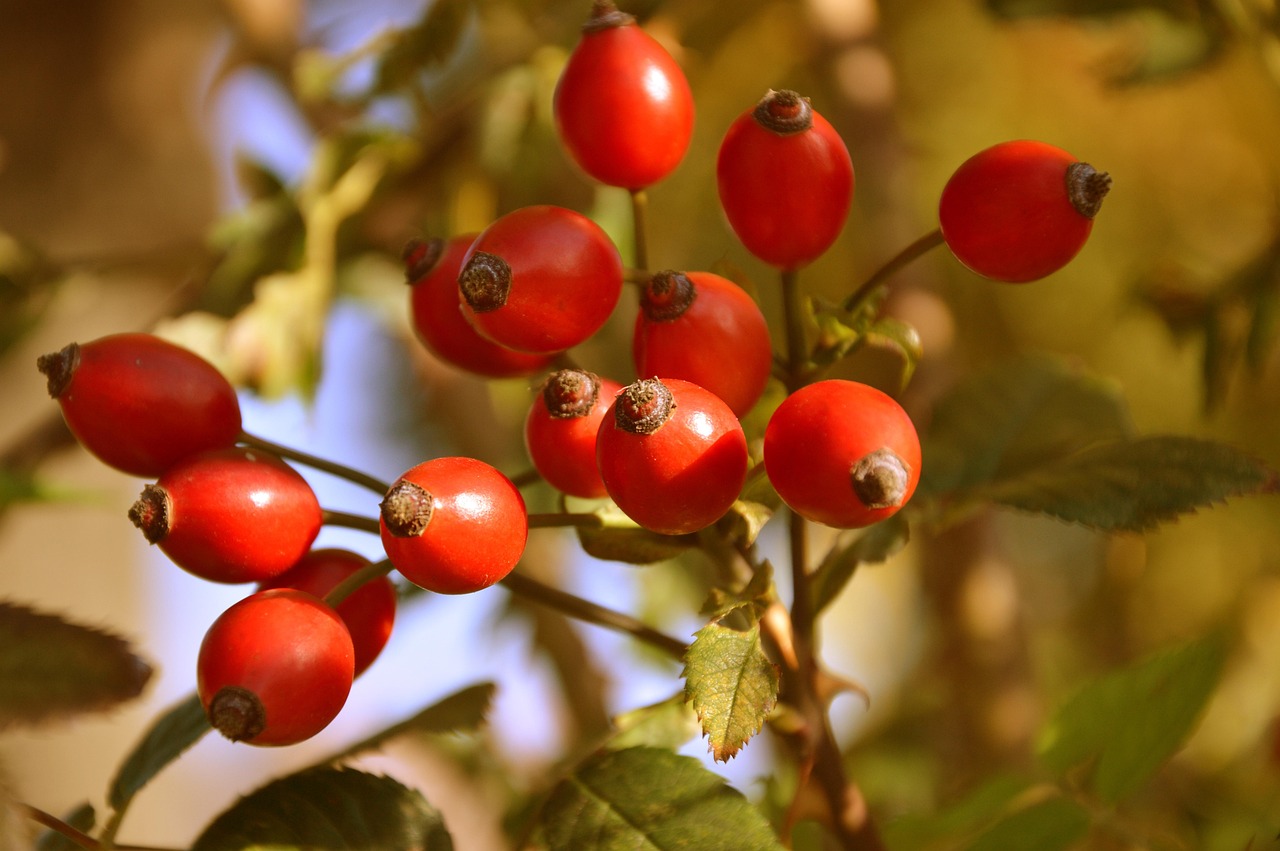
Botanical foundations form the cornerstone of herbal nutrition, providing the language and concepts needed to identify, classify, and utilize plant materials safely and effectively. Mastery of the key terms and vocabulary enables students to communicate with professionals, interpret scientific literature, and apply knowledge in real‑world settings such as formulation, counseling, and research. The following sections present essential terminology, organized thematically, with clear definitions, illustrative examples, practical applications, and common challenges encountered by practitioners.
Taxonomy is the scientific system for classifying living organisms. It arranges plants into a hierarchical structure that reflects evolutionary relationships, allowing precise identification across languages and regions. The major ranks include kingdom, division (or phylum), class, order, family, genus, and species. For example, the common culinary herb basil belongs to the family Lamiaceae, genus Ocimum, and species Ocimum basilicum. Understanding taxonomy helps practitioners select appropriate species, avoid misidentification, and respect biodiversity.
Binomial nomenclature is the two‑word naming system introduced by Carl Linnaeus. The first word denotes the genus and is capitalized; the second indicates the specific epithet and is lowercase. Both are italicized in scientific writing, e.G., Echinacea purpurea. This universal format eliminates ambiguity that may arise from common names such as “ginseng,” which can refer to Panax ginseng (Asian ginseng) or Eleutherococcus senticosus (Siberian ginseng). Accurate use of binomial names is essential when sourcing raw materials, reviewing research, or complying with regulatory labeling.
Herb refers to any plant part used for its therapeutic, nutritional, or aromatic properties. In herbal nutrition, the term often denotes the dried aerial portion (leaves, stems, flowers) of a plant, but roots, bark, seeds, and fruits are also common. For instance, Valeriana officinalis (valerian) is used primarily for its root, whereas Matricaria chamomilla (chamomile) utilizes the flower heads. Recognizing which part is employed influences extraction methods, dosage, and potential contraindications.
Extraction describes the process of separating bioactive constituents from plant material. Several techniques are standard in herbal nutrition:
- Tincture is an alcohol‑based extract, typically prepared by macerating plant material in ethanol (often 25‑60% v/v) for weeks. Tinctures provide a stable, concentrated form that preserves both water‑soluble and alcohol‑soluble compounds. A classic example is a St. John’s wort tincture containing hypericin and hyperforin. Practical use includes adding a few drops to water or directly under the tongue for rapid absorption. Challenges include alcohol intolerance, potential drug interactions, and the need for accurate ethanol concentration.
- Infusion involves steeping plant material in hot water, similar to tea preparation. Infusions extract primarily water‑soluble constituents such as flavonoids, polysaccharides, and certain alkaloids. A peppermint infusion releases menthol and rosmarinic acid, useful for digestive comfort. The simplicity of infusions makes them ideal for daily consumption, yet the short contact time may limit extraction of less soluble compounds, requiring multiple steepings or longer brew times for efficacy.
- Decoction is a prolonged boiling of tougher plant parts (roots, bark, seeds) to break down cell walls and release bound constituents. For example, a ginger decoction extracts gingerol and shogaol, providing potent anti‑inflammatory effects. Decoctions demand careful temperature control to avoid degradation of heat‑sensitive compounds, and the resulting bitterness may necessitate flavor masking.
- Cold‑press extraction, used for essential oils, involves mechanically pressing plant material without heat, preserving volatile compounds. Cold‑pressed orange oil retains limonene, offering antioxidant benefits. The main challenges are low yield and susceptibility to oxidation, requiring proper storage in amber containers.
Phytochemicals are the diverse chemical substances produced by plants, many of which contribute to health benefits. They can be grouped into major classes:
- Alkaloids are nitrogen‑containing compounds often associated with strong physiological effects. Examples include caffeine in Coffea arabica, morphine in Papaver somniferum, and berberine in Berberis vulgaris. Alkaloids may stimulate, sedate, or modulate neurotransmission. In herbal nutrition, berberine is valued for its glucose‑lowering properties, but practitioners must monitor for potential interactions with prescription medications (e.G., Cytochrome P450 substrates).
- Flavonoids are polyphenolic compounds known for antioxidant and anti‑inflammatory activities. Quercetin, found in onions and many herbs, supports vascular health, while luteolin in thyme exhibits neuroprotective effects. Flavonoids often enhance the bioavailability of other constituents through synergistic mechanisms, yet their stability can be compromised by exposure to light and heat, necessitating careful packaging.
- Terpenes constitute the largest class of plant secondary metabolites, built from isoprene units. Monoterpenes such as menthol and eucalyptol provide cooling and decongestant actions, while sesquiterpenes like β‑caryophyllene exhibit cannabinoid receptor affinity. Terpene profiles are key to the therapeutic fingerprint of essential oils, but variability due to harvest time, geography, and extraction method poses standardization challenges.
- Phenolic acids (e.G., Caffeic acid, rosmarinic acid) contribute antioxidant capacity and can modulate enzyme activity. Rosmarinic acid, abundant in rosemary and sage, protects cells from oxidative stress and supports skin health. Quantifying phenolic acids often requires high‑performance liquid chromatography (HPLC), a technique beyond the scope of many small‑scale practitioners, highlighting the need for reliable supplier data.
- Saponins are glycosylated triterpenes that produce foaming properties and can influence immune function. Ginseng saponins (ginsenosides) are central to the adaptogenic reputation of Panax species. Saponins may also affect absorption of nutrients by altering membrane permeability, a double‑edged sword that can enhance or impede therapeutic outcomes.
Adaptogen denotes a substance that helps the body resist stressors of various natures (physical, chemical, biological). Adaptogens typically exhibit a non‑specific, normalizing effect on physiological functions. Classic adaptogens include Rhodiola rosea, Panax ginseng, and Withania somnifera (ashwagandha). In practice, adaptogens are incorporated into daily supplement regimens to promote resilience, improve cognition, and support endocrine balance. The challenge lies in differentiating true adaptogens from overstated claims; rigorous clinical evidence is still emerging for many candidates.
Synergism describes the phenomenon where combined plant constituents produce a greater effect than the sum of their individual actions. For instance, the combination of flavonoids and vitamin C in citrus enhances antioxidant capacity through regeneration cycles. In herbal nutrition, formulations such as a turmeric‑black pepper blend exploit piperine’s ability to increase curcumin bioavailability by inhibiting glucuronidation. Recognizing synergistic relationships guides formulation decisions but also complicates safety assessment, as interactions may amplify both therapeutic and adverse effects.
Bioavailability refers to the proportion of a nutrient or phytochemical that reaches systemic circulation and exerts a biological effect. Factors influencing bioavailability include solubility, intestinal permeability, metabolism, and transport proteins. Curcumin, despite its potent anti‑inflammatory activity, suffers from poor oral bioavailability due to rapid metabolism; strategies such as nanoparticle encapsulation, liposomal delivery, or co‑administration with piperine aim to overcome this limitation. Practitioners must evaluate both the intrinsic potency of a compound and its delivery method to achieve desired outcomes.
Pharmacognosy is the study of medicines derived from natural sources, encompassing the identification, preparation, and quality control of botanical materials. In the context of herbal nutrition, pharmacognosy informs sourcing decisions, standardization protocols, and safety testing. For example, establishing a minimum marker content of 5% hypericin in Hypericum perforatum extracts ensures consistent antidepressant activity. The field faces challenges such as adulteration, where lower‑cost species replace authentic material, and the need for robust analytical methods accessible to small manufacturers.
Standardization involves adjusting a botanical extract to contain a defined amount of one or more marker compounds, ensuring batch‑to‑batch consistency. A standardized echinacea extract might guarantee 4% echinacoside, a phenylpropanoid linked to immune modulation. Standardization facilitates dose‑response research and regulatory compliance, yet it may overlook the contribution of minor constituents that contribute to the whole‑plant effect. Balancing marker‑based standardization with holistic integrity remains a nuanced task.
Herbarium refers to a curated collection of preserved plant specimens used for scientific study. Herbarium vouchers accompany research publications to verify plant identity, providing a physical reference that can be re‑examined. When evaluating a new herbal supplement, checking whether the manufacturer’s source material matches a documented herbarium specimen can reduce the risk of misidentification. Accessing herbarium resources may require collaboration with academic institutions or botanical gardens.
Ecotype describes a genetically distinct population of a plant adapted to specific environmental conditions. Ecotypic variation can affect phytochemical profiles; for example, high‑altitude echinacea may contain higher levels of phenolic acids than lowland variants. Understanding ecotypes assists in selecting plant sources with optimal therapeutic constituents, but it also introduces complexity in supply chain management, as geographic origin must be tracked and verified.
Harvest window denotes the optimal time for collecting plant material to maximize desired constituents. Seasonal timing is critical: The antioxidant capacity of rosemary leaves peaks just before flowering, whereas the alkaloid content of goldenseal roots is highest after two years of growth. Harvest windows guide cultivation schedules and influence the price and availability of raw materials. Failure to respect harvest timing can result in sub‑potent products or increased levels of undesirable compounds.
Post‑harvest processing encompasses drying, curing, and storage practices that preserve phytochemical integrity. Shade‑drying of leafy herbs reduces degradation of heat‑sensitive compounds like essential oils, while oven‑drying at high temperatures may destroy volatile constituents but accelerate microbial safety. Proper storage in low‑humidity, dark environments prevents mold growth and oxidation. Practitioners must balance efficiency with quality, as improper processing can lead to loss of activity or contamination.
Adulteration is the intentional or accidental inclusion of non‑authentic material in a botanical product. Common forms include substitution with a cheaper species, addition of synthetic compounds, or filler inclusion. For instance, some commercial “ginseng” products have been found to contain unrelated plant roots lacking ginsenosides. Detecting adulteration requires analytical techniques such as DNA barcoding, thin‑layer chromatography (TLC), or mass spectrometry. Vigilant sourcing and third‑party testing are essential safeguards.
Contaminants encompass unwanted substances such as heavy metals, pesticide residues, mycotoxins, and microbial pathogens. These can arise from polluted soils, inappropriate agricultural practices, or inadequate processing. Lead accumulation in certain medicinal plants grown in industrial areas poses a significant health risk. Regulatory limits for contaminants vary by jurisdiction, and compliance testing is a mandatory step for product registration. Practitioners must be aware of potential sources of contamination and demand transparent testing reports from suppliers.
Dosage form describes the physical presentation of a botanical product, influencing stability, patient compliance, and absorption. Common dosage forms include capsules, tablets, tinctures, teas, powders, and topical creams. Each form presents distinct advantages: Capsules protect sensitive constituents from gastric acid, while teas provide a soothing ritual that may enhance therapeutic perception. Selecting the appropriate dosage form requires consideration of the target population, desired onset of action, and the physicochemical properties of the active compounds.
Therapeutic index is a ratio that compares the toxic dose of a substance to its effective dose. Botanical agents generally have a wide therapeutic index, but exceptions exist. For example, the alkaloid pyrrolizidine present in some Crotalaria species can cause hepatotoxicity at relatively low exposures. Understanding the therapeutic index guides risk assessment, especially when recommending high‑dose or long‑term regimens.
Contraindication refers to a specific condition or factor that renders the use of a particular herb inadvisable. Pregnant individuals should avoid high‑dose licorice (Glycyrrhiza glabra) due to the risk of hypertension and fetal growth restriction caused by glycyrrhizin‑induced mineralocorticoid excess. Knowledge of contraindications is vital for safe practice, and it often requires integrating patient medical histories with herbal pharmacology.
Interaction denotes the effect that a herb may have on the pharmacokinetics or pharmacodynamics of a conventional medication. St. John’s wort induces CYP3A4 enzymes, reducing plasma concentrations of drugs such as oral contraceptives and certain antiretrovirals. Conversely, grapefruit juice (containing furanocoumarins) can inhibit CYP3A4, increasing drug levels. Practitioners must conduct thorough medication reviews and stay current with interaction databases to prevent adverse outcomes.
Pharmacokinetics describes the movement of a substance through the body, encompassing absorption, distribution, metabolism, and excretion (ADME). For herbal constituents, factors such as molecular size, lipophilicity, and conjugation influence each ADME step. Curcumin’s rapid glucuronidation exemplifies a metabolic barrier that limits systemic availability, whereas the lipophilic essential oil component linalool readily crosses the blood‑brain barrier, contributing to its anxiolytic effect. Understanding pharmacokinetic profiles aids in dosing frequency decisions and formulation design.
Pharmacodynamics focuses on the biological effects a substance produces at its site of action. Many phytochemicals act as receptor agonists or antagonists, enzyme inhibitors, or modulators of gene expression. For instance, flavonoids can inhibit cyclooxygenase‑2 (COX‑2), reducing inflammatory prostaglandin synthesis. Recognizing the pharmacodynamic pathways allows practitioners to align herb selection with specific therapeutic goals, such as targeting inflammatory cascades in arthritis.
Synergy vs. Antagonism are two sides of herb‑herb or herb‑drug interaction dynamics. Synergy amplifies desired effects, while antagonism diminishes them. A well‑known synergistic pair is the combination of green tea catechins with quercetin, which enhances antioxidant capacity. Conversely, high doses of vitamin K‑rich herbs like parsley (Petroselinum crispum) may antagonize anticoagulant therapy, reducing its efficacy. Accurate assessment of these relationships is essential for formulation and counseling.
Plant part specificity emphasizes that different organs of the same plant contain distinct phytochemical profiles. In the case of Salvia officinalis, the leaves are rich in rosmarinic acid and essential oils, whereas the roots contain diterpenes with different pharmacological activities. Selecting the correct plant part aligns the therapeutic intent with the appropriate chemical constituents, avoiding unintended effects.
Whole‑plant extract is a preparation that retains the full spectrum of constituents present in the source material, contrasting with isolated‑compound extracts. Whole‑plant extracts are prized for their holistic approach, leveraging potential synergistic actions among multiple phytochemicals. An example is a standardized milk thistle extract that contains both silymarin flavonolignans and accompanying flavonoids. While whole‑plant extracts can offer broader benefits, they may also complicate safety assessments due to the presence of minor constituents with unknown effects.
Isolated compound refers to a single phytochemical extracted and purified from a plant, often used for research or as a pharmaceutical agent. Isolated quercetin, for instance, allows precise dosing in clinical trials, but it may lack the supportive matrix of flavonoids present in the whole herb that enhances absorption. Isolated compounds can serve as reference standards for analytical testing, yet reliance on them alone may overlook the complexity of botanical synergy.
Standardized extract vs. Raw herb illustrates a decision point in product development. Standardized extracts provide predictable potency and are easier to integrate into dosage calculations, whereas raw herbs retain the full phytochemical diversity, potentially delivering broader health benefits. Choosing between them depends on factors such as target indication, regulatory environment, and consumer preferences for “natural” versus “consistent” products.
Active marker is a specific compound used to gauge the quality and potency of a botanical preparation. In Ginkgo biloba extracts, the flavonol glycosides (e.G., Quercetin‑4′‑O‑glucoside) and terpene lactones (e.G., Ginkgolide B) serve as markers. Marker selection should reflect both the therapeutic relevance and analytical feasibility. Over‑reliance on a single marker can be misleading if it does not represent the full activity profile of the herb.
Phytochemical profiling involves comprehensive analysis of a plant’s chemical constituents using techniques such as HPLC, gas chromatography‑mass spectrometry (GC‑MS), and nuclear magnetic resonance (NMR). Profiling supports quality control, research, and product differentiation. For example, a detailed terpene profile of rosemary essential oil can distinguish a high‑carnosic‑acid batch from one dominated by camphor. The main challenge lies in the cost and technical expertise required for advanced profiling, which may be prohibitive for small‑scale producers.
Herb‑drug interaction database is an organized collection of documented interactions between botanicals and pharmaceuticals. Resources like the Natural Medicines Comprehensive Database provide evidence‑based ratings and clinical relevance scores. Regular consultation of such databases enables practitioners to anticipate and mitigate interaction risks, especially for patients on polypharmacy regimens. Keeping the database up‑to‑date is essential, as new studies frequently emerge.
Evidence hierarchy ranks the strength of scientific data, from randomized controlled trials (RCTs) at the top, through cohort and case‑control studies, to in vitro and animal research. In herbal nutrition, many herbs lack extensive RCT data, relying instead on traditional use and mechanistic studies. Practitioners should interpret findings within this hierarchy, appreciating that a well‑designed animal study may suggest a plausible mechanism, but human efficacy must still be confirmed.
Traditional use refers to the historical application of a plant in cultural or medicinal contexts, often documented in ethnobotanical records. Traditional use provides valuable insight into safety and potential therapeutic areas, yet it does not replace modern scientific validation. For instance, the long‑standing use of turmeric in Ayurvedic cuisine suggests tolerability, but rigorous trials are needed to substantiate its role in managing chronic inflammation.
Ethnobotany is the study of how people of a particular culture and region use plants, encompassing medicinal, nutritional, and ceremonial applications. Ethnobotanical surveys can uncover under‑researched herbs with promising bioactivity, guiding future research priorities. However, translating traditional knowledge into modern products must respect intellectual property rights and ensure benefit‑sharing with indigenous communities.
Phytotoxicity describes the potential of a plant or its constituents to cause toxic effects in humans or animals. While many phytochemicals are beneficial at low doses, they can become harmful when concentrated or consumed excessively. Pyrrolizidine alkaloids, found in certain herbal teas, can induce liver injury, underscoring the importance of dose‑response awareness and rigorous quality testing.
Allergenicity is the capacity of a botanical component to trigger an allergic response. Common allergenic proteins include profilins and lipid transfer proteins (LTPs), which may be present in herbs like celery, parsley, and carrot. Cross‑reactivity between related species can lead to unexpected reactions in sensitive individuals. Conducting allergy assessments and offering hypoallergenic alternatives are essential aspects of safe practice.
Oxidative stability refers to the resistance of a botanical product to degradation caused by exposure to oxygen, light, or heat. Antioxidant-rich herbs such as rosemary can serve both as therapeutic agents and natural preservatives, extending shelf life of oils and supplements. Nevertheless, improper storage can still lead to rancidity, loss of potency, and the formation of harmful oxidation products. Packaging in inert atmospheres and using opaque containers mitigate these risks.
Microbial contamination involves the presence of bacteria, yeasts, or molds that can compromise product safety. Moisture content above 12% in dried herbs creates a conducive environment for fungal growth, potentially producing mycotoxins like aflatoxin. Good manufacturing practices (GMP) mandate regular microbial testing and adherence to strict drying protocols to prevent contamination.
Regulatory classification determines how a botanical product is legally categorized—dietary supplement, food, traditional medicine, or pharmaceutical. In the United States, the Dietary Supplement Health and Education Act (DSHEA) defines labeling requirements and the need for “new dietary ingredient” notifications. In contrast, the European Union’s Traditional Herbal Medicinal Products Directive (THMPD) imposes a different set of efficacy and safety standards. Understanding these classifications guides product development, marketing, and compliance.
Good Agricultural and Collection Practices (GACP) outline standards for cultivating and harvesting medicinal plants, emphasizing soil health, pesticide management, and traceability. Implementing GACP reduces the risk of contaminants, ensures sustainable harvest, and supports consistent phytochemical content. Challenges include balancing organic certification demands with cost considerations for small growers.
Good Manufacturing Practices (GMP) are quality assurance protocols that govern the production, testing, and distribution of botanical products. GMP compliance includes validated cleaning procedures, equipment calibration, batch documentation, and personnel training. Adhering to GMP minimizes batch variability, prevents cross‑contamination, and instills consumer confidence. Audits and third‑party certifications often serve as proof of compliance.
Pharmacovigilance is the systematic monitoring of adverse effects associated with herbal products after they reach the market. Reporting systems, such as the FDA’s MedWatch program, collect data on unexpected reactions, facilitating risk assessment and regulatory action. Active pharmacovigilance by practitioners, through patient follow‑up and documentation, contributes to a safer herbal landscape.
Dosage calculation for botanical extracts typically involves converting the amount of marker compound to an equivalent whole‑herb dose. For example, a 300 mg capsule containing 5% echinacoside corresponds to 6 g of raw echinacea root material. Accurate conversion ensures that therapeutic recommendations align with research findings, yet the calculation can be complicated by variations in extraction efficiency and marker stability.
Therapeutic window defines the dosage range within which a botanical product is effective without causing adverse effects. Milk thistle (silymarin) demonstrates a wide therapeutic window, allowing doses from 140 mg to 600 mg daily with minimal toxicity. In contrast, kava (kavalactones) possesses a narrower window, where doses exceeding 250 mg per day increase the risk of hepatotoxicity. Recognizing these boundaries guides safe dosing schedules.
Herb‑herb interaction occurs when two botanical agents influence each other's absorption, metabolism, or pharmacodynamics. Combining St. John’s wort with ginkgo may potentiate serotonergic activity, raising the risk of serotonin syndrome. Conversely, pairing ginger with turmeric can enhance anti‑inflammatory outcomes through complementary COX inhibition. Mapping these interactions is critical for multi‑herb formulations.
Phytosome is a lipid‑based delivery system that encapsulates a phytochemical, improving its solubility and membrane permeability. Curcumin phytosomes have demonstrated increased plasma concentrations compared with standard extracts, translating into enhanced clinical efficacy. Developing phytosome technology requires specialized equipment and regulatory approval, representing both an opportunity and a hurdle for product innovators.
Nanoparticle delivery utilizes particles in the nanometer range to transport botanical compounds across biological barriers. Nano‑emulsified green tea catechins exhibit greater intestinal uptake and sustained release. While promising, nanoparticle formulations raise safety concerns regarding long‑term accumulation and require rigorous toxicological evaluation.
Traditional Chinese Medicine (TCM) classification provides a framework for understanding herb properties such as temperature (cold, warm), taste (bitter, sweet), and meridian affiliation. For instance, Scutellaria baicalensis (baikal skullcap) is considered “cold” and “bitter,” targeting the lung and bladder meridians. Integrating TCM concepts can enrich formulation strategies, yet translating these qualitative descriptors into quantitative measures poses a pedagogical challenge.
Ayurvedic classification categorizes herbs by their effect on the three doshas—Vata, Pitta, and Kapha. Ashwagandha is “warming” and balances Vata and Kapha, while neem is “cooling” and pacifies Pitta. Understanding these classifications assists practitioners in tailoring recommendations to individual constitutional types, but reconciling Ayurvedic terminology with Western pharmacology demands careful cross‑cultural interpretation.
Bioactive compound synergy can be quantified using the Combination Index (CI) method, where CI < 1 indicates synergism, CI = 1 denotes additivity, and CI > 1 reflects antagonism. Researchers applying CI analysis to curcumin‑piperine combinations have demonstrated synergistic enhancement of anti‑inflammatory markers. While valuable, CI calculations require precise dose‑response data and sophisticated statistical modeling, limiting routine clinical use.
Safety margin expresses the ratio between the toxic dose (e.G., LD50) and the therapeutic dose. A high safety margin provides confidence in using higher doses without adverse effects, but it does not guarantee long‑term safety. For example, the LD50 of ginger is >5 g/kg in rodents, indicating a large margin, yet chronic high‑dose consumption may still provoke gastrointestinal irritation in sensitive individuals.
Pharmacognostic macroscopy involves visual examination of dried plant material to assess quality attributes such as color, texture, and fragment size. Macroscopic inspection can reveal adulteration (e.G., Presence of foreign leaves) and moisture content. While simple, reliance solely on macroscopic evaluation may miss microscopic contaminants, underscoring the need for complementary analytical methods.
Microscopy uses light or electron microscopes to examine plant tissue structures, pollen grains, and cellular features. Microscopic identification of powdered herbs—such as detecting the characteristic trichomes of mint (Mentha spp.)—supports authentication and detects adulterants. Mastery of microscopic techniques requires training and access to reference slides, which may be limited in community‑based settings.
DNA barcoding employs short, standardized genetic sequences (e.G., RbcL, matK) to confirm species identity. This molecular approach can differentiate closely related species that are morphologically similar, such as distinguishing true ginseng (Panax ginseng) from related but less potent species. DNA barcoding offers high specificity, yet it incurs additional cost and laboratory infrastructure.
Phytochemical stability testing assesses how active constituents change under various conditions of temperature, humidity, and light over time. Stability studies for essential oils often track the degradation of monoterpenes like linalool, providing expiration dating and storage recommendations. Conducting comprehensive stability testing is resource‑intensive but essential for ensuring product efficacy throughout its shelf life.
Glycosylation refers to the attachment of sugar moieties to a core phytochemical, influencing solubility and bioavailability. Many flavonoids exist as glycosides (e.G., Rutin) that are less readily absorbed until hydrolyzed by intestinal enzymes. Formulating products with aglycone forms (e.G., Quercetin) may improve absorption, but it can also increase the risk of irritation. Understanding glycosylation patterns informs formulation choices.
Enzyme inhibition is a common mechanism by which herbs exert therapeutic effects. For instance, the enzyme α‑glucosidase is inhibited by compounds in bitter melon (Momentia charantia), slowing carbohydrate digestion and aiding glycemic control. Identifying specific enzyme targets helps align herb selection with clinical objectives, yet off‑target inhibition may produce unintended side effects.
Receptor modulation involves herbs influencing the activity of cellular receptors such as GABA_A, NMDA, or opioid receptors. Valerian root contains valerenic acid, which positively modulates GABA_A receptors, producing a calming effect. Receptor modulation can be quantified through binding assays, but translating in vitro affinity to in vivo efficacy requires careful dose extrapolation.
Metabolite profiling examines the transformation products generated after ingestion of a botanical. Metabolites of curcumin, such as dihydrocurcumin, may retain or even surpass the parent compound’s activity. Profiling metabolites clarifies the true pharmacologically active species, guiding dosage and formulation strategies. However, metabolite analysis often demands sophisticated mass‑spectrometry platforms.
Phytochemical synergy assessment may employ Fractional Inhibitory Concentration (FIC) indices for antimicrobial studies. Combining oregano essential oil with thyme oil can produce an FIC < 0.5, Indicating strong synergy against bacterial strains. Such assessments highlight the value of multi‑herb blends but also require standardized testing conditions to ensure reproducibility.
Adverse event reporting is a systematic process for documenting negative outcomes linked to herbal product use. Practitioners should capture details such as dosage, duration, co‑medications, and symptom chronology. Aggregated reports contribute to safety databases, informing regulatory actions and public health advisories. Under‑reporting remains a significant obstacle, emphasizing the need for practitioner vigilance.
Herb‑drug synergy can be harnessed therapeutically. For example, the combination of garlic (allicin) with aspirin may enhance antiplatelet activity, allowing lower aspirin doses to achieve desired effects. While promising, synergistic interactions demand careful monitoring to avoid excessive anticoagulation and bleeding risk.
Standard operating procedure (SOP) outlines step‑by‑step instructions for tasks such as extraction, testing, and packaging. SOPs ensure consistency, traceability, and compliance with regulatory standards. Developing comprehensive SOPs for each stage of production—from raw material receipt to final product release—mitigates variability and supports quality assurance.
Quality control (QC) encompasses testing for identity, potency, purity, and safety. QC methods include TLC for marker verification, HPLC for quantifying flavonoids, and microbial assays for contamination. Implementing a robust QC program safeguards product integrity, yet small enterprises may struggle with the cost of equipment and validation.
Batch record is a documented account of every step taken during a production run, including raw material lot numbers, process parameters, and analytical results. Maintaining complete batch records enables traceability, facilitates recall if needed, and satisfies regulatory inspections. Accurate record‑keeping is a cornerstone of GMP compliance.
Supply chain transparency involves tracking the movement of botanical materials from cultivation through processing to final distribution. Transparent supply chains reduce the risk of adulteration, ensure sustainable sourcing, and allow for ethical claims such as “fair‑trade” or “wild‑crafted.” Implementing blockchain technology is an emerging solution, though its adoption is still limited.
Harvest sustainability addresses the ecological impact of collecting wild plants. Overharvesting of slow‑growing species like goldenseal (Hydrastis canadensis) can threaten biodiversity. Sustainable practices include cultivating the species, rotating harvest sites, and adhering to quotas. Balancing market demand with conservation is a persistent challenge for the herbal industry.
Ecological footprint quantifies the environmental burden associated with producing a botanical product, factoring energy use, water consumption, and waste generation. Life‑cycle assessments (LCAs) can compare the footprint of a cultivated versus wild‑crafted herb, guiding decisions toward lower‑impact options. Integrating ecological considerations aligns product development with broader sustainability goals.
Patented botanical refers to a plant extract or formulation protected by intellectual property rights. Patents may cover unique extraction methods, novel combinations, or standardized profiles. While patents can stimulate innovation, they may also limit access to traditional knowledge and create market monopolies. Practitioners should be aware of the legal landscape when recommending patented products.
Clinical trial phases follow a progression from Phase I (safety) through Phase III (efficacy) to Phase IV (post‑marketing surveillance). Herbal products often skip early phases due to historical usage, yet rigorous Phase II and III trials are essential for establishing therapeutic claims. Understanding trial design helps practitioners critically evaluate research claims and guide evidence‑based recommendations.
Placebo effect is a psychological phenomenon where patients experience perceived improvements due to expectation rather than active ingredients. Herbal trials must incorporate placebo controls to isolate true pharmacological effects. Recognizing the placebo contribution can temper overstated efficacy claims and promote realistic dosing expectations.
Dosage titration involves gradually adjusting the amount of a herb to achieve optimal therapeutic benefit while monitoring for side effects. For instance, starting a kava supplement at 100 mg of kavalactones per day and increasing by 50 mg increments allows the practitioner to gauge response and tolerance. Titration strategies enhance safety but require patient adherence and clear communication.
Therapeutic monitoring includes periodic assessment of clinical markers (e.G., Liver enzymes, blood glucose) to evaluate herb effectiveness and detect potential toxicity. Monitoring is especially important for herbs with narrow therapeutic windows or known hepatotoxic potential, such as comfrey (Symphytum officinale). Establishing monitoring protocols promotes responsible long‑term use.
Patient education is a critical component of herbal nutrition practice. Educating clients about proper storage, dosing intervals, potential interactions, and signs of adverse reactions empowers them to use botanicals safely. Effective education often incorporates visual aids, simplified dosing charts, and culturally relevant language to enhance comprehension.
Ethical sourcing ensures that plant material is obtained without exploiting labor, violating indigenous rights, or damaging ecosystems. Certification programs such as FairWild verify compliance with ethical standards. Choosing ethically sourced ingredients aligns product values with consumer expectations, yet verification can increase procurement costs.
Labeling compliance mandates that product labels disclose ingredient lists, recommended dosage, safety warnings, and any relevant claims in accordance with regional regulations. For dietary supplements in the United States, the label must include a “Supplement Facts” panel and a disclaimer that the statements have not been evaluated by the FDA. Non‑compliant labeling can lead to enforcement actions and loss of consumer trust.
Adjuvant describes a substance added to a formulation to enhance the performance of the active botanical, such as a permeation enhancer that improves skin absorption of a topical extract. Common adjuvants include propylene glycol and cyclodextrins. While adjuvants can increase efficacy, they may also introduce irritation potential, requiring safety evaluation.
Phytochemical synergy matrix is a tool that maps known interactions among various plant constituents, helping formulators predict combinatorial effects. By populating the matrix with data on enzyme inhibition, receptor binding, and antioxidant capacity, developers can design blends that maximize therapeutic potential while minimizing antagonism. Constructing a comprehensive matrix demands extensive literature review and experimental validation.
Regulatory dossier compiles all required documentation—manufacturing processes, safety data, efficacy studies, labeling, and quality control results—for product approval. Preparing a dossier is a meticulous process, often requiring collaboration with regulatory consultants. Incomplete dossiers can delay market entry or result in product recall.
Phytochemical library is a curated collection of reference standards for a broad range of plant compounds, used for analytical calibration and method development. Maintaining an up‑to‑date library facilitates accurate quantification of markers in complex extracts. However, acquiring high‑purity standards for rare phytochemicals can be costly, limiting library completeness.
Pharmacokinetic modeling employs mathematical equations to predict the concentration‑time profile of a botanical constituent.
Key takeaways
- Mastery of the key terms and vocabulary enables students to communicate with professionals, interpret scientific literature, and apply knowledge in real‑world settings such as formulation, counseling, and research.
- It arranges plants into a hierarchical structure that reflects evolutionary relationships, allowing precise identification across languages and regions.
- This universal format eliminates ambiguity that may arise from common names such as “ginseng,” which can refer to Panax ginseng (Asian ginseng) or Eleutherococcus senticosus (Siberian ginseng).
- For instance, Valeriana officinalis (valerian) is used primarily for its root, whereas Matricaria chamomilla (chamomile) utilizes the flower heads.
- Extraction describes the process of separating bioactive constituents from plant material.
- - Tincture is an alcohol‑based extract, typically prepared by macerating plant material in ethanol (often 25‑60% v/v) for weeks.
- The simplicity of infusions makes them ideal for daily consumption, yet the short contact time may limit extraction of less soluble compounds, requiring multiple steepings or longer brew times for efficacy.