
Advanced Biomechanics of Skill Execution
The study of biomechanics in the context of skill execution is a complex and multifaceted field that seeks to understand the intricate relationships between the human body and its environment. At its core, biomechanics is concerned with the…
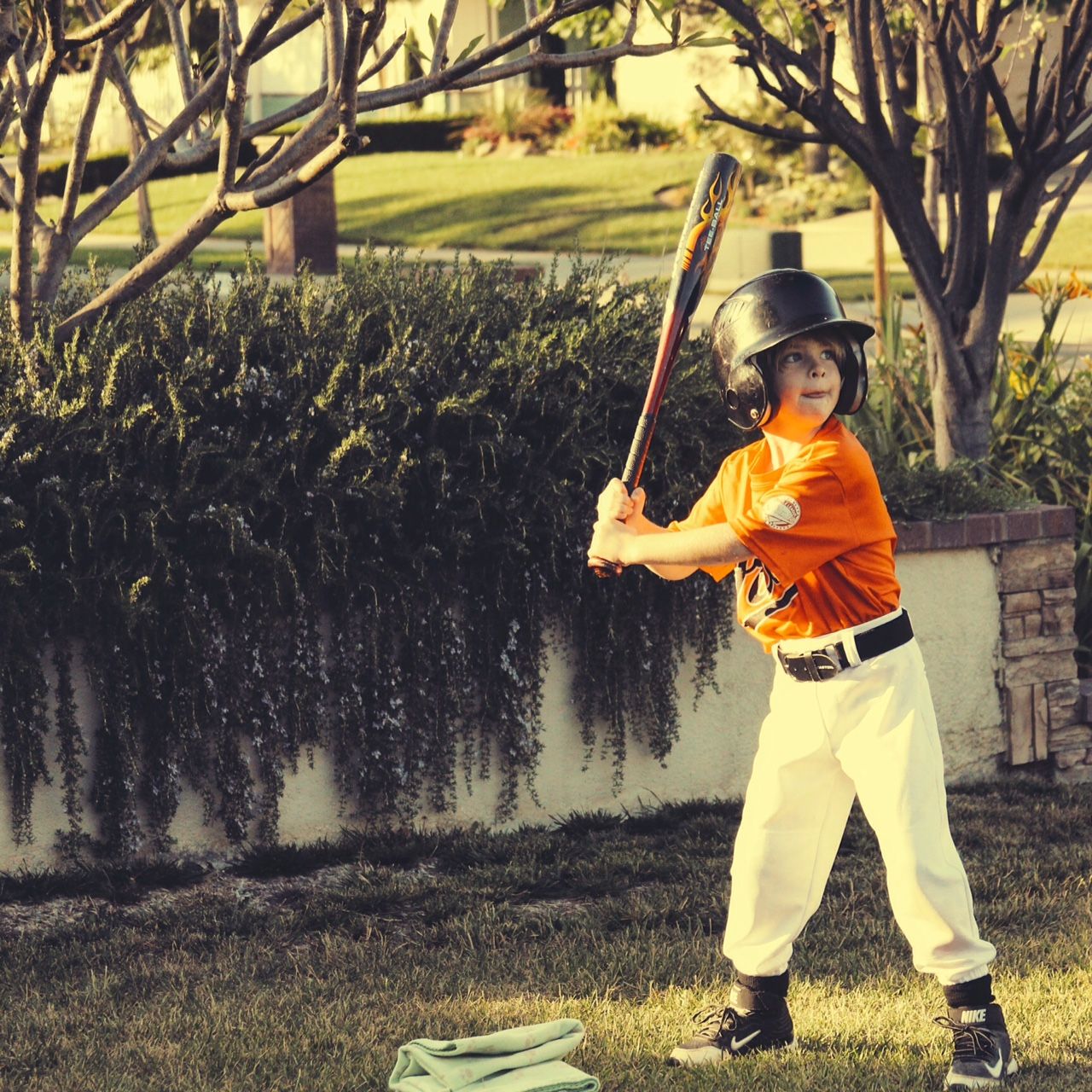
The study of biomechanics in the context of skill execution is a complex and multifaceted field that seeks to understand the intricate relationships between the human body and its environment. At its core, biomechanics is concerned with the analysis of the kinetic chain, which refers to the sequential activation and coordination of various body parts to produce movement. This chain is comprised of multiple joints and muscle groups that work in tandem to generate force, maintain posture, and execute motor skills.
One of the key concepts in biomechanics is the idea of mechanical advantage, which refers to the ratio of the output force to the input force in a given movement. This concept is crucial in understanding how the human body is able to generate force and maintain efficiency during skill execution. For example, in the act of throwing a ball, the muscles of the shoulder and arm work together to generate force, while the joint angles and bone structure provide a mechanical advantage that allows for maximum velocity and accuracy.
Another important concept in biomechanics is the idea of movement patterns, which refer to the specific sequences of muscle activations and joint movements that underlie various motor skills. These patterns are shaped by a combination of factors, including anatomy, neurology, and environmental constraints. For instance, the movement pattern involved in walking is characterized by a specific sequence of joint angles and muscle activations that allow for efficient locomotion.
In the context of skill execution, biomechanics plays a critical role in understanding the technique and performance of various motor skills. By analyzing the kinetic chain and movement patterns involved in a given skill, practitioners can identify areas for improvement and develop targeted interventions to enhance performance. For example, in the sport of golf, biomechanical analysis can be used to optimize the swing technique and improve club head speed and accuracy.
The study of biomechanics also has important implications for injury prevention and rehabilitation. By understanding the mechanical stresses and loads placed on the body during various motor skills, practitioners can identify potential injury risk factors and develop strategies to mitigate them. For instance, in the sport of football, biomechanical analysis can be used to identify high-risk movements and develop targeted injury prevention programs to reduce the incidence of injuries.
In addition to its practical applications, the study of biomechanics also has important theoretical implications for our understanding of motor control and learning. By examining the complex interactions between the central nervous system, muscles, and joints, researchers can gain insights into the underlying mechanisms of motor skill acquisition and performance. For example, the study of biomechanics has led to a greater understanding of the role of proprioception and kinesthesia in motor control, and has informed the development of novel rehabilitation strategies for individuals with motor disorders.
One of the key challenges in the study of biomechanics is the need to balance theoretical complexity with practical applicability. While biomechanical models and simulations can provide valuable insights into the underlying mechanisms of motor skills, they must be grounded in empirical evidence and real-world applications. For instance, the development of computer simulations of human movement has allowed researchers to model and analyze complex motor skills in a highly controlled and detailed manner, but these models must be validated against experimental data and real-world performance.
The study of biomechanics also has important implications for our understanding of individual differences in motor skill performance. By examining the anatomical and physiological characteristics of individuals, researchers can gain insights into the underlying mechanisms of motor skill acquisition and performance. For example, the study of biomechanics has shown that individual differences in muscle fiber type and joint structure can influence performance in various motor skills, such as sprinting and distance running.
In the context of skill execution, biomechanics plays a critical role in understanding the interaction between the central nervous system and the musculoskeletal system. By examining the neural control of movement, researchers can gain insights into the underlying mechanisms of motor skill acquisition and performance. For instance, the study of biomechanics has shown that the central nervous system plays a critical role in regulating muscle activity and joint movement during various motor skills, and that neural adaptations can occur in response to practice and experience.
The study of biomechanics also has important implications for our understanding of learning and motor skill acquisition. By examining the processes by which individuals acquire and refine motor skills, researchers can gain insights into the underlying mechanisms of learning and performance. For example, the study of biomechanics has shown that practice and repetition are critical components of motor skill acquisition, and that feedback and reinforcement can play important roles in shaping motor performance.
In addition to its applications in sports and physical education, the study of biomechanics also has important implications for our understanding of clinical populations, such as individuals with injuries or disabilities. By examining the biomechanical characteristics of movement in these populations, researchers can gain insights into the underlying mechanisms of movement disorders and develop targeted interventions to improve function and quality of life. For instance, the study of biomechanics has led to the development of novel rehabilitation strategies for individuals with stroke or spinal cord injury, and has informed the design of assistive devices and prosthetics to improve mobility and function.
The study of biomechanics also has important implications for our understanding of aging and age-related changes in motor performance. By examining the biomechanical characteristics of movement in older adults, researchers can gain insights into the underlying mechanisms of age-related decline in motor function and develop targeted interventions to improve function and quality of life. For example, the study of biomechanics has shown that age-related changes in muscle mass and joint structure can influence motor performance in older adults, and that exercise and physical activity can play important roles in maintaining function and independence in older age.
For instance, the study of biomechanics has shown that the central nervous system plays a critical role in regulating muscle activity and joint movement during various motor skills, and that neural adaptations can occur in response to practice and experience.
The study of biomechanics also has important implications for our understanding of team sports and group dynamics. By examining the biomechanical characteristics of movement in team sports, researchers can gain insights into the underlying mechanisms of team performance and develop targeted interventions to improve function and success. For example, the study of biomechanics has led to the development of novel training programs for team sports, such as soccer and basketball, and has informed the design of equipment and facilities to improve performance and safety.
In addition to its applications in sports and physical education, the study of biomechanics also has important implications for our understanding of everyday activities and occupational tasks. By examining the biomechanical characteristics of movement in everyday activities, researchers can gain insights into the underlying mechanisms of movement and develop targeted interventions to improve function and quality of life. For instance, the study of biomechanics has led to the development of novel ergonomic designs for workplaces and homes, and has informed the design of assistive devices and prosthetics to improve mobility and function.
The study of biomechanics also has important implications for our understanding of pediatric development and childhood movement. By examining the biomechanical characteristics of movement in children, researchers can gain insights into the underlying mechanisms of development and growth and develop targeted interventions to improve function and quality of life. For example, the study of biomechanics has led to the development of novel intervention programs for children with developmental delays or disabilities, and has informed the design of play equipment and toys to promote healthy development and movement.
The study of biomechanics also has important implications for our understanding of exercise and physical activity. By examining the biomechanical characteristics of exercise and physical activity, researchers can gain insights into the underlying mechanisms of physical fitness and health and develop targeted interventions to improve function and quality of life. For example, the study of biomechanics has led to the development of novel exercise programs for individuals with chronic diseases or disabilities, and has informed the design of fitness equipment and facilities to promote healthy exercise and physical activity.
In addition to its applications in sports and physical education, the study of biomechanics also has important implications for our understanding of rehabilitation and physical therapy. By examining the biomechanical characteristics of movement in individuals with
The study of biomechanics also has important implications for our understanding of orthopedic and surgical interventions. By examining the biomechanical characteristics of movement in individuals with orthopedic conditions or surgical interventions, researchers can gain insights into the underlying mechanisms of recovery and rehabilitation and develop targeted interventions to improve function and quality of life. For example, the study of biomechanics has led to the development of novel surgical techniques and implant designs to improve function and outcomes in individuals with orthopedic conditions or surgical interventions.
The study of biomechanics also has important implications for our understanding of neurological disorders and neurological rehabilitation. By examining the biomechanical characteristics of movement in individuals with neurological disorders, researchers can gain insights into the underlying mechanisms of movement disorders and develop targeted interventions to improve function and quality of life. For example, the study of biomechanics has led to the development of novel rehabilitation programs for individuals with stroke or spinal cord injury, and has informed the design of assistive devices and prosthetics to improve mobility and function.
Key takeaways
- The study of biomechanics in the context of skill execution is a complex and multifaceted field that seeks to understand the intricate relationships between the human body and its environment.
- One of the key concepts in biomechanics is the idea of mechanical advantage, which refers to the ratio of the output force to the input force in a given movement.
- Another important concept in biomechanics is the idea of movement patterns, which refer to the specific sequences of muscle activations and joint movements that underlie various motor skills.
- By analyzing the kinetic chain and movement patterns involved in a given skill, practitioners can identify areas for improvement and develop targeted interventions to enhance performance.
- By understanding the mechanical stresses and loads placed on the body during various motor skills, practitioners can identify potential injury risk factors and develop strategies to mitigate them.
- In addition to its practical applications, the study of biomechanics also has important theoretical implications for our understanding of motor control and learning.
- While biomechanical models and simulations can provide valuable insights into the underlying mechanisms of motor skills, they must be grounded in empirical evidence and real-world applications.