
Artificial Intelligence Fundamentals
Artificial Intelligence Fundamentals is a crucial aspect of the Professional Certificate in Artificial Intelligence for Health and Safety, as it provides the necessary building blocks for understanding and working with intelligent systems .…
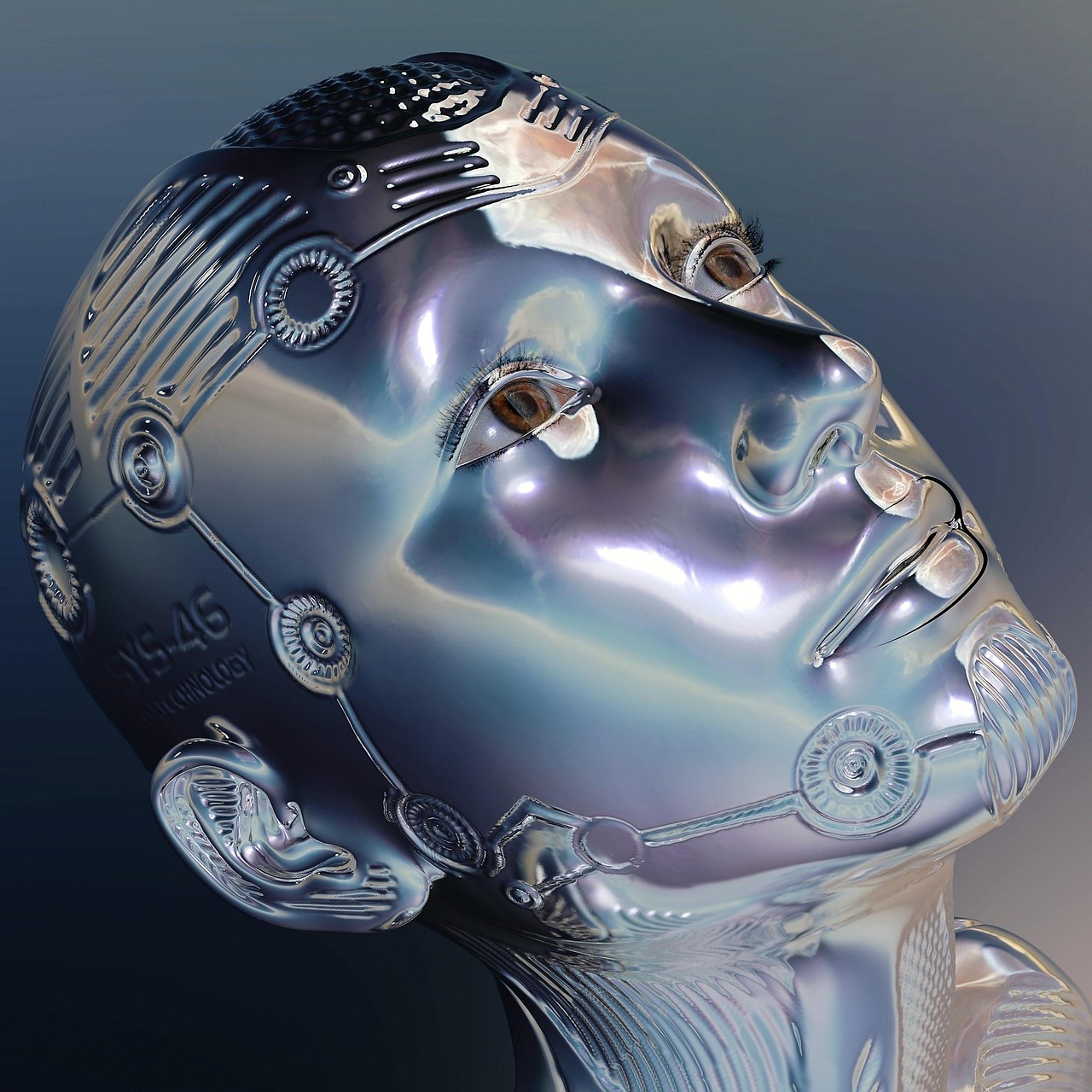
Artificial Intelligence Fundamentals is a crucial aspect of the Professional Certificate in Artificial Intelligence for Health and Safety, as it provides the necessary building blocks for understanding and working with intelligent systems. To grasp the concepts of Artificial Intelligence, it is essential to understand the key terms and vocabulary associated with this field. One of the primary concepts in Artificial Intelligence is Machine Learning, which involves the use of algorithms and statistical models to enable machines to perform a specific task without using explicit instructions. Machine Learning is a type of Artificial Intelligence that provides systems with the ability to automatically learn and improve from experience.
Machine Learning can be further divided into several types, including Supervised Learning, Unsupervised Learning, and Reinforcement Learning. Supervised Learning involves training a model on labeled data, where the correct output is already known, to enable the model to make predictions on new, unseen data. Unsupervised Learning, on the other hand, involves training a model on unlabeled data, where the model must find patterns or structure in the data on its own. Reinforcement Learning is a type of Machine Learning where an agent learns to take actions in an environment to maximize a reward or minimize a penalty.
Another critical concept in Artificial Intelligence is Deep Learning, which is a subset of Machine Learning that involves the use of Neural Networks to analyze data. Deep Learning models are composed of multiple layers of Artificial Neurons, which work together to learn complex patterns in data. These models have been shown to be highly effective in a variety of applications, including Image Recognition, Natural Language Processing, and Speech Recognition. Deep Learning models can be trained using a variety of algorithms, including Backpropagation and Stochastic Gradient Descent.
In addition to Machine Learning and Deep Learning, Computer Vision is another essential aspect of Artificial Intelligence. Computer Vision involves the use of algorithms and statistical models to enable computers to interpret and understand visual data from the world. This can include Image Processing, Object Detection, and Scene Understanding. Computer Vision has a wide range of applications, including Self-Driving Cars, Surveillance Systems, and Medical Imaging.
Artificial Intelligence also involves the use of Natural Language Processing to enable computers to understand and generate human language. Natural Language Processing includes a range of techniques, such as Tokenization, Part-of-Speech Tagging, and Sentiment Analysis. These techniques can be used in a variety of applications, including Chatbots, Language Translation, and Text Summarization.
Furthermore, Robotics is another critical aspect of Artificial Intelligence, which involves the use of algorithms and statistical models to enable robots to perform tasks autonomously. Robotics includes a range of techniques, such as Control Systems, Sensor Integration, and Machine Learning. Robotics has a wide range of applications, including Manufacturing, Healthcare, and Space Exploration.
In the context of Health and Safety, Artificial Intelligence can be used to improve Risk Assessment and Incident Prevention. For example, Machine Learning algorithms can be used to analyze data on workplace incidents and identify patterns and trends that can inform Safety Protocols and Regulatory Compliance. Additionally, Computer Vision can be used to monitor workplaces and detect potential Hazards or Risks, enabling proactive measures to be taken to prevent incidents.
Artificial Intelligence can also be used to improve Health Outcomes by enabling Personalized Medicine and Predictive Analytics. For example, Deep Learning models can be used to analyze Medical Imaging data and identify potential Health Risks or Diseases. Additionally, Natural Language Processing can be used to analyze Electronic Health Records and identify patterns and trends that can inform Clinical Decision Support systems.
However, the use of Artificial Intelligence in Health and Safety also raises several Ethical Concerns and Challenges. For example, there are concerns around Data Privacy and Security, as well as the potential for Algorithmic Bias and Discrimination. Additionally, there are challenges around Regulatory Compliance and Standards, as well as the need for Transparency and Explainability in Artificial Intelligence systems.
To address these challenges, it is essential to develop Responsible Artificial Intelligence systems that prioritize Ethics and Transparency. This can involve the use of techniques such as Explainable AI and Transparent AI, which provide insights into how Artificial Intelligence systems make decisions and recommendations. Additionally, it is essential to develop Diverse and Inclusive Artificial Intelligence systems that avoid Algorithmic Bias and Discrimination.
In terms of Applications, Artificial Intelligence has a wide range of uses in Health and Safety, including Risk Assessment, Incident Prevention, and Health Outcomes. For example, Artificial Intelligence can be used to analyze data on workplace incidents and identify patterns and trends that can inform Safety Protocols and Regulatory Compliance. Additionally, Artificial Intelligence can be used to monitor workplaces and detect potential Hazards or Risks, enabling proactive measures to be taken to prevent incidents.
Furthermore, Artificial Intelligence can be used to improve Supply Chain Management and Logistics in Health and Safety. For example, Machine Learning algorithms can be used to analyze data on Inventory Management and Shipping Routes, enabling more efficient and effective Supply Chain Operations. Additionally, Artificial Intelligence can be used to monitor Supply Chain Risks and detect potential Disruptions, enabling proactive measures to be taken to mitigate these risks.
In addition to these applications, Artificial Intelligence can also be used to improve Emergency Response and Disaster Recovery in Health and Safety. For example, Artificial Intelligence can be used to analyze data on Emergency Response Times and Disaster Recovery Efforts, enabling more effective and efficient Emergency Response and Disaster Recovery operations. Additionally, Artificial Intelligence can be used to monitor Emergency Response Risks and detect potential Disasters, enabling proactive measures to be taken to prevent or mitigate these disasters.
Overall, Artificial Intelligence has the potential to revolutionize Health and Safety by enabling more effective and efficient Risk Assessment, Incident Prevention, and Health Outcomes. However, it is essential to address the Ethical Concerns and Challenges associated with Artificial Intelligence, including Data Privacy and Security, Algorithmic Bias and Discrimination, and Regulatory Compliance and Standards. By developing Responsible Artificial Intelligence systems that prioritize Ethics and Transparency, we can unlock the full potential of Artificial Intelligence in Health and Safety and create a safer and healthier world for everyone.
The use of Artificial Intelligence in Health and Safety also requires a deep understanding of Data Science and Analytics. Data Science involves the use of statistical and computational methods to extract insights and knowledge from data, while Analytics involves the use of data and statistical models to inform decision-making. In Health and Safety, Data Science and Analytics can be used to analyze data on workplace incidents, Risk Assessment, and Health Outcomes, enabling more effective and efficient Safety Protocols and Regulatory Compliance.
Furthermore, the use of Artificial Intelligence in Health and Safety requires a deep understanding of Computer Systems and Networking. Computer Systems involve the use of hardware and software to process and store data, while Networking involves the use of communication protocols and networks to connect devices and systems. In Health and Safety, Computer Systems and Networking can be used to monitor workplaces and detect potential Hazards or Risks, enabling proactive measures to be taken to prevent incidents.
In addition to these technical skills, the use of Artificial Intelligence in Health and Safety also requires a deep understanding of Business Operations and Management. Business Operations involve the use of strategies and processes to manage and optimize business functions, while Management involves the use of leadership and organizational skills to direct and control business operations. In Health and Safety, Business Operations and Management can be used to develop and implement Safety Protocols and Regulatory Compliance programs, enabling more effective and efficient Risk Assessment and Incident Prevention.
The development and implementation of Artificial Intelligence systems in Health and Safety also require a deep understanding of Human Factors and Behavioral Science. Human Factors involve the use of psychological and sociological principles to understand human behavior and performance, while Behavioral Science involves the use of empirical methods to study human behavior and decision-making. In Health and Safety, Human Factors and Behavioral Science can be used to develop and implement Safety Training and Awareness Programs, enabling more effective and efficient Risk Assessment and Incident Prevention.
Overall, the use of Artificial Intelligence in Health and Safety requires a deep understanding of a wide range of technical, business, and behavioral skills. By developing and implementing Responsible Artificial Intelligence systems that prioritize Ethics and Transparency, we can unlock the full potential of Artificial Intelligence in Health and Safety and create a safer and healthier world for everyone. The future of Artificial Intelligence in Health and Safety is exciting and rapidly evolving, with new technologies and applications being developed and implemented every day. As we continue to develop and refine Artificial Intelligence systems, we can expect to see significant improvements in Risk Assessment, Incident Prevention, and Health Outcomes, enabling more effective and efficient Safety Protocols and Regulatory Compliance programs.
In the future, we can expect to see the development of more advanced Machine Learning and Deep Learning models that can analyze complex data sets and make predictions and recommendations with greater accuracy and precision. We can also expect to see the development of more sophisticated Natural Language Processing and Computer Vision systems that can understand and interpret human language and visual data with greater accuracy and precision. Additionally, we can expect to see the development of more advanced Robotics and Autonomous Systems that can perform tasks with greater speed and accuracy, enabling more effective and efficient Risk Assessment and Incident Prevention.
The development and implementation of these advanced Artificial Intelligence systems will require significant advances in Data Science and Analytics, as well as Computer Systems and Networking. It will also require significant advances in Human Factors and Behavioral Science, as well as Business Operations and Management. By developing and implementing these advanced Artificial Intelligence systems, we can expect to see significant improvements in Risk Assessment, Incident Prevention, and Health Outcomes, enabling more effective and efficient Safety Protocols and Regulatory Compliance programs.
In terms of Challenges and Limitations, the development and implementation of Artificial Intelligence systems in Health and Safety will require significant advances in Data Quality and Data Management. It will also require significant advances in Algorithmic Transparency and Explainability, as well as Regulatory Compliance and Standards. Additionally, it will require significant advances in Cybersecurity and Data Protection, as well as Human Factors and Behavioral Science. By addressing these challenges and limitations, we can develop and implement more effective and efficient Artificial Intelligence systems that prioritize Ethics and Transparency and enable more effective and efficient Risk Assessment, Incident Prevention, and Health Outcomes.
Overall, the future of Artificial Intelligence in Health and Safety is exciting and rapidly evolving, with new technologies and applications being developed and implemented every day. The development and implementation of Artificial Intelligence systems in Health and Safety will require significant advances in a wide range of technical, business, and behavioral skills, as well as significant advances in Data Science and Analytics, Computer Systems and Networking, and Human Factors and Behavioral Science. By addressing the challenges and limitations associated with Artificial Intelligence, we can develop and implement more effective and efficient Artificial Intelligence systems that enable more effective and efficient Risk Assessment, Incident Prevention, and Health Outcomes.
Key takeaways
- One of the primary concepts in Artificial Intelligence is Machine Learning, which involves the use of algorithms and statistical models to enable machines to perform a specific task without using explicit instructions.
- Supervised Learning involves training a model on labeled data, where the correct output is already known, to enable the model to make predictions on new, unseen data.
- These models have been shown to be highly effective in a variety of applications, including Image Recognition, Natural Language Processing, and Speech Recognition.
- Computer Vision involves the use of algorithms and statistical models to enable computers to interpret and understand visual data from the world.
- Natural Language Processing includes a range of techniques, such as Tokenization, Part-of-Speech Tagging, and Sentiment Analysis.
- Furthermore, Robotics is another critical aspect of Artificial Intelligence, which involves the use of algorithms and statistical models to enable robots to perform tasks autonomously.
- For example, Machine Learning algorithms can be used to analyze data on workplace incidents and identify patterns and trends that can inform Safety Protocols and Regulatory Compliance.