
Introduction to Global Honey Markets
Global honey market terminology forms the foundation for anyone seeking to navigate the complex world of honey export regulations and international trade. Understanding each term in depth allows professionals to communicate clearly with reg…
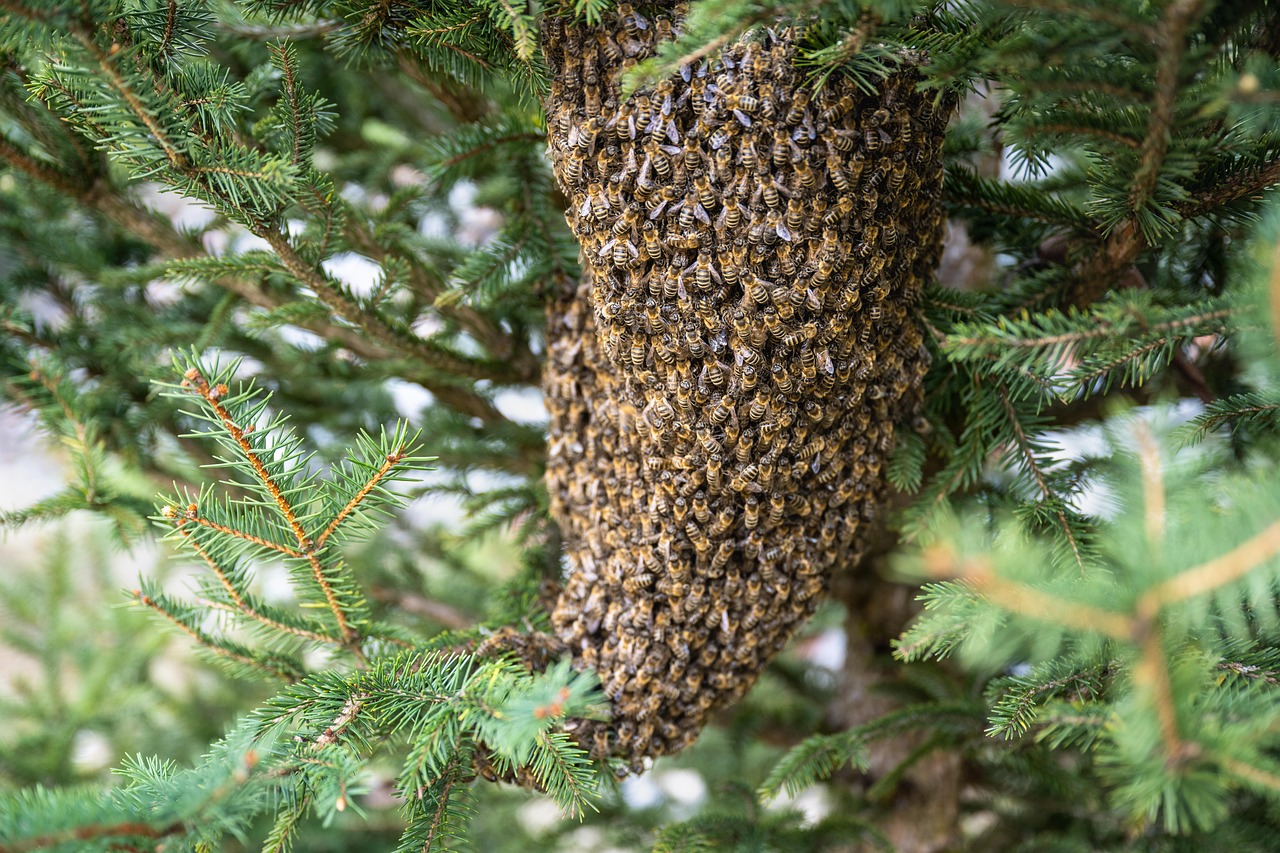
Global honey market terminology forms the foundation for anyone seeking to navigate the complex world of honey export regulations and international trade. Understanding each term in depth allows professionals to communicate clearly with regulators, buyers, and logistics partners, and to anticipate challenges that may arise at any stage of the supply chain. The following comprehensive glossary presents the most important concepts, definitions, and practical applications that learners will encounter when studying the introductory module of the Professional Certificate in Honey Export Regulations and International Trade. Each entry includes a clear definition, an example of its use in real‑world scenarios, and a discussion of typical challenges or considerations that exporters must keep in mind.
Apiculture refers to the science, art, and business of keeping honey‑producing bees. It encompasses the management of colonies, the extraction of honey, and the production of related products such as beeswax, propolis, and royal jelly. In practice, apiculture can range from small‑scale family farms with a handful of hives to large commercial operations with thousands of colonies. A common challenge for apiculturists is maintaining colony health while meeting market demand for high‑quality honey, especially in regions where pests such as the Varroa mite threaten productivity.
Apiary is the physical location where bee colonies are kept. An apiary may consist of a series of hives arranged in rows, often placed in a location with abundant floral resources. Exporters must often provide documentation that identifies the apiary’s geographic coordinates, as this information can be required for phytosanitary certification and traceability. For example, a Colombian honey exporter may need to prove that its apiary is situated in a pesticide‑free zone to satisfy European Union import requirements.
Honey grade denotes the classification of honey based on its physical and chemical characteristics, such as moisture content, color, flavor, and crystallization tendency. International standards, particularly those set by the Codex Alimentarius, define several grades (e.G., Grade A, Grade B) that correspond to specific quality thresholds. An exporter shipping “Grade A” honey to Japan must ensure that the product’s moisture does not exceed 18 % and that the diastase activity meets the minimum required level. Failure to meet grade specifications can result in consignment rejection or re‑grading, which may affect pricing and market reputation.
Moisture content is the percentage of water present in honey. It is a critical quality parameter because high moisture increases the risk of fermentation and reduces shelf life. The typical acceptable range for most markets lies between 15 % and 18 %. Measuring moisture accurately requires calibrated refractometers, and exporters must record the results on the laboratory analysis report. A shipment of Turkish honey with a measured moisture of 20 % would likely be deemed unsuitable for export to the United Kingdom, where the maximum allowable limit is 18 %.
Diastase activity measures the enzymatic breakdown of starch by the natural enzymes present in honey. It is expressed in Schade units and serves as an indicator of honey freshness and exposure to heat. Low diastase activity can signal over‑heating during processing or prolonged storage. For instance, honey that has been pasteurised at temperatures exceeding 80 °C may exhibit reduced diastase activity, jeopardising its eligibility for markets that require a minimum of 8 Schade units, such as the United Arab Emirates.
HMF (hydroxymethylfurfural) is a compound formed when honey is heated or stored for long periods. It is used as an indicator of honey quality and freshness. International standards typically set an upper limit of 40 mg/kg for most honey types, with a stricter limit of 15 mg/kg for blossom honey in certain premium markets. Exporters must include HMF analysis in their quality certificates; exceeding the limit can lead to product rejection or price penalties.
Codex Alimentarius is a collection of internationally recognized standards, guidelines, and codes of practice aimed at protecting consumer health and ensuring fair trade. The Codex standard for honey (CODEX STAN 12‑1981) specifies criteria for composition, labeling, and permissible contaminants. While compliance with Codex is not mandatory, many importing countries reference it in their national regulations, making it a de‑facto benchmark for exporters. Understanding Codex provisions helps exporters anticipate the requirements of multiple jurisdictions without having to study each country’s regulations individually.
HS code (Harmonized System code) is a six‑digit classification system used worldwide to identify traded products. Honey is generally classified under heading 0409, with additional digits specifying the type (e.G., 0409 10 For honey, not blended with other substances). Accurate HS coding is essential for customs clearance, tariff determination, and statistical reporting. An incorrect HS code can result in delayed clearance, misapplied duties, or even seizure of the cargo. For example, misclassifying honey as “sugar” (HS 1701) could trigger an unexpected duty rate and raise compliance concerns.
Tariff refers to a tax or duty imposed by a government on imported goods. Tariffs vary by country, product type, and trade agreements in force. The European Union, for instance, applies a preferential tariff rate of 0 % on honey imported from countries with which it has a free trade agreement, whereas non‑preferential rates may be higher. Exporters must calculate the landed cost, which includes the base price, tariff, and other fees, to remain competitive in target markets.
Non‑tariff barriers (NTBs) are regulatory or procedural obstacles that impede trade without involving a direct tax. In the honey sector, NTBs often manifest as stringent quality standards, mandatory certifications, or complex labeling requirements. An exporter from Brazil may face NTBs when trying to access the Canadian market, where specific labeling of pollen content is required. Overcoming NTBs typically involves aligning production processes with the importing country’s regulations and obtaining the necessary certifications.
Sanitary and Phytosanitary (SPS) measures are policies aimed at protecting human, animal, and plant health. In honey trade, SPS measures often involve the issuance of a phytosanitary certificate confirming that the product is free from pests and diseases. The certificate may also attest that the honey has been produced in compliance with good beekeeping practices, reducing the risk of contaminant transfer. Failure to secure an SPS certificate can lead to border inspection, quarantine, or outright rejection of the shipment.
Phytosanitary certificate is an official document issued by the competent authority of the exporting country, confirming that the consignment meets the plant health requirements of the importing country. For honey, the certificate typically includes information on the apiary location, the absence of disease‑causing organisms, and any treatments applied to the hives. The certificate must accompany the commercial invoice and be presented to customs officials at the destination port. In practice, obtaining the certificate may involve an on‑site inspection by a plant health inspector, who verifies that the apiary complies with local regulations.
Traceability denotes the ability to track a product’s journey from its origin to the final consumer. In the honey industry, traceability systems often involve batch numbers, hive identifiers, and electronic records of processing steps. Robust traceability is increasingly demanded by premium markets, especially those that emphasize sustainability and authenticity. For example, a New Zealand honey exporter may use QR codes on packaging that link consumers to a digital ledger displaying the exact apiary, harvest date, and testing results for each batch. Implementing traceability can be costly, but it enhances brand credibility and mitigates the risk of product recalls.
Supply chain encompasses all activities and entities involved in moving honey from the beehive to the end consumer. This includes beekeepers, processors, packagers, exporters, freight forwarders, customs brokers, and retailers. Understanding each link in the supply chain is essential for identifying potential bottlenecks, such as customs delays or inadequate cold‑chain facilities. A well‑managed supply chain can reduce lead times, lower costs, and improve product quality.
Cold chain refers to a temperature‑controlled logistics network that maintains a consistent environment throughout transportation and storage. While honey is not highly perishable, maintaining a stable temperature helps prevent crystallization and preserves flavor. Exporters shipping honey to tropical destinations often use insulated containers and monitor temperature with data loggers. Failure to preserve the cold chain may result in product degradation, leading to customer dissatisfaction and financial loss.
Packaging in honey trade must meet both functional and regulatory criteria. Functional requirements include protecting the product from contamination, leakage, and physical damage. Regulatory requirements often involve labeling standards, such as displaying the country of origin, net weight, and producer information. In the European Union, packaging must also include the CE mark if the container is classified as a “consumer product” under specific directives. Exporters must therefore coordinate with packaging suppliers to ensure compliance with the destination market’s rules.
Labeling is the information presented on the honey container, and it is subject to strict regulations in many jurisdictions. Required elements typically include the product name, net weight, country of origin, lot or batch number, and any certifications (e.G., Organic, fair trade). Additional voluntary information, such as floral source or tasting notes, can add market value but must be truthful and not misleading. In the United States, the Food and Drug Administration (FDA) mandates that the label also contain a nutrition facts panel, whereas the EU relies on a simplified “nutrition declaration” for honey.
Organic certification confirms that honey has been produced according to organic farming standards, which generally prohibit the use of synthetic chemicals and require specific beekeeping practices. Certification bodies, such as the USDA National Organic Program (NOP) or the EU organic logo, issue certificates after thorough inspections and audits. Organic honey often commands a premium price, but the certification process can be time‑consuming and costly. Exporters must keep detailed records of hive treatments, forage management, and honey extraction methods to maintain organic status.
Fair trade certification signals that the honey has been produced under conditions that ensure fair wages, safe working environments, and community development benefits for beekeepers. Organizations like Fairtrade International assess compliance with social and environmental criteria. While fair trade honey appeals to socially conscious consumers, the certification may limit market access to regions where the label is recognized and valued. Moreover, the premium associated with fair trade certification must outweigh the additional compliance costs.
Geographical indication (GI) is a label that identifies a product as originating from a specific region, where a given quality, reputation, or characteristic is essentially attributable to that location. Examples include “Manuka honey” from New Zealand or “Sicilian orange blossom honey” from Italy. GIs can protect producers from imitation and add value, but they also require rigorous verification of origin and adherence to defined production methods. Exporters must ensure that their supply chain can substantiate the GI claim through documentation and audits.
Market access describes the ability of a product to enter a foreign market under acceptable regulatory, tariff, and non‑tariff conditions. Achieving market access often involves negotiating trade agreements, obtaining certifications, and adapting product specifications to meet local standards. For honey exporters, market access may be facilitated by bilateral free trade agreements that reduce tariffs and streamline customs procedures. However, changes in political relations or regulatory updates can quickly alter market access conditions, requiring exporters to stay vigilant.
Free trade agreement (FTA) is a pact between two or more countries that eliminates or reduces trade barriers such as tariffs and quotas. In the honey sector, FTAs can significantly improve competitiveness by lowering import duties and simplifying customs documentation. For example, the Comprehensive and Progressive Agreement for Trans-Pacific Partnership (CPTPP) provides preferential treatment for honey exported from member countries to other members. Exporters need to verify that their product qualifies under the rules of origin stipulated in the agreement.
Rules of origin determine the country that is considered the source of a product for purposes of trade policy. In honey trade, the rules often require that the honey be produced, processed, or substantially transformed in the exporting country. Documentation such as a certificate of origin, supported by production records, is necessary to claim preferential tariff rates under an FTA. Misstating the origin can lead to penalties, including the revocation of preferential treatment and possible anti‑dumping duties.
Certificate of origin is an official document attesting that the exported honey originates from a specific country. It is typically issued by a chamber of commerce or a designated government authority. The certificate includes details such as the exporter’s name, the consignee, a description of the goods, and the HS code. When exporting to markets that apply preferential tariffs, the certificate must accompany the commercial invoice and be presented to customs authorities at the destination.
Trade facilitation encompasses measures that simplify and streamline international trade procedures, reducing costs and time for exporters and importers. In the honey industry, trade facilitation initiatives may include electronic submission of customs documents, pre‑clearance inspections at the point of export, and the adoption of standardized certificates. The World Trade Organization’s Trade Facilitation Agreement (TFA) encourages member countries to implement such measures, benefiting exporters by reducing border delays.
Customs broker is a licensed professional who assists exporters and importers in clearing goods through customs. The broker prepares and submits required documentation, calculates duties, and liaises with customs officials. For honey exporters, the customs broker ensures that the HS code, tariff classification, and accompanying certificates (e.G., Phytosanitary, origin) are correctly presented. Selecting an experienced broker familiar with perishable and food products can prevent costly clearance delays.
Freight forwarder coordinates the shipment of goods from the point of origin to the final destination, handling tasks such as booking cargo space, arranging insurance, and managing documentation. In the honey trade, freight forwarders must be knowledgeable about temperature requirements, hazardous material regulations (if honey is classified as a flammable liquid in certain jurisdictions), and the documentation needed for SPS compliance. Effective communication between the exporter and the freight forwarder is essential to ensure that the cargo is loaded correctly and that any special handling instructions are observed.
Incoterms (International Commercial Terms) are a set of standardized trade terms published by the International Chamber of Commerce that define the responsibilities of buyers and sellers regarding delivery, risk transfer, and cost allocation. Common Incoterms used in honey export include CIF (Cost, Insurance, and Freight) and FOB (Free on Board). Under CIF, the exporter arranges and pays for freight and insurance to the destination port, whereas under FOB, the buyer assumes responsibility once the goods are loaded onto the vessel. Choosing the appropriate Incoterm affects pricing, risk exposure, and logistical complexity.
Insurance protects the shipment against loss or damage during transit. For honey, coverage typically includes marine cargo insurance to guard against risks such as vessel sinking, fire, or severe weather. Exporters may also obtain product liability insurance to cover claims arising from alleged contamination or labeling errors. Insurance premiums are calculated based on the cargo value, route risk, and the type of coverage selected. Adequate insurance is especially important when shipping high‑value specialty honey, such as Manuka or organic varieties.
Quality assurance (QA) refers to systematic processes that ensure honey meets predetermined quality standards throughout production, processing, and distribution. QA activities include regular laboratory testing, equipment calibration, employee training, and internal audits. Implementing a robust QA program helps exporters maintain consistency, satisfy buyer specifications, and reduce the likelihood of product rejections at the border. For instance, a QA protocol might require that each batch be tested for moisture, HMF, and diastase activity before release.
Quality control (QC) is a subset of QA that focuses on monitoring specific attributes of honey during production. QC measures are often performed in real time, such as checking temperature during pasteurisation or verifying the correct labeling of each container. While QA is preventive and systematic, QC is reactive and operational. Both are essential for achieving compliance with international standards and for building trust with customers.
Laboratory analysis involves testing honey samples in accredited laboratories to verify compliance with composition and safety criteria. Common analyses include moisture determination, HMF measurement, diastase activity, pollen spectrum (for botanical origin verification), and contaminant screening (e.G., Pesticide residues, heavy metals). Exporters must retain certificates of analysis (COA) for each shipment, as importing authorities often request these documents during customs clearance. Selecting an ISO‑17025 accredited lab ensures the reliability and acceptance of test results.
Pollen analysis (melissopalynology) identifies the botanical sources of honey by examining pollen grains under a microscope. The pollen profile helps verify label claims such as “acacia honey” or “lavender honey.” In some markets, authorities require a minimum percentage of pollen from the declared floral source, making pollen analysis a critical step for product authentication. Conducting pollen analysis can be time‑consuming and may require specialized expertise, but it adds credibility to premium honey products.
Contaminant screening detects residues of pesticides, antibiotics, heavy metals, and other unwanted substances in honey. Many importing countries have strict maximum residue limits (MRLs) for specific contaminants. For example, the European Union sets MRLs for neonicotinoid pesticides at 0.02 Mg/kg for honey. Exporters must therefore conduct comprehensive contaminant screenings and provide the corresponding COA to demonstrate compliance. Failure to meet MRLs can result in consignment rejection, fines, or mandatory product destruction.
Residual pesticide refers to traces of chemical substances used in agriculture that may be present in honey due to bees foraging on treated plants. As global awareness of pesticide impacts grows, many markets have tightened permissible limits. Exporters can mitigate residual pesticide risks by selecting apiary locations distant from intensive crop areas, employing integrated pest management, and conducting regular residue testing. Demonstrating low pesticide residues can be a competitive advantage, especially in health‑conscious markets.
Heavy metal testing assesses the presence of metals such as lead, cadmium, arsenic, and mercury in honey. These metals can accumulate from environmental pollution or contaminated equipment. International standards typically set very low permissible limits (e.G., Lead ≤0.10 Mg/kg). Exporters must ensure that processing equipment is made of food‑grade materials and that storage facilities are free from contamination. Regular testing and documentation are essential components of a comprehensive quality management system.
Label claim is any statement on the packaging that conveys information about the product’s attributes, such as “raw,” “unfiltered,” “organic,” or “monofloral.” Claims must be substantiated with evidence; otherwise, they can be deemed deceptive under consumer protection laws. For example, a claim of “raw honey” implies that the product has not undergone heat treatment above 40 °C. If the honey has been pasteurised, the claim would be false and could lead to regulatory enforcement actions.
Raw honey is honey that has not been subjected to heat treatment or filtration processes that remove pollen and other natural constituents. Raw honey retains its natural enzymes, antioxidants, and pollen content, which many consumers value for health benefits. However, raw honey may also contain higher levels of enzymes like diastase, and it is more susceptible to crystallisation. Exporters of raw honey must clearly label the product and be prepared for potential scrutiny regarding microbial safety.
Pasteurisation is a heat‑treatment process that kills yeast and delays crystallisation, extending honey’s shelf life. Typical pasteurisation involves heating honey to 70–80 °C for a short period. While pasteurised honey offers convenience for retailers, it may reduce certain natural enzymes and alter flavor. Exporters must indicate on the label whether honey has been pasteurised, as this information influences consumer expectations and regulatory classification.
Filtration removes particulate matter, pollen, and wax particles from honey, resulting in a clearer product. Filtration can be performed using mesh screens or centrifuges. While filtered honey is aesthetically appealing, excessive filtration may strip beneficial pollen, affecting the ability to verify botanical origin. Some premium markets prefer minimally filtered honey to preserve its natural characteristics and to facilitate pollen analysis.
Crystallisation is the natural process by which honey transitions from a liquid to a semi‑solid state due to the formation of glucose crystals. Crystallisation is not a defect; in fact, many consumers appreciate the spreadable texture of crystallised honey. However, excessive crystallisation can affect packaging and handling. Exporters may control crystallisation through temperature management, seed crystal addition, or by selecting honey varieties with higher fructose content, which crystallise more slowly.
Seed crystal (also known as “starter crystal”) is a small amount of already crystallised honey added to liquid honey to promote uniform crystallisation. The technique is used by producers who wish to produce a smooth, spreadable product with a consistent grain size. Properly managed seed crystallisation can improve product quality and reduce consumer complaints about grainy textures. Exporters employing this method should document the process to demonstrate control over product characteristics.
Organic beekeeping follows principles that restrict the use of synthetic chemicals, mandate the provision of natural forage, and require the maintenance of colony health through natural methods. Certification bodies assess compliance through on‑site inspections and review of records. Organic beekeeping often results in honey with lower pesticide residues, which is attractive to health‑conscious consumers. However, organic beekeeping can be more labor‑intensive and may involve lower yields due to limited intervention options.
Fair‑trade premium is an additional sum paid to producers when their honey meets fair‑trade standards. The premium is intended for community development projects such as education, healthcare, or infrastructure improvements. Exporters must manage the distribution of the premium in accordance with fair‑trade organization guidelines, ensuring transparency and accountability. While the premium can enhance social impact, it also adds to the overall cost structure of the product.
Supply‑chain transparency involves providing stakeholders with clear, accessible information about each step in the honey’s journey from hive to shelf. Transparency initiatives may include publishing audit reports, sharing traceability data, and disclosing sourcing policies. Consumers increasingly demand transparency, and retailers may require proof of ethical sourcing before stocking a honey brand. Implementing transparency measures can differentiate a brand but requires investment in data management systems.
Blockchain technology is being explored as a tool for enhancing traceability and transparency in honey supply chains. By recording each transaction on an immutable ledger, blockchain can provide verifiable proof of origin, processing steps, and certification status. Some exporters have piloted blockchain platforms that allow consumers to scan a QR code and view the honey’s full history. While promising, blockchain adoption entails technical expertise, integration costs, and the need for industry‑wide standards.
Logistics hub is a location where goods are consolidated, stored, and redistributed, often featuring customs clearance facilities and transportation links. For honey exporters, selecting a logistics hub with efficient cold‑chain capabilities and proximity to major ports can reduce transit times and costs. Many exporters use hubs in Hong Kong, Rotterdam, or Los Angeles to serve Asian, European, and North American markets respectively.
Port of entry is the first customs point where a shipment arrives in the importing country. The port’s capacity, inspection procedures, and efficiency directly affect clearance speed. In some cases, exporters can request pre‑clearance at the port of origin to expedite processing. Understanding the specific requirements of the port of entry—such as mandatory inspection for certain honey types—helps prevent unexpected delays.
Customs clearance is the process by which goods are authorized to enter a country after meeting all regulatory, fiscal, and documentation requirements. For honey, customs clearance typically involves verification of the HS code, tariff payment, presentation of the phytosanitary certificate, and compliance with labeling standards. Delays in clearance can lead to increased storage fees, product degradation, and loss of market confidence.
Inspection may be conducted by customs authorities, food safety agencies, or independent auditors to verify that honey complies with import regulations. Inspections can be documentary (reviewing certificates) or physical (sampling and testing). Random inspections are common in markets with strict SPS measures. Exporters should maintain ready access to all relevant documentation and be prepared for on‑site sampling.
Sampling is the process of taking a small portion of the honey consignment for laboratory testing. Sampling must be performed in a statistically representative manner to ensure that test results reflect the overall quality of the shipment. Improper sampling can lead to false conclusions, either falsely indicating non‑compliance or missing contaminants. Exporters often employ accredited sampling protocols to meet importers’ expectations.
Re‑export occurs when honey is imported into a country, possibly undergoes minimal processing or repackaging, and then exported again to a third country. Re‑export may be subject to different tariff rates and regulatory requirements than direct export. Understanding re‑export rules is crucial for exporters who use intermediate distribution centers or who engage in trans‑shipment operations.
Transit time is the total duration a shipment spends traveling from the point of origin to the destination, including loading, sailing, and inland transport. Shorter transit times are generally preferred to preserve honey quality, especially for raw or minimally processed products. Exporters can influence transit time by selecting faster shipping routes, opting for air freight for high‑value products, or negotiating priority handling with carriers.
Incoterm DAP (Delivered at Place) places the responsibility on the seller to deliver the goods to a named place in the buyer’s country, cleared for import but not unloaded. Under DAP, the exporter bears the costs of transport, insurance, and customs duties up to the agreed location. This term is increasingly used for door‑to‑door deliveries in e‑commerce honey sales, where the seller wishes to provide a seamless experience for the buyer.
Incoterm EXW (Ex Works) is the opposite extreme, where the seller’s responsibility ends when the goods are made available at their premises. The buyer assumes all subsequent costs and risks, including loading, export clearance, and transportation. For honey exporters with limited logistics capabilities, EXW may be attractive, but it can deter buyers who prefer the seller to handle more of the shipping process.
Customs duty is a tax levied on imported goods, calculated as a percentage of the customs value or based on quantity. The duty rate for honey varies by country and may be affected by trade agreements. Exporters must accurately declare the customs value, which includes the transaction price, freight, and insurance (CIF value). Misvaluation can trigger penalties or lead to underpayment of duties.
Value‑added tax (VAT) is a consumption tax applied at each stage of the supply chain, typically based on the sale price of the product. When exporting honey, many jurisdictions allow for a zero‑rate VAT on the export transaction, provided that proper documentation is retained. Exporters must keep records of export invoices and transport documents to substantiate the zero‑rate claim during tax audits.
Export license is a government‑issued permit that authorizes the shipment of certain goods out of a country. While honey generally does not require an export license, some countries impose licensing for products derived from protected species or for honey produced in environmentally sensitive areas. Exporters should verify whether any special licensing applies to their product, especially when dealing with unique regional varieties.
Import quota is a limit on the quantity of a product that can be imported into a country within a specific period. Quotas are less common for honey but may exist in markets seeking to protect domestic beekeeping industries. When quotas are in place, exporters must apply for allocation rights and may need to compete for limited slots, influencing their market strategy.
Anti‑dumping duty is an additional tariff imposed on imports believed to be priced below fair market value, thereby harming domestic producers. Some countries have levied anti‑dumping duties on honey from specific exporting nations if they deem the pricing unfair. Exporters must monitor trade investigations and be prepared to provide cost and pricing data to defend against such duties.
Countervailing duty is a tariff applied to offset subsidies provided by the exporting country that could distort competition. For honey, subsidies for beekeeping or honey production in certain countries may trigger countervailing duties in importing markets. Exporters should be aware of any government support programs that could expose their shipments to these duties.
Trade remedy encompasses measures such as anti‑dumping, countervailing, and safeguard duties designed to protect domestic industries from unfair trade practices. Understanding trade remedies is essential for honey exporters, as the imposition of a remedy can abruptly increase the landed cost and affect profitability. Engaging with trade experts and monitoring WTO dispute settlement cases can help exporters anticipate potential trade remedy actions.
Sanitary certificate is similar to a phytosanitary certificate but focuses specifically on food safety aspects, confirming that the honey complies with hygiene and microbiological standards of the importing country. Some jurisdictions require a separate sanitary certificate in addition to the phytosanitary document. Obtaining the certificate may involve inspection of processing facilities and verification of HACCP (Hazard Analysis and Critical Control Points) compliance.
HACCP (Hazard Analysis and Critical Control Points) is a systematic preventive approach to food safety that identifies potential hazards and implements controls at critical points in the production process. A HACCP plan for honey typically addresses risks such as microbial contamination, foreign material intrusion, and chemical residues. Certification to HACCP standards (e.G., ISO 22000) can facilitate market entry, especially in regions where regulators prioritize food safety management systems.
ISO 22000 is an international standard that specifies requirements for a food safety management system, integrating HACCP principles with additional elements such as communication and system documentation. Achieving ISO 22000 certification demonstrates a commitment to consistent food safety practices, which can be a differentiator in competitive markets. The certification process involves internal audits, management reviews, and third‑party verification.
ISO 9001 focuses on quality management systems and is applicable to any organization seeking to improve process efficiency and customer satisfaction. While not specific to food safety, ISO 9001 complements HACCP by emphasizing continuous improvement, documentation control, and internal audit procedures. Exporters that hold both ISO 9001 and ISO 22000 certifications can present a robust quality and safety profile to importers.
GAP (Good Agricultural Practices) refers to a set of principles aimed at ensuring safe and sustainable production of agricultural products, including honey. GAP guidelines address topics such as pesticide management, worker safety, and environmental stewardship. Compliance with GAP can support organic certification and may be required by certain retailers that demand high sustainability standards.
CSR (Corporate Social Responsibility) encapsulates a company’s commitment to ethical behavior, environmental protection, and social welfare. In the honey sector, CSR initiatives may involve supporting local beekeeping communities, investing in pollinator habitat restoration, or reducing carbon emissions in logistics. Demonstrating CSR can enhance brand reputation and appeal to consumers who prioritize ethical consumption.
Carbon footprint measures the total greenhouse gas emissions associated with the production, processing, and transportation of honey. Exporters can calculate their carbon footprint using recognized methodologies such as the Greenhouse Gas Protocol. Reducing the carbon footprint may involve optimizing logistics routes, switching to renewable energy sources in processing facilities, or using eco‑friendly packaging materials. Some markets offer carbon‑offset credits or preferential treatment for low‑impact products.
Eco‑label is a certification mark that indicates a product meets specific environmental criteria, such as reduced pesticide use, sustainable sourcing, or low carbon emissions. Examples include the EU Ecolabel or the Nordic Swan. Obtaining an eco‑label for honey requires compliance with detailed environmental standards and third‑party verification. Eco‑labels can open niche market segments and justify premium pricing.
Food safety authority is the governmental body responsible for regulating and enforcing food safety standards within a country. In the United States, the Food and Drug Administration (FDA) fulfills this role; in the European Union, it is the European Food Safety Authority (EFSA). Exporters must understand the specific requirements of the relevant food safety authority, such as labeling mandates, permissible additives, and inspection protocols.
Food standards agency (FSA) is another term used in some jurisdictions to denote the agency that sets food composition and safety standards. The United Kingdom’s FSA, for example, provides guidance on acceptable honey composition and labeling. Aligning product specifications with the FSA’s guidelines helps ensure compliance and smooth market entry.
Consumer protection law encompasses regulations that safeguard consumers from deceptive practices, unsafe products, and false advertising. In the honey industry, consumer protection laws may prohibit misleading claims such as “pure honey” if the product contains added sugars or syrups. Exporters must ensure that all marketing and labeling statements are truthful, substantiated, and compliant with the consumer protection statutes of the target market.
Adulteration refers to the intentional addition of non‑honey substances (e.G., Corn syrup, sugar syrups) to increase volume or reduce costs. Adulterated honey is illegal in most countries and can lead to severe penalties, including product bans, fines, and criminal prosecution. Advanced analytical techniques, such as nuclear magnetic resonance (NMR) spectroscopy, are employed by authorities to detect adulteration. Maintaining strict internal controls and conducting regular testing are essential to prevent adulteration incidents.
Authentication is the process of verifying that honey is genuine and matches its declared characteristics, such as botanical origin or geographic source. Authentication methods include pollen analysis, stable isotope ratio analysis, and DNA barcoding of pollen. These techniques help protect premium honey categories, such as Manuka or eucalyptus honey, from counterfeit products. Exporters seeking to protect their brand may invest in authentication services and publish the results for consumer confidence.
Manuka honey is a monofloral honey derived from the nectar of the Manuka tree (Leptospermum scoparium) native to New Zealand. It is renowned for its unique antibacterial properties, often measured by the UMF (Unique Manuka Factor) rating. Because of its high market value, Manuka honey is subject to strict authentication and labeling requirements. Exporters must ensure that the UMF rating on the label matches laboratory‑verified results and that the product complies with both New Zealand and importing country regulations.
UMF rating (Unique Manuka Factor) quantifies the antibacterial activity of Manuka honey based on the concentration of methylglyoxal (MGO) and other markers. The rating is expressed as a number (e.G., UMF 10+, UMF 15+). Higher UMF values indicate stronger antibacterial potency and command higher prices. Exporters must obtain a UMF certification from an accredited agency and include the rating on the label. Mislabeling the UMF rating can lead to regulatory actions and loss of consumer trust.
MGO (Methylglyoxal) is a compound responsible for the antibacterial activity of Manuka honey. MGO content is measured in mg/kg and directly correlates with the UMF rating. Some markets require disclosure of the exact MGO level on the label. Exporters must provide analytical reports confirming MGO concentrations, as discrepancies can trigger product recalls.
Floral source denotes the type of plants from which bees collect nectar, influencing honey’s color, flavor, and aroma. Common floral sources include acacia, orange blossom, clover, and eucalyptus. Accurate identification of the floral source is important for marketing and compliance, especially when the label claims a specific monofloral origin. Pollen analysis and sensory evaluation are tools used to verify the declared floral source.
Monofloral honey is honey predominantly derived from the nectar of a single plant species, typically accounting for at least 45 % of the pollen content. Monofloral honeys often have distinctive taste profiles and can fetch premium prices.
Key takeaways
- Understanding each term in depth allows professionals to communicate clearly with regulators, buyers, and logistics partners, and to anticipate challenges that may arise at any stage of the supply chain.
- A common challenge for apiculturists is maintaining colony health while meeting market demand for high‑quality honey, especially in regions where pests such as the Varroa mite threaten productivity.
- Exporters must often provide documentation that identifies the apiary’s geographic coordinates, as this information can be required for phytosanitary certification and traceability.
- Honey grade denotes the classification of honey based on its physical and chemical characteristics, such as moisture content, color, flavor, and crystallization tendency.
- A shipment of Turkish honey with a measured moisture of 20 % would likely be deemed unsuitable for export to the United Kingdom, where the maximum allowable limit is 18 %.
- For instance, honey that has been pasteurised at temperatures exceeding 80 °C may exhibit reduced diastase activity, jeopardising its eligibility for markets that require a minimum of 8 Schade units, such as the United Arab Emirates.
- International standards typically set an upper limit of 40 mg/kg for most honey types, with a stricter limit of 15 mg/kg for blossom honey in certain premium markets.