
Quality Management in Aerospace Projects
Quality Management in Aerospace Projects involves the systematic processes and procedures implemented to ensure that the products or services delivered meet the specified requirements and standards set by the aerospace industry. It encompas…
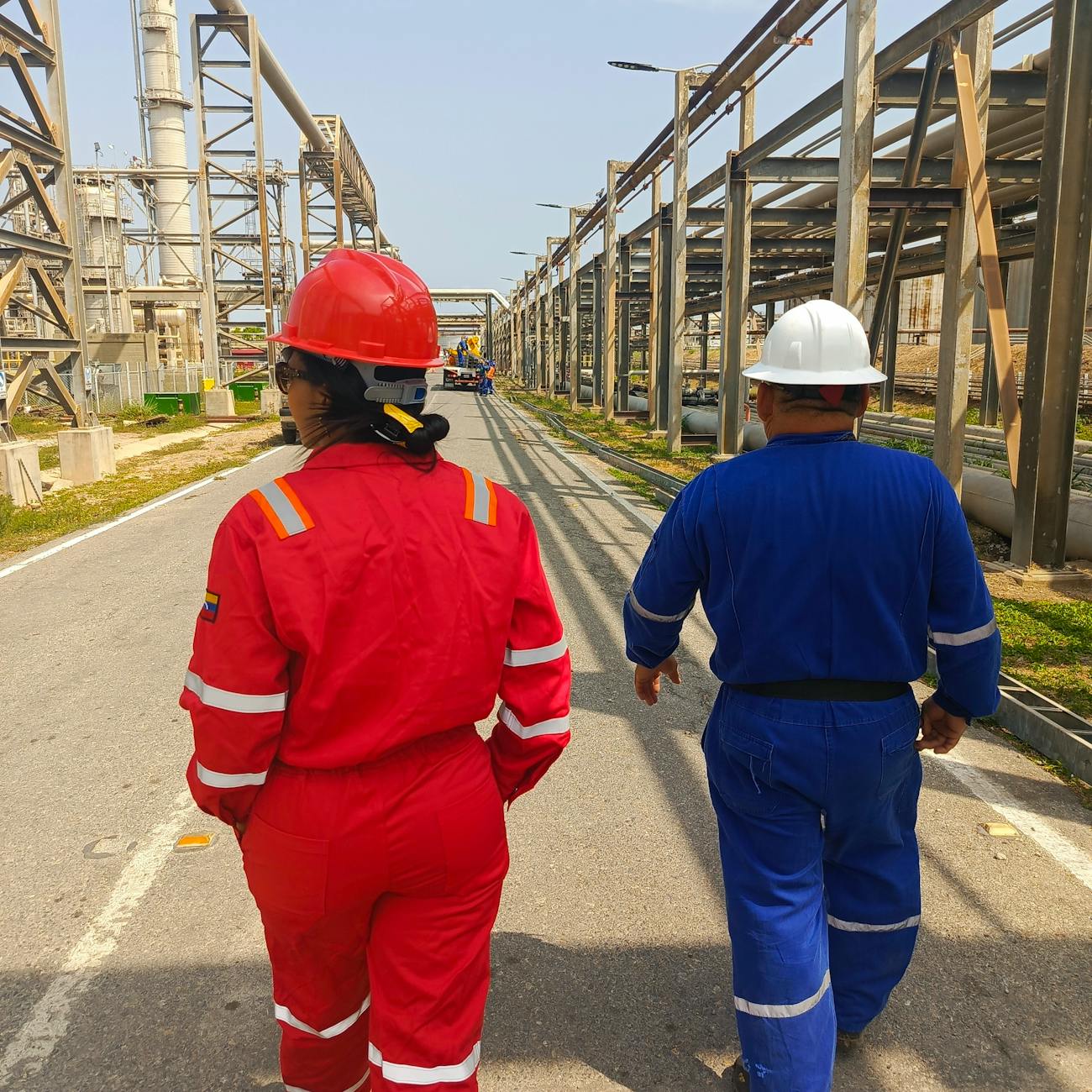
Quality Management in Aerospace Projects involves the systematic processes and procedures implemented to ensure that the products or services delivered meet the specified requirements and standards set by the aerospace industry. It encompasses various techniques and methodologies aimed at achieving excellence in project outcomes while adhering to safety, reliability, and performance standards.
**Key Terms and Vocabulary:**
1. **Quality Assurance (QA):** Quality Assurance is the process of ensuring that the quality requirements are met throughout the project lifecycle. It involves systematic activities such as quality planning, quality control, and quality improvement to prevent defects and errors in deliverables.
2. **Quality Control (QC):** Quality Control is the process of monitoring and verifying project deliverables to ensure they meet the required quality standards. It involves activities such as inspections, testing, and audits to identify and correct defects or deviations from specifications.
3. **Quality Management System (QMS):** A Quality Management System is a set of policies, processes, and procedures implemented within an organization to ensure quality objectives are met consistently. It provides a framework for managing quality throughout the project lifecycle.
4. **ISO 9001:** ISO 9001 is an international standard that sets out the criteria for a Quality Management System. It is based on a number of quality management principles including a strong customer focus, the involvement of top management, and a process approach.
5. **Total Quality Management (TQM):** Total Quality Management is a management approach that focuses on continuous improvement of processes and products to enhance customer satisfaction. It involves all employees in quality improvement efforts and emphasizes the importance of customer feedback.
6. **Six Sigma:** Six Sigma is a data-driven methodology used to improve the quality of processes by identifying and removing defects and variations. It aims to achieve near-perfect performance by reducing the number of defects to less than 3.4 per million opportunities.
7. **Lean Management:** Lean Management is a methodology that focuses on eliminating waste and improving efficiency in processes. It aims to deliver maximum value to customers with minimum resources by streamlining operations and reducing non-value-added activities.
8. **Risk Management:** Risk Management involves identifying, assessing, and mitigating risks that could impact the quality of project deliverables. It aims to proactively manage uncertainties and prevent potential issues from affecting project outcomes.
9. **Configuration Management:** Configuration Management is the process of managing and controlling changes to project deliverables to ensure they meet quality requirements. It involves documenting and tracking changes to configurations to maintain consistency and integrity.
10. **Supplier Quality Management:** Supplier Quality Management focuses on ensuring that suppliers meet the quality requirements set by the organization. It includes evaluating supplier performance, conducting audits, and providing feedback to improve quality standards.
11. **Root Cause Analysis:** Root Cause Analysis is a method used to identify the underlying reasons for quality issues or defects. It involves investigating the causes of problems to prevent recurrence and implement corrective actions to address the root cause.
12. **Corrective Action:** Corrective Action is the process of identifying and implementing actions to address quality issues or non-conformities. It aims to eliminate the root cause of problems and prevent similar issues from occurring in the future.
13. **Preventive Action:** Preventive Action is the process of identifying and implementing actions to prevent potential quality issues from occurring. It focuses on proactively addressing risks and improving processes to avoid future problems.
14. **Quality Metrics:** Quality Metrics are measurements used to assess the quality of project deliverables and processes. They provide quantifiable data to evaluate performance, identify trends, and make informed decisions to improve quality.
15. **Verification and Validation:** Verification and Validation are processes used to ensure that project deliverables meet the specified requirements. Verification confirms that the deliverable meets the design specifications, while validation ensures that it meets the customer's needs and expectations.
16. **Document Control:** Document Control is the process of managing and controlling project documents to ensure they are accurate, up-to-date, and accessible. It involves establishing procedures for document creation, review, approval, distribution, and retention.
17. **Non-Conformance:** Non-Conformance refers to a deviation from specified requirements or standards. It can result from defects, errors, or failures to meet quality criteria. Non-conformances must be identified, documented, and addressed through corrective or preventive actions.
18. **Quality Audits:** Quality Audits are systematic examinations of project processes and deliverables to ensure they comply with quality standards and requirements. Audits are conducted internally or externally to identify areas for improvement and ensure compliance with regulations.
19. **Continuous Improvement:** Continuous Improvement is an ongoing effort to enhance processes, products, and services to achieve better quality and performance. It involves regularly reviewing and refining processes to drive innovation, efficiency, and customer satisfaction.
20. **Quality Culture:** Quality Culture refers to the shared values, beliefs, and behaviors within an organization that prioritize and promote quality. It involves creating a supportive environment where employees are empowered to contribute to quality improvement initiatives and uphold high standards.
**Practical Applications:**
1. *Quality Planning:* In aerospace projects, quality planning involves defining quality objectives, establishing quality criteria, and identifying processes to achieve quality goals. For example, in aircraft manufacturing, quality planning may include defining product specifications, determining inspection criteria, and setting quality control measures.
2. *Risk Management:* Risk management is crucial in aerospace projects to identify and mitigate risks that could impact product quality and safety. For instance, in satellite development, risk management may involve assessing potential hazards, such as launch failures or environmental factors, and implementing risk mitigation strategies to ensure mission success.
3. *Supplier Quality Management:* Aerospace projects often rely on suppliers for components, materials, and services. Supplier quality management is essential to ensure that suppliers meet the high-quality standards required by the aerospace industry. For example, in aircraft engine manufacturing, supplier quality management may involve conducting supplier audits, performing quality inspections, and monitoring supplier performance to maintain product quality.
4. *Root Cause Analysis:* Root cause analysis is used in aerospace projects to investigate quality issues or failures and address the underlying causes. For instance, in avionics systems development, root cause analysis may be conducted to determine the reasons for system malfunctions or defects, leading to corrective actions to prevent similar issues in future projects.
5. *Lean Management:* Lean management principles can be applied in aerospace projects to improve efficiency and reduce waste in processes. For example, in space mission planning, lean management techniques may be used to streamline launch operations, optimize resource utilization, and minimize non-value-added activities, leading to cost savings and improved project outcomes.
6. *Total Quality Management (TQM):* Total Quality Management can be implemented in aerospace projects to foster a culture of continuous improvement and customer focus. For example, in aircraft maintenance operations, TQM principles may be used to engage employees in quality improvement initiatives, enhance service quality, and increase customer satisfaction by delivering reliable and safe aircraft maintenance services.
**Challenges:**
1. Maintaining Compliance: The aerospace industry is highly regulated, with strict quality and safety standards that must be adhered to. Ensuring compliance with regulatory requirements while meeting project deadlines and budget constraints can be a significant challenge for aerospace project managers.
2. Managing Complexity: Aerospace projects are often complex and involve multiple stakeholders, intricate processes, and advanced technologies. Managing the complexity of these projects, coordinating activities, and ensuring seamless integration of components can be challenging, requiring effective communication and coordination.
3. Balancing Cost and Quality: Balancing cost constraints with quality requirements in aerospace projects can be challenging. Achieving high-quality standards while managing project costs, minimizing risks, and meeting performance expectations requires careful planning, monitoring, and decision-making.
4. Risk Mitigation: Aerospace projects are inherently risky, with potential hazards such as technical failures, supply chain disruptions, and regulatory changes. Identifying and mitigating risks to ensure project success and product quality is a key challenge for aerospace project managers.
5. Continuous Improvement: Sustaining a culture of continuous improvement in aerospace projects can be challenging. Encouraging innovation, fostering collaboration, and driving quality improvement initiatives require strong leadership, employee engagement, and organizational support to achieve long-term success.
6. Supplier Management: Managing suppliers in the aerospace industry can be challenging due to the global supply chain, quality control issues, and varying regulations. Ensuring that suppliers meet quality standards, deliver on time, and maintain product integrity requires effective supplier management practices and monitoring mechanisms.
In conclusion, Quality Management in Aerospace Projects plays a critical role in ensuring that project deliverables meet the highest quality standards, safety requirements, and customer expectations. By implementing quality assurance, quality control, risk management, and continuous improvement practices, aerospace project managers can enhance project outcomes, mitigate risks, and drive excellence in the aerospace industry. It is essential for project managers to understand key quality management concepts, apply best practices, and overcome challenges to achieve success in aerospace projects.
Key takeaways
- Quality Management in Aerospace Projects involves the systematic processes and procedures implemented to ensure that the products or services delivered meet the specified requirements and standards set by the aerospace industry.
- **Quality Assurance (QA):** Quality Assurance is the process of ensuring that the quality requirements are met throughout the project lifecycle.
- **Quality Control (QC):** Quality Control is the process of monitoring and verifying project deliverables to ensure they meet the required quality standards.
- **Quality Management System (QMS):** A Quality Management System is a set of policies, processes, and procedures implemented within an organization to ensure quality objectives are met consistently.
- It is based on a number of quality management principles including a strong customer focus, the involvement of top management, and a process approach.
- **Total Quality Management (TQM):** Total Quality Management is a management approach that focuses on continuous improvement of processes and products to enhance customer satisfaction.
- **Six Sigma:** Six Sigma is a data-driven methodology used to improve the quality of processes by identifying and removing defects and variations.