
Community Development and Engagement
Community Development and Engagement: Community development and engagement are essential components of promoting health equity and addressing social care needs in diverse populations. These terms encompass a range of strategies and approach…
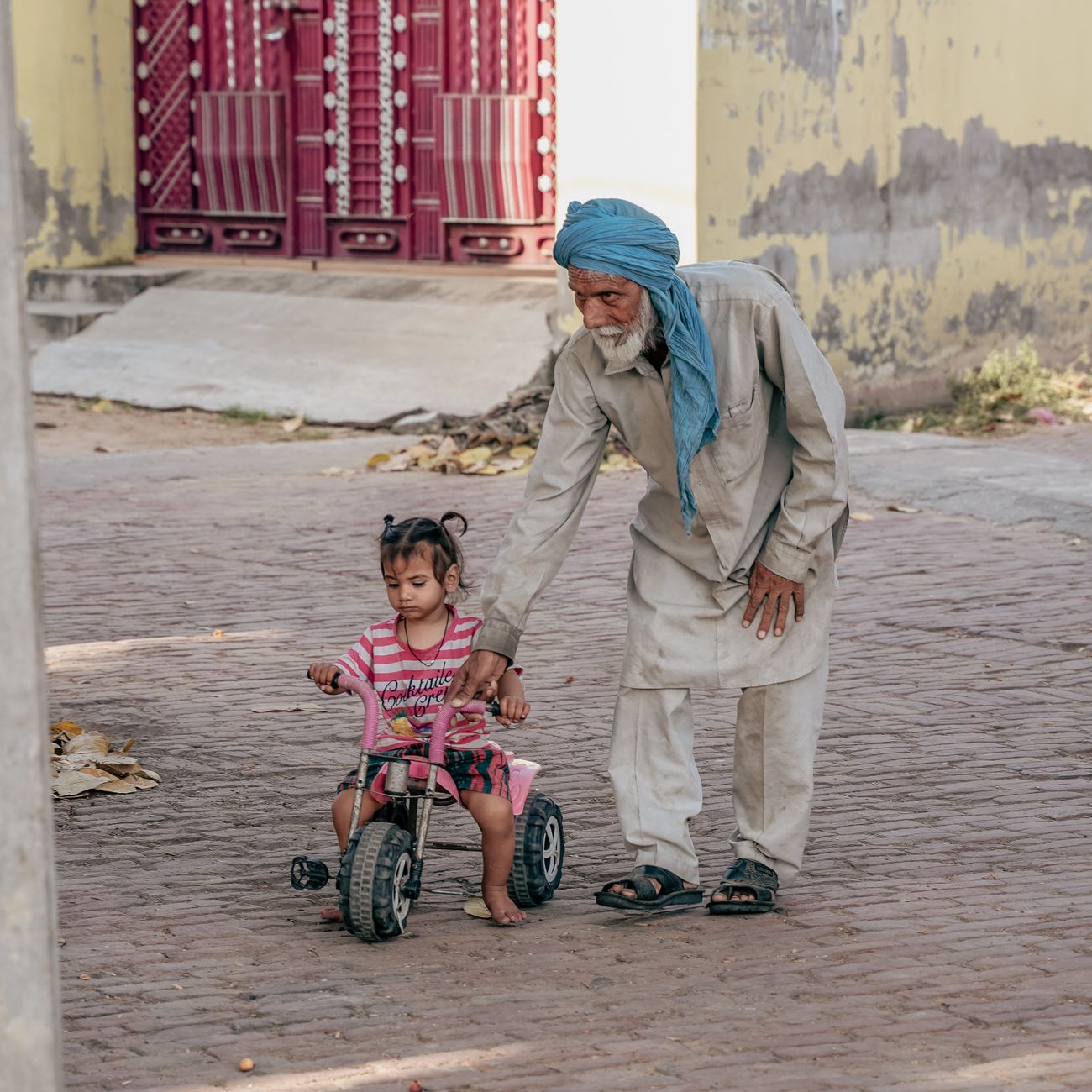
Community Development and Engagement: Community development and engagement are essential components of promoting health equity and addressing social care needs in diverse populations. These terms encompass a range of strategies and approaches aimed at empowering communities, fostering collaboration, and enhancing the well-being of individuals and groups. In the context of the Graduate Certificate in Health Inequalities and Social Care, understanding the key concepts related to community development and engagement is crucial for effectively addressing health disparities and promoting social justice.
Key Terms and Vocabulary:
1. Community: A community refers to a group of people who share common interests, characteristics, or goals within a specific geographic area or social context. Communities can be defined by factors such as culture, ethnicity, religion, or socioeconomic status. Understanding the dynamics of communities is essential for effective engagement and development initiatives.
2. Development: Development in the context of community refers to the process of improving the social, economic, and environmental well-being of a group of people. It involves empowering individuals and communities to address their needs, build capacity, and create sustainable solutions to challenges they face.
3. Engagement: Engagement involves actively involving community members in decision-making processes, program planning, and implementation. It encompasses fostering partnerships, building trust, and promoting participation to ensure that interventions are relevant, effective, and sustainable.
4. Health Inequalities: Health inequalities refer to differences in health outcomes experienced by individuals or populations due to factors such as social determinants of health, access to healthcare, and structural barriers. Addressing health inequalities is a key focus of the Graduate Certificate program and requires a comprehensive understanding of the root causes and impacts of disparities.
5. Social Care: Social care encompasses a range of services and supports designed to promote the well-being and independence of individuals who require assistance due to health, social, or economic challenges. Understanding social care systems and policies is essential for addressing the needs of vulnerable populations.
6. Equity: Equity refers to the fair distribution of resources, opportunities, and outcomes to ensure that all individuals have equal access to social and economic benefits. Promoting equity involves addressing systemic barriers and creating inclusive policies and practices that support the well-being of marginalized groups.
7. Empowerment: Empowerment involves enabling individuals and communities to take control of their lives, make informed decisions, and advocate for their needs. Empowerment is a key principle of community development and engagement that promotes self-determination and autonomy.
8. Collaboration: Collaboration involves working together with diverse stakeholders, including community members, organizations, and government agencies, to achieve common goals and address complex challenges. Building collaborative partnerships is essential for promoting collective action and sustainable change.
9. Capacity Building: Capacity building involves strengthening the skills, knowledge, and resources of individuals and communities to address their needs and achieve their goals. It includes providing training, technical assistance, and support to enhance the effectiveness of community-led initiatives.
10. Participatory Approaches: Participatory approaches involve engaging community members in decision-making processes, program design, and evaluation. These approaches prioritize the voices and perspectives of those affected by interventions, leading to more inclusive and responsive solutions.
11. Social Determinants of Health: Social determinants of health are the social, economic, and environmental factors that influence health outcomes and disparities. Understanding how social determinants shape health inequities is essential for developing holistic interventions that address root causes and promote health equity.
12. Cultural Competence: Cultural competence refers to the ability to effectively engage with individuals and communities from diverse cultural backgrounds. It involves recognizing and respecting cultural differences, adapting interventions to meet specific needs, and promoting inclusivity and diversity.
13. Advocacy: Advocacy involves promoting social change, raising awareness, and influencing policies to address systemic injustices and disparities. Advocacy is a powerful tool for advancing social justice, promoting human rights, and amplifying the voices of marginalized communities.
14. Resilience: Resilience refers to the ability of individuals and communities to adapt, recover, and thrive in the face of adversity and challenges. Building resilience is essential for promoting well-being, fostering community cohesion, and addressing the impacts of social inequalities.
15. Intersectionality: Intersectionality refers to the interconnected nature of social identities, such as race, gender, class, and sexuality, and how they intersect to shape individual experiences and outcomes. Understanding intersectionality is essential for addressing the unique needs and challenges faced by diverse populations.
16. Asset-Based Approach: An asset-based approach focuses on identifying and building upon the strengths, resources, and capabilities of individuals and communities. This approach emphasizes the importance of recognizing and leveraging existing assets to promote empowerment, resilience, and sustainable development.
17. Community Resilience: Community resilience refers to the ability of a community to withstand and recover from crises, disasters, or ongoing challenges. Building community resilience involves strengthening social connections, resources, and capacities to enhance preparedness and response efforts.
18. Social Justice: Social justice refers to the fair and equitable distribution of resources, opportunities, and rights within society. Promoting social justice involves challenging systemic inequalities, advocating for human rights, and creating inclusive policies and practices that support the well-being of all individuals.
19. Health Promotion: Health promotion involves empowering individuals and communities to improve their health and well-being through education, awareness, and advocacy. It focuses on addressing social determinants of health, promoting healthy behaviors, and creating supportive environments for positive health outcomes.
20. Community Engagement Strategies: Community engagement strategies are approaches and methods used to involve community members in decision-making, planning, and implementation processes. These strategies may include community forums, focus groups, surveys, social media campaigns, and participatory workshops to ensure meaningful participation and collaboration.
21. Stakeholder Engagement: Stakeholder engagement involves involving individuals, organizations, and groups with a vested interest in a particular issue or initiative. Engaging stakeholders is essential for building support, gathering input, and fostering collaboration to address complex challenges and promote sustainable solutions.
22. Empowerment Evaluation: Empowerment evaluation is an approach that involves engaging community members in the evaluation of programs and interventions. This participatory evaluation method empowers stakeholders to assess the impact, relevance, and effectiveness of initiatives, leading to more accountable and community-driven outcomes.
23. Health Literacy: Health literacy refers to the ability of individuals to access, understand, and use health information to make informed decisions about their health and well-being. Promoting health literacy is essential for empowering individuals to navigate healthcare systems, advocate for their needs, and engage in preventive care.
24. Community Needs Assessment: A community needs assessment is a systematic process of identifying the health, social, and economic needs of a community. Conducting a needs assessment helps to prioritize interventions, allocate resources effectively, and tailor programs to meet the specific needs and preferences of community members.
25. Community-Based Participatory Research (CBPR): Community-based participatory research is a collaborative approach that involves community members, researchers, and stakeholders in all stages of the research process. CBPR aims to address community-identified priorities, build trust, and promote equitable partnerships to generate actionable knowledge and solutions.
26. Policy Advocacy: Policy advocacy involves influencing policies, legislation, and practices to address systemic injustices and promote social change. Engaging in policy advocacy requires understanding policy processes, building coalitions, and mobilizing stakeholders to advocate for policies that advance health equity and social justice.
27. Community Mobilization: Community mobilization involves activating and organizing community members to address shared concerns, advocate for their rights, and take collective action. Mobilizing communities requires building trust, fostering leadership, and fostering a sense of ownership and empowerment among participants.
28. Social Capital: Social capital refers to the networks, relationships, and resources within a community that facilitate cooperation, trust, and mutual support. Building social capital is essential for fostering community resilience, addressing social isolation, and promoting collective action to address common challenges.
29. Health Equity Frameworks: Health equity frameworks are conceptual models that guide the understanding and analysis of health disparities and inequities. These frameworks help to identify root causes, assess impacts, and develop strategies to promote health equity and address social determinants of health.
30. Community Empowerment Models: Community empowerment models are theoretical frameworks that guide the practice of empowering communities to address their needs and challenges. These models emphasize principles such as participation, capacity building, and social justice to promote community-led solutions and sustainable development.
31. Intersectional Approaches: Intersectional approaches are strategies that consider the complex interplay of multiple social identities and factors that shape individual experiences and outcomes. These approaches recognize the intersecting impacts of race, gender, class, and other dimensions of identity on health disparities and social inequities.
32. Community-Driven Interventions: Community-driven interventions are programs and initiatives that are designed, implemented, and evaluated in collaboration with community members. These interventions prioritize community input, build on local strengths, and empower residents to take ownership of solutions to address their unique needs and challenges.
33. Ethical Considerations in Community Engagement: Ethical considerations in community engagement involve principles of respect, transparency, and accountability in working with communities. Upholding ethical standards ensures that interventions are culturally sensitive, respect individual rights, and prioritize the well-being and autonomy of community members.
34. Digital Health Technologies: Digital health technologies refer to tools, platforms, and applications that leverage digital and information technologies to promote health and well-being. These technologies can enhance community engagement, facilitate access to healthcare services, and support health promotion and disease prevention efforts.
35. Community Partnerships: Community partnerships involve collaborating with local organizations, businesses, and institutions to address shared goals and challenges. Building strong partnerships is essential for leveraging resources, expertise, and support to promote community development, health equity, and social care initiatives.
36. Community Resilience Building Strategies: Community resilience building strategies are approaches and interventions that strengthen the capacity of communities to withstand and recover from adversity. These strategies may include disaster preparedness, social support programs, and community-led initiatives to enhance resilience and well-being.
37. Health Communication Strategies: Health communication strategies are methods and tools used to promote health information, education, and behavior change. Effective health communication involves tailoring messages to diverse audiences, using multiple channels, and engaging community members to improve health literacy and promote healthy behaviors.
38. Community Engagement Challenges: Community engagement challenges are barriers and obstacles that may hinder effective participation, collaboration, and empowerment of community members. These challenges may include lack of trust, limited resources, power imbalances, and cultural differences that require thoughtful strategies and solutions to overcome.
39. Community Development Approaches: Community development approaches are strategies and methods used to improve the social, economic, and environmental well-being of communities. These approaches may include asset-based development, participatory planning, and capacity building initiatives that empower residents to address their needs and promote sustainable change.
40. Social Care Policies and Practices: Social care policies and practices refer to the regulations, programs, and services designed to support individuals with social, health, and economic challenges. Understanding social care systems is essential for addressing the needs of vulnerable populations, promoting inclusion, and advocating for equitable access to services.
41. Community Engagement Evaluation: Community engagement evaluation involves assessing the impact, relevance, and effectiveness of community engagement initiatives. Evaluating community engagement efforts helps to measure outcomes, identify best practices, and inform future strategies to enhance participation, empowerment, and collaboration.
42. Community Health Assessments: Community health assessments are systematic processes used to identify health needs, assets, and priorities of a community. Conducting health assessments helps to inform health promotion strategies, allocate resources effectively, and address the root causes of health inequities and disparities.
43. Empowerment-Based Practices: Empowerment-based practices are interventions and approaches that prioritize empowering individuals and communities to address their needs and challenges. These practices focus on building self-efficacy, promoting autonomy, and fostering collective action to promote social justice, health equity, and well-being.
44. Community Engagement Outcomes: Community engagement outcomes are the results, impacts, and changes that occur as a result of engaging community members in decision-making, planning, and implementation processes. Positive outcomes of community engagement may include increased trust, improved health outcomes, and sustainable community development.
45. Community Development Strategies: Community development strategies are approaches and methods used to enhance the well-being and resilience of communities. These strategies may include capacity building, advocacy, social mobilization, and partnerships that empower residents to address social determinants of health, promote equity, and create sustainable change.
46. Health Equity Initiatives: Health equity initiatives are programs and interventions designed to reduce health disparities and promote equitable access to healthcare services. These initiatives may focus on addressing social determinants of health, improving health literacy, and advocating for policies that advance health equity and social justice.
47. Community Leadership Development: Community leadership development involves empowering individuals within a community to take on leadership roles, advocate for their needs, and drive positive change. Building leadership capacity within communities is essential for promoting participation, resilience, and sustainable development.
48. Community-Based Organizations (CBOs): Community-based organizations are nonprofit groups that work at the local level to address community needs and promote social change. CBOs play a critical role in delivering services, advocating for policies, and mobilizing residents to address health inequities and social disparities.
49. Community Health Workers (CHWs): Community health workers are frontline healthcare providers who work directly with individuals and communities to promote health education, access to care, and preventive services. CHWs play a vital role in bridging gaps in healthcare access, addressing social determinants of health, and promoting health equity.
50. Community Engagement Best Practices: Community engagement best practices are principles and guidelines that guide effective community engagement efforts. These practices may include building trust, promoting inclusivity, fostering collaboration, and ensuring transparency to enhance participation, empowerment, and sustainable outcomes.
51. Health Equity Impact Assessment: Health equity impact assessment is a tool used to evaluate the potential impacts of policies, programs, and interventions on health equity. Conducting health equity impact assessments helps to identify potential disparities, prioritize interventions, and promote inclusive practices that address social determinants of health.
52. Community Resilience Indicators: Community resilience indicators are measures used to assess the capacity of a community to withstand and recover from challenges. These indicators may include social cohesion, access to resources, emergency preparedness, and community engagement levels that contribute to building resilience and improving well-being.
53. Social Care Interventions: Social care interventions are programs and services designed to support individuals with social, health, and economic needs. These interventions may include case management, counseling, housing assistance, and social support services that promote independence, well-being, and social inclusion for vulnerable populations.
54. Community Engagement Tools: Community engagement tools are resources and techniques used to facilitate communication, participation, and collaboration with community members. These tools may include surveys, focus groups, social media platforms, community forums, and interactive workshops that promote meaningful engagement and empowerment.
55. Health Equity Policies: Health equity policies are regulations, laws, and practices that promote equitable access to healthcare services and address systemic barriers to health equity. Implementing health equity policies requires addressing social determinants of health, promoting inclusion, and advocating for equitable healthcare access for all individuals.
56. Community Development Outcomes: Community development outcomes are the results, impacts, and changes that occur as a result of community development initiatives. Positive outcomes may include improved social cohesion, economic growth, enhanced services, and increased well-being that contribute to sustainable community development and resilience.
57. Community Engagement Platforms: Community engagement platforms are digital tools and platforms used to facilitate communication, collaboration, and participation with community members. These platforms may include online forums, mobile applications, social media channels, and virtual meeting spaces that enhance community engagement and empower residents to voice their needs and concerns.
58. Social Care Models: Social care models are frameworks and approaches used to deliver services and supports to individuals with social, health, and economic challenges. These models may include person-centered care, trauma-informed care, and strengths-based approaches that promote empowerment, independence, and well-being for vulnerable populations.
59. Community Engagement Metrics: Community engagement metrics are quantitative and qualitative measures used to assess the effectiveness, reach, and impact of community engagement efforts. These metrics may include participation rates, satisfaction surveys, community feedback, and behavior change indicators that help to evaluate outcomes and inform future engagement strategies.
60. Health Equity Training: Health equity training involves providing education, resources, and skills to healthcare providers, policymakers, and community members to address health disparities and promote equity. Health equity training may include cultural competence, advocacy skills, and social determinants of health education that enhance awareness and promote action to reduce health inequities.
61. Community Resilience Planning: Community resilience planning involves developing strategies, policies, and initiatives to enhance the resilience of communities in the face of challenges and disasters. Resilience planning may include risk assessments, emergency preparedness, social support programs, and community engagement initiatives that build capacity and promote adaptive responses to adversity.
62. Social Care Coordination: Social care coordination involves collaborating with healthcare providers, social service agencies, and community organizations to ensure that individuals receive comprehensive and integrated care. Social care coordination may include case management, care coordination, and referral services that promote access to services, continuity of care, and improved outcomes for vulnerable populations.
63. Community Engagement Campaigns: Community engagement campaigns are targeted initiatives and activities designed to raise awareness, mobilize support, and promote participation in community development efforts. Campaigns may include public events, social media campaigns, community outreach, and advocacy efforts that mobilize residents, build momentum, and drive positive change in communities.
64. Health Equity Advocacy: Health equity advocacy involves promoting policies, practices, and investments that address health disparities and promote equitable access to healthcare services. Health equity advocates work to raise awareness, influence decision-makers, and mobilize stakeholders to advance policies that promote social justice, equity, and well-being for all individuals.
65. Community Resilience Building Initiatives: Community resilience building initiatives are programs and interventions that enhance the capacity of communities to withstand and recover from crises. These initiatives may include community training, disaster preparedness programs, social support networks, and infrastructure improvements that enhance community resilience, well-being, and adaptive responses to challenges.
66. Social Care Integration: Social care integration involves coordinating and integrating social services, healthcare, and community supports to provide holistic care for individuals with complex needs. Social care integration may include care pathways
Key takeaways
- Community Development and Engagement: Community development and engagement are essential components of promoting health equity and addressing social care needs in diverse populations.
- Community: A community refers to a group of people who share common interests, characteristics, or goals within a specific geographic area or social context.
- Development: Development in the context of community refers to the process of improving the social, economic, and environmental well-being of a group of people.
- It encompasses fostering partnerships, building trust, and promoting participation to ensure that interventions are relevant, effective, and sustainable.
- Health Inequalities: Health inequalities refer to differences in health outcomes experienced by individuals or populations due to factors such as social determinants of health, access to healthcare, and structural barriers.
- Social Care: Social care encompasses a range of services and supports designed to promote the well-being and independence of individuals who require assistance due to health, social, or economic challenges.
- Equity: Equity refers to the fair distribution of resources, opportunities, and outcomes to ensure that all individuals have equal access to social and economic benefits.