
Regulatory Compliance in Aviation
Regulatory Compliance in Aviation is a critical aspect of ensuring safety and adherence to established standards within the industry. It involves following a set of rules, regulations, and guidelines put in place by aviation authorities to …
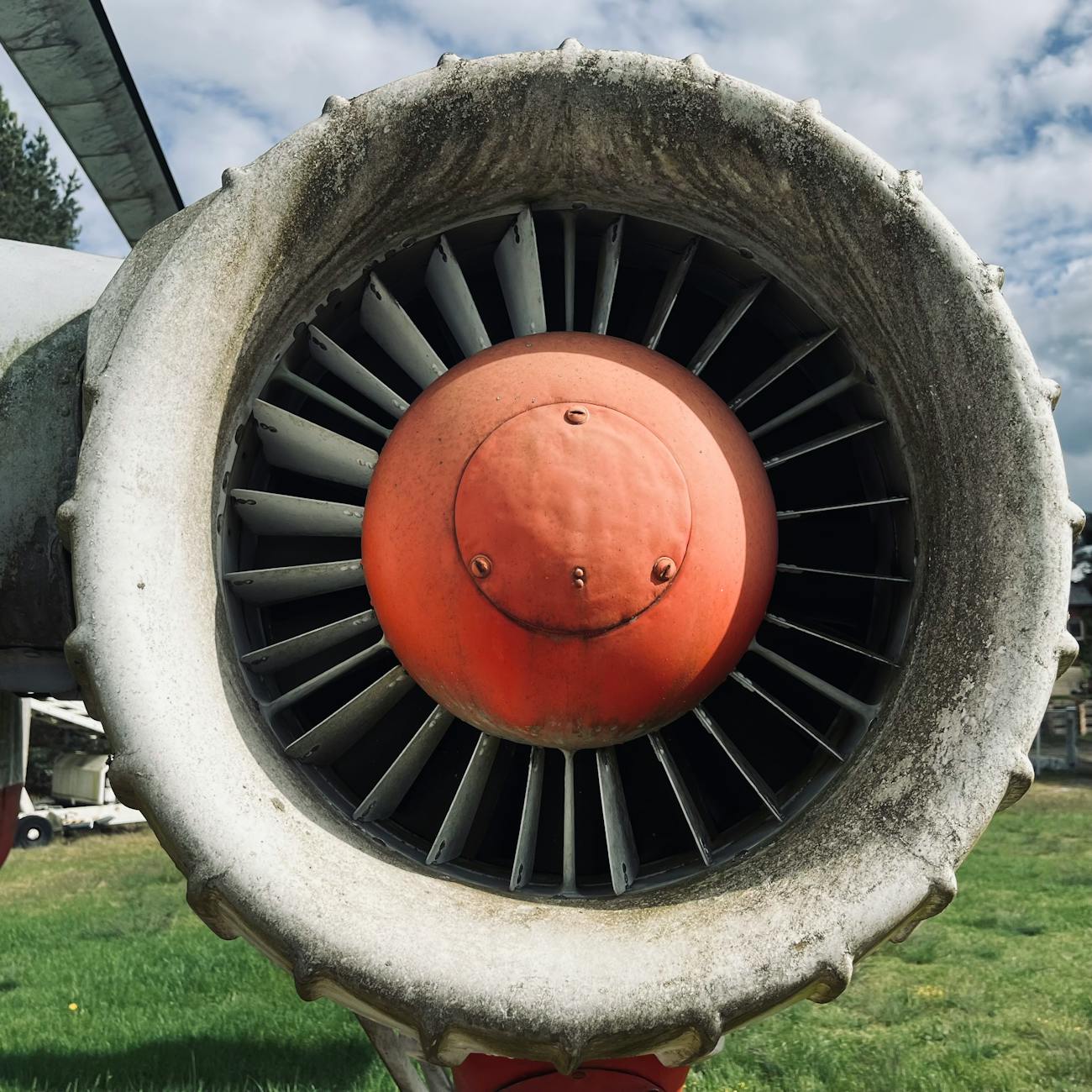
Regulatory Compliance in Aviation is a critical aspect of ensuring safety and adherence to established standards within the industry. It involves following a set of rules, regulations, and guidelines put in place by aviation authorities to guarantee the safe operation of aircraft and the protection of passengers, crew, and the general public. This course on Postgraduate Certificate in Aviation Safety and Compliance Management delves deep into the key terms and vocabulary associated with regulatory compliance in aviation to provide a comprehensive understanding of the subject matter.
1. **International Civil Aviation Organization (ICAO)**: The ICAO is a specialized agency of the United Nations that sets international standards and regulations for aviation safety and security. It works to ensure the safe and orderly growth of international civil aviation throughout the world.
2. **Federal Aviation Administration (FAA)**: The FAA is the national aviation authority of the United States responsible for regulating all aspects of civil aviation. It sets and enforces safety standards, issues licenses to pilots and aircraft, and oversees air traffic control.
3. **European Union Aviation Safety Agency (EASA)**: EASA is the regulatory body for civil aviation safety in the European Union. It develops common safety rules and regulations to ensure a high level of safety and environmental protection in aviation.
4. **Airworthiness**: Airworthiness refers to the condition of an aircraft and its components that allows it to safely operate in the air. Aircraft must meet airworthiness standards set by regulatory authorities to be considered safe for flight.
5. **Safety Management System (SMS)**: An SMS is a systematic approach to managing safety risks in aviation operations. It involves identifying hazards, assessing risks, implementing safety measures, and continuously monitoring and improving safety performance.
6. **Compliance Monitoring**: Compliance monitoring involves the systematic review and assessment of an organization's adherence to regulatory requirements. It ensures that all operations and practices comply with relevant regulations and standards.
7. **Audit**: An audit is a formal examination of an organization's processes, procedures, and practices to determine compliance with regulatory requirements. Audits help identify areas of non-compliance and opportunities for improvement.
8. **Quality Assurance**: Quality assurance involves activities that ensure compliance with established standards and procedures to achieve a high level of quality in products or services. It focuses on preventing defects and errors before they occur.
9. **Risk Management**: Risk management is the process of identifying, assessing, and mitigating risks that could impact the safety and security of aviation operations. It involves implementing measures to reduce the likelihood of accidents or incidents.
10. **Non-Conformance**: Non-conformance refers to any deviation from established standards or requirements. It can result from errors, lapses in compliance, or failure to meet regulatory expectations. Non-conformances must be addressed and rectified to ensure compliance.
11. **Corrective Action**: Corrective action is the process of identifying and implementing measures to address non-conformances or deficiencies identified through audits or inspections. It aims to prevent recurrence of issues and improve compliance.
12. **Preventive Action**: Preventive action involves proactively identifying and addressing potential non-conformances before they occur. It focuses on eliminating root causes of problems to prevent future incidents or violations.
13. **Enforcement Action**: Enforcement action refers to measures taken by regulatory authorities to ensure compliance with regulations. It may include fines, penalties, sanctions, or other enforcement actions to address non-compliance and promote adherence to standards.
14. **Air Operator Certificate (AOC)**: An AOC is a certificate issued by a civil aviation authority to an airline or operator, allowing them to conduct commercial air transport operations. It demonstrates that the operator meets regulatory requirements for safety and compliance.
15. **Maintenance Organization Approval (MOA)**: MOA is a certification issued by regulatory authorities to maintenance organizations, indicating that they meet safety and quality standards for aircraft maintenance. It is required for organizations to perform maintenance on aircraft.
16. **Continuing Airworthiness Management Organization (CAMO)**: CAMO is an organization responsible for ensuring the airworthiness of aircraft throughout their operational life. It oversees maintenance, inspections, and airworthiness compliance to keep aircraft safe and operational.
17. **Flight Data Monitoring (FDM)**: FDM is a process of collecting, analyzing, and monitoring flight data to identify safety trends, operational issues, and potential hazards. It helps improve safety performance and prevent accidents through data-driven insights.
18. **Safety Performance Indicators (SPIs)**: SPIs are quantitative measures used to assess safety performance and monitor safety trends in aviation operations. They provide insights into safety risks, incidents, and compliance levels to support safety management.
19. **Safety Culture**: Safety culture refers to the values, attitudes, and behaviors related to safety within an organization. A positive safety culture promotes open communication, reporting of safety concerns, and a commitment to safety at all levels of the organization.
20. **Human Factors**: Human factors are psychological, physiological, and ergonomic factors that influence human performance in aviation. Understanding human factors helps identify risks, improve safety, and enhance human-machine interactions in aviation operations.
21. **Fatigue Risk Management**: Fatigue risk management involves identifying and mitigating risks associated with fatigue in aviation operations. It aims to prevent fatigue-related errors, accidents, and incidents by implementing strategies to manage fatigue effectively.
22. **Safety Management Training**: Safety management training provides individuals with the knowledge, skills, and tools needed to effectively manage safety risks in aviation operations. It covers topics such as risk assessment, safety reporting, and safety culture.
23. **Incident Reporting**: Incident reporting is the process of documenting and reporting safety incidents, near misses, or hazards in aviation operations. It helps organizations identify trends, analyze risks, and implement corrective actions to improve safety.
24. **Safety Investigation**: Safety investigation involves conducting thorough investigations into accidents, incidents, or safety concerns to determine their causes and contributing factors. It aims to prevent recurrence and improve safety through lessons learned.
25. **Compliance Documentation**: Compliance documentation includes records, reports, manuals, and other documents that demonstrate adherence to regulatory requirements. It is essential for maintaining compliance and demonstrating a commitment to safety in aviation.
26. **Regulatory Framework**: The regulatory framework comprises laws, regulations, standards, and guidelines established by aviation authorities to ensure safety, security, and compliance in aviation operations. It provides the legal basis for regulatory oversight and enforcement.
27. **Regulatory Oversight**: Regulatory oversight refers to the monitoring, supervision, and enforcement of regulatory requirements by civil aviation authorities. It ensures that operators, organizations, and individuals comply with safety regulations and standards.
28. **Safety Management System (SMS) Implementation**: SMS implementation involves establishing and integrating a safety management system into an organization's operations. It includes developing policies, procedures, and processes to manage safety risks effectively.
29. **Safety Performance Monitoring**: Safety performance monitoring involves tracking, analyzing, and evaluating safety performance indicators to assess the effectiveness of safety management systems. It helps identify areas for improvement and measure safety outcomes.
30. **Compliance Auditing**: Compliance auditing is the process of conducting audits to assess an organization's compliance with regulatory requirements. It involves reviewing documentation, practices, and processes to ensure adherence to standards and identify non-conformances.
31. **Quality Management System (QMS)**: A QMS is a set of policies, processes, and procedures designed to ensure quality and compliance in operations. It focuses on meeting customer requirements, improving processes, and preventing defects or errors.
32. **Safety Reporting System**: A safety reporting system is a mechanism for employees to report safety concerns, incidents, or hazards within an organization. It encourages open communication, proactive reporting, and continuous improvement of safety practices.
33. **Regulatory Compliance Training**: Regulatory compliance training provides individuals with the knowledge and skills needed to comply with regulatory requirements in aviation. It covers topics such as regulations, procedures, and best practices for ensuring safety and compliance.
34. **Safety Data Analysis**: Safety data analysis involves analyzing data collected from safety reports, incident investigations, and safety monitoring systems to identify trends, patterns, and areas for improvement. It helps organizations make data-driven decisions to enhance safety.
35. **Emergency Response Planning**: Emergency response planning involves developing and implementing procedures to respond to emergencies, incidents, or crises in aviation operations. It aims to mitigate risks, protect personnel and assets, and ensure a coordinated response to emergencies.
36. **Regulatory Compliance Review**: Regulatory compliance review is the process of reviewing an organization's practices, procedures, and documentation to ensure compliance with regulatory requirements. It helps identify gaps, weaknesses, and opportunities for improvement in compliance.
37. **Safety Management System (SMS) Assessment**: SMS assessment involves evaluating the effectiveness of a safety management system in managing safety risks and ensuring compliance. It includes assessing processes, procedures, and outcomes to identify strengths and weaknesses in the SMS.
38. **Regulatory Compliance Monitoring**: Regulatory compliance monitoring involves ongoing surveillance of an organization's compliance with regulatory requirements. It includes regular audits, inspections, and reviews to ensure adherence to standards and identify areas for improvement.
39. **Safety Culture Assessment**: Safety culture assessment involves evaluating the attitudes, behaviors, and practices related to safety within an organization. It helps identify strengths and weaknesses in safety culture, address gaps, and promote a positive safety culture.
40. **Safety Management System (SMS) Implementation Plan**: An SMS implementation plan outlines the steps, timelines, and responsibilities for integrating a safety management system into an organization's operations. It provides a roadmap for effectively implementing and maintaining the SMS.
41. **Regulatory Compliance Certification**: Regulatory compliance certification is a formal recognition by regulatory authorities that an organization meets established standards and requirements. It demonstrates a commitment to safety, compliance, and quality in aviation operations.
42. **Safety Management System (SMS) Gap Analysis**: An SMS gap analysis involves comparing an organization's existing safety management system with regulatory requirements and best practices to identify gaps or deficiencies. It helps prioritize actions for improving safety and compliance.
43. **Regulatory Compliance Reporting**: Regulatory compliance reporting involves documenting and reporting on an organization's compliance with regulatory requirements. It includes preparing reports, records, and documentation to demonstrate adherence to standards and regulations.
44. **Safety Performance Improvement**: Safety performance improvement involves implementing measures to enhance safety outcomes, reduce risks, and improve safety culture in aviation operations. It aims to continually improve safety performance and prevent accidents or incidents.
45. **Compliance Management System**: A compliance management system is a set of processes, tools, and procedures designed to ensure compliance with regulatory requirements. It helps organizations monitor, assess, and improve compliance to meet legal and operational obligations.
46. **Safety Risk Assessment**: Safety risk assessment involves identifying, analyzing, and evaluating safety risks in aviation operations. It helps organizations understand potential hazards, assess the likelihood and consequences of risks, and implement measures to mitigate them.
47. **Regulatory Compliance Framework**: A regulatory compliance framework outlines the policies, procedures, and controls that govern compliance with regulatory requirements. It provides a structured approach to managing compliance and ensuring adherence to standards.
48. **Safety Management System (SMS) Training**: SMS training provides employees with the knowledge and skills needed to effectively implement and maintain a safety management system. It covers topics such as risk management, safety reporting, and safety culture.
49. **Regulatory Compliance Assurance**: Regulatory compliance assurance involves verifying that an organization meets regulatory requirements and standards. It includes monitoring, auditing, and reporting on compliance to ensure adherence to regulations and promote a culture of compliance.
50. **Safety Management System (SMS) Review**: An SMS review involves evaluating the effectiveness of a safety management system in achieving safety objectives and regulatory compliance. It includes assessing processes, performance indicators, and outcomes to identify areas for improvement.
In conclusion, understanding the key terms and vocabulary associated with regulatory compliance in aviation is essential for professionals in the industry to ensure safety, compliance, and operational excellence. This course provides a comprehensive overview of these concepts to equip learners with the knowledge and skills needed to effectively manage safety and compliance in aviation operations. By mastering these key terms and concepts, professionals can contribute to a culture of safety, excellence, and regulatory compliance in the aviation industry.
Key takeaways
- It involves following a set of rules, regulations, and guidelines put in place by aviation authorities to guarantee the safe operation of aircraft and the protection of passengers, crew, and the general public.
- **International Civil Aviation Organization (ICAO)**: The ICAO is a specialized agency of the United Nations that sets international standards and regulations for aviation safety and security.
- **Federal Aviation Administration (FAA)**: The FAA is the national aviation authority of the United States responsible for regulating all aspects of civil aviation.
- **European Union Aviation Safety Agency (EASA)**: EASA is the regulatory body for civil aviation safety in the European Union.
- **Airworthiness**: Airworthiness refers to the condition of an aircraft and its components that allows it to safely operate in the air.
- It involves identifying hazards, assessing risks, implementing safety measures, and continuously monitoring and improving safety performance.
- **Compliance Monitoring**: Compliance monitoring involves the systematic review and assessment of an organization's adherence to regulatory requirements.