
Low Vision and Assistive Technology
Low Vision Low vision refers to a condition where an individual experiences significant visual impairment that is not correctable through glasses, contact lenses, medication, or surgery. People with low vision typically have a visual acuity…
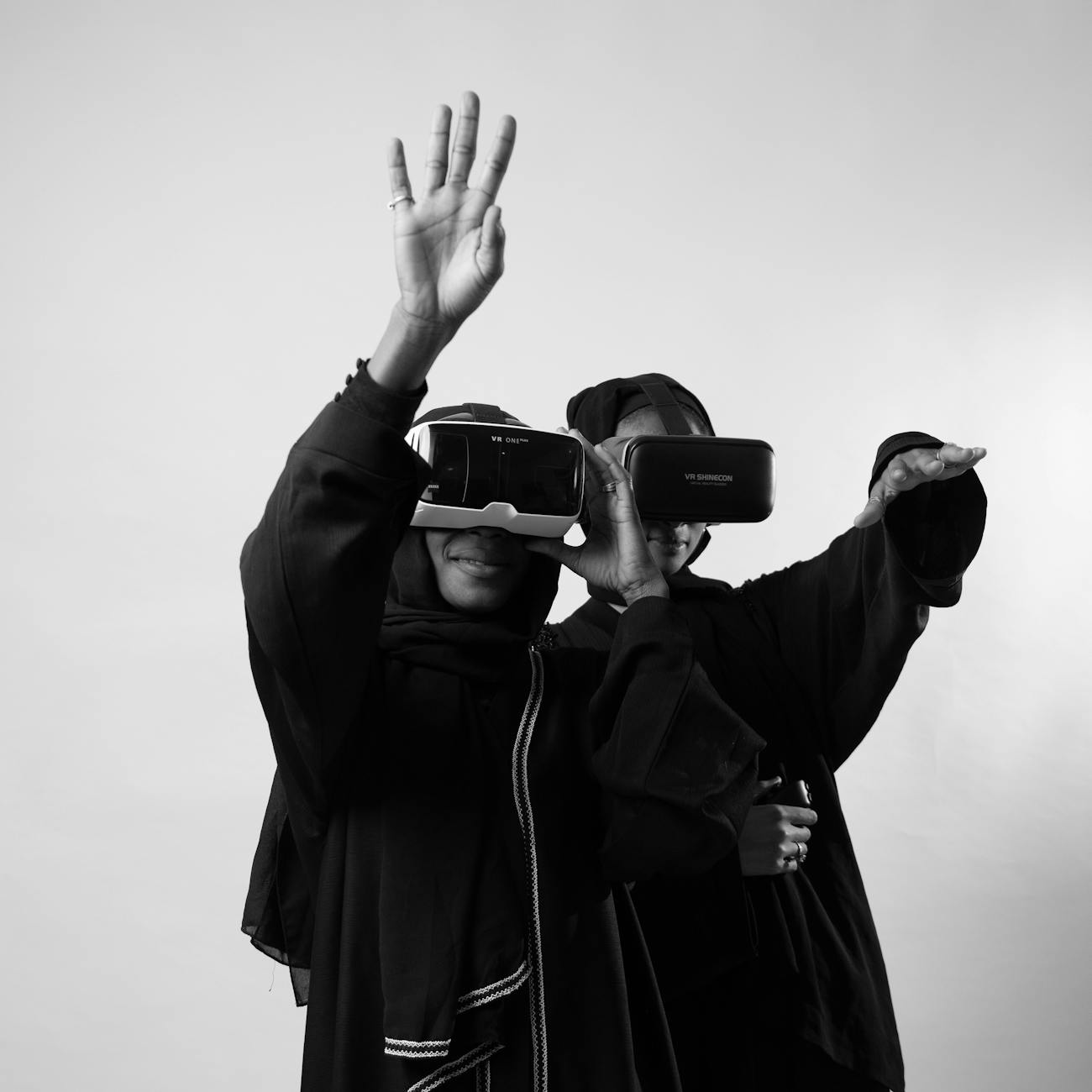
Low Vision Low vision refers to a condition where an individual experiences significant visual impairment that is not correctable through glasses, contact lenses, medication, or surgery. People with low vision typically have a visual acuity of 20/70 or worse in their better eye, or a visual field of less than 20 degrees. Low vision can result from a variety of eye conditions such as macular degeneration, diabetic retinopathy, glaucoma, and cataracts. It can significantly impact a person's ability to perform daily activities such as reading, driving, and recognizing faces.
Assistive Technology Assistive technology encompasses devices, equipment, and software that are designed to help individuals with disabilities, including those with low vision, to perform tasks that they would otherwise find challenging or impossible. In the context of low vision, assistive technology can range from simple magnifiers to complex computer programs that convert text to speech. These tools can greatly enhance the independence and quality of life of individuals with low vision by enabling them to access information, communicate, and engage in various activities.
Visual Impairment Visual impairment is a broad term that encompasses any degree of vision loss that cannot be corrected with glasses, contact lenses, medication, or surgery. It includes conditions ranging from mild visual impairment to total blindness. Visual impairment can be caused by various eye conditions, diseases, or injuries, and can have a significant impact on an individual's ability to perform daily tasks and activities.
Occupational Therapy Occupational therapy is a healthcare profession that focuses on helping individuals with disabilities or injuries to engage in meaningful and purposeful activities or occupations. Occupational therapists work with clients to develop, improve, or restore the skills needed to perform activities of daily living, work, leisure, and social participation. In the context of visual impairment, occupational therapists play a crucial role in assessing clients' functional abilities, identifying barriers to participation, and recommending appropriate interventions and assistive technology.
Visual Acuity Visual acuity is a measure of the clarity or sharpness of vision, typically measured using a Snellen chart. It is expressed as a fraction, with the numerator representing the distance at which the test is performed (usually 20 feet) and the denominator representing the distance at which a person with normal vision could read the same line. For example, if a person has 20/20 vision, it means they can read at 20 feet what a person with normal vision can read at 20 feet. Visual acuity is an important factor in determining the level of visual impairment and the need for assistive technology.
Visual Field The visual field refers to the extent of the area that can be seen by an individual while looking straight ahead. A normal visual field is around 170-180 degrees horizontally and 120-130 degrees vertically. A reduced visual field, known as tunnel vision, can result from conditions such as glaucoma or retinitis pigmentosa. Individuals with a restricted visual field may have difficulty navigating their environment, avoiding obstacles, and recognizing objects or people in their periphery.
Macular Degeneration Macular degeneration is a progressive eye disease that affects the macula, the central part of the retina responsible for sharp, central vision. It is a leading cause of vision loss in older adults and can result in blurred or distorted vision, difficulty reading or recognizing faces, and a dark or empty area in the center of the visual field. Macular degeneration can significantly impact an individual's ability to perform tasks that require detailed or central vision, such as reading, driving, and watching television.
Diabetic Retinopathy Diabetic retinopathy is a complication of diabetes that affects the blood vessels in the retina, leading to vision loss. It can cause symptoms such as blurred or distorted vision, floaters, and difficulty seeing at night. Diabetic retinopathy can progress to more severe stages, including proliferative diabetic retinopathy, which can result in vision loss or blindness. Individuals with diabetic retinopathy may benefit from regular eye exams, blood sugar control, and interventions such as laser treatment or injections to preserve their vision.
Glaucoma Glaucoma is a group of eye conditions that damage the optic nerve, often due to elevated intraocular pressure. It is a leading cause of irreversible blindness worldwide and can result in peripheral vision loss, tunnel vision, and eventually central vision loss. Glaucoma is often asymptomatic in its early stages, making regular eye exams crucial for early detection and treatment. Individuals with glaucoma may benefit from medications, laser therapy, or surgery to reduce intraocular pressure and preserve their remaining vision.
Cataracts Cataracts are a common age-related eye condition characterized by the clouding of the lens, leading to blurred or hazy vision. Cataracts can cause glare sensitivity, reduced color vision, and difficulty seeing in low light conditions. While cataracts can be corrected through surgery, individuals with severe cataracts may experience visual impairment that affects their daily activities. Assistive technology such as magnifiers, contrast-enhancing filters, or adaptive lighting can help individuals with cataracts to better manage their vision and maintain their independence.
Magnifiers Magnifiers are optical devices that magnify objects or text to make them easier to see for individuals with low vision. They come in various forms, including handheld magnifiers, stand magnifiers, electronic magnifiers, and magnifying glasses. Magnifiers can be used for reading books, newspapers, labels, and other printed materials, as well as for viewing objects at a distance. They are a simple and cost-effective assistive technology tool that can greatly improve the visual accessibility of individuals with low vision.
Screen Readers Screen readers are software programs that convert text on a computer screen into speech or Braille output for individuals with visual impairments. They allow users to navigate websites, documents, emails, and other digital content by listening to the synthesized speech or Braille display. Screen readers often include features such as voice commands, text highlighting, and customizable settings to accommodate different reading preferences. Popular screen readers include JAWS, NVDA, and VoiceOver, which are widely used by individuals with low vision to access information and communicate online.
Optical Character Recognition (OCR) Optical Character Recognition (OCR) is a technology that converts printed text into digital text that can be read by a computer or assistive technology device. OCR software is commonly used by individuals with low vision to scan and convert printed documents, such as books, magazines, and handwritten notes, into accessible formats. OCR technology can also be integrated into screen readers, magnifiers, and mobile apps to enhance the reading experience and improve the independence of individuals with visual impairments.
Voice Recognition Software Voice recognition software, also known as speech recognition software, allows users to control a computer or device using spoken commands. It enables individuals with visual impairments or physical disabilities to access information, navigate digital content, and dictate text without the need for a keyboard or mouse. Voice recognition software can be used to compose emails, browse the web, create documents, and interact with applications hands-free. Popular voice recognition software includes Dragon NaturallySpeaking, Google Assistant, and Siri, which have advanced features for accuracy and customization.
Braille Displays Braille displays are tactile devices that convert digital text into Braille characters for individuals who are blind or have low vision. They consist of a row of refreshable Braille cells that raise and lower pins to display Braille characters corresponding to the text on the screen. Braille displays are used in conjunction with screen readers or Braille note-taking devices to provide access to digital content, such as emails, documents, and websites, in a tactile format. They are essential assistive technology tools for individuals who rely on Braille as their primary means of reading and communication.
Smart Glasses Smart glasses are wearable technology devices that incorporate features such as augmented reality, voice commands, and visual assistance to enhance the vision and functionality of individuals with low vision. They can provide real-time magnification, contrast enhancement, object recognition, navigation assistance, and text-to-speech capabilities to help users navigate their environment and access information. Smart glasses can be customized with various applications and settings to meet the specific needs and preferences of individuals with low vision, making them a versatile and innovative assistive technology solution.
Color Contrast Color contrast refers to the difference in brightness and hue between two colors, which affects the visibility and legibility of text, objects, and images for individuals with low vision. High color contrast, such as black text on a white background, is easier to perceive and distinguish for individuals with visual impairments. Low color contrast, such as gray text on a light gray background, can cause eyestrain, difficulty reading, and reduced visibility for individuals with low vision. Designing materials, websites, and environments with appropriate color contrast is essential for ensuring accessibility and inclusivity for individuals with visual impairments.
Orientation and Mobility Orientation and mobility (O&M) refers to the skills and techniques that individuals with visual impairments use to navigate their environment safely and independently. O&M training teaches individuals how to use mobility aids, such as canes or guide dogs, to travel outdoors, cross streets, and navigate obstacles. It also includes orientation skills, such as understanding directions, landmarks, and spatial relationships, to help individuals maintain their orientation in unfamiliar or changing environments. O&M training is essential for promoting the independence, confidence, and safety of individuals with visual impairments in their daily lives.
Accessible Design Accessible design, also known as universal design or inclusive design, involves creating products, environments, and technologies that are usable by people of all abilities, including those with disabilities. In the context of low vision, accessible design principles focus on ensuring that information, products, and environments are perceivable, operable, understandable, and robust for individuals with visual impairments. This includes considerations such as providing alternative formats, using clear and simple language, incorporating tactile cues, and optimizing lighting and contrast to enhance accessibility and usability for individuals with low vision.
Visual Fatigue Visual fatigue, also known as eye strain or asthenopia, refers to the discomfort or fatigue experienced by individuals after prolonged or intense visual tasks, such as reading, using a computer, or driving. It can manifest as symptoms such as eye strain, headaches, blurred vision, dry eyes, and difficulty focusing. Visual fatigue is common among individuals with low vision due to the increased effort and concentration required to overcome visual challenges. Managing visual fatigue involves taking regular breaks, adjusting lighting and contrast, using ergonomic workstations, and practicing good eye care habits to prevent strain and discomfort.
Functional Vision Assessment A functional vision assessment is a comprehensive evaluation conducted by a vision specialist, such as an optometrist or ophthalmologist, to assess an individual's visual abilities, needs, and challenges in performing daily activities. The assessment includes tests of visual acuity, visual field, contrast sensitivity, color vision, and eye coordination, as well as observations of how the individual uses their vision in various tasks. The results of a functional vision assessment help to identify the level of visual impairment, determine the impact on daily living, and guide recommendations for interventions, accommodations, and assistive technology.
Environmental Modifications Environmental modifications involve adapting the physical environment to accommodate the needs and preferences of individuals with visual impairments. This can include optimizing lighting conditions, reducing glare, enhancing color contrast, removing obstacles, and labeling objects or areas with tactile cues. Environmental modifications aim to create a safe, accessible, and user-friendly environment for individuals with low vision to navigate independently and perform daily tasks effectively. By making simple adjustments to the environment, such as organizing furniture, using clear signage, and eliminating hazards, it can significantly improve the quality of life and autonomy of individuals with visual impairments.
Wayfinding Wayfinding refers to the process of navigating and orienting oneself within an environment to reach a destination or goal. Individuals with visual impairments often face challenges with wayfinding due to reduced visual cues, obstacles, and unfamiliar surroundings. Wayfinding strategies for individuals with low vision may include using auditory cues, tactile landmarks, verbal directions, and electronic navigation devices to guide them through indoor and outdoor spaces. By incorporating wayfinding techniques and assistive technology tools, such as GPS apps or tactile maps, individuals with low vision can enhance their independence, confidence, and mobility in various settings.
Adaptive Strategies Adaptive strategies are techniques, skills, or behaviors that individuals with visual impairments use to overcome challenges, compensate for limitations, and achieve their goals in daily activities. Adaptive strategies may include using assistive technology devices, modifying tasks or environments, seeking assistance from others, and developing alternative approaches to tasks. By implementing adaptive strategies, individuals with low vision can maximize their independence, efficiency, and success in performing tasks at home, work, school, or in the community. Occupational therapists play a key role in teaching and supporting individuals with visual impairments to develop and implement effective adaptive strategies that enhance their functional abilities and quality of life.
Social Support Social support refers to the emotional, practical, and informational assistance provided by family members, friends, caregivers, and professionals to individuals with visual impairments. Social support plays a crucial role in helping individuals with low vision cope with the challenges of their condition, access resources and services, participate in social activities, and maintain their independence. By building a strong support network and fostering positive relationships, individuals with visual impairments can enhance their well-being, resilience, and quality of life. Occupational therapists collaborate with clients, families, and community organizations to promote social support, advocacy, and empowerment for individuals with visual impairments.
Independent Living Skills Independent living skills, also known as activities of daily living (ADLs) and instrumental activities of daily living (IADLs), are the basic self-care and household tasks that individuals perform to maintain their health, hygiene, and well-being. For individuals with visual impairments, independent living skills may include tasks such as grooming, dressing, cooking, cleaning, managing finances, using transportation, and shopping. Occupational therapists work with individuals with low vision to assess their abilities, identify barriers to independence, and provide training, education, and assistive technology to support the development of functional skills and promote autonomy in daily living.
Rehabilitation Services Rehabilitation services encompass a range of interventions, programs, and resources designed to help individuals with disabilities, including those with visual impairments, to restore or enhance their functional abilities, independence, and quality of life. Rehabilitation services for individuals with low vision may include vision therapy, orientation and mobility training, assistive technology assessments, counseling, vocational rehabilitation, and community reintegration programs. These services aim to address the physical, cognitive, emotional, and social needs of individuals with visual impairments and empower them to achieve their goals and participate fully in society.
Visual Perception Visual perception refers to the process by which the brain interprets and organizes visual information received from the eyes to make sense of the surrounding environment. It involves the ability to recognize shapes, objects, colors, depth, and spatial relationships, as well as to interpret visual patterns, textures, and movements. Individuals with visual impairments may experience challenges with visual perception, such as recognizing faces, judging distances, or differentiating between similar objects. Occupational therapists use interventions, such as visual scanning exercises, contrast enhancement techniques, and sensory integration activities, to improve visual perception and enhance functional abilities for individuals with low vision.
Rehabilitation Technology Rehabilitation technology refers to devices, equipment, and systems that are used to support the rehabilitation and functional independence of individuals with disabilities, including those with visual impairments. It includes a wide range of assistive technology tools, such as mobility aids, communication devices, adaptive software, and smart devices, that help individuals with low vision to perform daily tasks, access information, communicate, and engage in activities. Rehabilitation technology is tailored to the specific needs and goals of each individual, with a focus on enhancing their abilities, promoting participation, and improving their overall well-being.
Visual Adaptation Visual adaptation refers to the process by which the visual system adjusts to changes in lighting conditions, contrast levels, or viewing distances to optimize visual performance. Individuals with visual impairments may have reduced or altered visual adaptation abilities, leading to difficulties in transitioning between different environments, tasks, or visual stimuli. Occupational therapists work with individuals with low vision to develop strategies for visual adaptation, such as adjusting lighting, using color filters, and practicing visual exercises, to enhance their visual comfort, clarity, and efficiency in various activities.
Advocacy and Rights Advocacy and rights refer to the efforts and actions taken to promote the rights, needs, and interests of individuals with visual impairments within society, organizations, and public policies. Advocacy involves raising awareness, challenging discrimination, and influencing decision-makers to ensure equal access to opportunities, resources, and services for individuals with low vision. Occupational therapists advocate for their clients' rights to receive appropriate education, healthcare, employment, and community support, as well as for the development of inclusive and accessible environments that empower individuals with visual impairments to live independently and participate fully in society.
Visual Rehabilitation Visual rehabilitation is a multidisciplinary approach to helping individuals with visual impairments maximize their remaining vision, develop compensatory skills, and adapt to their visual challenges. It involves a combination of interventions, such as vision therapy, assistive technology training, environmental modifications, and psychosocial support, to address the physical, functional, and emotional aspects of visual impairment. Visual rehabilitation aims to improve visual function, enhance quality of life, and promote independence for individuals with low vision by equipping them with the skills, tools, and resources needed to overcome barriers and achieve their goals.
Community Resources Community resources are organizations, services, and facilities within the community that provide support, education, and assistance to individuals with visual impairments and their families. These resources may include vision rehabilitation centers, support groups, advocacy organizations, low vision clinics, vocational training programs, accessible transportation services, and recreational activities. Community resources play a vital role in connecting individuals with low vision to valuable information, services, and opportunities that enhance their independence, well-being, and social participation. Occupational therapists collaborate with community resources to provide holistic care and support to individuals with visual impairments in their local communities.
Adaptive Devices Adaptive devices are specialized tools, equipment, or aids that are designed to help individuals with disabilities, including those with visual impairments, to perform tasks, access information, and participate in activities. Adaptive devices for individuals with low vision may include magnifiers, talking watches, large print calendars, tactile maps, voice-activated devices, and Braille embossers. These devices are customized to meet the unique needs and preferences of each individual, enabling them to overcome visual challenges, enhance their independence, and engage in daily activities with greater ease and confidence.
Visual Stimulation Visual stimulation refers to the use of visual cues, patterns, colors, and activities to engage and enhance the visual abilities of individuals with visual impairments. It involves providing visual experiences that are stimulating, meaningful, and enjoyable to promote visual development, perception, and engagement. Visual stimulation
Key takeaways
- Low Vision Low vision refers to a condition where an individual experiences significant visual impairment that is not correctable through glasses, contact lenses, medication, or surgery.
- These tools can greatly enhance the independence and quality of life of individuals with low vision by enabling them to access information, communicate, and engage in various activities.
- Visual impairment can be caused by various eye conditions, diseases, or injuries, and can have a significant impact on an individual's ability to perform daily tasks and activities.
- In the context of visual impairment, occupational therapists play a crucial role in assessing clients' functional abilities, identifying barriers to participation, and recommending appropriate interventions and assistive technology.
- It is expressed as a fraction, with the numerator representing the distance at which the test is performed (usually 20 feet) and the denominator representing the distance at which a person with normal vision could read the same line.
- Individuals with a restricted visual field may have difficulty navigating their environment, avoiding obstacles, and recognizing objects or people in their periphery.
- It is a leading cause of vision loss in older adults and can result in blurred or distorted vision, difficulty reading or recognizing faces, and a dark or empty area in the center of the visual field.