
Cruise Ship Law
Cruise Ship Law is a specialized area of maritime law that pertains to legal issues and regulations related to cruise ships. As the cruise industry continues to grow, so does the need for legal expertise in this field. Understanding key ter…
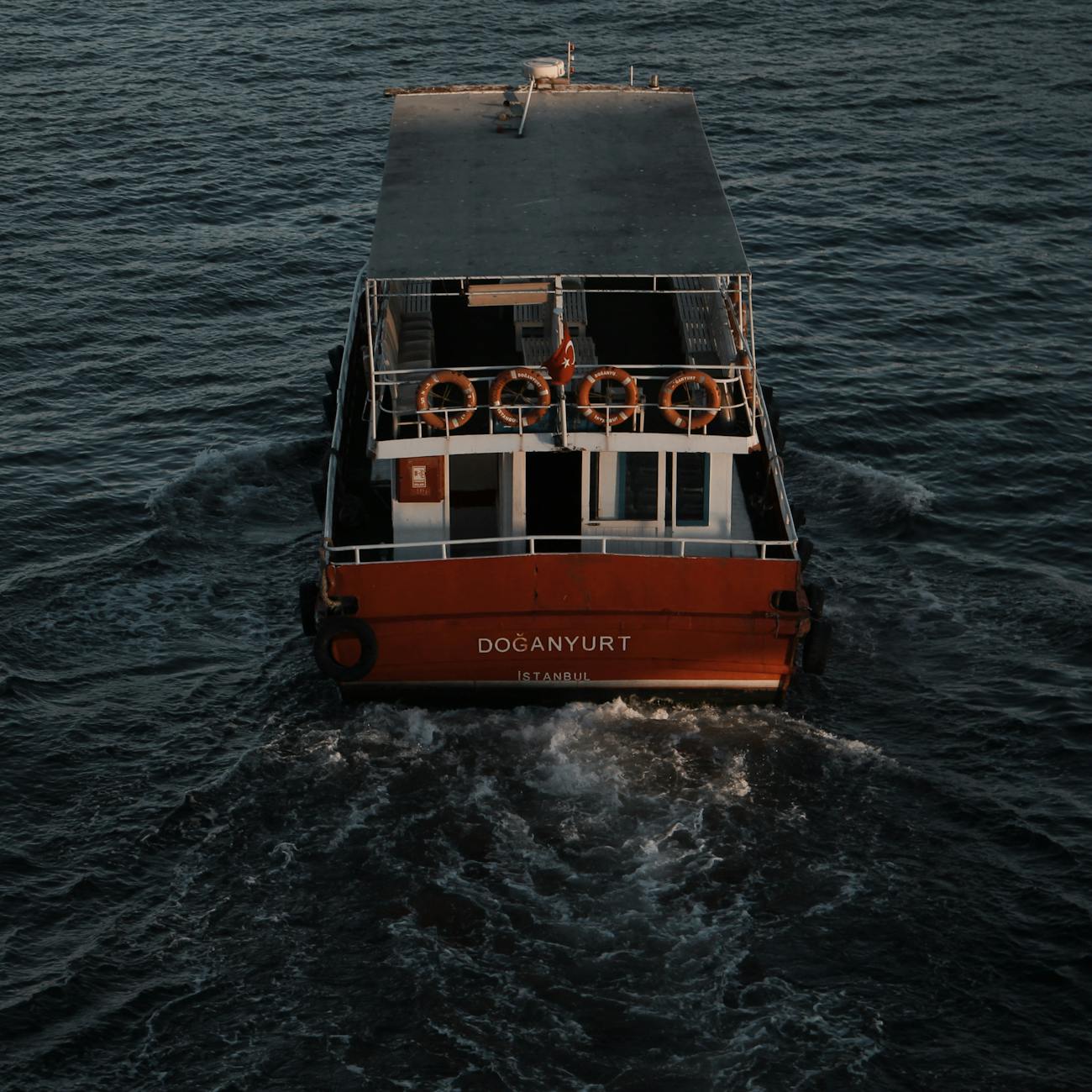
Cruise Ship Law is a specialized area of maritime law that pertains to legal issues and regulations related to cruise ships. As the cruise industry continues to grow, so does the need for legal expertise in this field. Understanding key terms and vocabulary in Cruise Ship Law is essential for professionals in the maritime industry, including lawyers, ship owners, operators, and crew members. This comprehensive guide will cover essential terms and concepts in Cruise Ship Law to provide a solid foundation for those studying or working in this area.
Admiralty Law is the body of law that governs maritime matters, including maritime commerce, navigation, and seafaring. It encompasses both domestic and international laws that regulate ships, shipping, and other waterborne activities. Admiralty Law plays a crucial role in Cruise Ship Law as it provides the legal framework for resolving disputes and ensuring compliance with applicable regulations.
International Maritime Organization (IMO) is a specialized agency of the United Nations responsible for regulating shipping on a global scale. The IMO sets standards for safety, security, and environmental protection in the maritime industry. Cruise ships must comply with IMO regulations to ensure the safety of passengers, crew, and the environment.
Flag State refers to the country under whose flag a ship is registered. The flag state has jurisdiction over the vessel and is responsible for enforcing regulations, conducting inspections, and issuing certifications. Cruise ships often register under flags of convenience to take advantage of favorable regulations and lower operating costs.
Port State Control is the inspection regime carried out by coastal states to ensure that foreign-flagged vessels visiting their ports comply with international regulations. Port state control inspections may cover various aspects of a cruise ship, including safety equipment, crew qualifications, and environmental compliance. Non-compliance can result in detention or other penalties.
International Convention for the Safety of Life at Sea (SOLAS) is an international treaty that sets minimum safety standards for ships, including cruise ships. SOLAS covers a wide range of safety requirements, such as lifesaving equipment, fire protection, and navigation systems. Compliance with SOLAS is essential for cruise ships to ensure the safety of passengers and crew.
International Convention for the Prevention of Pollution from Ships (MARPOL) is another key international treaty that aims to prevent marine pollution by ships. MARPOL sets limits on emissions, discharges, and waste disposal from ships, including cruise ships. Compliance with MARPOL is essential to protect the marine environment and avoid penalties for pollution violations.
Passenger Ship Safety Certificate is a certification issued to cruise ships that have demonstrated compliance with international safety standards, including SOLAS. The certificate confirms that the vessel meets the required safety requirements for carrying passengers. Cruise ships must undergo regular inspections to maintain their passenger ship safety certificate.
Shipowner is the legal owner of a vessel, including cruise ships. The shipowner is responsible for the operation, maintenance, and safety of the vessel, as well as compliance with applicable laws and regulations. Shipowners may be liable for any damages or injuries resulting from accidents or negligence on board the cruise ship.
Cruise Line is a company that operates cruise ships and offers passenger services for leisure travel. Cruise lines provide various amenities and activities on board, including dining, entertainment, and shore excursions. Passengers book cruises with cruise lines to enjoy a vacation experience at sea.
Passenger Ticket Contract is a legal agreement between a cruise line and a passenger that outlines the terms and conditions of the cruise. The passenger ticket contract typically includes provisions on cancellation policies, liability limitations, and dispute resolution mechanisms. Passengers are bound by the terms of the ticket contract when they purchase a cruise.
Cabotage Laws are regulations that restrict the transportation of passengers or cargo between ports within a country to vessels registered in that country. Cabotage laws protect the domestic shipping industry from foreign competition and govern the operation of cruise ships in domestic waters. Cruise lines must comply with cabotage laws when operating in different countries.
Jones Act is a federal law in the United States that regulates maritime commerce and requires vessels transporting goods or passengers between U.S. ports to be built, owned, and crewed by U.S. citizens or permanent residents. The Jones Act applies to cruise ships operating in U.S. waters and imposes restrictions on foreign-flagged vessels.
Limitation of Liability is a legal principle that allows shipowners to limit their liability for damages or losses resulting from maritime incidents, such as shipwrecks or collisions. Shipowners can invoke limitation of liability under certain conditions, such as proving that they were not personally at fault for the incident. Limitation of liability can protect shipowners from excessive financial liabilities.
Passenger Rights are legal protections afforded to cruise ship passengers to ensure their safety, security, and well-being while on board. Passengers have rights to a safe and healthy environment, adequate medical care, and protection from discrimination or harassment. Cruise lines must respect and uphold the rights of passengers under applicable laws and regulations.
Maritime Insurance is a type of insurance that provides coverage for risks and liabilities associated with maritime activities, including cruise ship operations. Maritime insurance may include coverage for hull damage, liability claims, pollution incidents, and crew injuries. Cruise lines purchase maritime insurance to mitigate financial risks and protect their assets.
Personal Injury Claims are legal actions brought by individuals who have suffered injuries or damages due to negligence or wrongdoing on a cruise ship. Passengers or crew members may file personal injury claims against the cruise line or shipowner to seek compensation for medical expenses, lost wages, pain and suffering, or other damages. Personal injury claims in Cruise Ship Law require proof of negligence or fault on the part of the defendant.
Class Action Lawsuits are legal proceedings in which a group of individuals collectively sue a defendant for similar claims or damages. Class action lawsuits may arise in Cruise Ship Law when multiple passengers or crew members experience common issues or injuries on a cruise ship. Class actions can streamline litigation and provide a more efficient way to resolve disputes involving large groups of claimants.
Arbitration is a method of alternative dispute resolution in which parties agree to submit their legal disputes to a neutral arbitrator for a binding decision. Arbitration is commonly used in Cruise Ship Law to resolve conflicts between passengers, crew members, and cruise lines outside of the traditional court system. Arbitration can be faster, less costly, and more confidential than litigation.
Environmental Compliance refers to the adherence to environmental laws and regulations by cruise ships to minimize their impact on the marine environment. Cruise ships must comply with international treaties such as MARPOL and local regulations to prevent pollution, reduce emissions, and protect marine ecosystems. Environmental compliance is essential for sustainable cruise ship operations and preserving the health of the oceans.
Medical Care at Sea is the provision of healthcare services on board cruise ships to passengers and crew members in need of medical attention. Cruise ships are required to have medical facilities, trained medical staff, and emergency response protocols to address medical emergencies at sea. Medical care at sea aims to ensure the health and safety of individuals on board and provide timely treatment for illnesses or injuries.
Maritime Security encompasses measures to protect cruise ships, passengers, and crew members from security threats, such as piracy, terrorism, or criminal activities. Cruise ships implement security protocols, surveillance systems, and onboard security personnel to maintain a safe and secure environment at sea. Maritime security is essential for the prevention of incidents and the protection of individuals on board.
Cruise Ship Itinerary is the planned route and schedule of ports of call for a cruise voyage. The itinerary details the destinations, duration of stay, and activities at each port visited by the cruise ship. Cruise lines design itineraries to offer diverse experiences to passengers, including cultural excursions, recreational activities, and scenic tours. Passengers select cruises based on the destinations and activities included in the itinerary.
Shore Excursions are organized tours or activities that passengers can participate in at ports of call during a cruise. Shore excursions offer opportunities for sightseeing, shopping, dining, and recreational pursuits in each destination visited by the cruise ship. Passengers can book shore excursions through the cruise line or independently to explore local attractions and experience the culture of the region.
Maritime Labor Law governs the rights, obligations, and working conditions of maritime workers, including crew members on cruise ships. Maritime labor law covers issues such as wages, working hours, rest periods, and occupational health and safety. Cruise lines must comply with maritime labor regulations to ensure fair treatment and protection of crew members' rights.
Collision Regulations (COLREGs) are international rules that govern the navigation and conduct of vessels at sea to prevent collisions. COLREGs establish rights of way, signaling requirements, and maneuvering principles for ships operating in close proximity. Cruise ships must adhere to COLREGs to ensure safe navigation and avoid accidents or collisions with other vessels.
Pollution Prevention and Response Plan is a comprehensive strategy developed by cruise lines to prevent, mitigate, and respond to pollution incidents at sea. The plan outlines procedures for managing waste, discharges, and spills to minimize environmental impact and comply with regulatory requirements. Cruise ships must have pollution prevention and response plans in place to protect the marine environment and prevent pollution violations.
Emergency Response Plan is a preparedness strategy that cruise lines implement to address emergencies, incidents, and crises on board the ship. The emergency response plan includes protocols for evacuations, medical emergencies, fires, security threats, and natural disasters. Cruise ships conduct drills and training exercises to test the effectiveness of the emergency response plan and ensure the safety of passengers and crew in challenging situations.
Passenger Evacuation Procedures are protocols established by cruise lines to safely evacuate passengers from the vessel in case of emergencies or abandon ship situations. Passenger evacuation procedures include muster drills, lifeboat assignments, evacuation routes, and emergency signals to guide passengers to safety. Cruise ships must ensure that passengers are familiar with evacuation procedures and can evacuate the vessel efficiently in emergencies.
Maritime Salvage Law governs the legal principles and procedures for salvaging distressed vessels, cargo, or property at sea. Salvage law allows salvors to recover or assist in recovering ships or goods in peril in exchange for a salvage award. Cruise ships may require salvage services in emergencies such as shipwrecks, groundings, or engine failures to prevent further damage and ensure the safety of passengers and crew.
Ship Arrest is a legal process by which a vessel is detained or seized by authorities to enforce maritime claims or judgments against the shipowner. Ship arrest may occur in cases of unpaid debts, damages, or other legal disputes involving the cruise ship. The arrest of a cruise ship can impact its operations, schedules, and reputation, leading to financial losses for the shipowner.
Incident Investigation and Reporting are procedures that cruise lines follow to investigate and report accidents, incidents, or violations that occur on board the ship. Incident investigation aims to determine the causes of the event, identify contributing factors, and prevent similar incidents in the future. Cruise lines must report incidents to relevant authorities, such as flag states, port states, or regulatory agencies, to ensure transparency and compliance with reporting requirements.
Legal Jurisdiction refers to the authority of a court or legal system to hear and decide cases involving cruise ships. Legal jurisdiction may be determined by factors such as the location of the incident, the nationality of the parties involved, or the terms of the passenger ticket contract. Cruise Ship Law may involve multiple jurisdictions, requiring careful consideration of applicable laws and forums for resolving disputes.
Maritime Liens are legal claims or privileges that provide security interests in a vessel to secure payment for services, supplies, or damages provided to the ship. Maritime liens can be enforced by creditors or service providers to recover debts or costs incurred in relation to the cruise ship. Understanding maritime liens is essential for protecting creditors' rights and navigating financial transactions in the maritime industry.
Legal Remedies are actions or procedures available to parties to seek redress or resolve disputes in Cruise Ship Law. Legal remedies may include compensation, injunctions, damages, or specific performance to address breaches of contract, negligence, or other legal violations. Parties may pursue legal remedies through litigation, arbitration, or other dispute resolution mechanisms to enforce their rights and seek justice.
Flag State Jurisdiction is the authority of the flag state over its vessels, including cruise ships, regardless of their location. Flag states have jurisdiction to enforce their laws, regulations, and international obligations on vessels flying their flag. Cruise ships must comply with flag state requirements and may be subject to inspections, investigations, or legal actions by the flag state authorities.
Maritime Conventions are international treaties or agreements that establish rules, standards, and procedures for regulating maritime activities, including cruise ship operations. Maritime conventions cover a wide range of issues, such as safety, security, pollution prevention, and crew welfare. Cruise lines must adhere to maritime conventions to ensure compliance with international norms and obligations.
Legal Compliance refers to the adherence to laws, regulations, and standards by cruise lines to ensure lawful and ethical conduct in their operations. Legal compliance involves understanding and following applicable laws, obtaining necessary permits and certifications, and implementing policies and procedures to meet legal requirements. Cruise lines must prioritize legal compliance to avoid penalties, liabilities, and reputational damage.
Risk Management is the process of identifying, assessing, and mitigating risks associated with cruise ship operations to protect passengers, crew, assets, and the environment. Risk management involves planning for potential hazards, emergencies, and crises to minimize their impact and ensure the safety and security of individuals on board. Cruise lines implement risk management practices to enhance safety, resilience, and operational efficiency.
Contractual Disputes are legal conflicts or disagreements arising from contracts entered into by cruise lines, passengers, crew members, suppliers, or service providers. Contractual disputes may involve issues such as breach of contract, non-performance, interpretation of terms, or disputes over liability and damages. Resolving contractual disputes in Cruise Ship Law requires careful analysis of contract terms, applicable laws, and dispute resolution mechanisms.
Legal Precedent refers to past court decisions or rulings that establish a legal principle or interpretation of the law that guides future cases. Legal precedent in Cruise Ship Law may influence how courts, arbitrators, or parties interpret and apply laws and regulations in similar situations. Understanding legal precedent can help parties anticipate outcomes, assess risks, and build persuasive arguments in legal proceedings.
Legal Documentation includes contracts, agreements, certificates, reports, and other written records that document legal relationships, transactions, and compliance in Cruise Ship Law. Legal documentation serves as evidence, proof, or formal communication in legal matters, such as disputes, investigations, or regulatory reviews. Maintaining accurate and complete legal documentation is essential for demonstrating compliance, protecting rights, and resolving conflicts effectively.
Legal Ethics are principles, rules, and standards of professional conduct that govern the behavior of legal professionals in Cruise Ship Law. Legal ethics encompass honesty, integrity, confidentiality, competence, and fairness in legal practice. Lawyers, judges, and other legal professionals must uphold legal ethics to maintain trust, credibility, and professionalism in their interactions with clients, colleagues, and the court.
Legal Compliance Training is educational programs or initiatives designed to educate cruise ship personnel on laws, regulations, and best practices to ensure legal compliance in their roles. Legal compliance training covers topics such as safety regulations, environmental laws, labor rights, and passenger rights. Cruise lines provide legal compliance training to enhance awareness, skills, and accountability among employees and promote a culture of compliance.
Legal Risk Assessment is the process of evaluating potential legal risks, liabilities, or exposures faced by cruise lines and identifying measures to mitigate or manage these risks. Legal risk assessment involves analyzing laws, regulations, contracts, and operational practices to identify areas of vulnerability and develop strategies to address legal challenges proactively. Conducting legal risk assessments helps cruise lines anticipate issues, protect assets, and avoid legal disputes.
Legal Counsel refers to lawyers or legal advisors who provide legal guidance, representation, and advocacy to cruise lines, shipowners, operators, and other stakeholders in Cruise Ship Law. Legal counsel assist in interpreting laws, drafting contracts, resolving disputes, and navigating legal complexities in the maritime industry. Cruise lines rely on legal counsel to protect their interests, ensure compliance, and address legal issues effectively.
Legal Compliance Audits are systematic reviews or evaluations conducted by cruise lines to assess their compliance with laws, regulations, and internal policies. Legal compliance audits identify gaps, risks, and areas for improvement in legal compliance practices and procedures. Cruise lines use compliance audits to monitor performance, address deficiencies, and demonstrate adherence to legal requirements to regulators, stakeholders, and the public.
Legal Dispute Resolution refers to the process of resolving conflicts, disagreements, or claims through legal means, such as litigation, arbitration, mediation, or negotiation. Legal dispute resolution in Cruise Ship Law involves applying legal principles, evidence, and arguments to reach a resolution that is fair, equitable, and enforceable. Parties may choose different dispute resolution methods based on the nature of the dispute, the parties' preferences, and the legal frameworks involved.
Legal Compliance Framework is a structured system or framework established by cruise lines to ensure adherence to laws, regulations, and ethical standards in their operations. Legal compliance frameworks include policies, procedures, controls, and monitoring mechanisms to promote legal compliance, prevent violations, and address non-compliance effectively. Cruise lines develop legal compliance frameworks to manage legal risks, safeguard reputation, and demonstrate commitment to legal and ethical standards.
Legal Due Diligence is the process of conducting thorough investigations or reviews of legal matters, risks, and compliance in Cruise Ship Law before entering into transactions, agreements, or operations. Legal due diligence involves assessing legal documents, contracts, permits, licenses, and regulatory requirements to identify potential issues, liabilities, or legal obstacles. Cruise lines perform legal due diligence to make informed decisions, mitigate risks, and protect their interests in legal matters.
Legal Compliance Officer is a designated individual within a cruise line responsible for overseeing legal compliance efforts, monitoring legal risks, and ensuring adherence to laws and regulations. The legal compliance officer develops compliance programs, conducts audits, provides training, and advises management on legal matters in Cruise Ship Law. By appointing a legal compliance officer, cruise lines demonstrate their commitment to legal compliance and risk management.
Legal Research is the systematic investigation, analysis, and interpretation of legal sources, statutes, regulations, and case law relevant to Cruise Ship Law. Legal research aims to identify legal principles, precedents, and arguments that support or clarify legal issues, disputes, or questions. Lawyers, scholars, and professionals in Cruise Ship Law rely on legal research to understand, apply, and advance legal knowledge in the field.
Legal Compliance Monitoring is the ongoing process of supervising, evaluating, and enforcing legal compliance efforts within cruise lines to ensure alignment with laws, regulations, and
Key takeaways
- Understanding key terms and vocabulary in Cruise Ship Law is essential for professionals in the maritime industry, including lawyers, ship owners, operators, and crew members.
- Admiralty Law plays a crucial role in Cruise Ship Law as it provides the legal framework for resolving disputes and ensuring compliance with applicable regulations.
- International Maritime Organization (IMO) is a specialized agency of the United Nations responsible for regulating shipping on a global scale.
- The flag state has jurisdiction over the vessel and is responsible for enforcing regulations, conducting inspections, and issuing certifications.
- Port State Control is the inspection regime carried out by coastal states to ensure that foreign-flagged vessels visiting their ports comply with international regulations.
- International Convention for the Safety of Life at Sea (SOLAS) is an international treaty that sets minimum safety standards for ships, including cruise ships.
- International Convention for the Prevention of Pollution from Ships (MARPOL) is another key international treaty that aims to prevent marine pollution by ships.