
Memory and Commemoration
Memory and Commemoration play crucial roles in shaping our understanding of historical events, and they are particularly significant in the context of World War II. Let's delve into the key terms and vocabulary associated with Memory and Co…
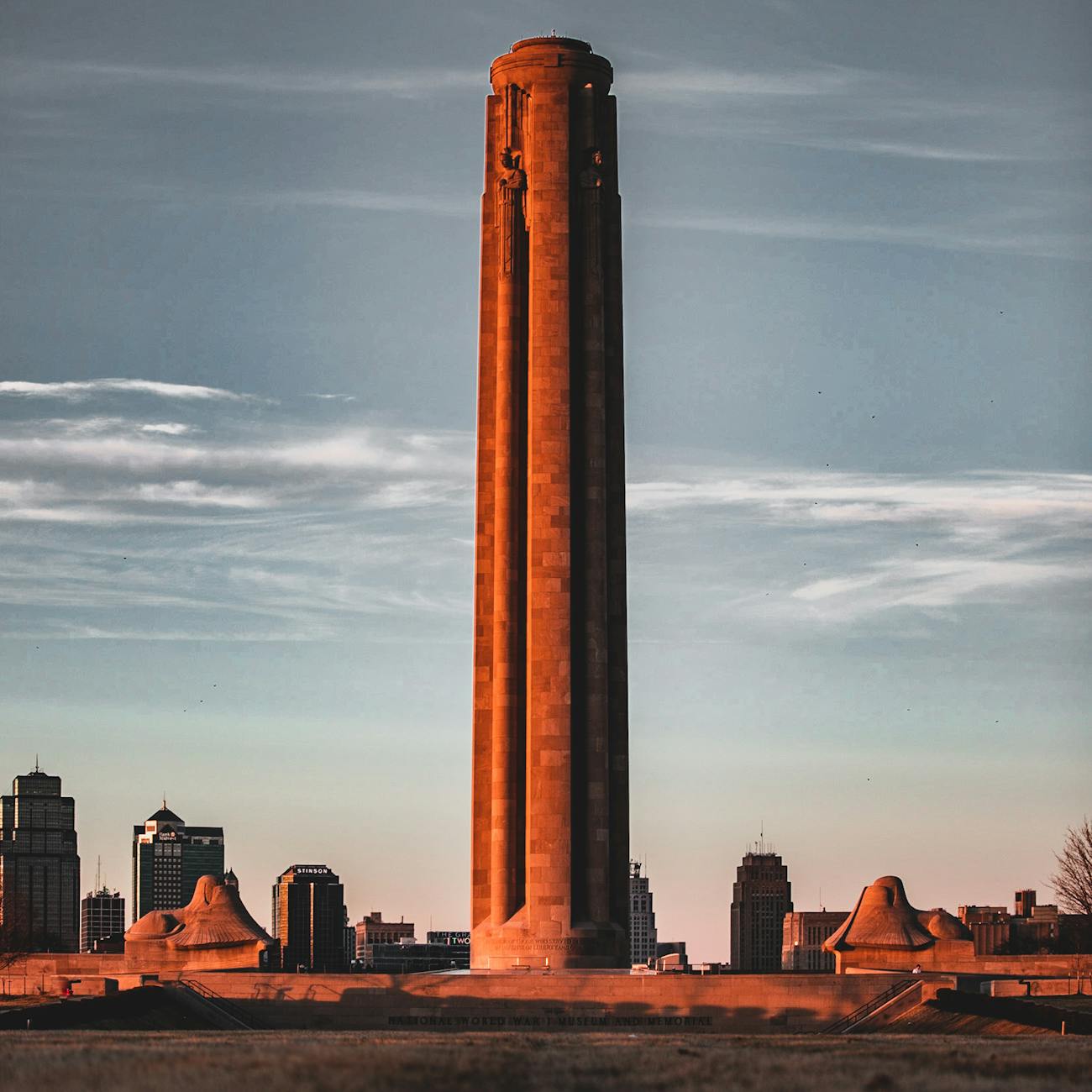
Memory and Commemoration play crucial roles in shaping our understanding of historical events, and they are particularly significant in the context of World War II. Let's delve into the key terms and vocabulary associated with Memory and Commemoration in the course Professional Certificate in World War II History.
**Memory**: Memory refers to the cognitive processes that enable us to encode, store, and retrieve information about past events. In the context of World War II, memory plays a vital role in preserving the experiences of individuals who lived through the war and ensuring that future generations remember the sacrifices and atrocities of the conflict.
**Commemoration**: Commemoration involves the act of honoring and remembering significant events or individuals. In the context of World War II, commemoration often takes the form of memorials, ceremonies, and other activities that pay tribute to the millions of people who lost their lives during the war.
**Collective Memory**: Collective memory refers to the shared memories of a group of people, such as a nation or community. In the case of World War II, collective memory encompasses the stories, images, and symbols that have become ingrained in the public consciousness over time.
**National Memory**: National memory focuses on the ways in which a nation remembers and commemorates its past, including key events like World War II. National memory can be influenced by government policies, education systems, and cultural institutions.
**Historical Memory**: Historical memory encompasses the ways in which societies remember and interpret past events. In the case of World War II, historical memory includes the narratives, perspectives, and interpretations that shape our understanding of the war and its impact on the world.
**Memorialization**: Memorialization involves the creation of physical or symbolic structures to commemorate individuals or events. In the context of World War II, memorialization takes the form of monuments, museums, and other sites dedicated to preserving the memory of those who perished in the conflict.
**Holocaust**: The Holocaust refers to the systematic genocide of six million Jews by the Nazi regime during World War II. The Holocaust is one of the most horrific events in human history and serves as a potent reminder of the consequences of unchecked hatred and discrimination.
**Genocide**: Genocide is the deliberate and systematic extermination of a particular group based on their ethnicity, religion, or other defining characteristics. The Holocaust is widely recognized as one of the most egregious examples of genocide in modern history.
**Remembrance**: Remembrance involves the act of recalling and reflecting on past events, particularly those of significance or importance. In the context of World War II, remembrance serves as a means of honoring the sacrifices of those who fought and died during the conflict.
**Veterans**: Veterans are individuals who have served in the military, often in times of war or conflict. World War II veterans played a critical role in shaping the course of the war and their experiences are a key part of the collective memory of the conflict.
**Survivors**: Survivors are individuals who have lived through traumatic events, such as war or genocide. In the context of World War II, survivors of the conflict carry with them the memories and experiences of the war, often serving as witnesses to the atrocities that occurred.
**Memorial Day**: Memorial Day is a national holiday in the United States that honors the men and women who have died while serving in the military. Originally known as Decoration Day, Memorial Day has its roots in the aftermath of the Civil War but has since come to encompass all American military personnel who have made the ultimate sacrifice.
**Remembrance Day**: Remembrance Day, also known as Armistice Day or Veterans Day in some countries, is a day set aside to honor the veterans and victims of war. Observed on November 11th, Remembrance Day commemorates the end of World War I but has since expanded to include all military conflicts.
**Hiroshima and Nagasaki**: Hiroshima and Nagasaki are two Japanese cities that were devastated by atomic bombs dropped by the United States during World War II. The bombings of Hiroshima on August 6, 1945, and Nagasaki on August 9, 1945, marked the first and only use of nuclear weapons in warfare.
**Pearl Harbor**: Pearl Harbor is a naval base in Hawaii that was attacked by the Japanese on December 7, 1941, leading to the United States' entry into World War II. The attack on Pearl Harbor was a turning point in the war and remains a significant event in American history.
**Anne Frank**: Anne Frank was a Jewish girl who documented her experiences hiding from the Nazis in Amsterdam during World War II in her diary, which was later published as "The Diary of a Young Girl." Anne Frank's diary is one of the most famous accounts of the Holocaust and has become a symbol of resilience and hope in the face of adversity.
**Victory Day**: Victory Day is a holiday that commemorates the surrender of Nazi Germany in World War II, marking the end of the conflict in Europe. Victory Day is celebrated in various countries on different dates, with May 8th or May 9th being the most common days of observance.
**War Crimes**: War crimes are acts committed during armed conflict that violate international humanitarian law. In the context of World War II, war crimes include atrocities such as the Holocaust, the bombing of civilian populations, and the mistreatment of prisoners of war.
**Nuremberg Trials**: The Nuremberg Trials were a series of military tribunals held after World War II to prosecute prominent Nazi leaders for war crimes and crimes against humanity. The trials established the principle that individuals could be held accountable for their actions during times of war.
**Atomic Bombings**: The atomic bombings of Hiroshima and Nagasaki were carried out by the United States in an effort to force Japan to surrender and end World War II. The bombings resulted in massive loss of life and have since sparked debate over the ethics and necessity of using nuclear weapons.
**Memorial Museums**: Memorial museums are institutions dedicated to preserving the memory of past events, such as wars or genocides. In the context of World War II, memorial museums like the United States Holocaust Memorial Museum and the Hiroshima Peace Memorial Museum serve as important educational resources and commemorative spaces.
**Memory Studies**: Memory studies is an interdisciplinary field that examines the ways in which societies remember and forget past events. Scholars in memory studies analyze the construction of memory, its transmission through time, and its impact on society and politics.
**Commemorative Practices**: Commemorative practices are rituals, ceremonies, and activities that honor and remember significant events or individuals. In the context of World War II, commemorative practices include memorial services, wreath-laying ceremonies, and moments of silence.
**Liberation**: Liberation refers to the act of setting free from oppression or captivity. In the context of World War II, liberation often refers to the freeing of concentration camps and occupied territories by Allied forces, marking the end of Nazi rule in Europe.
**Resistance Movements**: Resistance movements were groups or individuals who opposed Nazi occupation and tyranny during World War II. These movements engaged in acts of sabotage, espionage, and civil disobedience to undermine the Nazi regime and support the Allied war effort.
**Memory Wars**: Memory wars are conflicts over the interpretation and commemoration of historical events. In the context of World War II, memory wars can arise between nations, political groups, or historical scholars who hold differing views on the war's causes, consequences, and legacy.
**Memorialization Challenges**: Memorialization challenges refer to the difficulties and controversies that can arise when attempting to commemorate past events. In the context of World War II, memorialization challenges may include debates over the representation of history, the preservation of historical sites, and the reconciliation of conflicting narratives.
**Trauma**: Trauma refers to the psychological and emotional distress caused by experiences of violence, loss, or suffering. In the context of World War II, trauma affected millions of individuals who lived through the conflict, including soldiers, civilians, and survivors of the Holocaust.
**Memory and Identity**: Memory and identity are closely intertwined, as individuals and communities often draw on their collective memories to construct their sense of self and belonging. In the context of World War II, memory and identity play a crucial role in shaping how people perceive themselves in relation to the past.
**Digital Memory**: Digital memory refers to the ways in which technology is used to preserve and transmit memories of the past. In the context of World War II, digital memory includes online archives, virtual tours of historical sites, and interactive educational resources that allow people to engage with the history of the war.
**Memory Politics**: Memory politics refers to the ways in which governments, institutions, and individuals shape and manipulate collective memory for political purposes. In the context of World War II, memory politics can involve efforts to highlight certain aspects of the war while downplaying or ignoring others.
**Historical Revisionism**: Historical revisionism involves the reinterpretation of historical events in a way that challenges established narratives or beliefs. In the context of World War II, historical revisionism can be controversial, particularly when it seeks to minimize or deny the atrocities of the Holocaust.
**Memory Tourism**: Memory tourism refers to the practice of visiting historical sites, museums, and memorials to learn about and engage with the past. In the context of World War II, memory tourism includes visits to battlefields, concentration camps, and other sites associated with the war.
**Commemorative Events**: Commemorative events are organized activities that mark anniversaries, milestones, or significant moments in history. In the context of World War II, commemorative events may include ceremonies, parades, exhibitions, and other public gatherings that honor the memory of those who lived and died during the war.
**Public Memory**: Public memory refers to the ways in which societies collectively remember and commemorate past events. In the context of World War II, public memory is shaped by a variety of factors, including education, media, government policies, and cultural representations of the war.
**Memory Activism**: Memory activism involves efforts to raise awareness, promote justice, and preserve the memory of past events. In the context of World War II, memory activism may include advocacy for the recognition of marginalized voices, the preservation of historical sites, and the promotion of education about the war.
**Challenges of Memory**: Challenges of memory refer to the obstacles and complexities that arise when attempting to remember and commemorate past events. In the context of World War II, challenges of memory may include issues of representation, interpretation, authenticity, and the transmission of memory across generations.
**Memory Transmission**: Memory transmission involves the passing down of memories and experiences from one generation to the next. In the context of World War II, memory transmission is critical for ensuring that the lessons of the war are not forgotten and that future generations understand the impact of the conflict.
**Digital Archives**: Digital archives are online repositories of historical documents, photographs, and other materials. In the context of World War II, digital archives provide valuable resources for researchers, educators, and the public to access primary sources related to the war and its aftermath.
**Commemorative Symbols**: Commemorative symbols are objects, images, or gestures that represent and honor the memory of individuals or events. In the context of World War II, commemorative symbols may include poppies, wreaths, flags, and other visual cues that evoke the sacrifices and struggles of the war.
**Memory and Forgetting**: Memory and forgetting are intertwined processes that shape how societies remember and interpret the past. In the context of World War II, memory and forgetting can be selective, with some aspects of the war being emphasized while others are marginalized or erased from collective memory.
**Historical Amnesia**: Historical amnesia refers to the loss or suppression of historical knowledge and memory. In the context of World War II, historical amnesia can occur when significant events or experiences are overlooked or forgotten, leading to a distorted or incomplete understanding of the war.
**Memory and Emotion**: Memory and emotion are closely linked, as our recollections of past events are often colored by feelings of joy, sorrow, anger, or nostalgia. In the context of World War II, memory and emotion play a powerful role in shaping how individuals and societies engage with the legacy of the conflict.
**Memory Narratives**: Memory narratives are the stories and accounts that individuals and communities use to make sense of the past. In the context of World War II, memory narratives encompass a wide range of perspectives, from personal recollections to official histories, that shape our understanding of the war.
**Commemorative Art**: Commemorative art involves the creation of visual or performance-based works that honor and remember individuals or events. In the context of World War II, commemorative art includes paintings, sculptures, films, music, and other creative expressions that evoke the experiences and emotions of the war.
**Memory Preservation**: Memory preservation involves the efforts to safeguard and protect the records, artifacts, and testimonies that document past events. In the context of World War II, memory preservation is essential for ensuring that the stories of those who lived through the war are not lost to time.
**Memory Studies**: Memory studies is an interdisciplinary field that examines the ways in which societies remember and forget past events. Scholars in memory studies analyze the construction of memory, its transmission through time, and its impact on society and politics.
**Commemorative Practices**: Commemorative practices are rituals, ceremonies, and activities that honor and remember significant events or individuals. In the context of World War II, commemorative practices include memorial services, wreath-laying ceremonies, and moments of silence.
**Liberation**: Liberation refers to the act of setting free from oppression or captivity. In the context of World War II, liberation often refers to the freeing of concentration camps and occupied territories by Allied forces, marking the end of Nazi rule in Europe.
**Resistance Movements**: Resistance movements were groups or individuals who opposed Nazi occupation and tyranny during World War II. These movements engaged in acts of sabotage, espionage, and civil disobedience to undermine the Nazi regime and support the Allied war effort.
**Memory Wars**: Memory wars are conflicts over the interpretation and commemoration of historical events. In the context of World War II, memory wars can arise between nations, political groups, or historical scholars who hold differing views on the war's causes, consequences, and legacy.
**Memorialization Challenges**: Memorialization challenges refer to the difficulties and controversies that can arise when attempting to commemorate past events. In the context of World War II, memorialization challenges may include debates over the representation of history, the preservation of historical sites, and the reconciliation of conflicting narratives.
**Trauma**: Trauma refers to the psychological and emotional distress caused by experiences of violence, loss, or suffering. In the context of World War II, trauma affected millions of individuals who lived through the conflict, including soldiers, civilians, and survivors of the Holocaust.
**Memory and Identity**: Memory and identity are closely intertwined, as individuals and communities often draw on their collective memories to construct their sense of self and belonging. In the context of World War II, memory and identity play a crucial role in shaping how people perceive themselves in relation to the past.
**Digital Memory**: Digital memory refers to the ways in which technology is used to preserve and transmit memories of the past. In the context of World War II, digital memory includes online archives, virtual tours of historical sites, and interactive educational resources that allow people to engage with the history of the war.
**Memory Politics**: Memory politics refers to the ways in which governments, institutions, and individuals shape and manipulate collective memory for political purposes. In the context of World War II, memory politics can involve efforts to highlight certain aspects of the war while downplaying or ignoring others.
**Historical Revisionism**: Historical revisionism involves the reinterpretation of historical events in a way that challenges established narratives or beliefs. In the context of World War II, historical revisionism can be controversial, particularly when it seeks to minimize or deny the atrocities of the Holocaust.
**Memory Tourism**: Memory tourism refers to the practice of visiting historical sites, museums, and memorials to learn about and engage with the past. In the context of World War II, memory tourism includes visits to battlefields, concentration camps, and other sites associated with the war.
**Commemorative Events**: Commemorative events are organized activities that mark anniversaries, milestones, or significant moments in history. In the context of World War II, commemorative events may include ceremonies, parades, exhibitions, and other public gatherings that honor the memory of those who lived and died during the war.
**Public Memory**: Public memory refers to the ways in which societies collectively remember and commemorate past events. In the context of World War II, public memory is shaped by a variety of factors, including education, media, government policies, and cultural representations of the war.
**Memory Activism**: Memory activism involves efforts to raise awareness, promote justice, and preserve the memory of past events. In the context of World War II, memory activism may include advocacy for the recognition of marginalized voices, the preservation of historical sites, and the promotion of education about the war.
**Challenges of Memory**: Challenges of memory refer to the obstacles and complexities that arise when attempting to remember and commemorate past events. In the context of World War II, challenges of memory may include issues of representation, interpretation, authenticity, and the transmission of memory across generations.
**Memory Transmission**: Memory transmission involves the passing down of memories and experiences from one generation to the next. In the context of World War II, memory transmission is critical for ensuring that the lessons of the war are not forgotten and that future generations understand the impact of the conflict.
**Digital Archives**: Digital archives are online repositories of historical documents, photographs, and other materials. In the context of World War II, digital archives provide valuable resources for researchers, educators, and the public to access primary sources related to the war and its aftermath.
**Commemorative Symbols**: Commemorative symbols are objects, images, or gestures that represent and honor the memory of individuals or events. In the context of World War II, commemorative symbols may include poppies, wreaths, flags, and other visual cues that evoke the sacrifices and struggles of the war.
**Memory and Forgetting**: Memory and forgetting are intertwined processes that shape how societies remember and interpret the past. In the context of World War II, memory and forgetting can be selective, with some aspects of the war being emphasized while others are marginalized or erased from collective memory.
**Historical Amnesia**: Historical amnesia refers to the loss or suppression of historical knowledge and memory. In the context of World War II, historical amnesia can occur when significant events or experiences are overlooked or forgotten, leading to a distorted or incomplete understanding of the war.
**Memory and Emotion**: Memory and emotion are closely linked, as our recollections of past events are often colored by feelings of joy, sorrow, anger, or nostalgia. In the context of World War II, memory and emotion play a powerful role in shaping how individuals and societies engage with the legacy of the conflict.
**Memory Narratives**: Memory narratives are the stories and accounts that individuals and communities use to make sense of the past. In the context of World War
Key takeaways
- Memory and Commemoration play crucial roles in shaping our understanding of historical events, and they are particularly significant in the context of World War II.
- In the context of World War II, memory plays a vital role in preserving the experiences of individuals who lived through the war and ensuring that future generations remember the sacrifices and atrocities of the conflict.
- In the context of World War II, commemoration often takes the form of memorials, ceremonies, and other activities that pay tribute to the millions of people who lost their lives during the war.
- In the case of World War II, collective memory encompasses the stories, images, and symbols that have become ingrained in the public consciousness over time.
- **National Memory**: National memory focuses on the ways in which a nation remembers and commemorates its past, including key events like World War II.
- In the case of World War II, historical memory includes the narratives, perspectives, and interpretations that shape our understanding of the war and its impact on the world.
- In the context of World War II, memorialization takes the form of monuments, museums, and other sites dedicated to preserving the memory of those who perished in the conflict.