
Customer Relationship Management in Credit Cards
Customer Relationship Management (CRM) in the credit card industry is a vital aspect of managing customer interactions and relationships effectively. It involves utilizing technology to organize, automate, and synchronize sales, marketing, …
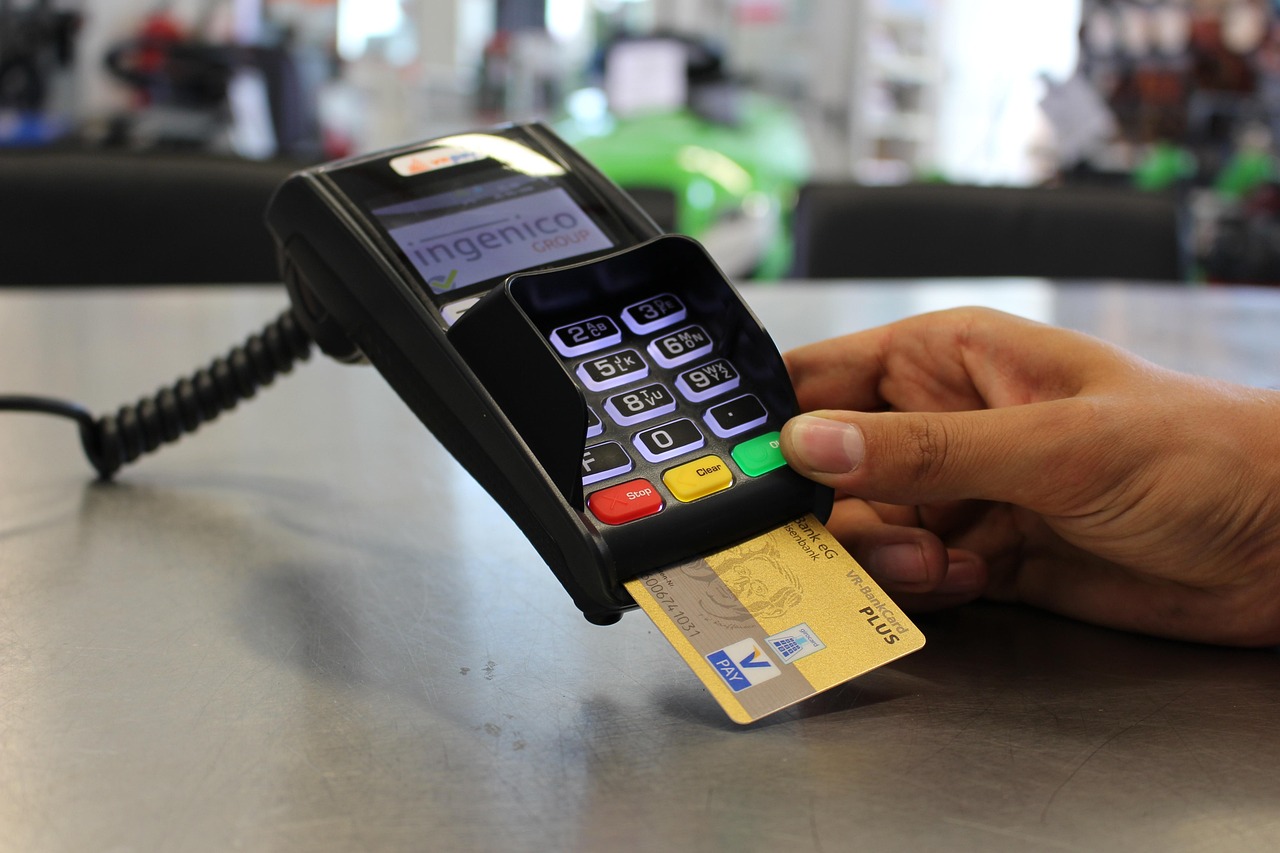
Customer Relationship Management (CRM) in the credit card industry is a vital aspect of managing customer interactions and relationships effectively. It involves utilizing technology to organize, automate, and synchronize sales, marketing, customer service, and technical support. This ensures that customer interactions are consistent and efficient across all touchpoints.
**Key Terms and Vocabulary:**
1. **Credit Card**: A plastic card issued by a financial institution that enables the cardholder to borrow funds for purchases or cash advances up to a pre-set credit limit.
2. **Customer Relationship Management (CRM)**: A strategy for managing a company's interactions with current and potential customers. It involves using data analysis about customers' history with a company to improve business relationships.
3. **Customer Segmentation**: The process of dividing customers into groups based on certain characteristics such as demographics, behavior, or purchasing patterns.
4. **Customer Lifetime Value (CLV)**: The predicted total profit a company expects to earn from a customer throughout their entire relationship with the business.
5. **Churn Rate**: The percentage of customers who stop using a product or service within a given time period. In the credit card industry, this refers to customers canceling their credit cards.
6. **Cross-Selling**: The practice of selling an additional product or service to an existing customer. In credit cards, this could include offering customers additional credit card products or financial services.
7. **Upselling**: The technique of persuading a customer to buy a higher-end product or upgrade to a more expensive version of what they are considering. In credit cards, this could involve encouraging customers to switch to premium or rewards credit cards.
8. **Retention**: The ability of a company to keep customers over time. In the credit card industry, retention strategies are crucial to maintain a loyal customer base.
9. **Loyalty Programs**: Programs designed to encourage customers to continue to shop at or use the services of a business associated with the program. In credit cards, this could include rewards points or cashback incentives.
10. **Data Mining**: The practice of examining large databases in order to generate new information. In CRM, data mining is used to uncover patterns and trends in customer behavior.
11. **Data Warehousing**: The process of collecting and managing data from various sources to provide meaningful business insights. In CRM, data warehousing helps centralize customer information for analysis.
12. **Omnichannel Marketing**: A multichannel approach to marketing that seeks to provide customers with a seamless shopping experience whether they are online, on a mobile device, or in a brick-and-mortar store.
13. **Personalization**: Tailoring products, services, and marketing efforts to individual customers based on their preferences, behavior, and past interactions with the company.
14. **Customer Satisfaction Score (CSAT)**: A metric used to measure how satisfied customers are with a company's products or services. It is often measured through surveys or feedback forms.
15. **Net Promoter Score (NPS)**: A metric used to measure customer loyalty and willingness to recommend a company's products or services to others.
16. **Customer Journey Mapping**: The process of visualizing and understanding the customer's interactions with a company across all touchpoints. This helps identify areas for improvement and optimization.
17. **Lead Scoring**: A methodology used to rank prospects against a scale representing the perceived value each lead represents to the organization. In credit cards, lead scoring can help prioritize potential customers based on their likelihood to sign up for a credit card.
18. **Artificial Intelligence (AI)**: Technology that enables machines to learn from experience, adapt to new inputs, and perform human-like tasks. In CRM, AI can be used for predictive analytics, chatbots, and personalization.
19. **Machine Learning**: A subset of AI that enables systems to automatically learn and improve from experience without being explicitly programmed. In CRM, machine learning can help improve customer segmentation and personalized marketing.
20. **Chatbots**: AI-powered virtual assistants that can interact with customers in real-time through messaging platforms. In the credit card industry, chatbots can handle customer queries, provide account information, and even assist in the application process.
**Practical Applications:**
1. **Segmentation for Targeted Marketing**: By segmenting customers based on their spending habits or credit card usage, credit card companies can tailor marketing campaigns to specific customer groups. For example, customers who frequently travel may be interested in travel rewards cards, while those who prefer cashback may be targeted with relevant offers.
2. **Personalized Recommendations**: Using data mining and machine learning algorithms, credit card companies can analyze customer data to make personalized recommendations for additional products or services. For instance, if a customer frequently shops at a particular retailer, they may receive offers for co-branded credit cards.
3. **Automated Customer Service**: Chatbots can be deployed on credit card websites or mobile apps to provide instant support to customers. They can assist with common queries, such as balance inquiries, transaction disputes, or card activation, freeing up human agents for more complex issues.
4. **Retention Strategies**: By analyzing customer behavior and feedback, credit card companies can identify at-risk customers and implement retention strategies. For example, offering a retention bonus, waiving annual fees, or providing targeted offers can help retain valuable customers.
5. **Cross-Selling and Upselling**: CRM systems can track customer interactions and identify opportunities for cross-selling or upselling. For instance, a customer who frequently uses a credit card for dining may be a good candidate for a premium rewards card with dining benefits.
**Challenges:**
1. **Data Privacy and Security**: Collecting and storing customer data for CRM purposes raises concerns about privacy and security. Credit card companies must ensure that customer information is protected from data breaches and unauthorized access.
2. **Integration of CRM Systems**: Credit card companies often use multiple systems for CRM, marketing, and customer service. Integrating these systems to provide a seamless customer experience can be challenging and require significant investment in technology and resources.
3. **Customer Resistance to Automation**: Some customers may prefer human interaction over automated systems like chatbots. Credit card companies need to strike a balance between automation and personalized service to meet customer expectations.
4. **Regulatory Compliance**: The credit card industry is highly regulated, with strict rules governing data protection, marketing practices, and customer communications. Credit card companies must ensure that their CRM practices comply with relevant laws and regulations.
5. **Managing Customer Expectations**: Customers expect personalized and timely interactions from credit card companies. Failing to meet these expectations can lead to dissatisfaction and churn. Credit card companies must continuously improve their CRM strategies to meet changing customer needs.
In conclusion, Customer Relationship Management in the credit card industry plays a crucial role in building and maintaining strong relationships with customers. By utilizing technology, data analytics, and personalized strategies, credit card companies can enhance customer satisfaction, increase loyalty, and drive business growth. It is essential for credit card professionals to understand the key terms, concepts, and challenges associated with CRM to effectively manage customer relationships and drive success in the competitive credit card market.
Key takeaways
- Customer Relationship Management (CRM) in the credit card industry is a vital aspect of managing customer interactions and relationships effectively.
- **Credit Card**: A plastic card issued by a financial institution that enables the cardholder to borrow funds for purchases or cash advances up to a pre-set credit limit.
- **Customer Relationship Management (CRM)**: A strategy for managing a company's interactions with current and potential customers.
- **Customer Segmentation**: The process of dividing customers into groups based on certain characteristics such as demographics, behavior, or purchasing patterns.
- **Customer Lifetime Value (CLV)**: The predicted total profit a company expects to earn from a customer throughout their entire relationship with the business.
- **Churn Rate**: The percentage of customers who stop using a product or service within a given time period.
- In credit cards, this could include offering customers additional credit card products or financial services.