
Telehealth Consultation and Collaboration
Telehealth Consultation and Collaboration
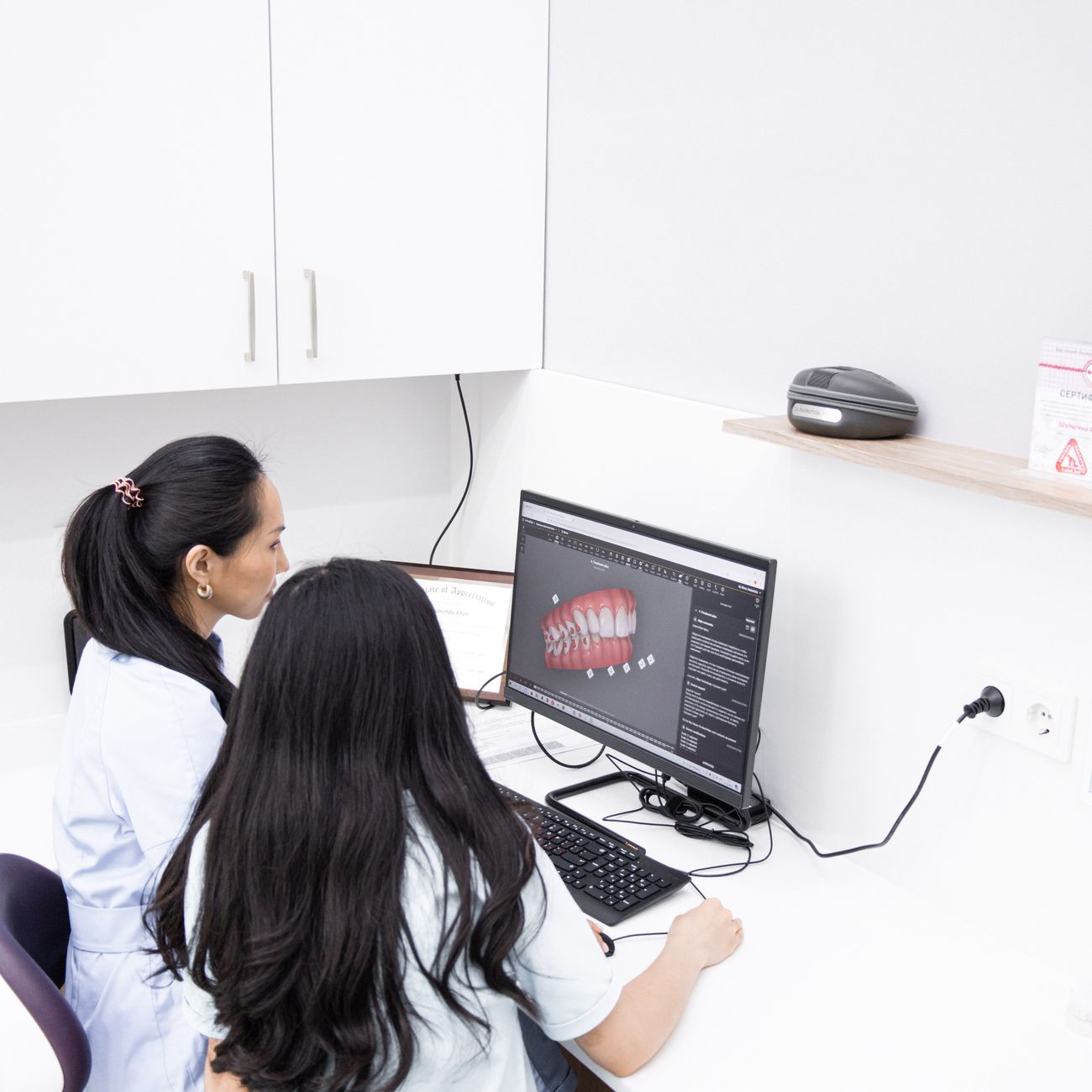
Telehealth Consultation and Collaboration
Telehealth consultation and collaboration refer to the use of telecommunication technologies to provide healthcare services, consultations, and collaborations remotely. This approach enables healthcare professionals to communicate with patients, colleagues, and other healthcare providers without the need for face-to-face interactions. Telehealth consultation and collaboration have become increasingly popular in recent years due to advancements in technology, improved access to high-speed internet, and the need for more efficient and convenient healthcare delivery.
Key Terms and Vocabulary
1. Telehealth: Telehealth is the use of digital information and communication technologies, such as computers and mobile devices, to access and manage healthcare services remotely. It encompasses a wide range of services, including consultations, monitoring, education, and more.
2. Telemedicine: Telemedicine refers specifically to the practice of medicine using technology to deliver healthcare services remotely. It includes diagnosis, treatment, and monitoring of patients using telecommunication tools.
3. Virtual Consultation: Virtual consultations are healthcare appointments conducted remotely via video conferencing, phone calls, or secure messaging platforms. They allow patients to consult with healthcare providers without physically visiting a clinic or hospital.
4. Store-and-Forward: Store-and-forward is a telehealth model where healthcare providers capture patient information (e.g., images, videos, medical records) and transmit it to a specialist or another healthcare professional for review and consultation at a later time.
5. Remote Monitoring: Remote monitoring involves the use of devices to collect and transmit patient data (e.g., vital signs, medication adherence) to healthcare providers for real-time monitoring and management of chronic conditions or post-treatment recovery.
6. Asynchronous Communication: Asynchronous communication refers to the exchange of information between healthcare providers and patients that does not require immediate responses. Examples include email consultations, secure messaging, and store-and-forward telehealth services.
7. Synchronous Communication: Synchronous communication involves real-time interactions between healthcare providers and patients, such as video consultations, phone calls, or live chat sessions. It allows for immediate feedback and decision-making.
8. Interprofessional Collaboration: Interprofessional collaboration is the practice of healthcare professionals from different disciplines working together to provide comprehensive care to patients. In telehealth, interprofessional collaboration may involve specialists, primary care providers, nurses, pharmacists, and other healthcare professionals working together remotely to deliver coordinated care.
9. Teleconsultation: Teleconsultation is the process of seeking advice or expertise from a specialist or another healthcare provider remotely, typically through video conferencing, phone calls, or secure messaging. It allows for timely consultations without the need for in-person visits.
10. Telecollaboration: Telecollaboration involves healthcare professionals working together remotely to coordinate patient care, share information, discuss treatment plans, and make collaborative decisions. It promotes teamwork and enhances communication among team members.
11. Telehealth Platform: A telehealth platform is a digital system or software that enables healthcare providers to deliver telehealth services, including virtual consultations, remote monitoring, secure messaging, and store-and-forward capabilities. Examples include telemedicine apps, video conferencing tools, and patient portals.
12. Telehealth Regulations: Telehealth regulations are laws and guidelines that govern the use of telehealth services, including licensure requirements, reimbursement policies, privacy and security standards, and telemedicine practice standards. Regulations vary by region and are essential for ensuring the safe and effective delivery of telehealth services.
13. Telehealth Ethics: Telehealth ethics are ethical principles and guidelines that healthcare providers must adhere to when delivering telehealth services. This includes maintaining patient confidentiality, obtaining informed consent, ensuring the security of patient data, and providing quality care in a remote setting.
14. Telehealth Equipment: Telehealth equipment includes devices and tools used to facilitate telehealth consultations and collaborations, such as video cameras, microphones, telemedicine carts, medical peripherals (e.g., stethoscopes, otoscopes), and remote monitoring devices (e.g., blood pressure monitors, glucose meters).
15. Telehealth Training: Telehealth training is education and skill development for healthcare providers on how to effectively use telehealth technologies, communicate with patients remotely, conduct virtual consultations, interpret remote monitoring data, and comply with telehealth regulations and ethical standards.
16. Telehealth Workflow: Telehealth workflow refers to the process and sequence of activities involved in delivering telehealth services, from scheduling appointments and conducting virtual consultations to documenting patient information, prescribing medications, and coordinating follow-up care. It involves optimizing the efficiency and effectiveness of telehealth delivery.
17. Telehealth Integration: Telehealth integration is the incorporation of telehealth services into existing healthcare systems, workflows, and electronic health records (EHRs) to enhance patient care, improve access to services, and streamline communication among healthcare providers. It involves interoperability and seamless integration with other healthcare technologies.
18. Telehealth Adoption: Telehealth adoption refers to the acceptance and utilization of telehealth services by healthcare providers, organizations, and patients. It involves overcoming barriers to implementation, addressing technical challenges, ensuring provider buy-in, and promoting patient engagement to maximize the benefits of telehealth.
19. Telehealth Outcomes: Telehealth outcomes are the results and impact of telehealth services on patient care, healthcare delivery, cost savings, patient satisfaction, and clinical outcomes. Evaluating telehealth outcomes helps assess the effectiveness and value of telehealth interventions and guide quality improvement efforts.
20. Telehealth Challenges: Telehealth challenges are obstacles and barriers that healthcare providers, organizations, and patients may face when implementing and using telehealth services. These challenges include technology limitations, reimbursement issues, regulatory complexities, privacy concerns, provider resistance, and disparities in access to telehealth services.
Practical Applications
Telehealth consultation and collaboration have numerous practical applications across various healthcare settings, including:
- Rural Healthcare: Telehealth enables patients in remote or underserved areas to access healthcare services from specialists and primary care providers without traveling long distances. It helps bridge the gap in healthcare disparities and improves access to quality care for rural populations.
- Chronic Disease Management: Telehealth allows healthcare providers to monitor and manage chronic conditions, such as diabetes, hypertension, and heart disease, through remote monitoring, virtual consultations, and patient education. It promotes self-management and early intervention to prevent complications.
- Behavioral Health: Telehealth facilitates mental health counseling, therapy sessions, and psychiatric consultations via video conferencing or secure messaging platforms. It increases access to mental health services, reduces stigma, and enhances continuity of care for patients with behavioral health needs.
- Home Healthcare: Telehealth supports home-based care for patients recovering from surgery, managing post-acute conditions, or receiving palliative care. It allows healthcare providers to remotely monitor patients, conduct virtual visits, and coordinate care with family caregivers to promote independence and comfort at home.
- Telestroke Care: Telehealth enables rapid assessment and treatment of stroke patients in rural or underserved areas through telestroke networks connecting emergency departments with stroke specialists. It enhances timely interventions, improves outcomes, and reduces the burden of stroke-related disabilities.
Challenges and Considerations
Despite the benefits of telehealth consultation and collaboration, several challenges and considerations must be addressed to ensure successful implementation and sustainable use:
- Regulatory Compliance: Healthcare providers must comply with telehealth regulations, licensure requirements, privacy laws (e.g., HIPAA), and reimbursement policies to avoid legal risks and ensure patient safety and confidentiality.
- Technology Integration: Healthcare organizations need to integrate telehealth platforms with existing EHR systems, practice management software, and communication tools to streamline workflows, access patient data, and maintain continuity of care across settings.
- Provider Training: Healthcare providers require training on telehealth technologies, communication skills, telemedicine best practices, and ethical considerations to deliver high-quality care, engage patients effectively, and navigate virtual consultations and collaborations.
- Patient Engagement: Patients need education, support, and access to telehealth services to engage actively in their care, communicate with providers, monitor their health, and follow treatment plans. Addressing digital literacy, access barriers, and cultural preferences is essential for promoting patient engagement.
- Quality Assurance: Healthcare organizations must establish telehealth quality standards, performance metrics, and outcome measures to assess the effectiveness, safety, and satisfaction of telehealth services, identify areas for improvement, and ensure high-quality care delivery.
- Interprofessional Communication: Healthcare teams must collaborate effectively across disciplines, share information, make coordinated decisions, and communicate efficiently in remote settings to provide comprehensive care, prevent errors, and enhance patient outcomes through telehealth consultations and collaborations.
Conclusion
In conclusion, telehealth consultation and collaboration play a vital role in modern healthcare delivery by leveraging technology to connect patients and providers, promote access to care, improve care coordination, and enhance patient outcomes. By understanding key terms and vocabulary related to telehealth, healthcare professionals can navigate the complexities of telehealth services, address challenges, and harness the benefits of remote consultations and collaborations to deliver high-quality, patient-centered care in diverse healthcare settings. Embracing telehealth as a valuable tool for healthcare delivery requires ongoing education, training, collaboration, and innovation to maximize its potential and transform the way healthcare is delivered and experienced by patients and providers alike.
Telehealth Consultation and Collaboration
Telehealth Consultation and Collaboration are essential components of modern healthcare delivery that leverage technology to provide remote access to healthcare services, consultation, and collaboration among healthcare professionals. This course on Professional Certificate in Telehealth and Telecare aims to equip learners with the necessary knowledge and skills to effectively engage in telehealth consultation and collaboration, ensuring efficient and quality healthcare services regardless of physical distance.
Telehealth: Telehealth refers to the use of digital information and communication technologies, such as computers and mobile devices, to access and manage healthcare services remotely. It includes a broad range of services, from remote consultations to monitoring and education.
Consultation: Consultation involves the process of seeking advice or information from a healthcare professional to diagnose or manage a medical condition. In telehealth, consultations can be conducted remotely through video calls, phone calls, or secure messaging platforms.
Collaboration: Collaboration in healthcare refers to healthcare professionals working together to provide comprehensive and integrated care to patients. In telehealth, collaboration can occur between different healthcare providers, such as physicians, nurses, and specialists, to ensure coordinated care delivery.
Key Terms and Vocabulary
1. Telehealth Technologies: Telehealth technologies refer to the various digital tools and platforms used to deliver healthcare services remotely. Examples include video conferencing software, remote monitoring devices, and secure messaging applications.
2. Synchronous Communication: Synchronous communication refers to real-time communication between healthcare providers and patients. This can include video calls, phone calls, or instant messaging for immediate interaction.
3. Asynchronous Communication: Asynchronous communication involves communication that does not require real-time interaction. Examples include secure messaging platforms where healthcare providers and patients can exchange messages at their convenience.
4. Electronic Health Record (EHR): Electronic Health Record (EHR) is a digital version of a patient's paper chart, containing their medical history, diagnoses, medications, treatment plans, immunization dates, allergies, radiology images, and laboratory test results.
5. Teleconsultation: Teleconsultation is a remote consultation between healthcare providers or between a healthcare provider and a patient. It allows healthcare professionals to discuss cases, share expertise, and provide recommendations without being physically present.
6. Telecollaboration: Telecollaboration involves healthcare professionals working together remotely to provide integrated care to patients. It enables multidisciplinary teams to collaborate effectively, share information, and coordinate care plans.
7. Remote Monitoring: Remote monitoring involves the use of digital devices to track a patient's health data remotely. Examples include wearable devices that measure vital signs, such as heart rate, blood pressure, and blood glucose levels, and transmit the data to healthcare providers for analysis.
8. Teletriage: Teletriage is the process of determining the urgency of a patient's medical condition remotely. Healthcare providers use teletriage protocols to assess patients' symptoms and guide them to appropriate care settings based on the severity of their condition.
9. Store-and-Forward: Store-and-forward is a telehealth modality that involves capturing patient information, such as images, videos, or medical records, and transmitting it to a healthcare provider for review at a later time. This method is commonly used in teleconsultations and telepathology.
Challenges in Telehealth Consultation and Collaboration
1. Connectivity Issues: In remote or underserved areas, patients and healthcare providers may face connectivity issues that hinder the effectiveness of telehealth services. Poor internet connection or limited access to technology can disrupt communication and data transmission.
2. Data Security and Privacy: Maintaining data security and privacy is critical in telehealth to protect patients' sensitive health information. Healthcare providers must adhere to strict security protocols and encryption standards to safeguard data during teleconsultations and collaborations.
3. Legal and Regulatory Compliance: Telehealth services are subject to legal and regulatory compliance requirements that vary by region. Healthcare providers must ensure they meet licensing, privacy, and consent regulations when conducting teleconsultations and collaborations across jurisdictions.
4. Training and Education: Healthcare professionals need training and education to effectively use telehealth technologies and platforms for consultations and collaborations. Continuous professional development is essential to keep up with evolving telehealth practices and standards.
5. Patient Engagement and Adoption: Encouraging patient engagement and adoption of telehealth services is crucial for successful consultations and collaborations. Healthcare providers must educate patients about the benefits of telehealth and address any concerns or barriers to adoption.
Practical Applications of Telehealth Consultation and Collaboration
1. Telepsychiatry: Psychiatrists can use telehealth for telepsychiatry consultations to provide mental health assessments, therapy sessions, and medication management remotely. This enables patients to access mental healthcare services from the comfort of their homes.
2. Telestroke Care: Healthcare providers can use telehealth for telestroke care to diagnose and treat stroke patients quickly and effectively. Through remote consultations and collaborations, stroke specialists can assess patients, review imaging studies, and recommend treatment options in real time.
3. Telemonitoring: Telemonitoring allows healthcare providers to remotely monitor patients' health and vital signs, such as heart rate, blood pressure, and oxygen saturation. This continuous monitoring enables early detection of health issues and timely interventions to prevent complications.
4. Teleconsultation Networks: Healthcare organizations can establish teleconsultation networks to connect healthcare providers across different locations for sharing expertise, discussing complex cases, and seeking second opinions. This promotes collaboration and knowledge exchange among professionals.
In conclusion, Telehealth Consultation and Collaboration play a vital role in modern healthcare delivery by leveraging technology to provide remote access to healthcare services, consultation, and collaboration among healthcare professionals. By understanding key terms and vocabulary related to telehealth, healthcare providers can effectively engage in teleconsultations, telecollaborations, and other telehealth modalities to deliver efficient and quality care to patients regardless of physical distance. Overcoming challenges in connectivity, data security, legal compliance, training, and patient engagement is essential for successful implementation of telehealth services. Practical applications of telehealth, such as telepsychiatry, telestroke care, telemonitoring, and teleconsultation networks, demonstrate the diverse ways in which telehealth can improve patient outcomes and healthcare delivery.
Key takeaways
- Telehealth consultation and collaboration have become increasingly popular in recent years due to advancements in technology, improved access to high-speed internet, and the need for more efficient and convenient healthcare delivery.
- Telehealth: Telehealth is the use of digital information and communication technologies, such as computers and mobile devices, to access and manage healthcare services remotely.
- Telemedicine: Telemedicine refers specifically to the practice of medicine using technology to deliver healthcare services remotely.
- Virtual Consultation: Virtual consultations are healthcare appointments conducted remotely via video conferencing, phone calls, or secure messaging platforms.
- , images, videos, medical records) and transmit it to a specialist or another healthcare professional for review and consultation at a later time.
- , vital signs, medication adherence) to healthcare providers for real-time monitoring and management of chronic conditions or post-treatment recovery.
- Asynchronous Communication: Asynchronous communication refers to the exchange of information between healthcare providers and patients that does not require immediate responses.