
Effective Communication
Effective communication is a critical component of providing quality patient experience in healthcare settings. It involves a complex process of exchanging information, thoughts, and feelings between individuals or groups. In the context of…
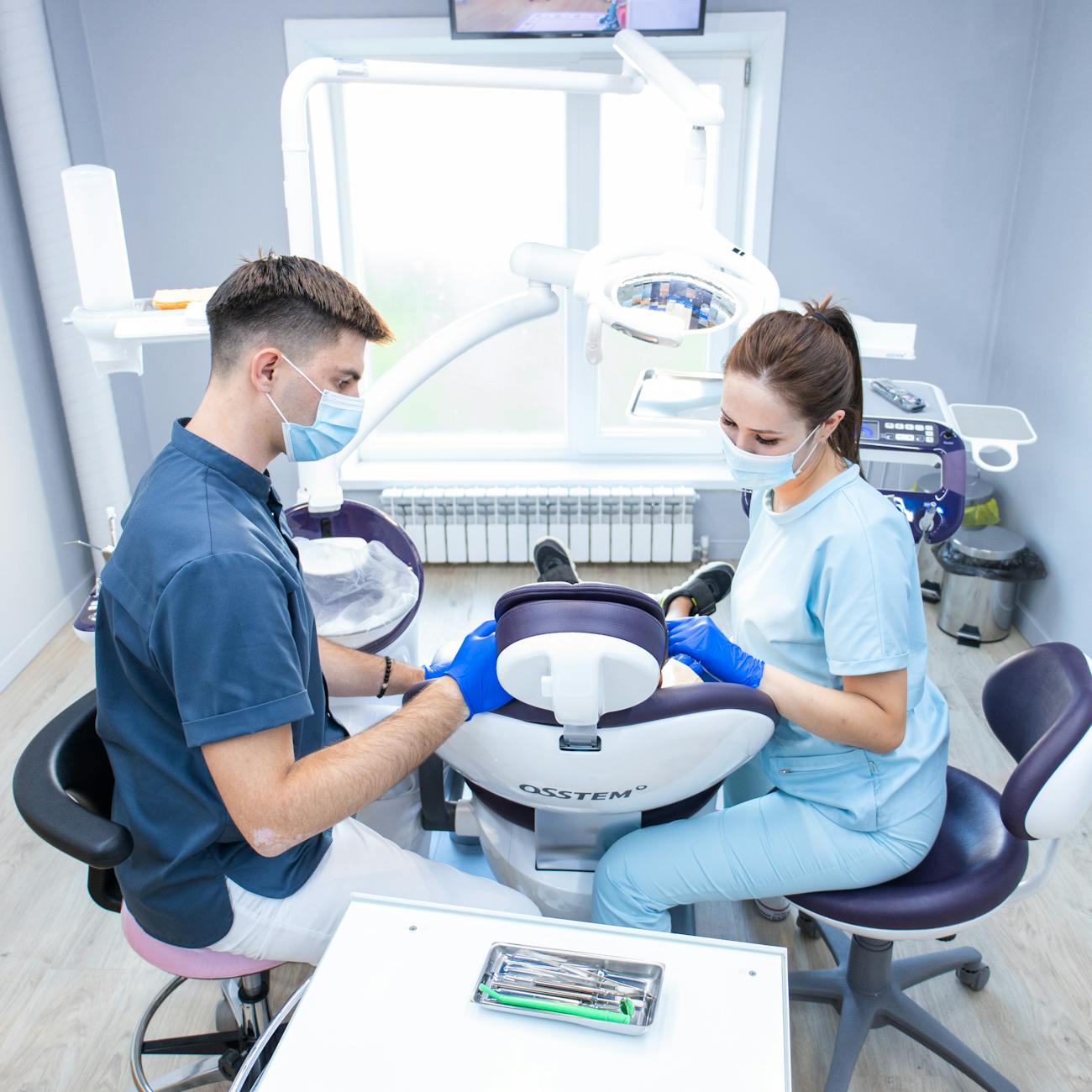
Effective communication is a critical component of providing quality patient experience in healthcare settings. It involves a complex process of exchanging information, thoughts, and feelings between individuals or groups. In the context of the Postgraduate Certificate in Patient Experience Strategies, understanding key terms and vocabulary related to effective communication is essential for healthcare professionals to enhance patient satisfaction and improve health outcomes.
1. **Communication**: Communication is the process of exchanging information, thoughts, or feelings between individuals or groups. It can be verbal, non-verbal, written, or visual. Effective communication is essential in healthcare settings to ensure accurate information exchange and build trust between healthcare providers and patients.
2. **Patient Experience**: Patient experience refers to the sum of all interactions a patient has with the healthcare system, including communication, care delivery, and support services. A positive patient experience is crucial for patient satisfaction, adherence to treatment plans, and overall health outcomes.
3. **Strategies**: Strategies are plans or methods designed to achieve a specific goal or outcome. In the context of patient experience, strategies are implemented to improve communication, enhance patient satisfaction, and optimize the overall healthcare experience.
4. **Interpersonal Communication**: Interpersonal communication refers to the exchange of information, thoughts, and feelings between individuals. In healthcare settings, effective interpersonal communication is essential for building rapport with patients, understanding their needs, and providing personalized care.
5. **Verbal Communication**: Verbal communication involves the use of spoken words to convey information or messages. Healthcare professionals rely on verbal communication to explain diagnoses, treatment options, and care instructions to patients.
6. **Non-Verbal Communication**: Non-verbal communication includes gestures, facial expressions, body language, and tone of voice. In healthcare settings, non-verbal cues play a crucial role in conveying empathy, understanding, and support to patients.
7. **Active Listening**: Active listening is a communication technique that involves fully concentrating on what is being said, understanding the message, and responding appropriately. Healthcare providers use active listening to empathize with patients, clarify information, and address their concerns effectively.
8. **Empathy**: Empathy is the ability to understand and share the feelings of another person. Healthcare professionals demonstrate empathy by showing compassion, acknowledging patients' emotions, and responding with sensitivity to their needs.
9. **Cultural Competence**: Cultural competence refers to the ability to interact effectively with individuals from different cultural backgrounds. In healthcare, cultural competence is essential for understanding patients' beliefs, values, and practices to provide culturally sensitive care.
10. **Health Literacy**: Health literacy is the ability to obtain, understand, and use healthcare information to make informed decisions about one's health. Healthcare providers must communicate health information in a clear, concise manner to improve patients' health literacy and empower them to take control of their health.
11. **Informed Consent**: Informed consent is the process of obtaining permission from a patient before conducting a healthcare intervention or treatment. Effective communication is key to ensuring that patients understand the risks, benefits, and alternatives of a proposed treatment and can make informed decisions about their care.
12. **Conflict Resolution**: Conflict resolution is the process of resolving disagreements or disputes between individuals or groups. In healthcare settings, effective communication skills are essential for addressing conflicts, managing difficult situations, and maintaining positive relationships with patients and colleagues.
13. **Health Communication**: Health communication is the practice of informing, influencing, and motivating individuals and communities to adopt healthy behaviors. Effective health communication strategies can improve patient engagement, promote preventive care, and enhance overall health outcomes.
14. **Interprofessional Communication**: Interprofessional communication involves collaboration and information sharing among healthcare professionals from different disciplines. Effective interprofessional communication is essential for delivering coordinated care, improving patient safety, and optimizing healthcare outcomes.
15. **Patient-Centered Communication**: Patient-centered communication focuses on meeting the individual needs and preferences of patients. Healthcare providers who practice patient-centered communication involve patients in decision-making, respect their autonomy, and tailor care to their unique circumstances.
16. **Digital Communication**: Digital communication refers to the use of electronic devices and platforms to exchange information. In healthcare, digital communication tools such as telemedicine, electronic health records, and patient portals can enhance communication, streamline processes, and improve access to care.
17. **Feedback**: Feedback is information provided to individuals about their performance or behavior. In healthcare settings, feedback is essential for improving communication skills, addressing areas for growth, and enhancing patient satisfaction.
18. **Communication Skills Training**: Communication skills training involves teaching healthcare professionals how to communicate effectively with patients, colleagues, and other stakeholders. Training programs focus on enhancing verbal and non-verbal communication, active listening, empathy, and conflict resolution skills.
19. **Communication Barriers**: Communication barriers are factors that hinder the exchange of information or understanding between individuals. Common communication barriers in healthcare include language differences, cultural differences, health literacy limitations, and emotional barriers.
20. **Communication Tools**: Communication tools are resources or technologies used to facilitate communication in healthcare settings. Examples of communication tools include patient education materials, interpreter services, communication boards, and telecommunication devices.
21. **Patient Feedback**: Patient feedback is input provided by patients about their experiences with healthcare services. Healthcare organizations collect patient feedback through surveys, focus groups, and patient satisfaction scores to identify areas for improvement and enhance the patient experience.
22. **Patient Advocacy**: Patient advocacy involves supporting and promoting the rights and interests of patients. Healthcare providers who practice patient advocacy communicate openly, advocate for patients' needs, and ensure they receive high-quality care and support.
23. **Shared Decision-Making**: Shared decision-making is a collaborative approach to healthcare decision-making that involves patients, families, and healthcare providers. Effective communication is essential for sharing information, discussing treatment options, and reaching consensus on care plans that align with patients' values and preferences.
24. **Interpersonal Skills**: Interpersonal skills are the abilities to interact effectively with others, build relationships, and communicate clearly. Healthcare professionals with strong interpersonal skills can establish trust, show empathy, and engage with patients in a respectful and supportive manner.
25. **Conflict Management**: Conflict management involves strategies for addressing and resolving conflicts in a constructive manner. Healthcare providers use conflict management skills to de-escalate tense situations, find common ground, and reach mutually acceptable solutions with patients and colleagues.
26. **Quality Improvement**: Quality improvement is the process of continuously assessing and enhancing the quality of healthcare services. Effective communication is essential for implementing quality improvement initiatives, gathering feedback from stakeholders, and driving positive changes in patient care.
27. **Team Communication**: Team communication involves sharing information, coordinating activities, and collaborating effectively within healthcare teams. Clear and open communication among team members is essential for promoting teamwork, enhancing patient safety, and delivering coordinated care.
28. **Professionalism**: Professionalism in healthcare refers to the conduct, attitudes, and behaviors that reflect high ethical standards and respect for patients and colleagues. Effective communication is a cornerstone of professionalism, demonstrating integrity, empathy, and accountability in all interactions.
29. **Ethical Communication**: Ethical communication involves upholding principles of honesty, confidentiality, and respect in all interactions. Healthcare professionals must adhere to ethical standards when communicating with patients, colleagues, and other stakeholders to maintain trust and integrity in the healthcare environment.
30. **Boundary Setting**: Boundary setting is the practice of establishing clear limits and expectations in professional relationships. Effective communication is essential for setting boundaries with patients, maintaining appropriate roles, and ensuring ethical conduct in healthcare interactions.
In conclusion, mastering key terms and vocabulary related to effective communication is essential for healthcare professionals pursuing the Postgraduate Certificate in Patient Experience Strategies. By developing strong communication skills, understanding communication strategies, and navigating communication challenges, professionals can enhance patient experience, improve health outcomes, and contribute to the delivery of high-quality, patient-centered care.
Key takeaways
- Effective communication is a critical component of providing quality patient experience in healthcare settings.
- Effective communication is essential in healthcare settings to ensure accurate information exchange and build trust between healthcare providers and patients.
- **Patient Experience**: Patient experience refers to the sum of all interactions a patient has with the healthcare system, including communication, care delivery, and support services.
- In the context of patient experience, strategies are implemented to improve communication, enhance patient satisfaction, and optimize the overall healthcare experience.
- In healthcare settings, effective interpersonal communication is essential for building rapport with patients, understanding their needs, and providing personalized care.
- Healthcare professionals rely on verbal communication to explain diagnoses, treatment options, and care instructions to patients.
- **Non-Verbal Communication**: Non-verbal communication includes gestures, facial expressions, body language, and tone of voice.