
Art and Creativity in AI
Art and Creativity in AI can be a fascinating and innovative field that merges the worlds of technology and art. This course, Professional Certificate in Interdisciplinary AI for Artistic Endeavors, explores the intersection of artificial i…
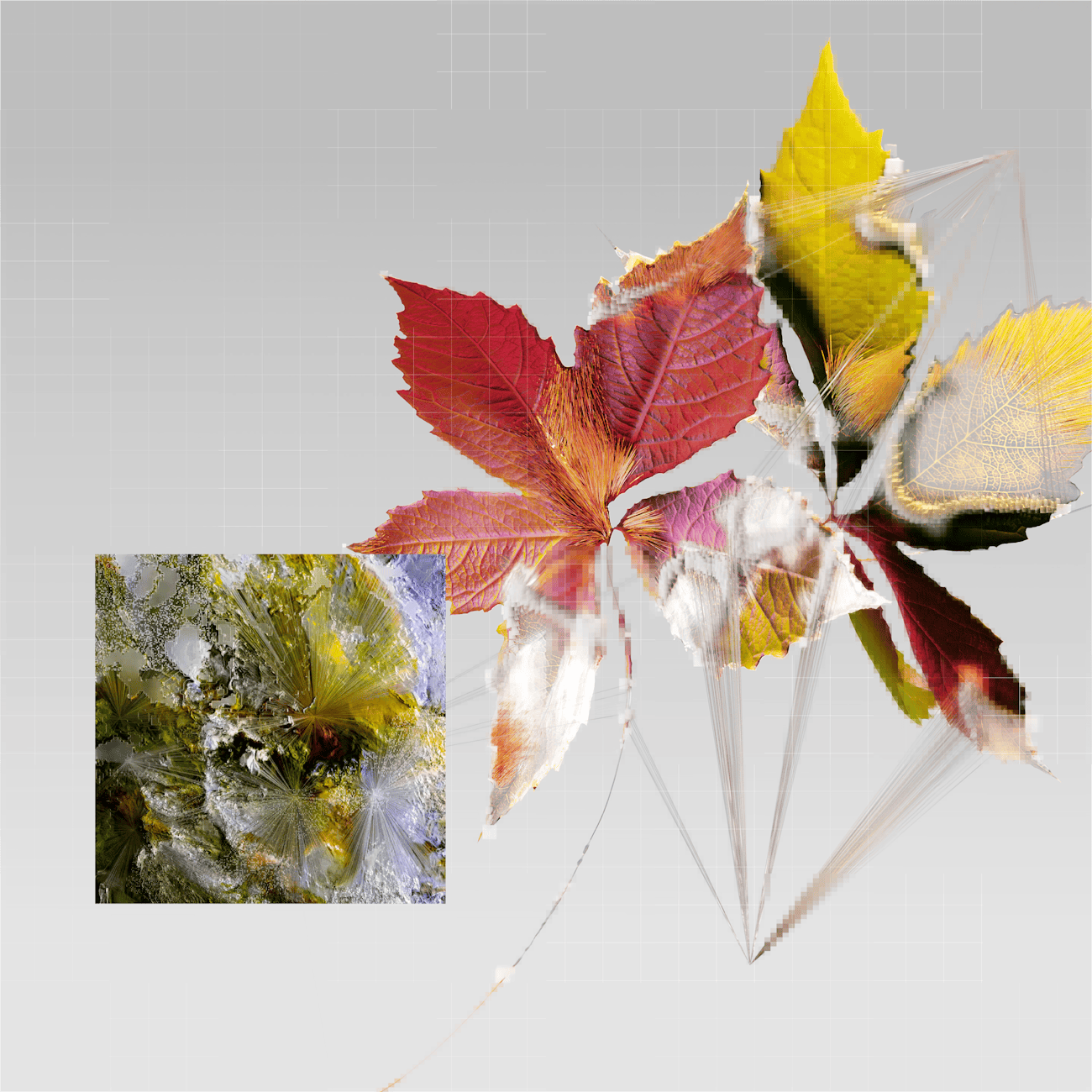
Art and Creativity in AI can be a fascinating and innovative field that merges the worlds of technology and art. This course, Professional Certificate in Interdisciplinary AI for Artistic Endeavors, explores the intersection of artificial intelligence and creativity, providing a comprehensive understanding of key terms and vocabulary essential to navigating this exciting domain.
**Artificial Intelligence (AI)**
Artificial Intelligence refers to the simulation of human intelligence processes by machines, particularly computer systems. AI encompasses tasks such as learning, reasoning, problem-solving, perception, and language understanding. In the context of art and creativity, AI can be used to generate, interpret, or enhance artistic works.
**Machine Learning (ML)**
Machine Learning is a subset of AI that allows machines to learn from data without being explicitly programmed. ML algorithms can recognize patterns within data and make decisions or predictions based on those patterns. In the context of art, ML can be used to analyze artistic styles, generate new artworks, or assist artists in their creative process.
**Generative Adversarial Networks (GANs)**
Generative Adversarial Networks are a type of neural network architecture used in unsupervised machine learning. GANs consist of two neural networks, a generator, and a discriminator, that work together to generate new data. In the context of art, GANs can be used to create realistic images, music, or other artistic content.
**Neural Networks**
Neural Networks are a set of algorithms modeled after the human brain's structure and function. They are used in machine learning to recognize patterns in data and make predictions. In art and creativity, neural networks can be used for image recognition, style transfer, or even to create entirely new artworks.
**Deep Learning**
Deep Learning is a subset of ML that uses neural networks with multiple layers to learn complex patterns in data. Deep Learning algorithms are capable of automatically learning representations from data, making them ideal for tasks such as image recognition, natural language processing, and artistic generation.
**Natural Language Processing (NLP)**
Natural Language Processing is a branch of AI that focuses on the interaction between computers and human language. NLP algorithms can understand, interpret, and generate human language, enabling applications such as chatbots, language translation, and text analysis. In art, NLP can be used to analyze textual content, generate poetry, or assist in storytelling.
**Computer Vision**
Computer Vision is a field of AI that enables computers to interpret visual information from the real world. Computer Vision algorithms can analyze and understand digital images or videos, making them useful for tasks such as image recognition, object detection, and image generation in the context of art and creativity.
**Creative AI**
Creative AI refers to the use of artificial intelligence technologies to assist or enhance human creativity. Creative AI systems can generate new artistic content, provide inspiration to artists, or help in the creative process. Examples of Creative AI applications include AI-generated paintings, music, poetry, and storytelling.
**Data Visualization**
Data Visualization is the graphical representation of information and data. It uses visual elements such as charts, graphs, and maps to provide insights and help viewers understand complex data sets. In art and creativity, data visualization can be used to create visually compelling artworks that communicate information or tell a story.
**Virtual Reality (VR) and Augmented Reality (AR)**
Virtual Reality is a computer-generated simulation of a three-dimensional environment that users can interact with in a seemingly real or physical way. Augmented Reality overlays digital content onto the real world through a device like a smartphone or AR glasses. VR and AR technologies can be used in art and creativity to create immersive experiences, interactive installations, and mixed-media artworks.
**Ethical Considerations in AI Art**
As AI technology continues to advance, ethical considerations become increasingly important in the field of AI art. Questions of authorship, ownership, bias, and privacy arise when using AI systems to create or analyze artistic content. It is crucial for artists, developers, and policymakers to address these ethical concerns and ensure that AI art is created and used responsibly.
**Challenges in Art and Creativity in AI**
While the intersection of art and AI presents exciting opportunities, it also poses several challenges. These challenges include the potential loss of human creativity and originality, ethical dilemmas surrounding the use of AI in art, technical limitations of AI algorithms, and the need for interdisciplinary collaboration between artists, technologists, and researchers. Overcoming these challenges requires a deep understanding of both the artistic and technical aspects of AI.
In conclusion, Art and Creativity in AI offer endless possibilities for innovation and exploration. By mastering the key terms and vocabulary presented in this course, learners can navigate the complex landscape of AI art with confidence and creativity. Embracing the fusion of technology and art, artists can push the boundaries of creativity and redefine what is possible in the world of artistic endeavors.
Key takeaways
- Art and Creativity in AI can be a fascinating and innovative field that merges the worlds of technology and art.
- Artificial Intelligence refers to the simulation of human intelligence processes by machines, particularly computer systems.
- In the context of art, ML can be used to analyze artistic styles, generate new artworks, or assist artists in their creative process.
- Generative Adversarial Networks are a type of neural network architecture used in unsupervised machine learning.
- In art and creativity, neural networks can be used for image recognition, style transfer, or even to create entirely new artworks.
- Deep Learning algorithms are capable of automatically learning representations from data, making them ideal for tasks such as image recognition, natural language processing, and artistic generation.
- NLP algorithms can understand, interpret, and generate human language, enabling applications such as chatbots, language translation, and text analysis.