
Communicate with diverse people
Communicate with diverse people
Communicate with diverse people
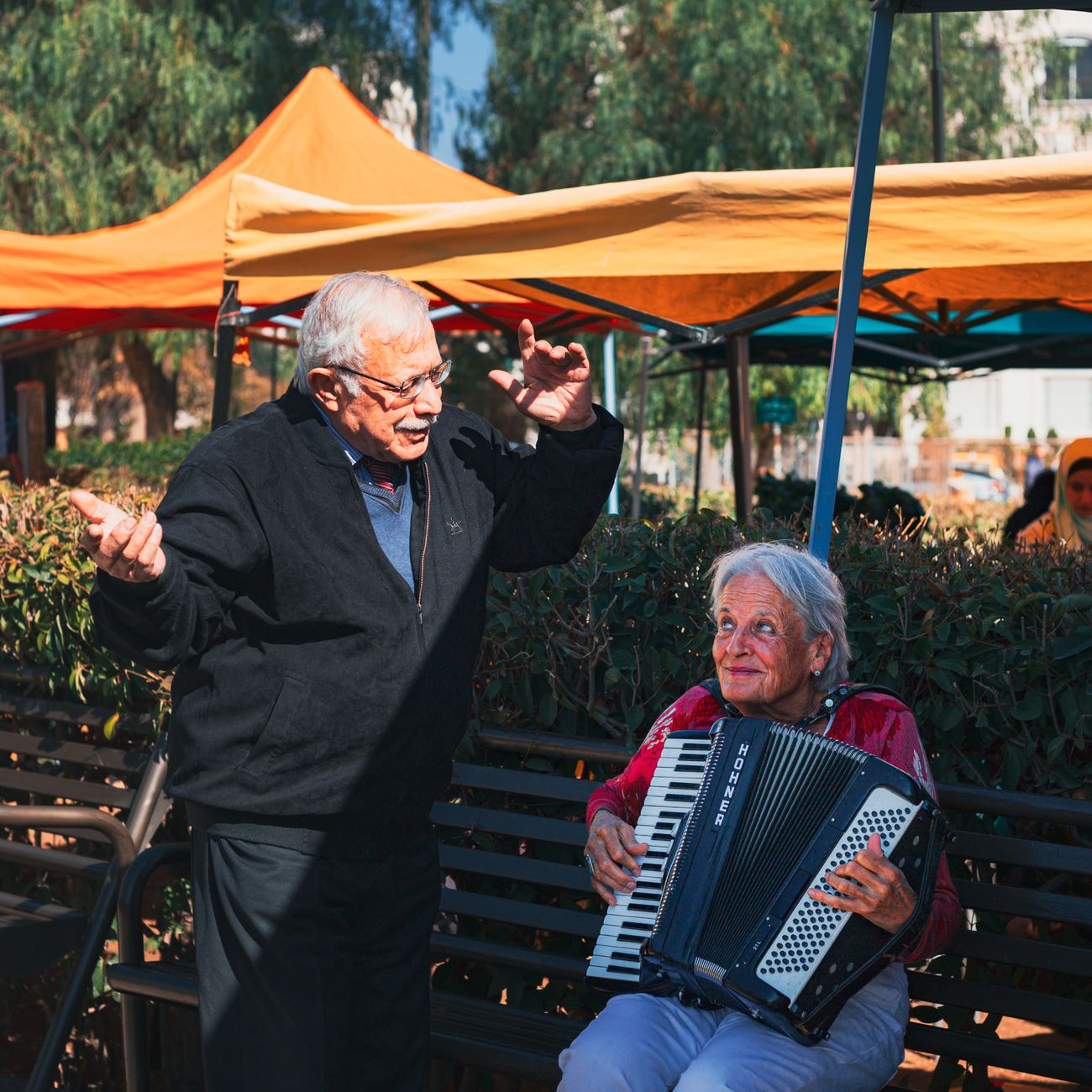
Communication is a vital aspect of providing care to diverse individuals in the aged care sector. Effective communication ensures that the needs of clients are understood and met, leading to improved outcomes and overall satisfaction. In the aged care setting, communication involves interacting with individuals from various cultural backgrounds, ages, abilities, and personalities. It is essential to tailor communication styles to meet the unique needs of each individual.
Key Terms and Vocabulary
1. Verbal Communication: Verbal communication involves the use of spoken words to convey messages. It includes speaking, listening, and responding to what is being said. Verbal communication is essential in the aged care setting to exchange information, provide instructions, and offer emotional support.
Examples: - Providing clear instructions on medication administration. - Engaging in conversations with clients to build rapport and trust.
Challenges: - Language barriers for clients with limited English proficiency. - Difficulty in understanding clients with speech impairments.
2. Nonverbal Communication: Nonverbal communication includes body language, facial expressions, gestures, and eye contact. It plays a significant role in conveying emotions, attitudes, and intentions. Nonverbal cues can enhance or contradict verbal messages.
Examples: - Maintaining eye contact to show attentiveness and respect. - Using gestures to communicate with clients who have hearing impairments.
Challenges: - Misinterpretation of nonverbal cues due to cultural differences. - Difficulty in reading nonverbal cues in clients with cognitive impairments.
3. Active Listening: Active listening involves fully concentrating on what is being said, understanding the message, and providing feedback to confirm understanding. It is a crucial skill in communication that demonstrates empathy and respect for the speaker.
Examples: - Paraphrasing what the client has said to ensure comprehension. - Asking clarifying questions to gather more information.
Challenges: - Distractions in the environment affecting listening. - Preconceived notions or biases hindering active listening.
4. Empathy: Empathy is the ability to understand and share the feelings of another person. It involves recognizing and acknowledging the emotions of clients, showing compassion, and providing support. Empathy builds trust and strengthens relationships.
Examples: - Acknowledging and validating the feelings of a grieving client. - Offering comfort and reassurance to a client experiencing anxiety.
Challenges: - Balancing empathy with professionalism. - Avoiding taking on the emotional burden of clients.
5. Cultural Competence: Cultural competence refers to the ability to interact effectively with individuals from diverse cultural backgrounds. It involves understanding and respecting cultural differences, beliefs, values, and practices. Cultural competence is essential in providing person-centered care.
Examples: - Adapting communication styles to match the cultural preferences of clients. - Respecting rituals and traditions important to clients' cultural backgrounds.
Challenges: - Stereotyping or making assumptions based on cultural stereotypes. - Addressing cultural taboos or sensitive topics respectfully.
6. Conflict Resolution: Conflict resolution involves addressing and resolving disagreements or misunderstandings in a constructive manner. It requires effective communication, active listening, empathy, and problem-solving skills. Conflict resolution promotes positive relationships and ensures a supportive environment for clients.
Examples: - Mediating a disagreement between clients in a shared living environment. - Addressing concerns raised by family members regarding care decisions.
Challenges: - Managing emotions during conflicts. - Balancing the needs and preferences of multiple parties involved.
7. Boundaries: Boundaries refer to the limits and guidelines that define appropriate and professional behavior in the aged care setting. Maintaining boundaries is essential to ensure ethical conduct, respect clients' privacy, and establish trust. Boundaries protect both clients and care providers.
Examples: - Respecting clients' personal space and privacy. - Setting limits on personal disclosures and maintaining a professional demeanor.
Challenges: - Navigating boundary issues with clients who may have cognitive impairments. - Recognizing and addressing boundary violations by colleagues or other professionals.
8. Person-Centered Care: Person-centered care focuses on the individual needs, preferences, and goals of clients. It involves engaging clients in decision-making, respecting their autonomy, and tailoring care plans to meet their unique requirements. Person-centered care promotes dignity, independence, and quality of life.
Examples: - Involving clients in care planning and goal setting. - Respecting clients' choices and preferences in daily activities.
Challenges: - Balancing person-centered care with organizational policies and procedures. - Addressing conflicting preferences or priorities among clients.
9. Interdisciplinary Communication: Interdisciplinary communication involves sharing information, collaborating, and coordinating care among different healthcare professionals and team members. It ensures continuity of care, promotes efficiency, and enhances client outcomes through a multidisciplinary approach.
Examples: - Communicating care plans and updates with nurses, doctors, therapists, and support staff. - Participating in team meetings to discuss client progress and goals.
Challenges: - Ensuring clear and timely communication among team members. - Resolving conflicts or differences in opinions among interdisciplinary team members.
10. Feedback: Feedback is information provided to individuals about their performance, behavior, or actions. It can be positive or constructive and is essential for professional development, continuous improvement, and quality assurance. Feedback promotes learning, growth, and accountability.
Examples: - Providing praise and recognition for excellent care provided. - Offering suggestions for improvement in communication or client interactions.
Challenges: - Receiving feedback with an open mind and willingness to change. - Giving feedback in a constructive and non-confrontational manner.
Practical Applications
In the aged care setting, effective communication with diverse people is essential for providing high-quality care and support. Here are some practical applications of key communication skills:
- Using active listening to understand the needs and concerns of clients. - Adapting communication styles to match the preferences of clients from different cultural backgrounds. - Demonstrating empathy and compassion in interactions with clients experiencing emotional distress. - Resolving conflicts or misunderstandings through open and respectful communication. - Maintaining professional boundaries to ensure ethical conduct and respect clients' rights. - Collaborating with interdisciplinary team members through clear and effective communication. - Seeking and providing feedback to promote continuous learning and improvement.
Challenges and Solutions
Communicating with diverse people in the aged care setting presents various challenges. Here are some common challenges and potential solutions:
1. Language Barriers: - Challenge: Clients with limited English proficiency may struggle to communicate their needs effectively. - Solution: Use interpreters, bilingual staff, or visual aids to facilitate communication. Use simple language and avoid jargon.
2. Cultural Differences: - Challenge: Misunderstandings may arise due to cultural differences in communication styles, beliefs, and values. - Solution: Educate yourself about clients' cultural backgrounds, ask questions to clarify, and be respectful of diverse practices.
3. Cognitive Impairments: - Challenge: Clients with cognitive impairments may have difficulty understanding or expressing themselves. - Solution: Use simple and clear language, provide visual cues or prompts, and be patient and supportive in communication.
4. Emotional Distress: - Challenge: Clients experiencing emotional distress may have difficulty communicating their feelings or needs. - Solution: Show empathy, actively listen, and provide emotional support through validation and reassurance.
5. Conflict Resolution: - Challenge: Conflicts may arise between clients, family members, or staff members. - Solution: Address conflicts promptly, listen to all parties involved, seek common ground, and find a mutually acceptable solution.
6. Burnout and Compassion Fatigue: - Challenge: Care providers may experience burnout or compassion fatigue from emotional demands of the job. - Solution: Practice self-care, seek support from colleagues or supervisors, and set boundaries to protect your well-being.
Conclusion
Effective communication with diverse people is a cornerstone of providing quality care in the aged care sector. By developing key communication skills such as active listening, empathy, cultural competence, and conflict resolution, care providers can build strong relationships, promote person-centered care, and enhance client outcomes. Understanding the challenges and solutions in communication allows care providers to navigate complex interactions with sensitivity, professionalism, and respect.Continual learning and practice of communication skills are essential for promoting positive experiences and well-being for clients in aged care.
Communicate with Diverse People in Aged Care
Key Terms and Vocabulary
In the Aged Care Certificate 3 Course, effective communication is crucial when interacting with diverse individuals in care settings. Understanding key terms and vocabulary related to communication can enhance your ability to build relationships, provide support, and meet the needs of elderly clients. Below are essential terms to help you communicate effectively with diverse people in aged care.
1. Active Listening Active listening is a communication technique that involves fully concentrating, understanding, responding, and remembering what is being said. It requires the listener to focus on the speaker, pay attention to verbal and non-verbal cues, and provide feedback to ensure understanding. Active listening is essential in aged care to show respect, empathy, and support to elderly individuals.
Example: When a resident shares their concerns about their health, actively listening involves maintaining eye contact, nodding to show understanding, and asking clarifying questions to demonstrate engagement.
2. Empathy Empathy is the ability to understand and share the feelings of another person. In aged care, empathy plays a vital role in connecting with elderly individuals, showing compassion, and providing emotional support. By putting yourself in the shoes of the person you are communicating with, you can better address their needs and concerns.
Example: When a resident expresses sadness over missing their family, showing empathy involves acknowledging their emotions, offering a comforting presence, and validating their feelings.
3. Non-Verbal Communication Non-verbal communication encompasses gestures, facial expressions, body language, and tone of voice that convey messages without using words. In aged care, non-verbal cues are essential for understanding residents who may have difficulty expressing themselves verbally. Being aware of non-verbal communication can help you interpret emotions, needs, and preferences.
Example: A resident who smiles and nods during a conversation may indicate agreement or contentment, while frowning and avoiding eye contact could signal discomfort or dissatisfaction.
4. Cultural Sensitivity Cultural sensitivity refers to the awareness, understanding, and respect for cultural differences and diversity. In aged care, cultural sensitivity is essential when interacting with residents from various cultural backgrounds, beliefs, and practices. Being culturally sensitive helps you avoid misunderstandings, build trust, and provide person-centered care.
Example: When serving meals to residents, being culturally sensitive involves offering dietary options that align with their cultural preferences, such as vegetarian or halal choices.
5. Verbal Communication Verbal communication involves the use of words, language, and speech to convey messages, thoughts, and information. In aged care, effective verbal communication is essential for providing instructions, discussing care plans, and engaging in conversations with residents. Clear and respectful verbal communication promotes understanding and fosters positive relationships.
Example: When explaining medication instructions to a resident, using simple language, speaking slowly, and asking if they have any questions can enhance communication and ensure comprehension.
6. Person-Centered Care Person-centered care is an approach that focuses on the individual's preferences, needs, and values when delivering care services. In aged care, person-centered care emphasizes treating residents as unique individuals with dignity, respect, and autonomy. By considering the person's background, preferences, and goals, you can provide personalized care that promotes well-being and independence.
Example: When assisting a resident with daily activities, adopting a person-centered approach involves involving them in decision-making, respecting their choices, and adapting care plans to meet their individual needs.
7. Conflict Resolution Conflict resolution is the process of addressing and resolving disagreements, misunderstandings, or disputes in a constructive manner. In aged care, conflicts may arise between residents, staff members, or family members, requiring effective communication and problem-solving skills to reach a resolution. By listening actively, acknowledging different perspectives, and finding common ground, conflicts can be resolved peacefully.
Example: When two residents have a disagreement over shared space, conflict resolution involves facilitating a discussion, clarifying concerns, and finding a compromise that respects both parties' needs.
8. Dementia Communication Dementia communication refers to specialized strategies and techniques for interacting with individuals living with dementia. Dementia can affect communication skills, memory, and understanding, requiring caregivers to adapt their communication styles to meet the needs of residents with cognitive impairment. Using simple language, visual cues, and positive reinforcement can improve communication and reduce frustration for individuals with dementia.
Example: When communicating with a resident with dementia, using familiar names, maintaining a calm tone, and providing visual cues can help them follow instructions and feel more comfortable in their environment.
9. Confidentiality Confidentiality is the ethical principle of keeping personal information, conversations, and records private and secure. In aged care, confidentiality is crucial for maintaining trust, privacy, and respect for residents' rights. Caregivers must uphold confidentiality by only sharing information on a need-to-know basis and following legal requirements to protect residents' sensitive data.
Example: When discussing a resident's medical condition with colleagues, maintaining confidentiality involves speaking in a private setting, using coded language, and ensuring that sensitive information is not overheard by others.
10. Advocacy Advocacy involves speaking up, supporting, and representing the rights and interests of individuals who may be vulnerable or unable to advocate for themselves. In aged care, advocacy is essential for ensuring that residents receive quality care, respect, and dignity. Caregivers act as advocates by listening to residents' concerns, addressing their needs, and promoting their well-being within the care setting.
Example: When a resident expresses dissatisfaction with their care plan, advocacy involves advocating for their preferences, communicating their concerns to the care team, and working together to find a solution that meets their needs.
11. Inclusive Communication Inclusive communication is the practice of using language, gestures, and behaviors that respect and include individuals of all backgrounds, abilities, and identities. In aged care, inclusive communication promotes diversity, equity, and accessibility for residents with varying needs and preferences. By using inclusive language, providing alternative communication methods, and creating a welcoming environment, caregivers can ensure that all residents feel valued and understood.
Example: When addressing a group of residents with diverse abilities, inclusive communication involves using clear language, visual aids, and different communication styles to accommodate everyone's needs and preferences.
12. Feedback Feedback is information provided in response to a task, behavior, or performance to help individuals improve, reflect, and grow. In aged care, feedback plays a crucial role in promoting learning, enhancing communication skills, and fostering a culture of continuous improvement. By giving and receiving feedback constructively, caregivers can identify strengths, address areas for development, and enhance their communication effectiveness.
Example: After conducting a group activity with residents, receiving feedback involves asking for their thoughts, listening to their suggestions, and incorporating their input into future activities to enhance engagement and satisfaction.
13. Boundaries Boundaries are the limits, rules, and guidelines that define professional relationships, roles, and responsibilities in aged care settings. Setting clear boundaries is essential for maintaining respectful, ethical, and professional communication with residents, colleagues, and families. Caregivers establish boundaries by respecting privacy, maintaining confidentiality, and avoiding dual relationships that may compromise the quality of care.
Example: When interacting with residents, boundaries involve maintaining a professional demeanor, refraining from sharing personal information, and adhering to policies to ensure appropriate boundaries are maintained at all times.
14. Supportive Communication Supportive communication involves using language, gestures, and behaviors that convey empathy, understanding, and encouragement to individuals in need of assistance or comfort. In aged care, supportive communication is essential for building trust, reducing anxiety, and enhancing the well-being of residents facing challenges or transitions. By offering reassurance, active listening, and validation, caregivers can provide emotional support and promote a sense of security for residents.
Example: When comforting a resident who is feeling anxious, supportive communication involves using a calm tone, offering words of reassurance, and providing physical comfort through a gentle touch to convey empathy and understanding.
15. Reflection Reflection is the process of thinking critically, analyzing experiences, and evaluating communication interactions to gain insights, learnings, and improvements. In aged care, reflection helps caregivers assess their communication skills, identify areas for growth, and enhance their understanding of residents' needs and preferences. By reflecting on past interactions, caregivers can adapt their communication strategies, build rapport, and achieve positive outcomes in their caregiving roles.
Example: After a challenging conversation with a resident, reflection involves considering what went well, what could have been improved, and how to apply lessons learned in future interactions to enhance communication effectiveness and build stronger relationships.
16. Consent Consent is the voluntary agreement or permission given by an individual to receive care, treatment, or services based on full understanding and information. In aged care, obtaining consent is essential for respecting residents' autonomy, rights, and dignity. Caregivers must seek informed consent before providing care, sharing information, or involving residents in decision-making processes to ensure that their choices and preferences are respected.
Example: Before assisting a resident with personal care tasks, obtaining consent involves explaining the procedures, obtaining verbal or written agreement, and addressing any concerns or questions raised by the resident to ensure that care is provided in a respectful and person-centered manner.
17. Interpersonal Skills Interpersonal skills are the abilities, traits, and behaviors that enable individuals to communicate effectively, collaborate, and build relationships with others. In aged care, interpersonal skills are essential for fostering trust, empathy, and positive interactions with residents, families, and colleagues. By demonstrating active listening, empathy, and respect, caregivers can establish rapport, resolve conflicts, and provide person-centered care that meets the diverse needs of elderly individuals.
Example: When engaging with residents in group activities, interpersonal skills involve promoting inclusivity, encouraging participation, and adapting communication styles to accommodate different preferences and abilities to ensure that all residents feel valued and engaged.
18. Reflection Reflection is the process of thinking critically, analyzing experiences, and evaluating communication interactions to gain insights, learnings, and improvements. In aged care, reflection helps caregivers assess their communication skills, identify areas for growth, and enhance their understanding of residents' needs and preferences. By reflecting on past interactions, caregivers can adapt their communication strategies, build rapport, and achieve positive outcomes in their caregiving roles.
Example: After a challenging conversation with a resident, reflection involves considering what went well, what could have been improved, and how to apply lessons learned in future interactions to enhance communication effectiveness and build stronger relationships.
Key takeaways
- In the aged care setting, communication involves interacting with individuals from various cultural backgrounds, ages, abilities, and personalities.
- Verbal communication is essential in the aged care setting to exchange information, provide instructions, and offer emotional support.
- Examples: - Providing clear instructions on medication administration.
- Challenges: - Language barriers for clients with limited English proficiency.
- Nonverbal Communication: Nonverbal communication includes body language, facial expressions, gestures, and eye contact.
- - Using gestures to communicate with clients who have hearing impairments.
- Challenges: - Misinterpretation of nonverbal cues due to cultural differences.