
Creating a Positive Learning Environment in the IB Programme
Creating a Positive Learning Environment in the IB Programme involves various key terms and vocabulary that are essential for educators to understand and implement effectively. These terms encompass theories, strategies, and practices that …
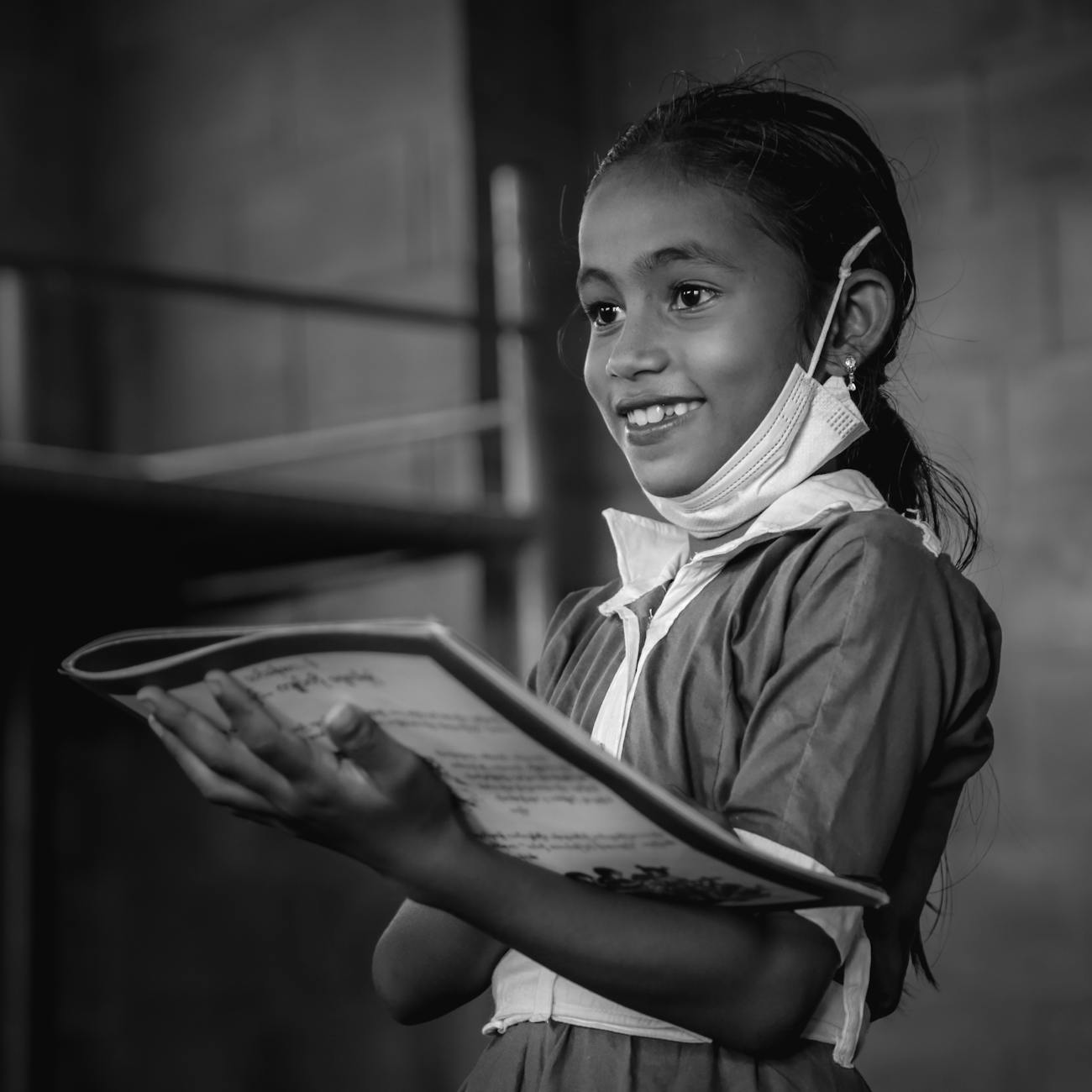
Creating a Positive Learning Environment in the IB Programme involves various key terms and vocabulary that are essential for educators to understand and implement effectively. These terms encompass theories, strategies, and practices that contribute to a supportive and engaging classroom environment conducive to student learning and growth. Let's explore these key terms in detail:
1. **International Baccalaureate (IB) Programme**: The IB Programme is a rigorous and internationally recognized educational framework that focuses on developing well-rounded students who are academically curious, socially responsible, and culturally aware. It emphasizes critical thinking, inquiry-based learning, and intercultural understanding.
2. **Positive Learning Environment**: A positive learning environment is characterized by a sense of safety, respect, collaboration, and support among students and teachers. It fosters motivation, engagement, and academic achievement by creating a welcoming and inclusive space for learning.
3. **Classroom Climate**: Classroom climate refers to the emotional and social atmosphere of a classroom. A positive classroom climate promotes positive relationships, effective communication, and a sense of belonging among students, which in turn enhances learning outcomes.
4. **Teacher-student Relationship**: The relationship between teachers and students plays a crucial role in creating a positive learning environment. A strong teacher-student relationship is built on trust, respect, and clear communication, which fosters student engagement and academic success.
5. **Differentiated Instruction**: Differentiated instruction is an approach to teaching that recognizes and accommodates the diverse learning needs, interests, and abilities of students. It involves tailoring instruction, assessments, and learning activities to meet individual students' needs effectively.
6. **Inquiry-based Learning**: Inquiry-based learning is a student-centered approach that emphasizes questioning, critical thinking, and problem-solving. It encourages students to explore concepts, investigate real-world problems, and construct their understanding through active engagement and discovery.
7. **Constructivism**: Constructivism is a learning theory that posits that learners actively construct their knowledge and understanding through experiences, interactions, and reflection. It emphasizes the importance of hands-on learning, collaboration, and meaningful engagement in the learning process.
8. **Assessment for Learning**: Assessment for learning focuses on using assessment as a tool for improving student learning rather than just measuring performance. It involves providing timely feedback, setting clear learning goals, and involving students in self-assessment and reflection to enhance their learning outcomes.
9. **Cultural Competence**: Cultural competence refers to the ability to effectively interact and communicate with individuals from diverse cultural backgrounds. It involves being aware of one's cultural biases, respecting cultural differences, and promoting inclusivity and equity in the classroom.
10. **Social-emotional Learning (SEL)**: Social-emotional learning focuses on developing students' social and emotional skills, such as self-awareness, self-management, social awareness, relationship skills, and responsible decision-making. It helps students build healthy relationships, manage emotions, and make ethical choices.
11. **Mindfulness**: Mindfulness is a practice of being present in the moment, paying attention to one's thoughts and feelings without judgment. It can help students reduce stress, improve focus, and enhance self-regulation, which are essential for learning and overall well-being.
12. **Conflict Resolution**: Conflict resolution refers to the process of managing and resolving conflicts peacefully and constructively. It involves teaching students effective communication, problem-solving, and negotiation skills to address conflicts and build positive relationships with others.
13. **Cooperative Learning**: Cooperative learning is an instructional strategy that involves students working together in small groups to achieve a common goal. It promotes collaboration, communication, and teamwork skills while fostering a sense of community and support among students.
14. **Positive Reinforcement**: Positive reinforcement involves providing praise, rewards, or recognition to reinforce desired behaviors or outcomes. It can motivate students, boost their confidence, and encourage them to continue demonstrating positive behaviors in the classroom.
15. **Classroom Management**: Classroom management refers to the strategies and techniques teachers use to create a well-organized and productive learning environment. It involves setting clear expectations, establishing routines, and addressing behavior issues effectively to maximize student engagement and learning.
16. **Inclusive Education**: Inclusive education aims to provide equitable access to quality education for all students, including those with diverse learning needs, backgrounds, and abilities. It promotes diversity, equity, and social justice in education by ensuring that every student has the opportunity to learn and succeed.
17. **Student Voice**: Student voice refers to the meaningful participation and contribution of students in decision-making processes, curriculum design, and classroom activities. It empowers students, promotes their autonomy, and fosters a sense of ownership and responsibility for their learning.
18. **Community Engagement**: Community engagement involves collaborating with parents, caregivers, community members, and external partners to support student learning and well-being. It fosters strong relationships, mutual support, and shared responsibility for education within the broader community.
19. **Global Citizenship**: Global citizenship emphasizes the importance of understanding and addressing global challenges, promoting intercultural understanding, and advocating for social justice and sustainability. It encourages students to think critically, act ethically, and make a positive difference in the world.
20. **Professional Development**: Professional development refers to ongoing learning and growth opportunities for educators to enhance their knowledge, skills, and practices. It helps teachers stay current with best practices, improve their teaching effectiveness, and support student learning effectively.
By understanding and implementing these key terms and vocabulary related to creating a positive learning environment in the IB Programme, educators can create a supportive, engaging, and inclusive classroom that promotes student growth, learning, and success.
Key takeaways
- Creating a Positive Learning Environment in the IB Programme involves various key terms and vocabulary that are essential for educators to understand and implement effectively.
- It emphasizes critical thinking, inquiry-based learning, and intercultural understanding.
- **Positive Learning Environment**: A positive learning environment is characterized by a sense of safety, respect, collaboration, and support among students and teachers.
- A positive classroom climate promotes positive relationships, effective communication, and a sense of belonging among students, which in turn enhances learning outcomes.
- **Teacher-student Relationship**: The relationship between teachers and students plays a crucial role in creating a positive learning environment.
- **Differentiated Instruction**: Differentiated instruction is an approach to teaching that recognizes and accommodates the diverse learning needs, interests, and abilities of students.
- It encourages students to explore concepts, investigate real-world problems, and construct their understanding through active engagement and discovery.