
Assessment and Diagnosis of Sleep Disorders
Assessment and Diagnosis of Sleep Disorders
Assessment and Diagnosis of Sleep Disorders
Sleep disorders can significantly impact an individual's overall health, well-being, and quality of life. Therefore, proper assessment and diagnosis are crucial in identifying and treating these conditions effectively. In the Postgraduate Certificate in Sleep Dentistry, understanding key terms and concepts related to the assessment and diagnosis of sleep disorders is essential for providing comprehensive care to patients. Let's delve into some of the essential vocabulary you need to know in this field:
Sleep Architecture: Sleep architecture refers to the overall structure and pattern of a person's sleep cycles. It includes the various stages of sleep, such as REM (rapid eye movement) sleep and non-REM sleep. Assessing sleep architecture is crucial in diagnosing sleep disorders as abnormalities in these patterns can indicate underlying issues.
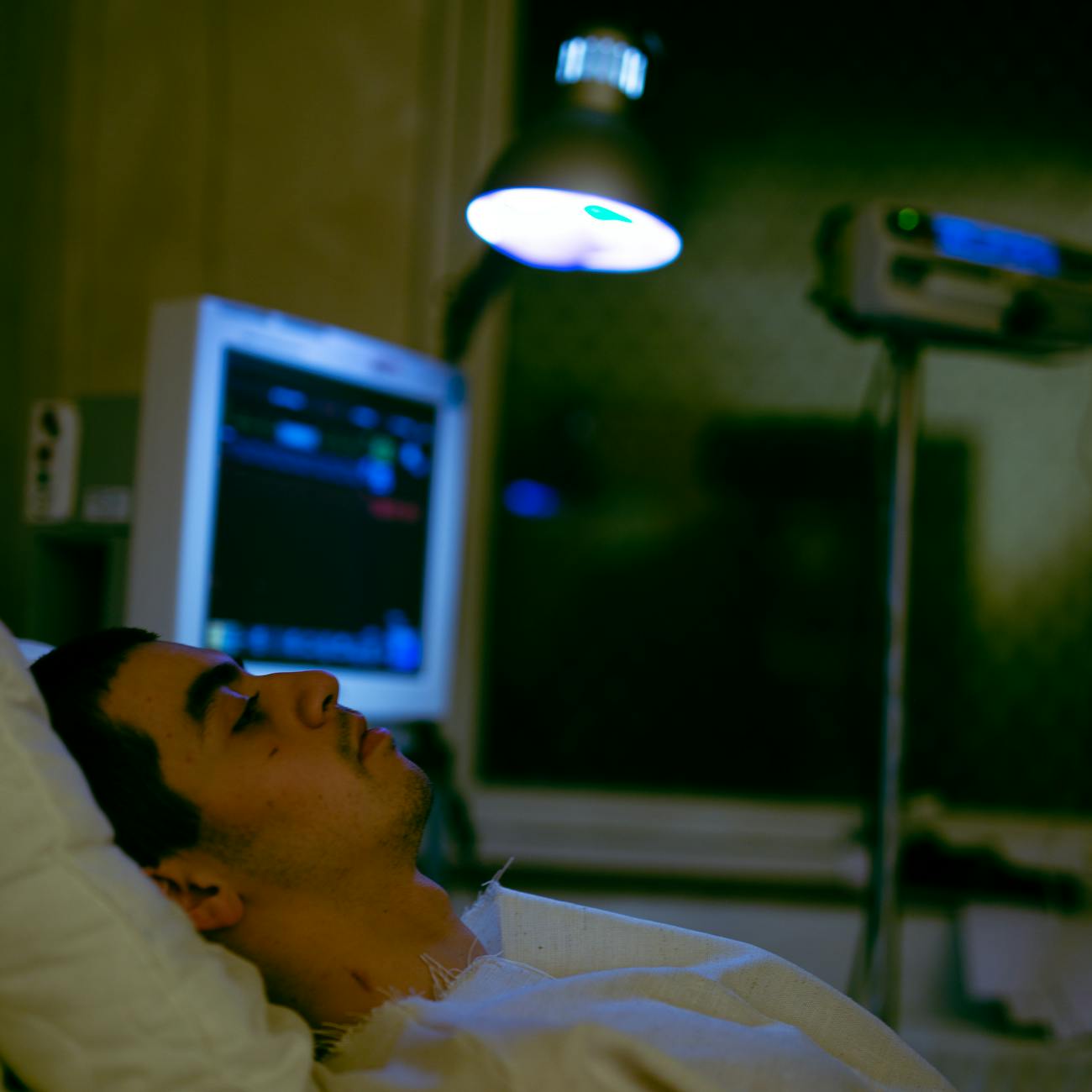
Polysomnography (PSG): Polysomnography is a comprehensive sleep study that monitors various physiological parameters during sleep. It typically includes measurements such as brain waves, eye movements, muscle activity, heart rate, and respiratory effort. PSG is considered the gold standard for diagnosing sleep disorders like sleep apnea.
Apnea: Apnea refers to a temporary cessation of breathing during sleep. It is a common symptom of sleep apnea, a condition characterized by recurrent episodes of complete or partial airway obstruction during sleep. Apnea events can lead to oxygen desaturation and disrupted sleep patterns.
Hypopnea: Hypopnea is a partial blockage of the airway during sleep, resulting in shallow or slow breathing. It is another common symptom of sleep apnea and can contribute to daytime fatigue, cognitive impairment, and other health issues.
Epworth Sleepiness Scale: The Epworth Sleepiness Scale is a questionnaire used to assess daytime sleepiness and determine the severity of excessive daytime sleepiness. Patients rate their likelihood of falling asleep in various situations, providing valuable information for diagnosing sleep disorders like narcolepsy and sleep apnea.
Actigraphy: Actigraphy is a non-invasive method of monitoring sleep-wake patterns using a small device worn on the wrist. It measures movement and light exposure to estimate sleep parameters like total sleep time, sleep efficiency, and sleep onset latency. Actigraphy is useful for assessing sleep disorders in a naturalistic setting.
Multiple Sleep Latency Test (MSLT): The MSLT is a diagnostic test used to evaluate daytime sleepiness and diagnose conditions like narcolepsy. It involves measuring how quickly a person falls asleep during scheduled naps throughout the day. Shorter sleep latency times may indicate excessive daytime sleepiness.
Home Sleep Apnea Testing (HSAT): HSAT is a simplified version of a sleep study that can be conducted at home to diagnose obstructive sleep apnea. It typically involves wearing a portable device that monitors breathing patterns, oxygen saturation, and other parameters during sleep. HSAT is more convenient and cost-effective than PSG for diagnosing sleep apnea in certain cases.
Periodic Limb Movement Disorder (PLMD): PLMD is a sleep disorder characterized by repetitive movements of the legs or arms during sleep. These movements can disrupt sleep and lead to daytime fatigue and impaired functioning. Diagnosis of PLMD often involves polysomnography and assessment of symptom severity.
Insomnia: Insomnia is a common sleep disorder characterized by difficulty falling asleep, staying asleep, or experiencing non-restorative sleep. It can be acute or chronic and may result from various factors, including stress, medical conditions, or lifestyle habits. Assessment of insomnia typically involves sleep diaries, questionnaires, and clinical interviews.
Circadian Rhythm Sleep-Wake Disorders: Circadian rhythm sleep-wake disorders involve disruptions in the body's internal clock, leading to difficulties with sleep timing and wakefulness. Conditions like delayed sleep phase disorder, advanced sleep phase disorder, and shift work disorder fall under this category. Assessment may include sleep logs, actigraphy, and melatonin levels.
REM Sleep Behavior Disorder (RBD): RBD is a parasomnia characterized by the loss of muscle atonia during REM sleep, leading to physically acting out dreams. Patients with RBD may exhibit violent or injurious behaviors during sleep. Diagnosis often involves polysomnography and assessment of dream enactment behaviors.
Obstructive Sleep Apnea (OSA): OSA is a common sleep disorder characterized by repetitive episodes of complete or partial upper airway obstruction during sleep. It can lead to snoring, daytime fatigue, cardiovascular complications, and other health issues. Diagnosis of OSA typically involves PSG, HSAT, or other sleep studies.
Narcolepsy: Narcolepsy is a neurological disorder characterized by excessive daytime sleepiness, sudden loss of muscle tone (cataplexy), sleep paralysis, and vivid hallucinations during sleep onset or upon awakening. Diagnosis of narcolepsy may involve the MSLT, evaluation of symptoms, and genetic testing for specific markers.
Restless Legs Syndrome (RLS): RLS is a sensorimotor disorder characterized by uncomfortable sensations in the legs and an irresistible urge to move them, particularly during periods of rest or inactivity. Symptoms can worsen at night and disrupt sleep. Diagnosis of RLS may involve clinical assessment, sleep studies, and iron levels testing.
Bruxism: Bruxism is a parafunctional activity characterized by teeth grinding or clenching, often during sleep. It can lead to dental problems, jaw pain, and disrupted sleep patterns. Diagnosis of bruxism may involve clinical examination, patient history, and monitoring of dental wear patterns.
Upper Airway Resistance Syndrome (UARS): UARS is a sleep-related breathing disorder characterized by increased resistance in the upper airway during sleep, leading to fragmented sleep and excessive daytime sleepiness. It shares some similarities with obstructive sleep apnea but may not always result in apnea events. Diagnosis of UARS may involve PSG or other sleep studies.
In conclusion, understanding the key terms and concepts related to the assessment and diagnosis of sleep disorders is essential for healthcare professionals working in the field of sleep dentistry. By familiarizing yourself with these terms and their implications, you can better evaluate and manage patients with various sleep-related conditions, ultimately improving their overall sleep quality and health outcomes.
Key takeaways
- In the Postgraduate Certificate in Sleep Dentistry, understanding key terms and concepts related to the assessment and diagnosis of sleep disorders is essential for providing comprehensive care to patients.
- Assessing sleep architecture is crucial in diagnosing sleep disorders as abnormalities in these patterns can indicate underlying issues.
- Polysomnography (PSG): Polysomnography is a comprehensive sleep study that monitors various physiological parameters during sleep.
- It is a common symptom of sleep apnea, a condition characterized by recurrent episodes of complete or partial airway obstruction during sleep.
- It is another common symptom of sleep apnea and can contribute to daytime fatigue, cognitive impairment, and other health issues.
- Epworth Sleepiness Scale: The Epworth Sleepiness Scale is a questionnaire used to assess daytime sleepiness and determine the severity of excessive daytime sleepiness.
- It measures movement and light exposure to estimate sleep parameters like total sleep time, sleep efficiency, and sleep onset latency.