
Treatment Options for Sleep Disorders
Sleep disorders are a common problem affecting many individuals worldwide. These disorders can have a significant impact on a person's quality of life, leading to daytime fatigue, irritability, and other negative consequences. Treatment opt…
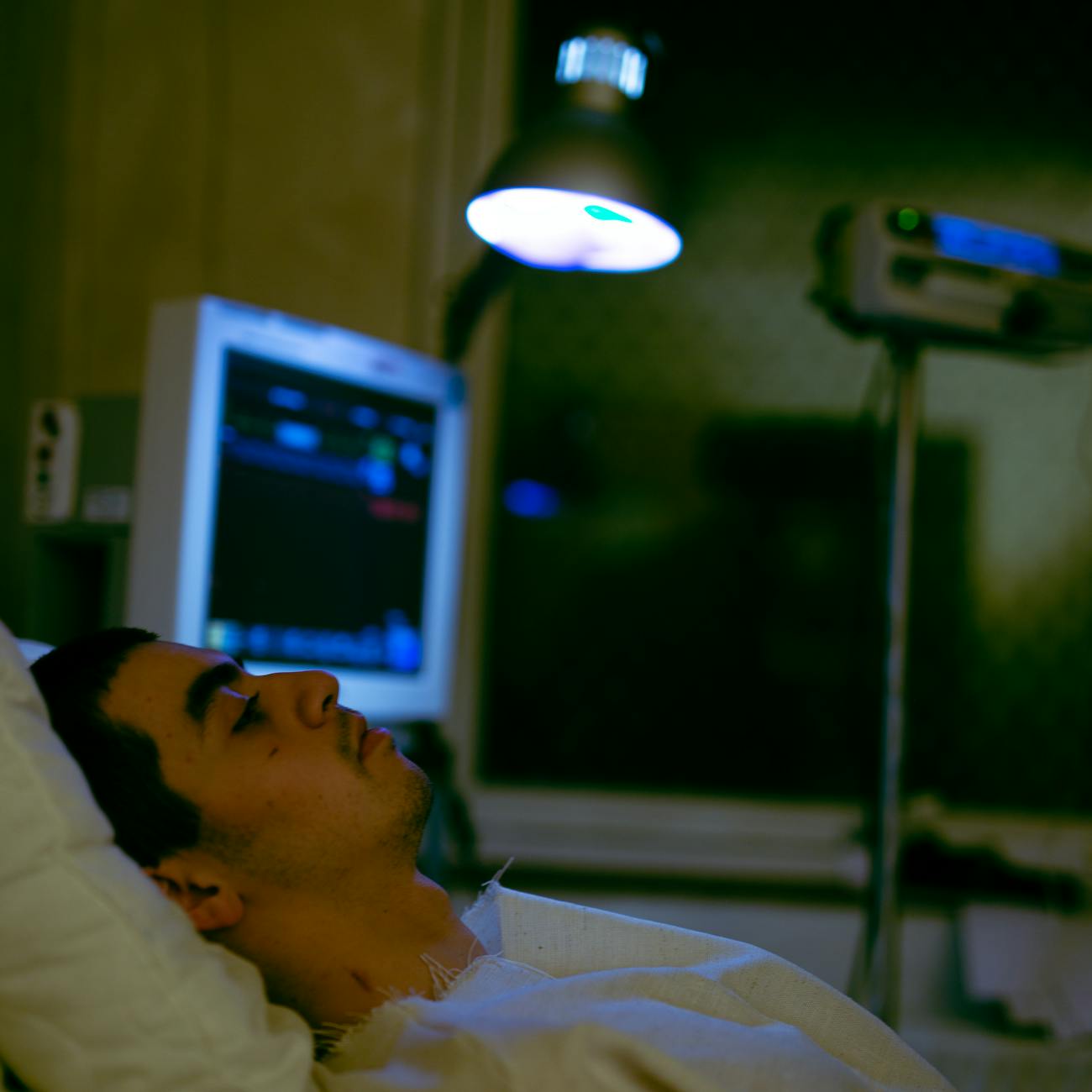
Sleep disorders are a common problem affecting many individuals worldwide. These disorders can have a significant impact on a person's quality of life, leading to daytime fatigue, irritability, and other negative consequences. Treatment options for sleep disorders can vary depending on the specific disorder and its underlying causes. In the Postgraduate Certificate in Sleep Dentistry, students will learn about various treatment options for sleep disorders, including both non-pharmacological and pharmacological interventions.
One key term in the field of sleep disorders is **Continuous Positive Airway Pressure (CPAP)**. CPAP is a common treatment for obstructive sleep apnea, a condition characterized by pauses in breathing during sleep due to a blocked airway. CPAP therapy involves wearing a mask connected to a machine that delivers a constant flow of air to keep the airway open. This helps prevent interruptions in breathing and improves the quality of sleep for individuals with sleep apnea.
Another important term to understand is **oral appliance therapy**. Oral appliances are devices that can be worn in the mouth during sleep to help treat certain sleep disorders, such as snoring and mild to moderate obstructive sleep apnea. These devices work by repositioning the jaw or tongue to help keep the airway open, reducing the risk of breathing disruptions during sleep. Oral appliance therapy is often used as an alternative to CPAP for individuals who find CPAP therapy uncomfortable or inconvenient.
**Behavioral therapies** are another key aspect of treating sleep disorders. These therapies focus on changing behaviors and habits that may contribute to sleep problems. For example, **cognitive-behavioral therapy for insomnia (CBT-I)** is a structured program that helps individuals identify and address negative thought patterns and behaviors that may be interfering with their ability to sleep. CBT-I may include techniques such as relaxation training, sleep restriction, and sleep hygiene education to improve sleep quality and duration.
In addition to non-pharmacological treatments, **pharmacological interventions** can also be used to manage certain sleep disorders. Medications such as **hypnotics** may be prescribed to help individuals with insomnia fall asleep or stay asleep. However, it is important to use these medications under the guidance of a healthcare professional, as they can have side effects and may not be suitable for long-term use.
**Surgical interventions** are another option for treating sleep disorders, particularly in cases where other treatments have been ineffective. Surgery may be recommended for individuals with certain types of sleep apnea or other anatomical abnormalities that contribute to their sleep problems. Surgical procedures may involve removing excess tissue from the throat, repositioning the jaw, or implanting devices to help keep the airway open during sleep.
It is important for healthcare providers specializing in sleep dentistry to have a comprehensive understanding of the various treatment options available for sleep disorders. By considering the individual needs and preferences of each patient, providers can develop personalized treatment plans that address the underlying causes of their sleep problems and improve their overall quality of life.
However, despite the availability of these treatment options, there are still challenges in effectively managing sleep disorders. One common challenge is **compliance** with treatment, particularly with CPAP therapy. Many individuals find wearing a CPAP mask during sleep uncomfortable or claustrophobic, leading to poor adherence to treatment. Healthcare providers must work closely with patients to address these concerns and find solutions that improve compliance and effectiveness of treatment.
Another challenge in treating sleep disorders is **diagnosis and monitoring**. Many sleep disorders can be difficult to diagnose, as symptoms may be subtle or overlap with other health conditions. Healthcare providers must use specialized **diagnostic tools** such as **polysomnography** and **home sleep apnea testing** to accurately assess the nature and severity of sleep disorders. Regular monitoring of treatment effectiveness is also crucial to ensure that patients are receiving the appropriate care and achieving positive outcomes.
In conclusion, the field of sleep dentistry offers a wide range of treatment options for individuals with sleep disorders. By understanding key terms and concepts related to these treatment options, healthcare providers can effectively manage and improve the quality of life for patients with sleep disorders. Through a combination of non-pharmacological, pharmacological, behavioral, and surgical interventions, providers can develop personalized treatment plans that address the unique needs of each patient and promote better sleep health. Despite the challenges associated with managing sleep disorders, healthcare providers play a crucial role in helping individuals achieve restful and rejuvenating sleep.
Key takeaways
- In the Postgraduate Certificate in Sleep Dentistry, students will learn about various treatment options for sleep disorders, including both non-pharmacological and pharmacological interventions.
- CPAP is a common treatment for obstructive sleep apnea, a condition characterized by pauses in breathing during sleep due to a blocked airway.
- Oral appliances are devices that can be worn in the mouth during sleep to help treat certain sleep disorders, such as snoring and mild to moderate obstructive sleep apnea.
- For example, **cognitive-behavioral therapy for insomnia (CBT-I)** is a structured program that helps individuals identify and address negative thought patterns and behaviors that may be interfering with their ability to sleep.
- However, it is important to use these medications under the guidance of a healthcare professional, as they can have side effects and may not be suitable for long-term use.
- Surgical procedures may involve removing excess tissue from the throat, repositioning the jaw, or implanting devices to help keep the airway open during sleep.
- By considering the individual needs and preferences of each patient, providers can develop personalized treatment plans that address the underlying causes of their sleep problems and improve their overall quality of life.