
Collaborative Care in Sleep Dentistry
Collaborative Care in Sleep Dentistry:
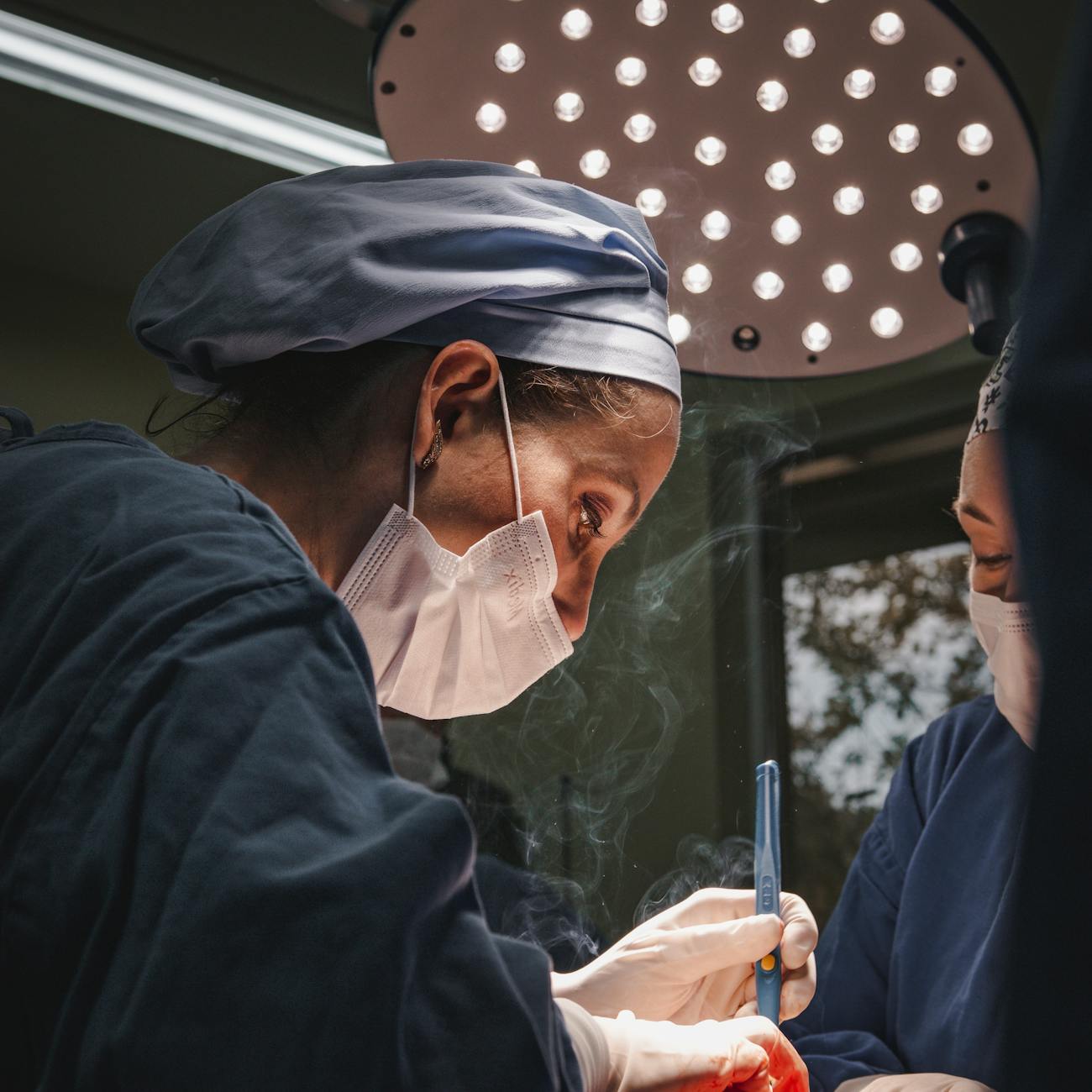
Collaborative Care in Sleep Dentistry:
Collaborative care in sleep dentistry refers to a multidisciplinary approach to treating sleep-related breathing disorders, such as obstructive sleep apnea (OSA). It involves cooperation and coordination among different healthcare professionals, including dentists, sleep physicians, primary care physicians, and other specialists, to provide comprehensive care for patients with sleep-disordered breathing.
Sleep Dentistry:
Sleep dentistry, also known as dental sleep medicine, is a branch of dentistry that focuses on the diagnosis, treatment, and management of sleep-related breathing disorders, particularly OSA. Dentists play a crucial role in treating these conditions by providing oral appliances that help keep the airway open during sleep.
Obstructive Sleep Apnea (OSA):
Obstructive sleep apnea is a common sleep disorder characterized by repetitive episodes of partial or complete upper airway obstruction during sleep, leading to pauses in breathing and disruptions in sleep patterns. OSA can have serious health consequences, including daytime fatigue, hypertension, cardiovascular disease, and cognitive impairment.
Multidisciplinary Team:
A multidisciplinary team in sleep dentistry consists of healthcare professionals from different disciplines who collaborate to provide comprehensive care for patients with sleep-related breathing disorders. This team typically includes dentists, sleep physicians, primary care physicians, respiratory therapists, and other specialists, depending on the specific needs of the patient.
Oral Appliance Therapy:
Oral appliance therapy is a non-invasive treatment option for OSA that involves wearing a custom-made oral appliance during sleep. These devices help reposition the jaw and tongue to prevent airway collapse and improve airflow, reducing the severity of sleep apnea symptoms and improving sleep quality.
Continuous Positive Airway Pressure (CPAP):
Continuous positive airway pressure is a common treatment for OSA that involves wearing a mask connected to a machine that delivers a continuous flow of air pressure to keep the airway open during sleep. CPAP is highly effective in treating OSA but may not be well-tolerated by all patients, leading to poor compliance.
Polysomnography:
Polysomnography is a sleep study that measures various physiological parameters during sleep, such as brain activity, heart rate, breathing patterns, and oxygen levels. This test helps diagnose sleep disorders, including OSA, and guides treatment decisions by providing valuable information about the severity and nature of the condition.
Epworth Sleepiness Scale:
The Epworth Sleepiness Scale is a questionnaire used to assess daytime sleepiness and overall sleep quality. Patients rate their likelihood of falling asleep in different situations, providing healthcare providers with valuable information about the severity of their sleep disturbances and the impact on their daily functioning.
Airway Anatomy:
Airway anatomy refers to the structure of the upper airway, including the nose, mouth, throat, and lungs. Understanding airway anatomy is crucial in diagnosing and treating sleep-related breathing disorders, as abnormalities or obstructions in these areas can contribute to the development of conditions like OSA.
Tongue Position:
The position of the tongue plays a significant role in airway patency during sleep. In patients with OSA, the tongue may fall back and obstruct the airway, leading to breathing difficulties and disrupted sleep patterns. Oral appliances work by repositioning the tongue to prevent airway collapse and improve airflow.
Maxillomandibular Advancement:
Maxillomandibular advancement is a surgical procedure used to treat severe cases of OSA by repositioning the upper and lower jaw forward to increase the size of the airway. This surgery can be highly effective in improving breathing during sleep and reducing the severity of sleep apnea symptoms in patients who do not respond to other treatments.
Compliance and Adherence:
Compliance and adherence refer to the extent to which patients follow treatment recommendations and use prescribed therapies consistently. In sleep dentistry, compliance with oral appliance therapy or CPAP treatment is crucial for achieving optimal outcomes and improving sleep quality, as poor adherence can lead to treatment failure and persistent symptoms.
Titration:
Titration is the process of adjusting the settings of a CPAP machine or oral appliance to optimize treatment efficacy and patient comfort. By gradually increasing or decreasing air pressure levels or mandibular advancement, healthcare providers can customize therapy to meet the individual needs of each patient and improve treatment outcomes.
Dental Sleep Medicine Society:
The Dental Sleep Medicine Society is an organization dedicated to promoting excellence in dental sleep medicine through education, research, and advocacy. Members of this society are committed to advancing the field of sleep dentistry and improving the quality of care for patients with sleep-related breathing disorders.
Telemedicine:
Telemedicine is the use of technology to provide healthcare services remotely, allowing patients to consult with healthcare providers, including dentists and sleep physicians, from a distance. Telemedicine has become increasingly popular in sleep dentistry, enabling more convenient access to care and improving patient compliance with treatment recommendations.
Home Sleep Testing:
Home sleep testing is a convenient and cost-effective alternative to in-lab polysomnography for diagnosing sleep disorders, including OSA. Patients can perform a sleep study at home using portable monitoring devices, providing valuable data on their breathing patterns and sleep quality to guide treatment decisions.
Insurance Coverage:
Insurance coverage for sleep dentistry services, including oral appliance therapy and CPAP treatment, can vary depending on the patient's insurance plan and the specific requirements of the insurer. Healthcare providers must be knowledgeable about insurance policies and billing practices to help patients navigate coverage options and access the care they need.
Quality of Life:
The quality of life is a measure of an individual's overall well-being and satisfaction with various aspects of their life, including physical health, emotional well-being, social relationships, and daily functioning. Improving sleep quality and treating sleep-related breathing disorders can have a significant impact on the quality of life by reducing symptoms, enhancing energy levels, and improving cognitive function.
Patient Education:
Patient education is a critical component of collaborative care in sleep dentistry, as it empowers patients to take an active role in managing their sleep-related breathing disorders. By providing information about the condition, treatment options, and lifestyle modifications, healthcare providers can help patients make informed decisions about their care and improve treatment outcomes.
Interprofessional Communication:
Interprofessional communication involves effective communication and collaboration among healthcare professionals from different disciplines, such as dentists, sleep physicians, and primary care providers, to ensure coordinated care for patients with sleep-related breathing disorders. Clear and open communication is essential for sharing information, coordinating treatment plans, and addressing patient needs effectively.
Follow-Up Care:
Follow-up care involves monitoring patients' progress after initiating treatment for sleep-related breathing disorders to assess treatment efficacy, address any issues or concerns, and make adjustments as needed. Regular follow-up appointments allow healthcare providers to track patient compliance, evaluate treatment outcomes, and optimize therapy for better long-term results.
Challenges in Collaborative Care:
Collaborative care in sleep dentistry presents several challenges, including coordinating care among multiple healthcare providers, ensuring consistent communication and information sharing, addressing barriers to treatment adherence, and navigating insurance coverage and reimbursement issues. Overcoming these challenges requires a dedicated and interdisciplinary approach to providing comprehensive care for patients with sleep-related breathing disorders.
Conclusion:
In conclusion, collaborative care in sleep dentistry is a multidisciplinary approach to treating sleep-related breathing disorders, such as OSA, that involves cooperation and coordination among different healthcare professionals. By working together to provide comprehensive care, dentists, sleep physicians, and other specialists can improve treatment outcomes, enhance patient compliance, and ultimately help patients achieve better sleep quality and overall well-being. Effective communication, patient education, and follow-up care are essential components of collaborative care in sleep dentistry, ensuring that patients receive the support and resources they need to manage their condition effectively and improve their quality of life.
Key takeaways
- Collaborative care in sleep dentistry refers to a multidisciplinary approach to treating sleep-related breathing disorders, such as obstructive sleep apnea (OSA).
- Sleep dentistry, also known as dental sleep medicine, is a branch of dentistry that focuses on the diagnosis, treatment, and management of sleep-related breathing disorders, particularly OSA.
- Obstructive sleep apnea is a common sleep disorder characterized by repetitive episodes of partial or complete upper airway obstruction during sleep, leading to pauses in breathing and disruptions in sleep patterns.
- A multidisciplinary team in sleep dentistry consists of healthcare professionals from different disciplines who collaborate to provide comprehensive care for patients with sleep-related breathing disorders.
- These devices help reposition the jaw and tongue to prevent airway collapse and improve airflow, reducing the severity of sleep apnea symptoms and improving sleep quality.
- Continuous positive airway pressure is a common treatment for OSA that involves wearing a mask connected to a machine that delivers a continuous flow of air pressure to keep the airway open during sleep.
- This test helps diagnose sleep disorders, including OSA, and guides treatment decisions by providing valuable information about the severity and nature of the condition.