
Pharmacological Interventions in Gastrointestinal Disease
Pharmacological interventions play a crucial role in managing gastrointestinal diseases, providing relief from symptoms, treating underlying conditions, and improving patients' quality of life. This comprehensive guide will cover key terms …
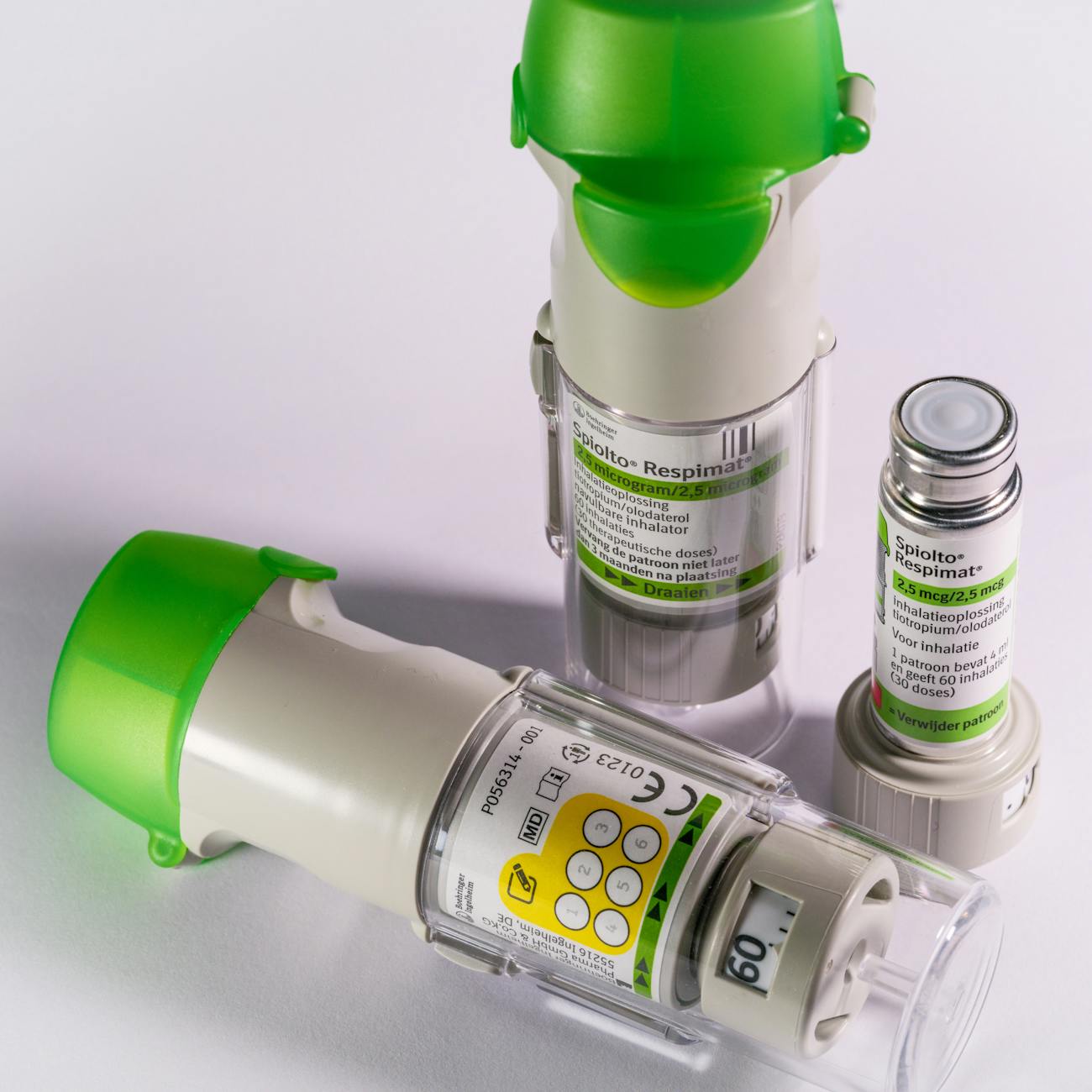
Pharmacological interventions play a crucial role in managing gastrointestinal diseases, providing relief from symptoms, treating underlying conditions, and improving patients' quality of life. This comprehensive guide will cover key terms and vocabulary related to pharmacological interventions in gastrointestinal disease, essential for healthcare professionals pursuing the Postgraduate Certificate in Gastrointestinal Disease Support.
1. **Gastrointestinal (GI) Disease**: - *Definition*: Gastrointestinal diseases refer to disorders affecting the digestive system, including the esophagus, stomach, intestines, liver, and pancreas. - *Example*: Irritable Bowel Syndrome (IBS), Crohn's Disease, Gastritis, and Peptic Ulcer Disease are common gastrointestinal diseases.
2. **Pharmacological Interventions**: - *Definition*: Pharmacological interventions involve the use of medications to prevent, treat, or manage symptoms of diseases. - *Example*: Prescribing proton pump inhibitors (PPIs) to reduce stomach acid production in patients with GERD is a common pharmacological intervention.
3. **Proton Pump Inhibitors (PPIs)**: - *Definition*: PPIs are medications that inhibit the proton pump in the stomach lining, reducing acid secretion and helping treat conditions such as GERD and peptic ulcers. - *Example*: Omeprazole, Esomeprazole, and Lansoprazole are common PPIs prescribed for acid-related gastrointestinal disorders.
4. **Antacids**: - *Definition*: Antacids are over-the-counter medications that neutralize stomach acid, providing quick relief from heartburn and indigestion. - *Example*: Tums, Rolaids, and Maalox are popular antacid brands used to alleviate symptoms of acid reflux.
5. **H2 Receptor Antagonists**: - *Definition*: H2 blockers are medications that reduce stomach acid production by blocking histamine receptors in the stomach lining. - *Example*: Ranitidine and Famotidine are common H2 receptor antagonists prescribed for peptic ulcers and GERD.
6. **Prokinetics**: - *Definition*: Prokinetic agents stimulate gastrointestinal motility, helping move food through the digestive tract more efficiently. - *Example*: Metoclopramide is a prokinetic medication used to treat gastroparesis and reflux symptoms by improving stomach emptying.
7. **Laxatives**: - *Definition*: Laxatives are medications that promote bowel movements, relieving constipation and improving gastrointestinal transit. - *Example*: Bulk-forming laxatives like Psyllium husk, osmotic laxatives such as Polyethylene glycol, and stimulant laxatives like Bisacodyl are commonly used for constipation management.
8. **Antidiarrheal Medications**: - *Definition*: Antidiarrheal drugs help control diarrhea by slowing down bowel movements and reducing excessive fluid secretion in the intestines. - *Example*: Loperamide (Imodium) and Bismuth subsalicylate (Pepto-Bismol) are popular antidiarrheal medications used to manage acute diarrhea.
9. **Immunosuppressants**: - *Definition*: Immunosuppressants are medications that suppress the immune system's activity, often used to manage autoimmune gastrointestinal diseases like Crohn's disease and ulcerative colitis. - *Example*: Azathioprine, Methotrexate, and Infliximab are immunosuppressants commonly prescribed for inflammatory bowel diseases (IBD).
10. **Corticosteroids**: - *Definition*: Corticosteroids are anti-inflammatory medications that help reduce inflammation in the gastrointestinal tract, providing relief from symptoms in conditions like IBD. - *Example*: Prednisone and Budesonide are corticosteroids often prescribed during IBD flares to control inflammation and symptoms.
11. **Biologics**: - *Definition*: Biologic therapies are medications derived from living organisms that target specific molecules involved in the inflammatory process, used to treat severe cases of autoimmune gastrointestinal diseases. - *Example*: Infliximab, Adalimumab, and Vedolizumab are biologic agents prescribed for moderate to severe Crohn's disease and ulcerative colitis.
12. **Antibiotics**: - *Definition*: Antibiotics are medications that kill or inhibit the growth of bacteria, used to treat bacterial infections in the gastrointestinal tract. - *Example*: Metronidazole and Ciprofloxacin are antibiotics commonly prescribed for bacterial gastroenteritis and Helicobacter pylori infections.
13. **Antiemetics**: - *Definition*: Antiemetic drugs help prevent or control nausea and vomiting, commonly used in chemotherapy-induced nausea, motion sickness, and postoperative nausea. - *Example*: Ondansetron, Metoclopramide, and Promethazine are antiemetic medications prescribed to manage nausea and vomiting in various gastrointestinal conditions.
14. **Challenges in Pharmacological Interventions**: - *Complexity*: Managing gastrointestinal diseases often requires a combination of medications, posing challenges in polypharmacy and drug interactions. - *Adverse Effects*: Many gastrointestinal medications have potential side effects, requiring careful monitoring and patient education. - *Resistance*: Overuse of antibiotics in gastrointestinal infections can lead to antibiotic resistance, limiting treatment options in the future. - *Cost*: Some pharmacological interventions for gastrointestinal diseases, especially biologic therapies, can be expensive and may not be accessible to all patients.
15. **Patient Education**: - *Importance*: Educating patients about their prescribed medications, including dosage, administration, potential side effects, and interactions, is crucial for treatment adherence and optimal outcomes. - *Role of Healthcare Professionals*: Healthcare providers play a key role in counseling patients about their pharmacological interventions, addressing concerns, and promoting medication compliance.
16. **Monitoring and Follow-Up**: - *Regular Monitoring*: Monitoring patients' response to pharmacological interventions, assessing for side effects, and adjusting treatment as needed is essential for effective management of gastrointestinal diseases. - *Follow-Up Visits*: Regular follow-up visits with healthcare providers allow for evaluation of treatment efficacy, adherence, and the need for any modifications to the pharmacological regimen.
In conclusion, understanding the key terms and vocabulary related to pharmacological interventions in gastrointestinal disease is essential for healthcare professionals involved in the management of these conditions. By familiarizing themselves with the various medications, their mechanisms of action, and potential challenges, healthcare providers can optimize treatment outcomes and improve patient care in the field of Gastrointestinal Disease Support.
Key takeaways
- Pharmacological interventions play a crucial role in managing gastrointestinal diseases, providing relief from symptoms, treating underlying conditions, and improving patients' quality of life.
- **Gastrointestinal (GI) Disease**: - *Definition*: Gastrointestinal diseases refer to disorders affecting the digestive system, including the esophagus, stomach, intestines, liver, and pancreas.
- **Pharmacological Interventions**: - *Definition*: Pharmacological interventions involve the use of medications to prevent, treat, or manage symptoms of diseases.
- **Proton Pump Inhibitors (PPIs)**: - *Definition*: PPIs are medications that inhibit the proton pump in the stomach lining, reducing acid secretion and helping treat conditions such as GERD and peptic ulcers.
- **Antacids**: - *Definition*: Antacids are over-the-counter medications that neutralize stomach acid, providing quick relief from heartburn and indigestion.
- **H2 Receptor Antagonists**: - *Definition*: H2 blockers are medications that reduce stomach acid production by blocking histamine receptors in the stomach lining.
- **Prokinetics**: - *Definition*: Prokinetic agents stimulate gastrointestinal motility, helping move food through the digestive tract more efficiently.