
Passive Design Strategies
Passive Design Strategies play a crucial role in sustainable architecture by harnessing natural resources to create comfortable and energy-efficient buildings. These strategies rely on the design and orientation of a building to maximize na…
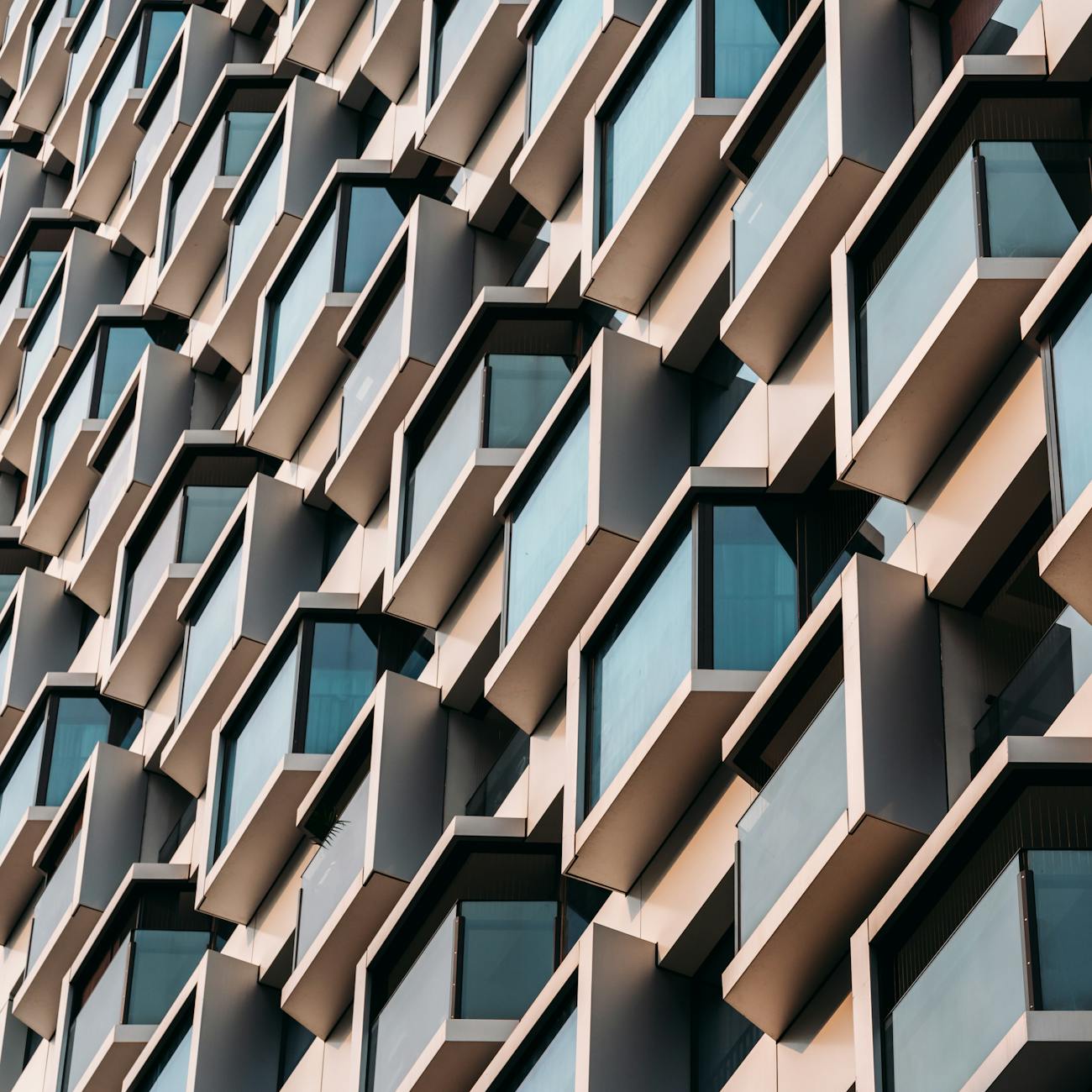
Passive Design Strategies play a crucial role in sustainable architecture by harnessing natural resources to create comfortable and energy-efficient buildings. These strategies rely on the design and orientation of a building to maximize natural light, ventilation, and thermal comfort while minimizing energy consumption. In this course, we will explore the key terms and vocabulary associated with Passive Design Strategies to better understand their principles and applications.
Passive Design: Passive design refers to the use of natural elements such as sunlight, wind, and shading to create a comfortable indoor environment without the need for mechanical heating or cooling systems. It focuses on optimizing the building's orientation, layout, and materials to passively control heat gain and loss.
Solar Orientation: Solar orientation is the positioning of a building in relation to the sun to maximize natural light and heat gain. By aligning the building's major windows and facades towards the sun's path, designers can enhance daylighting and passive solar heating, reducing the need for artificial lighting and heating.
Daylighting: Daylighting is the practice of using natural light to illuminate interior spaces, reducing the reliance on artificial lighting. By incorporating large windows, skylights, and light shelves, designers can introduce daylight deep into a building, creating a visually comfortable and energy-efficient environment.
Thermal Mass: Thermal mass refers to the ability of a material to store and release heat over time. Materials such as concrete, brick, and stone have high thermal mass properties, which help stabilize indoor temperatures by absorbing excess heat during the day and releasing it at night, reducing temperature fluctuations.
Natural Ventilation: Natural ventilation involves the use of natural airflow to cool and ventilate indoor spaces. By strategically placing windows, vents, and operable skylights, designers can facilitate cross-ventilation and stack effect, promoting fresh air circulation and improving indoor air quality without mechanical systems.
Shading Devices: Shading devices are elements such as overhangs, louvers, and awnings that protect windows and facades from direct sunlight, reducing solar heat gain and glare. By incorporating shading devices into the building's design, designers can control heat gain, optimize daylighting, and enhance occupant comfort.
Passive Solar Heating: Passive solar heating utilizes the sun's energy to warm indoor spaces during the colder months. By designing south-facing windows, thermal mass walls, and solar collectors, designers can capture and store solar heat, reducing the need for traditional heating systems and lowering energy consumption.
Passive Cooling: Passive cooling techniques aim to reduce indoor temperatures without mechanical air conditioning systems. Strategies such as natural ventilation, shading, and thermal mass help to dissipate heat and maintain comfortable conditions, enhancing occupant comfort and energy efficiency.
Cooling Strategies: Cooling strategies in passive design focus on minimizing heat gain and maximizing natural cooling mechanisms. By using reflective roofing, external shading, and cool roof materials, designers can reduce solar heat gain and improve thermal comfort without relying on air conditioning.
Energy Efficiency: Energy efficiency is the practice of using energy resources more effectively to reduce consumption and environmental impact. Passive design strategies enhance energy efficiency by optimizing building performance, reducing reliance on mechanical systems, and lowering overall energy demand.
Building Envelope: The building envelope is the physical barrier that separates the interior and exterior environments of a building. It includes walls, roofs, windows, and doors, which play a crucial role in regulating heat transfer, moisture control, and air infiltration, affecting the building's energy performance and comfort.
Low-Emissivity (Low-E) Coatings: Low-emissivity coatings are thin, transparent layers applied to windows to reduce heat transfer and improve thermal performance. By reflecting infrared radiation and blocking UV rays, low-E coatings help to maintain indoor temperatures, enhance energy efficiency, and reduce heating and cooling loads.
Thermal Comfort: Thermal comfort refers to the state of satisfaction with the thermal conditions of a space, influenced by factors such as temperature, humidity, and air movement. Passive design strategies aim to achieve thermal comfort by controlling indoor climates, optimizing natural light, and promoting air circulation.
Occupant Behavior: Occupant behavior plays a significant role in the success of passive design strategies. By educating occupants on energy-efficient practices, such as opening windows for natural ventilation or adjusting shading devices, designers can enhance building performance, reduce energy consumption, and improve occupant comfort.
Renewable Energy: Renewable energy sources such as solar, wind, and geothermal power provide sustainable alternatives to traditional fossil fuels. By integrating renewable energy systems into buildings, designers can further reduce energy consumption, lower carbon emissions, and promote environmental sustainability.
Life Cycle Assessment (LCA): Life cycle assessment is a methodology used to evaluate the environmental impacts of a building or product throughout its entire life cycle, from raw material extraction to disposal. By considering factors such as energy use, materials sourcing, and waste generation, designers can make informed decisions to minimize environmental footprints and promote sustainable practices.
Passive House: Passive House is a rigorous energy efficiency standard for buildings that focuses on achieving exceptional thermal performance and airtightness. By incorporating passive design principles, high-performance insulation, and mechanical ventilation systems, Passive House buildings can significantly reduce energy demand and provide superior indoor comfort.
Net-Zero Energy: Net-zero energy buildings produce as much energy as they consume over the course of a year, typically through renewable energy sources and energy-efficient design. By optimizing passive strategies, integrating renewable technologies, and implementing energy monitoring systems, designers can create buildings that are self-sufficient and environmentally friendly.
Challenges and Opportunities: While Passive Design Strategies offer numerous benefits in terms of energy efficiency, occupant comfort, and environmental sustainability, they also present challenges that designers must address. These challenges include overcoming site constraints, optimizing building performance, and educating stakeholders on the benefits of passive design. By embracing these challenges as opportunities for innovation and collaboration, designers can create buildings that are not only efficient but also healthy, comfortable, and resilient.
In conclusion, Passive Design Strategies are essential tools in the pursuit of sustainable architecture, offering a holistic approach to building design that prioritizes energy efficiency, occupant comfort, and environmental responsibility. By incorporating key terms and vocabulary related to passive design principles, strategies, and technologies, this course aims to equip learners with the knowledge and skills needed to create buildings that are not only beautiful and functional but also sustainable and resilient in the face of evolving environmental challenges.
Key takeaways
- These strategies rely on the design and orientation of a building to maximize natural light, ventilation, and thermal comfort while minimizing energy consumption.
- Passive Design: Passive design refers to the use of natural elements such as sunlight, wind, and shading to create a comfortable indoor environment without the need for mechanical heating or cooling systems.
- By aligning the building's major windows and facades towards the sun's path, designers can enhance daylighting and passive solar heating, reducing the need for artificial lighting and heating.
- By incorporating large windows, skylights, and light shelves, designers can introduce daylight deep into a building, creating a visually comfortable and energy-efficient environment.
- Materials such as concrete, brick, and stone have high thermal mass properties, which help stabilize indoor temperatures by absorbing excess heat during the day and releasing it at night, reducing temperature fluctuations.
- By strategically placing windows, vents, and operable skylights, designers can facilitate cross-ventilation and stack effect, promoting fresh air circulation and improving indoor air quality without mechanical systems.
- Shading Devices: Shading devices are elements such as overhangs, louvers, and awnings that protect windows and facades from direct sunlight, reducing solar heat gain and glare.