
Professional Development in Sports
Professional Development in Sports: Professional development in sports is a crucial aspect of enhancing skills, knowledge, and competencies within the sports industry. It involves continuous learning and growth to stay relevant and competit…
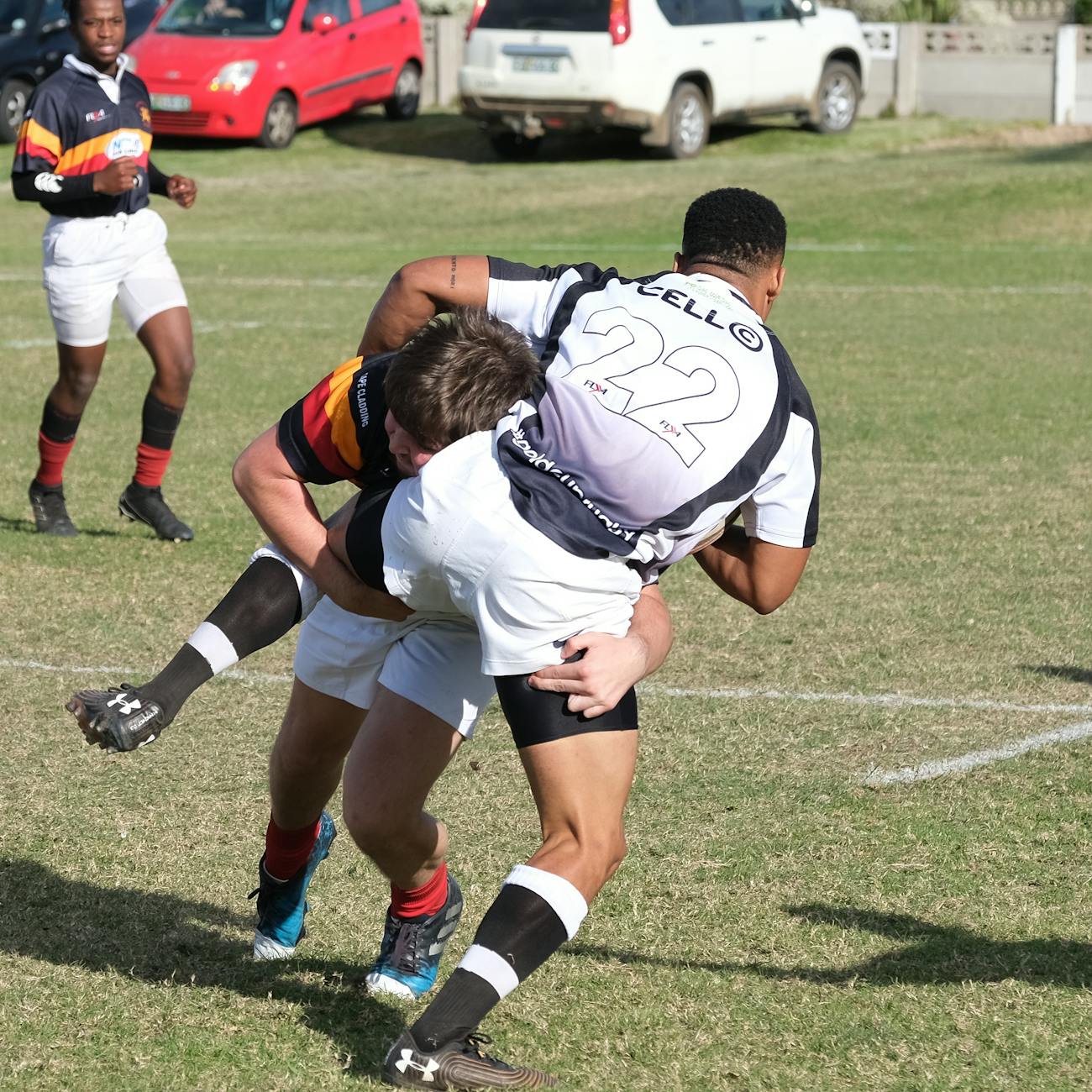
Professional Development in Sports: Professional development in sports is a crucial aspect of enhancing skills, knowledge, and competencies within the sports industry. It involves continuous learning and growth to stay relevant and competitive in the field. This process is essential for sports professionals to advance their careers, improve performance, and achieve personal and professional goals.
Sports Leadership Principles: Sports leadership principles are the foundational guidelines and practices that govern effective leadership within the sports industry. These principles focus on developing strong leadership skills, building cohesive teams, and driving success in sports organizations. Understanding and applying these principles is key to becoming a successful sports leader.
Key Terms and Vocabulary:
1. Professional Development: Professional development refers to the process of improving and expanding skills, knowledge, and competencies related to one's profession. In the sports industry, professional development is essential for staying current with industry trends, advancing in one's career, and achieving success as a sports professional.
2. Continuous Learning: Continuous learning involves actively seeking new knowledge, skills, and experiences to enhance personal and professional growth. In sports, continuous learning is essential for adapting to changes in the industry, improving performance, and staying ahead of the competition.
3. Competencies: Competencies are the skills, abilities, and knowledge required to perform a specific job or task effectively. In sports, competencies can include technical skills, leadership abilities, communication skills, and strategic thinking. Developing competencies is essential for success in the sports industry.
4. Growth Mindset: A growth mindset is the belief that abilities and intelligence can be developed through effort, learning, and persistence. In sports, having a growth mindset is important for embracing challenges, learning from failures, and continuously improving performance.
5. Skill Acquisition: Skill acquisition refers to the process of learning and developing new skills. In sports, skill acquisition involves practicing techniques, improving physical abilities, and mastering specific movements relevant to a particular sport.
6. Career Advancement: Career advancement involves progressing in one's career through promotions, increased responsibilities, and professional development opportunities. In sports, career advancement can include moving into higher-level coaching positions, managerial roles, or leadership positions within sports organizations.
7. Performance Improvement: Performance improvement is the process of enhancing one's skills, abilities, and results in a specific area. In sports, performance improvement can involve refining techniques, building strength and endurance, and optimizing strategies to achieve better outcomes in competition.
8. Personal Development: Personal development focuses on improving one's self-awareness, emotional intelligence, and overall well-being. In sports, personal development can include building resilience, managing stress, and developing a positive mindset to navigate challenges and setbacks effectively.
9. Professional Goals: Professional goals are specific objectives that individuals set to achieve success in their careers. In sports, professional goals can include winning championships, improving team performance, securing sponsorships, or advancing to higher levels of competition.
10. Leadership Skills: Leadership skills are the abilities and qualities that enable individuals to guide, inspire, and influence others toward a common goal. In sports, leadership skills are essential for coaches, team captains, and sports administrators to motivate teams, make strategic decisions, and foster a culture of excellence.
11. Team Building: Team building involves activities and strategies designed to enhance collaboration, communication, and cohesion among team members. In sports, team building is critical for creating a supportive and high-performing team environment where athletes can work together effectively toward shared goals.
12. Success Metrics: Success metrics are measurable indicators used to evaluate progress and achievements in a specific area. In sports, success metrics can include win-loss records, individual performance statistics, team rankings, and fan engagement metrics to assess success and identify areas for improvement.
13. Industry Trends: Industry trends are patterns, developments, and changes that impact the sports industry. Staying informed about industry trends is essential for sports professionals to anticipate changes, adapt strategies, and capitalize on new opportunities in the evolving sports landscape.
14. Professional Networking: Professional networking involves building and maintaining relationships with peers, mentors, industry experts, and potential collaborators within the sports industry. Networking is crucial for expanding opportunities, sharing knowledge, and gaining support from a diverse professional network.
15. Mentorship: Mentorship is a professional relationship in which an experienced individual (mentor) provides guidance, support, and advice to a less experienced individual (mentee). In sports, mentorship can help aspiring sports professionals develop skills, navigate challenges, and accelerate their career growth.
16. Career Development Plan: A career development plan is a strategic roadmap outlining an individual's goals, skills development, and action steps to advance in their career. In sports, a career development plan can include short-term and long-term goals, training opportunities, networking strategies, and milestones to track progress.
17. Professional Certifications: Professional certifications are credentials awarded to individuals who demonstrate proficiency, knowledge, and expertise in a specific field. In sports, professional certifications can validate a sports professional's skills, enhance credibility, and open up new career opportunities in coaching, sports management, or sports marketing.
18. Ethics and Integrity: Ethics and integrity are principles that guide moral behavior, honesty, and fairness in professional settings. In sports, ethics and integrity are essential for upholding the values of sportsmanship, respect, and fair play, both on and off the field.
19. Conflict Resolution: Conflict resolution is the process of addressing and resolving disputes or disagreements in a constructive and collaborative manner. In sports, conflict resolution skills are important for managing conflicts among athletes, coaches, staff, and stakeholders to maintain positive relationships and team dynamics.
20. Diversity and Inclusion: Diversity and inclusion refer to embracing and respecting individual differences, perspectives, and backgrounds within a diverse workforce or community. In sports, promoting diversity and inclusion is essential for creating a welcoming and inclusive environment where all individuals have equal opportunities to participate and succeed.
21. Risk Management: Risk management involves identifying, assessing, and mitigating potential risks or hazards to prevent negative outcomes or liabilities. In sports, risk management strategies can help sports organizations minimize injuries, protect athletes, and ensure compliance with safety regulations and protocols.
22. Strategic Planning: Strategic planning is the process of setting goals, defining strategies, and allocating resources to achieve a desired outcome or vision. In sports, strategic planning is essential for setting clear objectives, prioritizing initiatives, and aligning efforts to drive success and sustainable growth in sports organizations.
23. Data Analysis: Data analysis involves collecting, interpreting, and deriving insights from data to inform decision-making and improve performance. In sports, data analysis can help coaches, teams, and organizations leverage statistical data, performance metrics, and analytics to optimize training programs, enhance player performance, and gain a competitive edge.
24. Marketing and Branding: Marketing and branding are strategies used to promote sports teams, events, athletes, and organizations to attract fans, sponsors, and supporters. In sports, effective marketing and branding initiatives can build brand awareness, drive fan engagement, and generate revenue through sponsorships, endorsements, and merchandise sales.
25. Financial Management: Financial management involves planning, budgeting, and monitoring financial resources to achieve financial goals and sustainability. In sports, financial management is critical for sports organizations to manage revenue streams, control expenses, and make strategic investments to support operations, facilities, and athlete development.
26. Communication Skills: Communication skills are the ability to convey information, ideas, and messages effectively to others. In sports, strong communication skills are essential for coaches, athletes, and sports professionals to share feedback, collaborate with teammates, engage with fans, and build positive relationships within the sports community.
27. Resilience: Resilience is the ability to adapt, bounce back, and thrive in the face of challenges, setbacks, or adversity. In sports, resilience is important for athletes, coaches, and sports professionals to overcome obstacles, persevere through tough times, and emerge stronger and more determined to achieve success.
28. Time Management: Time management involves prioritizing tasks, setting goals, and allocating time effectively to maximize productivity and achieve desired outcomes. In sports, time management skills are crucial for balancing training, competition, recovery, and personal commitments to optimize performance and maintain a healthy work-life balance.
29. Critical Thinking: Critical thinking is the ability to analyze, evaluate, and make reasoned decisions or judgments based on evidence and logical reasoning. In sports, critical thinking skills are important for coaches, athletes, and sports professionals to assess situations, solve problems, and make strategic decisions to improve performance and achieve goals.
30. Adaptability: Adaptability is the capacity to adjust, flex, and thrive in changing or uncertain environments. In sports, adaptability is crucial for athletes, coaches, and sports professionals to respond to evolving competition, new challenges, and unexpected circumstances with resilience, creativity, and agility.
31. Innovation: Innovation involves introducing new ideas, approaches, or technologies to drive positive change, solve problems, and create value. In sports, innovation can lead to advancements in sports performance, training methods, equipment, and fan experiences to enhance the overall quality and competitiveness of the sports industry.
32. Feedback and Reflection: Feedback and reflection involve receiving input, insights, and evaluations from others and taking time to assess and learn from experiences. In sports, feedback and reflection are important for athletes, coaches, and sports professionals to improve performance, refine strategies, and grow personally and professionally through self-awareness and continuous learning.
33. Emotional Intelligence: Emotional intelligence is the ability to understand, manage, and express emotions effectively in oneself and others. In sports, emotional intelligence is critical for building strong relationships, resolving conflicts, motivating teams, and making sound decisions based on empathy, self-awareness, and social skills.
34. Goal Setting: Goal setting involves establishing specific, measurable, achievable, relevant, and time-bound objectives to guide personal and professional development. In sports, goal setting helps athletes, coaches, and sports professionals focus their efforts, track progress, and stay motivated to achieve success in training, competition, and career advancement.
35. Networking Strategies: Networking strategies are intentional approaches and actions taken to build and expand professional relationships within the sports industry. In sports, effective networking strategies can include attending industry events, connecting with mentors, engaging on social media, and participating in professional associations to grow a supportive network and access new opportunities.
36. Conflict Management: Conflict management involves addressing and resolving disagreements or disputes in a constructive and collaborative manner to reach a mutually beneficial solution. In sports, conflict management skills are essential for coaches, athletes, and sports professionals to navigate conflicts, build trust, and maintain positive relationships within teams, organizations, and the sports community.
37. Decision-Making: Decision-making is the process of selecting a course of action or choice from available options based on analysis, evaluation, and judgment. In sports, effective decision-making skills are important for coaches, athletes, and sports professionals to make informed choices, solve problems, and seize opportunities to enhance performance, achieve goals, and drive success in sports.
38. Media Relations: Media relations involve managing relationships and communications with the media to promote sports teams, events, athletes, and organizations. In sports, effective media relations can help build positive public relations, increase visibility, and engage fans and stakeholders through media interviews, press releases, and social media interactions.
39. Team Dynamics: Team dynamics refer to the interactions, relationships, and behaviors among team members that influence group performance and cohesion. In sports, understanding team dynamics is essential for coaches, athletes, and sports professionals to foster collaboration, communication, and trust within teams to maximize performance, achieve goals, and create a positive team culture.
40. Performance Evaluation: Performance evaluation involves assessing and measuring an individual or team's performance against set criteria, goals, or standards. In sports, performance evaluation can include reviewing game footage, analyzing statistics, conducting player assessments, and providing feedback to identify strengths, areas for improvement, and development opportunities to enhance performance and achieve success.
41. Goal Achievement: Goal achievement is the process of reaching or surpassing desired objectives or milestones. In sports, goal achievement requires dedication, effort, and perseverance to overcome challenges, stay focused, and execute strategies effectively to realize individual and team goals in training, competition, and career advancement.
42. Stakeholder Engagement: Stakeholder engagement involves involving and communicating with individuals or groups who have a vested interest in the success or outcomes of a sports organization or event. In sports, effective stakeholder engagement can include interacting with sponsors, fans, media, community partners, and governing bodies to build relationships, gather feedback, and align interests to support the overall mission and objectives of the sports organization.
43. Professional Conduct: Professional conduct refers to behaving ethically, responsibly, and professionally in all interactions and activities within the sports industry. In sports, professional conduct is important for upholding the values of integrity, respect, and sportsmanship, and building trust, credibility, and positive relationships with teammates, coaches, fans, sponsors, and stakeholders.
44. Leadership Development: Leadership development involves enhancing leadership skills, knowledge, and abilities to inspire, motivate, and guide individuals and teams toward achieving common goals. In sports, leadership development is critical for coaches, team captains, and sports administrators to lead by example, empower others, and drive success through effective communication, decision-making, and team building.
45. Personal Branding: Personal branding is the process of creating a unique identity, reputation, and image that reflects one's values, strengths, and expertise. In sports, personal branding can help athletes, coaches, and sports professionals differentiate themselves, attract opportunities, and build a loyal fan base or following through consistent messaging, storytelling, and engagement on social media and other platforms.
46. Performance Analysis: Performance analysis involves evaluating and interpreting data, metrics, and feedback to assess individual or team performance and identify areas for improvement. In sports, performance analysis can include video analysis, statistical analysis, biomechanical assessments, and game reviews to optimize training, strategy, and performance execution for competitive advantage and success.
47. Team Leadership: Team leadership involves guiding, motivating, and inspiring team members to work together toward achieving common goals and objectives. In sports, effective team leadership requires strong communication, decision-making, and relationship-building skills to foster trust, collaboration, and accountability within teams and maximize performance, cohesion, and success in training and competition.
48. Professional Networking: Professional networking involves establishing and nurturing relationships with peers, mentors, industry experts, and potential collaborators within the sports industry. In sports, professional networking can help sports professionals expand opportunities, share knowledge, and gain support from a diverse professional network to access new career opportunities, collaborations, and insights to enhance career growth, visibility, and success in the sports industry.
49. Conflict Resolution Strategies: Conflict resolution strategies are approaches, techniques, and processes used to address and resolve conflicts or disagreements in a constructive and collaborative manner. In sports, conflict resolution strategies can include active listening, mediation, negotiation, and problem-solving to manage conflicts, build trust, and maintain positive relationships within teams, organizations, and the sports community to promote a culture of respect, collaboration, and success.
50. Ethical Decision-Making: Ethical decision-making involves making choices and taking actions that align with moral principles, values, and ethical standards. In sports, ethical decision-making is essential for upholding the values of integrity, fairness, and sportsmanship, and making decisions that prioritize the well-being, safety, and respect of athletes, coaches, fans, and stakeholders, and promote a culture of trust, accountability, and transparency within sports organizations and the sports community.
Key takeaways
- Professional Development in Sports: Professional development in sports is a crucial aspect of enhancing skills, knowledge, and competencies within the sports industry.
- Sports Leadership Principles: Sports leadership principles are the foundational guidelines and practices that govern effective leadership within the sports industry.
- In the sports industry, professional development is essential for staying current with industry trends, advancing in one's career, and achieving success as a sports professional.
- Continuous Learning: Continuous learning involves actively seeking new knowledge, skills, and experiences to enhance personal and professional growth.
- Competencies: Competencies are the skills, abilities, and knowledge required to perform a specific job or task effectively.
- Growth Mindset: A growth mindset is the belief that abilities and intelligence can be developed through effort, learning, and persistence.
- In sports, skill acquisition involves practicing techniques, improving physical abilities, and mastering specific movements relevant to a particular sport.