
Understanding Packaging Materials and Components
Understanding Packaging Materials and Components
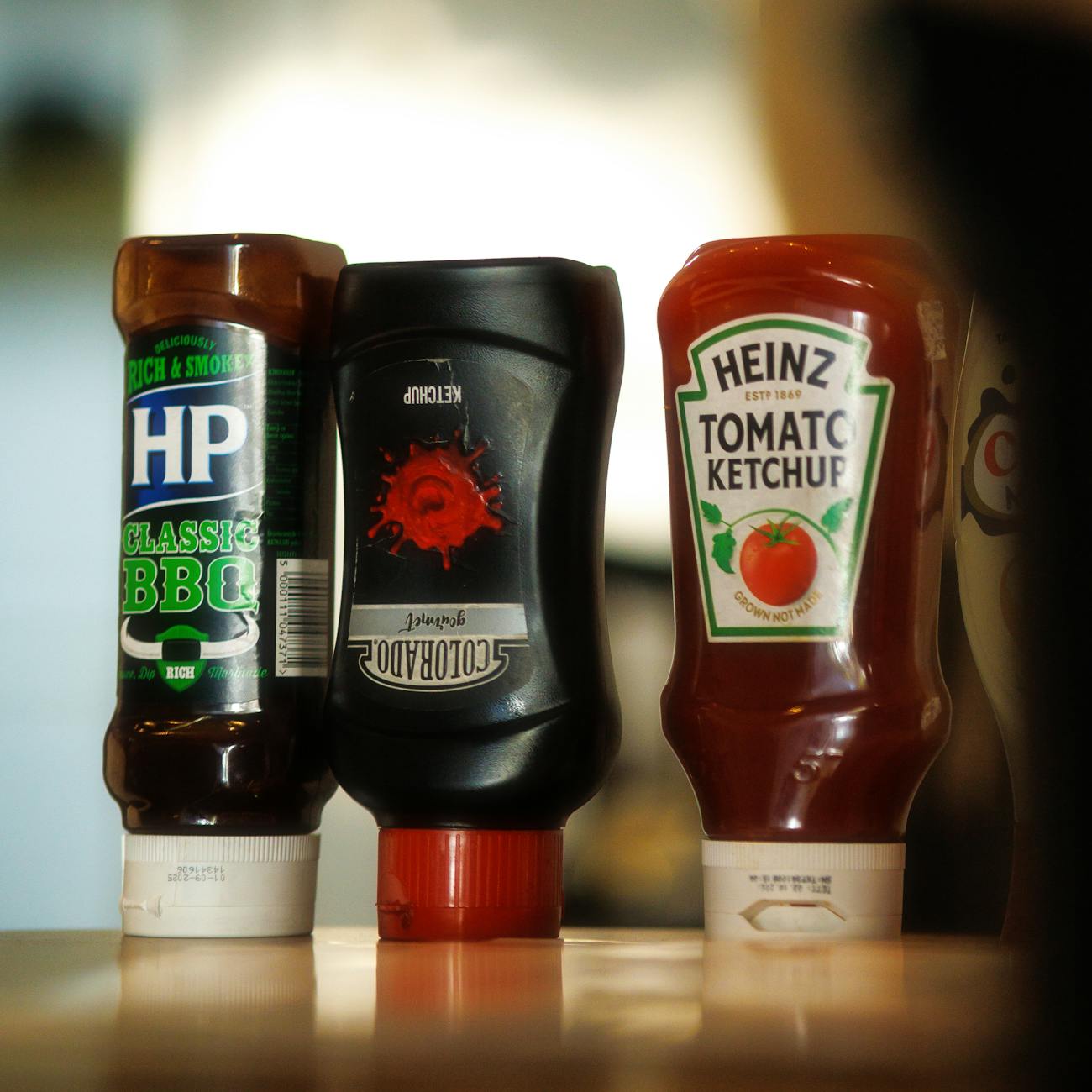
Understanding Packaging Materials and Components
Packaging plays a crucial role in the retail industry, serving as a protective layer for products, a means of communication with consumers, and a tool for branding and marketing. In the UK, there are specific regulations that govern packaging materials and components to ensure the safety of consumers and the environment. Understanding these regulations is essential for retailers to comply with the law and maintain consumer trust.
Key Terms and Vocabulary
1. Regulations: Rules or laws set by governing bodies to control the use of packaging materials and components to protect consumers and the environment.
2. Compliance: Ensuring that packaging materials and components meet the regulations set by authorities.
3. Recyclable: Packaging materials that can be recycled and reused to reduce waste and environmental impact.
4. Biodegradable: Packaging materials that can be broken down by natural processes, such as bacteria or fungi, into simpler substances.
5. Compostable: Packaging materials that can decompose into natural elements in a compost environment.
6. Recycled Content: The percentage of recycled materials used in packaging manufacturing processes.
7. Single-Use Plastics: Packaging materials made from plastic that are intended for one-time use and often end up in landfills or oceans.
8. Sustainable Packaging: Packaging materials and components that are environmentally friendly and have minimal impact on the planet.
9. Carbon Footprint: The amount of greenhouse gas emissions produced as a result of the manufacturing, transportation, and disposal of packaging materials.
10. Extended Producer Responsibility (EPR): The concept that producers are responsible for the environmental impact of their products throughout their lifecycle, including packaging waste management.
11. EU Packaging Waste Directive: Legislation that sets targets for recycling and recovery of packaging waste in the European Union.
12. Food Contact Materials: Packaging components that come into direct contact with food products, requiring specific safety and hygiene standards.
13. Labeling Requirements: Information that must be displayed on packaging to inform consumers about the product, ingredients, expiration date, and recycling instructions.
14. Hazardous Materials: Packaging components that contain substances harmful to human health or the environment, requiring special handling and disposal.
15. Tamper-Evident Packaging: Packaging materials designed to show if a product has been opened or tampered with before purchase.
16. Child-Resistant Packaging: Packaging components that are designed to be difficult for children to open, especially for products that pose a risk of ingestion.
17. Protective Packaging: Materials used to safeguard products during transportation and storage, such as bubble wrap, foam, or cardboard.
18. Marketing and Branding: The use of packaging design, colors, logos, and messages to attract consumers and create brand recognition.
19. Eco-Friendly Packaging: Packaging materials that are biodegradable, compostable, recyclable, or made from sustainable sources to reduce environmental impact.
20. Circular Economy: An economic system aimed at minimizing waste and maximizing the use of resources through recycling, reusing, and reducing.
Examples and Practical Applications
1. Example 1: A UK retailer selling organic food products must ensure that the packaging materials used are compostable to align with their brand values and reduce environmental impact.
2. Example 2: A cosmetic company must comply with labeling requirements by including a list of ingredients, expiration date, and recycling instructions on their product packaging.
3. Example 3: A toy manufacturer must use child-resistant packaging for products with small parts to prevent accidental ingestion by children.
4. Example 4: A clothing retailer can enhance its branding by using sustainable packaging materials, such as recycled paper bags or biodegradable garment bags.
5. Example 5: An electronics store must use protective packaging, such as foam inserts or air cushions, to prevent damage to fragile products during shipping.
Challenges and Considerations
1. Cost: Sustainable packaging materials may be more expensive than traditional options, impacting the overall product pricing.
2. Consumer Perception: Educating consumers about the benefits of eco-friendly packaging and changing their behavior towards recycling and waste reduction.
3. Supply Chain Management: Ensuring the availability and quality of sustainable packaging materials throughout the production and distribution process.
4. Regulatory Compliance: Keeping up to date with changing regulations and ensuring that packaging materials meet safety and environmental standards.
5. Innovation: Constantly seeking new materials and technologies to improve packaging sustainability and reduce the carbon footprint.
6. Waste Management: Implementing effective recycling and waste management practices to reduce packaging waste and promote a circular economy.
7. Brand Image: Leveraging sustainable packaging as a way to enhance brand reputation, attract environmentally conscious consumers, and differentiate from competitors.
8. Global Impact: Considering the global impact of packaging materials on the environment, wildlife, and ecosystems, and taking steps to minimize negative effects.
Conclusion
In conclusion, understanding packaging materials and components is essential for retailers to comply with UK regulations, meet consumer expectations, and reduce environmental impact. By using sustainable packaging materials, complying with labeling requirements, and implementing eco-friendly practices, retailers can create a positive brand image, attract conscious consumers, and contribute to a more sustainable future. It is crucial for retailers to stay informed about changing regulations, innovate in packaging design, and collaborate with suppliers to achieve a circular economy and minimize packaging waste.
Primary Packaging Materials: These are the materials that are in direct contact with the product and designed to protect, preserve, and contain the product. Examples include glass bottles for beverages, plastic containers for food, and aluminum foil for chocolate bars.
Secondary Packaging Materials: These are the materials used to group, identify, and promote the product. They are not in direct contact with the product and are often used for display and transportation purposes. Examples include cardboard boxes for cereals, plastic shrink wrap for multipacks, and paper bags for bakery items.
Tertiary Packaging Materials: These are the materials used for transportation and storage of multiple products. They are not in direct contact with the product and are often used for bulk transportation. Examples include wooden pallets, cardboard boxes, and plastic crates.
Materials:
Plastics: Plastics are lightweight, durable, and versatile materials used in various packaging applications. They are available in different types, such as PET, HDPE, PVC, LDPE, and PP, each with its unique properties and applications. Plastics are used in primary, secondary, and tertiary packaging applications, such as bottles, films, trays, and containers.
Glass: Glass is a rigid, transparent, and inert material used in primary packaging applications, such as bottles, jars, and containers. Glass is widely used in the food, beverage, and pharmaceutical industries due to its ability to preserve and protect the product's quality and safety.
Metals: Metals are durable, recyclable, and versatile materials used in various packaging applications. They are available in different types, such as aluminum, steel, and tin, each with its unique properties and applications. Metals are used in primary, secondary, and tertiary packaging applications, such as cans, foils, and containers.
Paper and Board: Paper and board are renewable, biodegradable, and versatile materials used in various packaging applications. They are available in different types, such as corrugated board, carton board, and paper, each with its unique properties and applications. Paper and board are used in secondary and tertiary packaging applications, such as boxes, trays, and labels.
Composites: Composites are materials made from two or more materials combined to achieve specific properties. They are used in various packaging applications, such as laminates, coatings, and films. Composites are used to improve the product's barrier, durability, and appearance.
Components:
Labels: Labels are attached to the packaging material to provide information about the product, such as its name, ingredients, weight, and instructions. Labels are made from various materials, such as paper, film, and aluminum, and are printed with various methods, such as offset, digital, and flexographic.
Closures: Closures are used to seal and protect the product from contamination, leakage, and tampering. Closures are made from various materials, such as plastic, metal, and rubber, and are available in different types, such as screw caps, snap-on caps, and push-on caps.
Inserts: Inserts are used to provide additional protection, information, and promotion to the product. Inserts are made from various materials, such as paper, foam, and plastic, and are used in various packaging applications, such as boxes, bags, and sleeves.
Sleeves: Sleeves are used to cover and protect the product from damage, dirt, and tampering. Sleeves are made from various materials, such as paper, film, and aluminum, and are used in various packaging applications, such as cans, bottles, and containers.
Pouches: Pouches are used to package various products, such as liquids, powders, and solids. Pouches are made from various materials, such as film, paper, and aluminum, and are available in different types, such as stand-up pouches, spouted pouches, and flat pouches.
Challenges:
Sustainability: The packaging industry is facing significant challenges in terms of sustainability, such as waste reduction, resource conservation, and carbon footprint. The industry is responding by developing new materials, designs, and technologies that reduce the environmental impact of packaging.
Cost: The cost of packaging materials and components is a critical factor in the packaging industry. The industry is responding by developing new materials, designs, and technologies that reduce the cost of packaging while maintaining its quality and performance.
Regulations: The packaging industry is subject to various regulations, such as safety, health, and environmental regulations. The industry is responding by complying with the regulations and developing new materials, designs, and technologies that meet the regulatory requirements.
Innovation: The packaging industry is continuously innovating and developing new materials, designs, and technologies to meet the changing needs and preferences of consumers and businesses. The industry is responding by investing in research and development, collaborating with partners, and exploring new markets and opportunities.
Example:
Consider a bottled water company that wants to package its product in a sustainable, cost-effective, and compliant manner. The company can use PET plastic bottles as primary packaging materials, which are lightweight, recyclable, and have a low carbon footprint. The company can use paper or corrugated board as secondary packaging materials, which are renewable, biodegradable, and have a low environmental impact. The company can use labels to provide information about the product and the brand, and closures to seal and protect the product. The company can also use inserts to provide additional information and promotion, and sleeves to cover and protect the product.
Challenges:
The bottled water company faces challenges in terms of sustainability, cost, regulations, and innovation. The company can address sustainability by using recyclable materials, reducing waste, and minimizing the carbon footprint. The company can address cost by optimizing the packaging design and materials, and negotiating with suppliers. The company can address regulations by complying with the safety, health, and environmental regulations. The company can address innovation by investing in research and development, collaborating with partners, and exploring new markets and opportunities.
Practical Application:
The bottled water company can apply the key terms and vocabulary of packaging materials and components in the following ways:
1. Selecting the appropriate primary packaging materials based on the product's properties, such as pH, temperature, and pressure. 2. Choosing the optimal secondary packaging materials that provide sufficient protection, promotion, and information. 3. Specifying the correct closures that ensure the product's safety, hygiene, and quality. 4. Designing the packaging layout and graphics that attract and engage the customers. 5. Evaluating the packaging performance in terms of functionality, durability, and sustainability. 6. Monitoring the packaging cost and value in terms of materials, labor, and transportation. 7. Complying with the relevant regulations and standards in the UK retail packaging regulations.
Conclusion:
Understanding the key terms and vocabulary of packaging materials and components is essential for the bottled water company to achieve its goals of sustainability, cost-effectiveness, and compliance. The company can use various primary, secondary, and tertiary packaging materials, such as plastics, glass, metals, paper, and board, depending on the product's properties and the market's requirements. The company can also use various packaging components, such as labels, closures, inserts, sleeves, and pouches, to enhance the product's protection, promotion, and information. The company can face challenges in terms of sustainability, cost, regulations, and innovation, but can address them by using the appropriate materials, designs, and technologies. The company can also apply the key terms and vocabulary in practical ways to optimize the packaging performance, cost, and value.
Key takeaways
- Packaging plays a crucial role in the retail industry, serving as a protective layer for products, a means of communication with consumers, and a tool for branding and marketing.
- Regulations: Rules or laws set by governing bodies to control the use of packaging materials and components to protect consumers and the environment.
- Compliance: Ensuring that packaging materials and components meet the regulations set by authorities.
- Recyclable: Packaging materials that can be recycled and reused to reduce waste and environmental impact.
- Biodegradable: Packaging materials that can be broken down by natural processes, such as bacteria or fungi, into simpler substances.
- Compostable: Packaging materials that can decompose into natural elements in a compost environment.
- Recycled Content: The percentage of recycled materials used in packaging manufacturing processes.